










End of geopolitical omnivorousness Russia demands Armenia make a choice
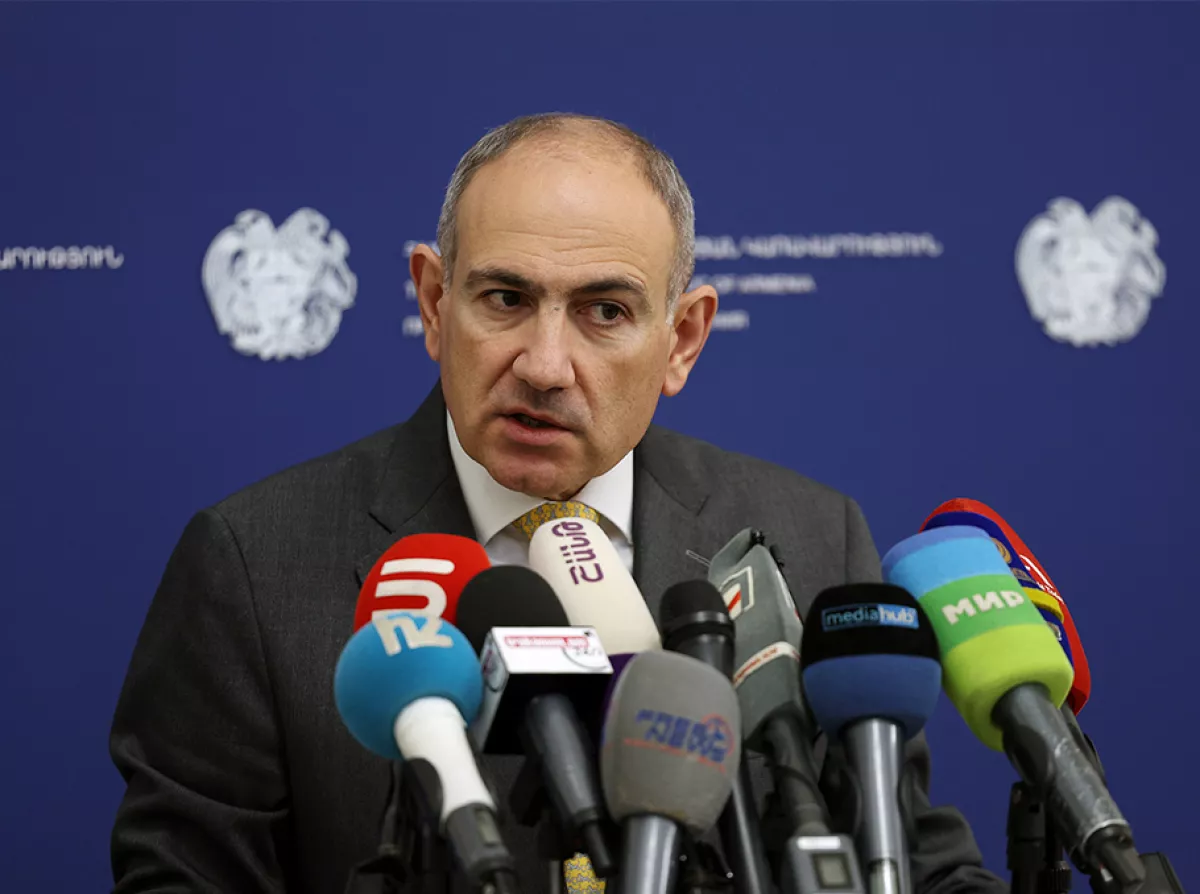
This week, Armenian Prime Minister Nikol Pashinyan did not find time to participate in the Eurasian Economic Union (EAEU) summit. He cited preparations for elections, although in the days leading up to it, he had held several consecutive meetings with EU leaders. He insists that Armenia does not intend to leave the integration bloc with Russia, but does not hide his attitude toward it either — on Friday, only the deputy prime minister attended the summit in Astana.
Armenia is moving toward a radical rapprochement with the EU, while its relations with the United States, Iran, and Russia are becoming increasingly complicated. Against the backdrop of political polarization within Armenia itself, such a course contributes to drawing the regional peace process into a whirlpool of global political intrigues. As a result, the U.S. president recently reminded Pashinyan of the importance of implementing the TRIPP project — the Zangezur corridor with American involvement.
The final Russian warning
In order to discuss the situation around Armenia, the EAEU leaders in Astana even made part of the summit a closed-door session. However, the outcome was limited to a statement proposing that the Armenian government hold a referendum on choosing between the EAEU and the EU. Given that Pashinyan himself had recently spoken about such a referendum, it can be said that this resolution is largely ceremonial. Thus ended a new round of Russia’s stern warnings to Armenia.
The first rumble from Moscow was heard on May 20, when a special working group at the Russian Security Council discussed the situation surrounding Armenia and its pivot toward the EU.
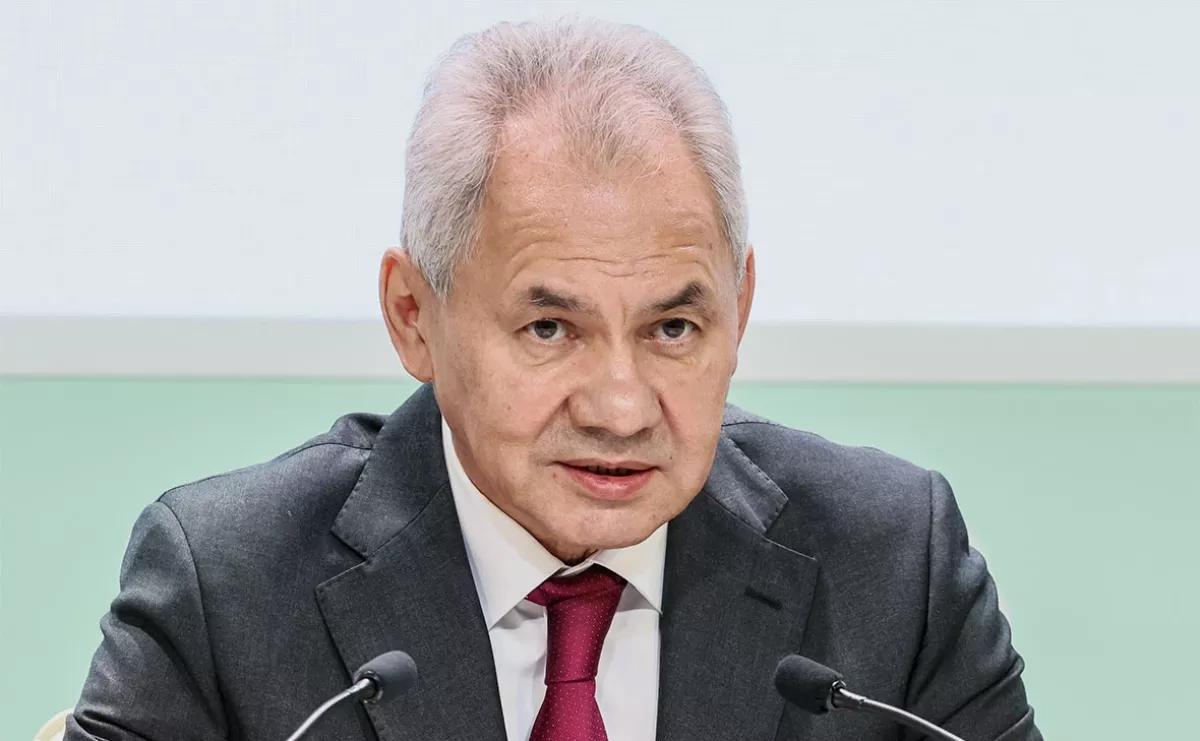
Secretary of the Security Council of the Russian Federation, Sergei Shoigu, voiced strong objections to Pashinyan, recalling the economic benefits Armenia receives from its partnership with Russia. It was stated that Yerevan cannot simultaneously maintain membership in the EAEU while pursuing integration with the EU.
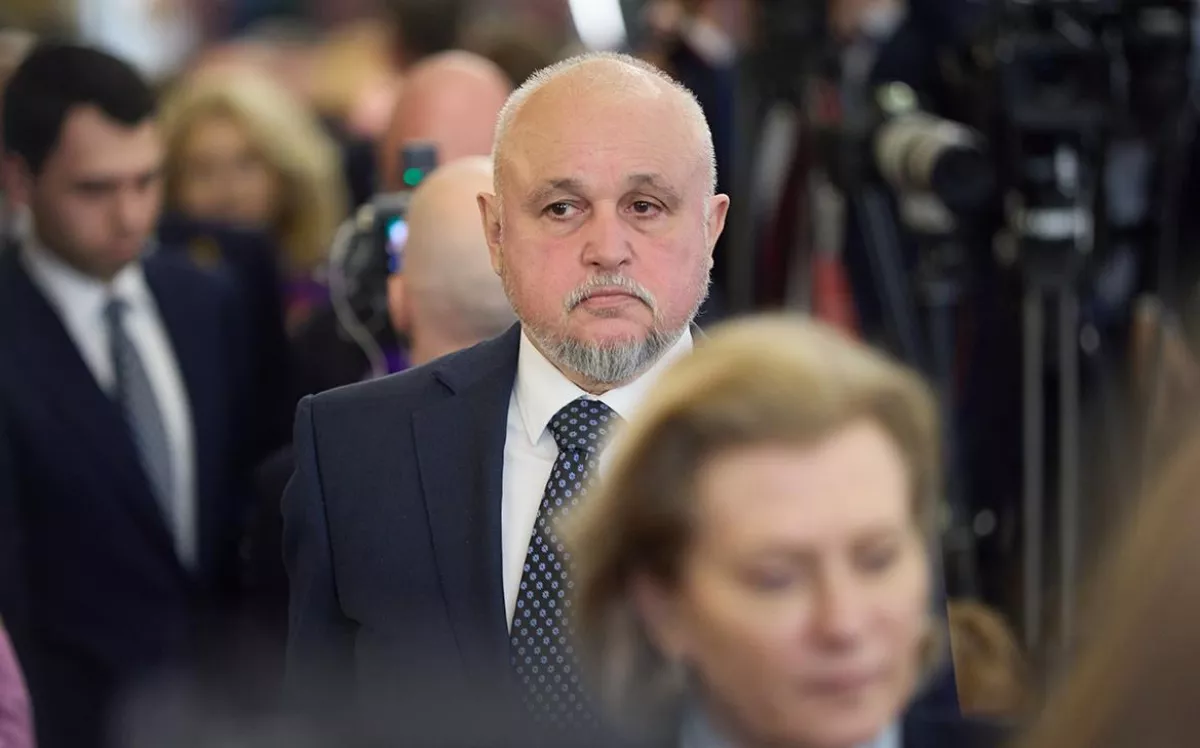
Russian Energy Minister Sergey Tsivilev issued a written warning to the Armenian Ministry of Territorial Administration and Infrastructure, threatening to halt supplies of Russian gas, oil products, and diamonds. However, this appeared unconvincing — such measures are normally announced at a much higher level. It is therefore unsurprising that Armenian officials responded by stating they had received nothing of the sort, forcing Russian officials to “leak” the letter to the press.
On Tuesday, Shoigu, speaking at a meeting of the committee of Security Council secretaries of CSTO member states, expressed regret that Armenia, a CSTO member, is seeking protection from European NATO countries. He urged Yerevan to decide which “train” it intends to board.
For the Russian leadership, however, the situation should long have been clear, and even now, Armenian counterparts have left no room for misinterpretation of their long-standing stance of demonstrative disdain toward the CSTO. Pashinyan, who has never placed much value in the CSTO and, early in his career, even had the sitting secretary of the organisation arrested, has remained consistent and once again sent no representatives to the event. This, however, had no consequences for Armenia; it was not excluded from the organisation.
In general, the practical consequences of recent disputes with Russia for Armenia have been limited to restrictions on exports to Russia of vegetables, fruit, flowers, alcohol, and mineral water. This is nothing new.
Publicly, the Russian side remains sceptical about the prospects of Armenia’s “European integration.”
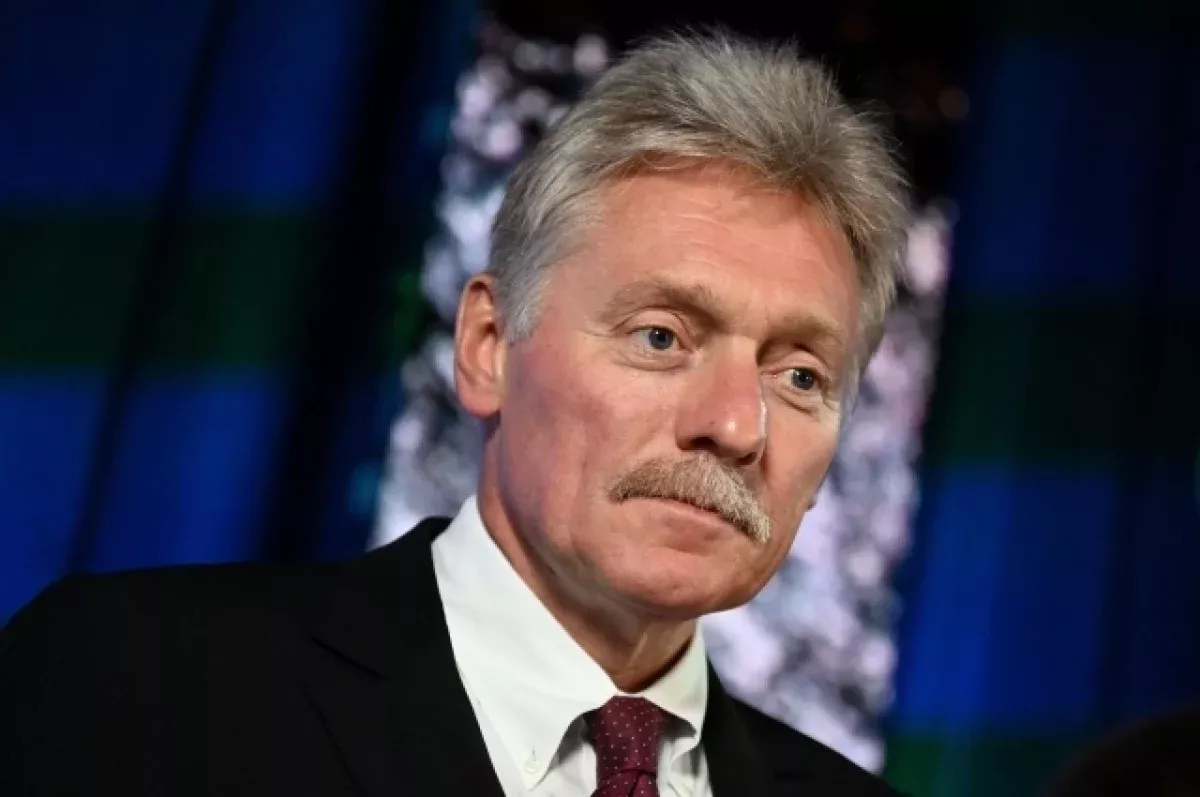
For example, Russian presidential spokesperson Dmitry Peskov says that EU membership remains an “unfulfilled dream” for many countries, claiming that “for many decades this carrot has been held in front of Türkiye, yet it never gets any closer.” However, the Kremlin naturally understands that the Turkish example is not entirely relevant. Armenia, in this view, is being brought closer by Euro-liberal elites as part of an ideologised campaign to expand the bloc and confront Russia.
The Russian side is unlikely to be under any illusions about this, despite the doubts it voices publicly. It has simply decided to wait until Armenia’s elections on June 7, hoping for a rise in revanchist opposition to Pashinyan. For now, it avoids drastic steps — for instance, it does not touch gas contracts. After all, preferential gas prices, as Peskov noted, are “our contribution to Armenia’s development, because it is the Armenian people, our brotherly people.” Put more simply, if Moscow were to increase gas prices, it would sink the already weak chances of victory for pro-Russian nationalist “dinosaurs” like Kocharyan.
Are there any material prerequisites for a pro-Russian turn in Yerevan? The ratings of old-school revanchists are not impressive, although there are questions regarding the objectivity of the polling organisations. A month ago, the Armenian branch of Gallup International Association measured support for the ruling Civil Contract party at 26.7%, and for the opposition Strong Armenia at 14.1%.
Pashinyan is trying to strengthen his position by winning over opposition voters. As a result, his proposals also begin to take on a rather specific character — resembling, so to speak, a call for a kind of “new greatness,” but in a more modern packaging.
First, he points to the mafia-like nature of the old Armenian nationalist expansionism of the Gorbachev-era mould.
Second, he proudly showcases new missiles and aircraft, something facilitated by the parade on Thursday. At it, Pashinyan announced that, in addition to purchasing weapons abroad, “what brings the greatest joy is that developed countries are signing multi-million contracts with our military-industrial complex.” Armenian authorities are thus also throwing a bone to revanchist circles within their society.
There is another important nuance. In effect, as we have already written, the EU has given Pashinyan a carte blanche to win — by any means. And the Armenian authorities are already cashing in on this carte blanche. Wild stories of varying credibility, involving an admittedly seasoned opposition, regularly surface.
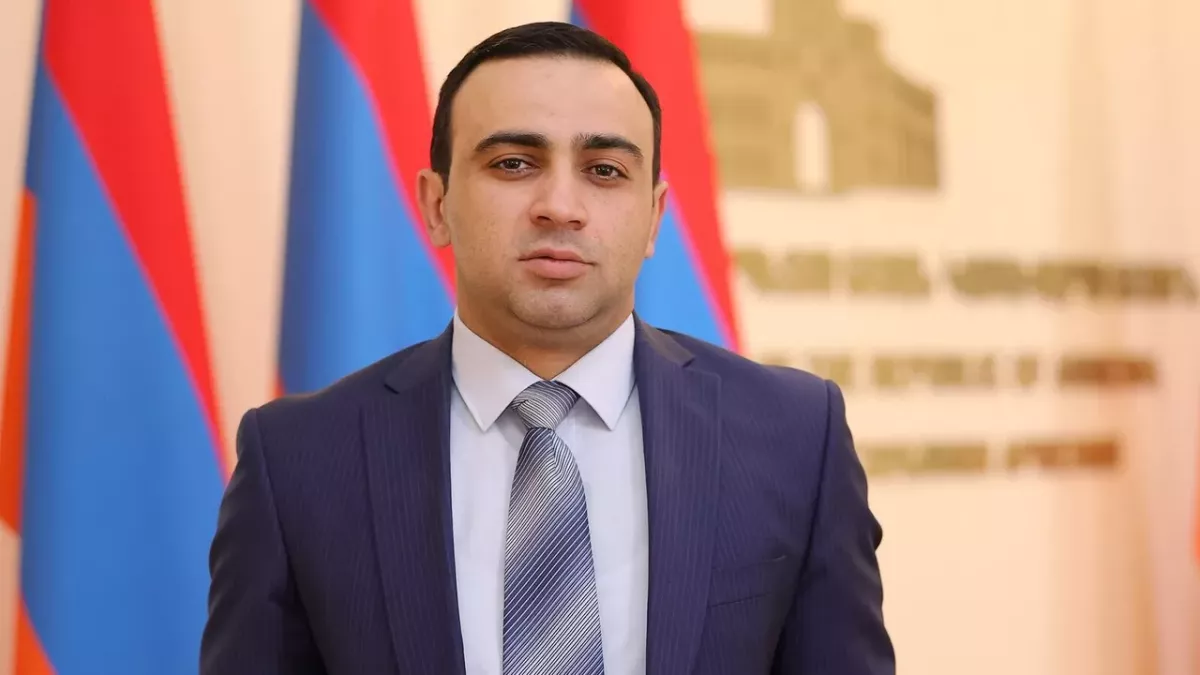
Deputy head of Prime Minister Pashinyan’s staff, Taron Chakhoyan, has been publishing and voicing incendiary statements about various opposition leaders on a daily basis, in a tone resembling hate speech. On Thursday, for example, he referred to Robert Kocharyan with the words: “A cannibal lights a candle and pretends to be pious.” There is no doubt that Kocharyan has a controversial legacy, but instead of insulting him and hurling accusations, he should be brought to trial. However, the current authorities in Yerevan are not willing to take this step, which only fuels tensions.
Not surprisingly, their opponents respond by hinting at readiness for bloodshed. Last weekend in Armenia, a video circulated showing a group of armed men, in front of symbols of Armenian nationalist formations that once seized part of Azerbaijan’s territory, issuing threats against the prime minister. In other words, the peace process on the Armenian side is in the hands of a government that is not particularly stable.
Armenia’s “Field of Miracles”: billions and trillions flowing into the country?
Seeing that Moscow is not taking harsh measures despite its threatening rhetoric, Pashinyan became more confident on Wednesday: “It is illogical to threaten Armenia with price increases. Today, Armenia is becoming a crossroads of peace, which means it will be a country not of thousands or millions, but of billions and trillions. We are no longer a shrunken state and people who agree to everything and obey.”
On Thursday, Nikol continued: “We will not only remain in the EAEU, but will also use our leverage to protect Armenia’s economic interests.”
He added that “nothing threatens the Armenian economy; billions in investments are expected.” Indeed, Pashinyan’s strategic value for Western partners originally lay in his role as a spoiler within the CSTO–EAEU framework and a public provocateur alongside Putin and Lukashenko. And for that, billions can indeed be promised.
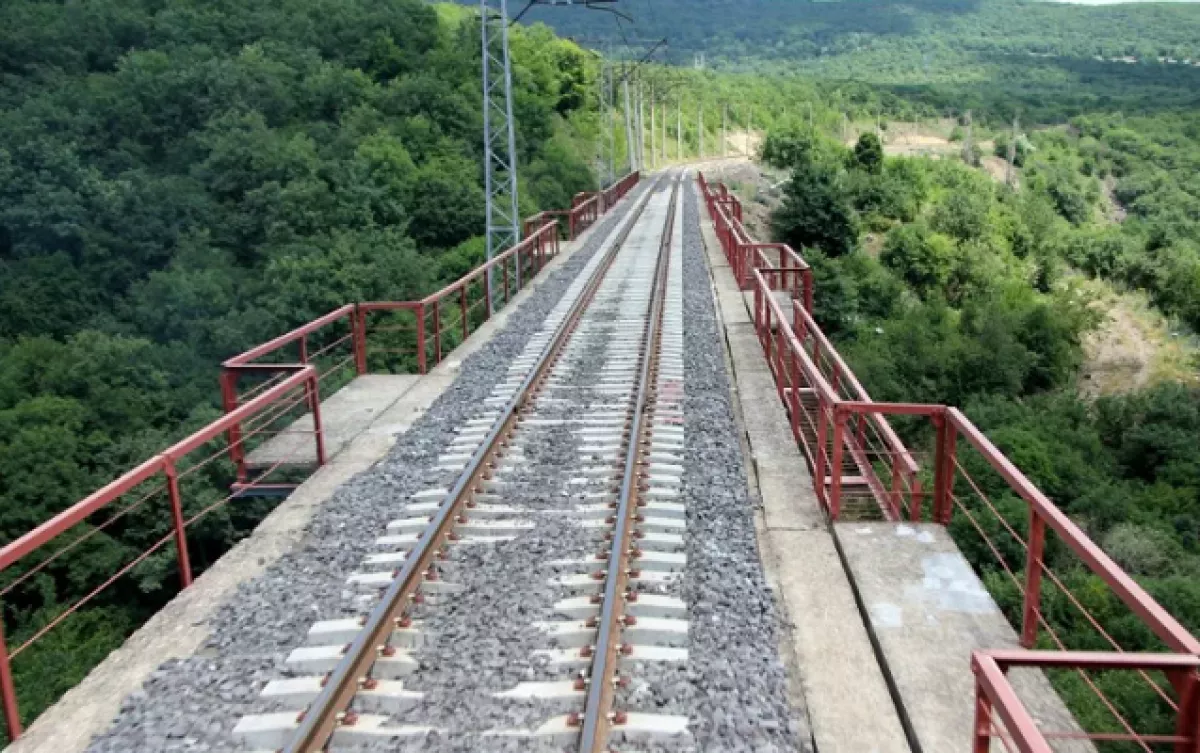
Then he inadvertently revealed some of the real reasons behind his confidence. For these, however, he should thank Türkiye rather than the EU: “I am very glad that the Akhalkalaki–Kars railway is open for exports through Armenia, and in the near future meetings of business delegations will take place to explore potential markets along this railway.”
At the same time, Pashinyan confirmed the intention to take Armenian railways away from Russian Railways (RZD), which had been granted a concession to manage them. This is not being done in order to return them to Armenian ownership — rather, it signals a change of foreign operator in line with Yerevan’s new geopolitical ambitions.
All real shifts toward improving Armenia’s situation and prospects are not connected to the West, nor to the East. They are connected to the slow process of normalisation with its neighbours. However, the deference of some Armenian politicians toward global empires, as well as a certain ideological bias, prevents them from acknowledging that Armenia’s real prospects can only be provided by Baku, Tbilisi, and Ankara — and only then by Western capitals.
On Wednesday, Pashinyan also announced the construction of a transit gas pipeline through Armenian territory, again hinting at Russian discounted gas, stating: “We will no longer rely on a single road, a single ally, or a single pipeline.” According to him, Yerevan also hopes to obtain gas through participation in the TRIPP project. He provided no details, but given the geography of the modern South Caucasus, any serious projects of this kind are only possible with the involvement of Azerbaijan or Türkiye.
Multivector wandering
Pashinyan’s dogmatic commitment to building a new political system in Armenia based on a radically pro-Western course was not concealed from the very first day of his rise to power. At the same time, while demonstrating ideological steadfastness on the one hand, the Armenian prime minister has not shied away from working with everyone on the other. As global conflicts intensified, it became increasingly difficult to navigate between the West, Russia, and Iran. Yet geopolitical omnivorousness persisted.
For example, Pashinyan moved toward the West while receiving ultra-cheap gas from Russia — under two agreements concluded in 2019 and 2022 — and purchasing weapons from opponents of the West. Moreover, as shown in footage from Thursday’s military parade in Yerevan, the Armenian government has in recent years secretly purchased Iran’s AD-08 “Majid” air defence system and the “Kavosh” radar system. Add to this the secret procurement of Chinese equipment — Chinese CH-4B reconnaissance-strike drones were displayed at the parade.
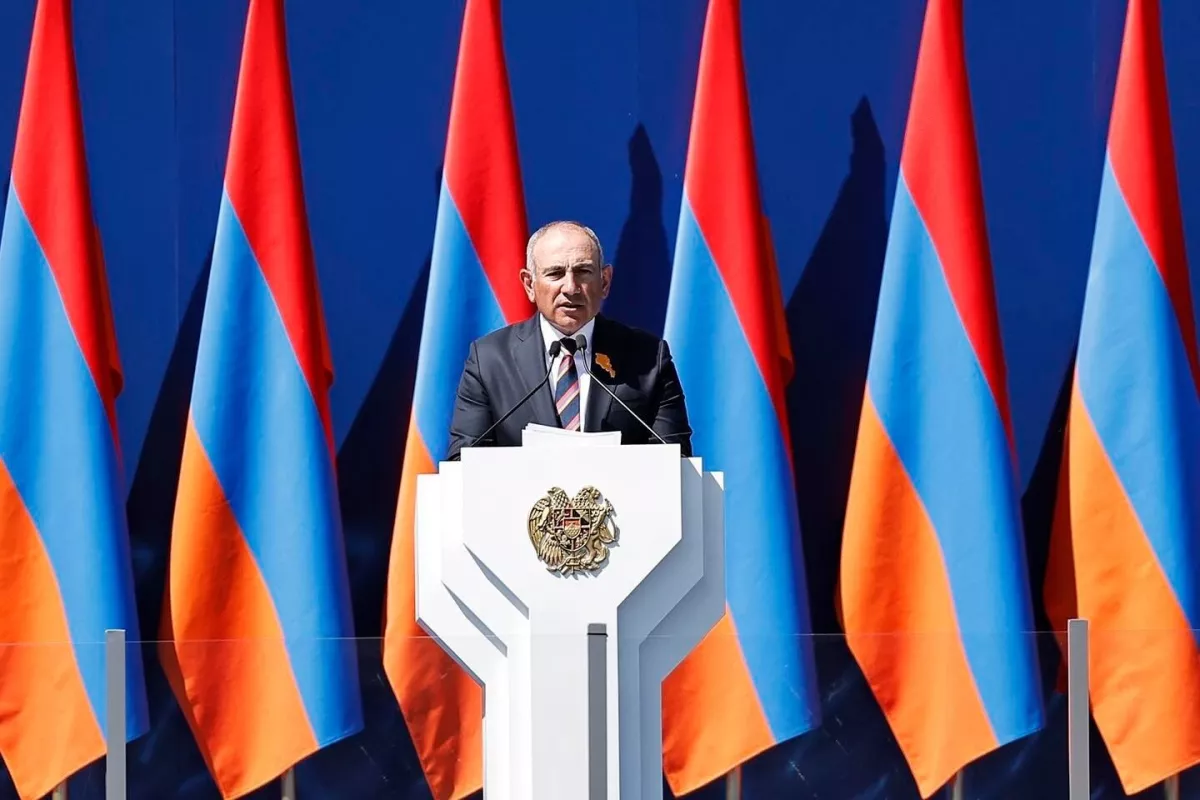
At the parade, Pashinyan recently stated: “There will not be a single issue for which Armenia will not have an alternative. Today’s military parade was a vivid proof of this, as products from seven countries were presented.”
However, as can be seen from the footage from Yerevan, among these seven countries, nearly half are so-called “sworn friends” of the West — such as Iran, China, and Russia — alongside India, whose geopolitical orientation remains ambiguous.
At present, Pashinyan’s international position has become even more precarious. And the issue is not only his confrontation with Russia. More importantly, the West itself has in recent years split into two camps — the United States and the EU with its allies. And now another rift is emerging within Europe itself — between what is described as an anti-Turkish regime under Macron in France and Germany, which cooperates with Türkiye and Azerbaijan.
For Yerevan, divisions within the West are becoming a serious problem, although this issue is still largely avoided in public discourse. It is, however, already visible if one looks closely at how, following the EU’s de facto “indulgence” granted to the Armenian leadership for an overwhelming electoral victory, the United States also made its position known.
On Thursday, Donald Trump expressed his support for Pashinyan in the upcoming elections. Against the backdrop of the US Secretary of State’s visit to Yerevan the day before, it appeared that Pashinyan had achieved an unprecedented consolidation of the West behind him.
But this is not the case. Given the relations between Trump and the Euro-liberal leaders who visited Yerevan for the summit with Pashinyan, there are grounds to interpret this not as support, but rather as a warning from the United States to the Armenian leader. The US and Europe are no longer aligned on any major issue, while Euro-liberal elites daily demonstrate hostility toward Trump and his administration.
In other words, by expressing support for Pashinyan in elections via social media or during Marco Rubio’s visit, the White House was rather reminding him that no matter how many meetings he holds with Euro-liberal opponents of the United States, he will still have to deal with Washington. The relevance of this interpretation is supported by the following circumstances. Rubio signed three documents in Yerevan: (1) a framework agreement on strategic partnership under the TRIPP project (“Trump Route”), (2) a framework agreement on securing supplies of minerals and rare earth resources, and (3) a charter of strategic partnership between the two countries.
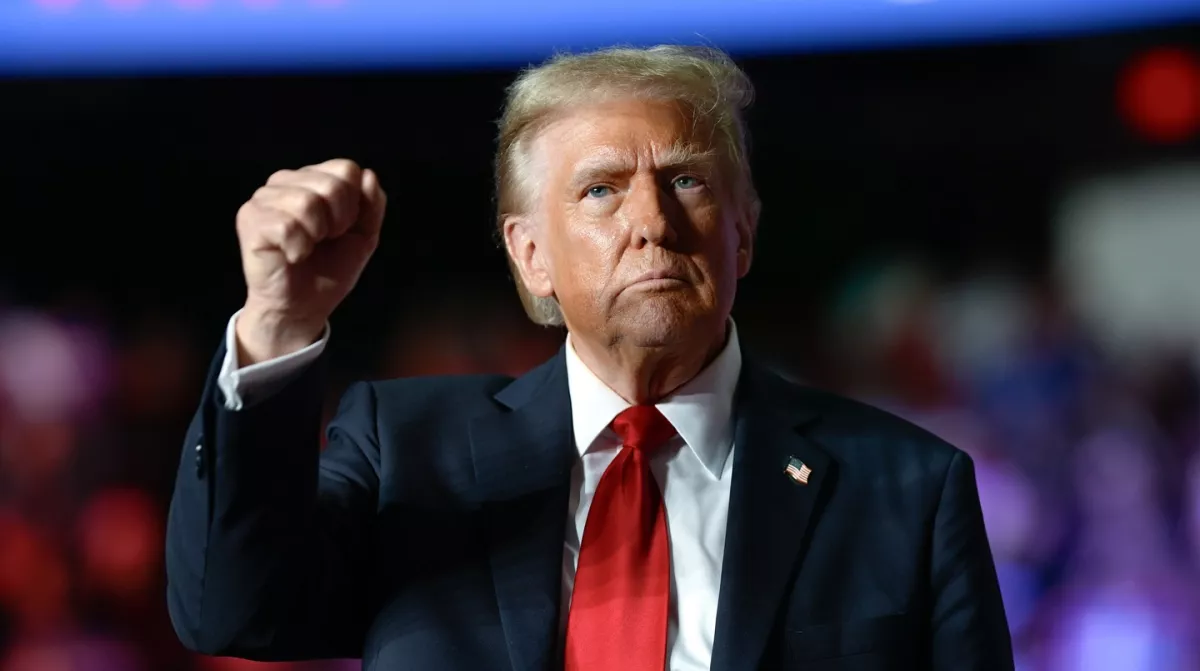
In his post of support for Pashinyan, Trump mentioned only the TRIPP project agreement. The latter is closely tied to Trump and formalises the US role in building transport corridors in southern Armenia, excluding from this area not only Russia — which Pashinyan himself is happy to criticise — but also Iran, which is far more important to Yerevan’s political establishment, not to mention Europe, the highest value of the Armenian leadership.
Trump is aware of these strategic dimensions and later emphasised in his post that the TRIPP project will “transform” the South Caucasus and help US energy companies gain access to Central Asia.
It is fair to agree that this project will help the Americans gain such access. Not because the Armenian side controls it — it does not. Rather, because the TRIPP project would establish the Zangezur corridor, which Azerbaijan needs in order to optimise communications between its regions. This would create a precondition for Baku’s participation in a major joint geopolitical project with the United States, aimed at economically “stitching together” Eurasia, fragmented by global liberal imperialist policies, via the Caspian region.
Trump’s reminder was not accidental. Pashinyan is not only moving closer to Euro-liberal elites, who are advancing their own projects that compete with TRIPP. As Armenian observers note, Yerevan is also delaying the implementation of the relevant agreements with Azerbaijan and the United States.
The TRIPP agreement has not been ratified, and no amendments to legislation have been introduced to register companies participating in TRIPP and to launch construction work. Let alone granting special status to border areas, which would allow for a change of land ownership and the removal of Russian border guards in order to place the territory under American control. The Armenian side is not merely delaying; it is attempting to renegotiate the agreements. After Rubio’s visit, Armenian officials began stating that they had managed to sign a document with him according to which Yerevan retains full control over the TRIPP project areas.
On Wednesday, the Armenian prime minister also spoke about even more interesting aspects. Discussing how transit through the Zangezur corridor under the TRIPP project would allow Yerevan to generate greater revenue, he first outlined plans to build gas pipelines, oil pipelines, power transmission lines, and internet cables across Armenia. He then unexpectedly assured that, within the framework of the project, Armenia would also establish railway connections with Iran and integrate routes in all four directions of the world. According to him, “we will also obtain railway communication between the Persian Gulf and the Black Sea for export and import.”
In other words, this reflects persistent attempts to reshape the agreements — first agreeing to one framework and then introducing amendments that alter its essence and threaten to undermine it. The inclusion of such an element in a project already agreed with Trump, at this stage of US–Iran confrontation, points precisely to such intentions.
In sum, the process of normalisation in the South Caucasus and the restoration of its historical connectivity may be affected by the rivalry of external actors. In addition, the Armenian leadership often prioritises engagement with global powers and blocs over cooperation with its immediate neighbours. This places a responsibility on the other states of the region, primarily Azerbaijan, to respond in time to emerging risks linked to such a course. The peace process requires leadership from Baku.







 editor@caliber.az
 +994 55 444-88-98
 Азербайджан, Баку, ул. Низами, 203, Af Business House, 5-й этаж