










Pashinyan’s non-existent achievement The trap that Baku closed
There is a particular kind of political recognition in which a defeated leader appears before the public and declares that his defeat was the best thing he has ever done. Nikol Pashinyan performed something of this sort in Gegharkunik, speaking to voters just days before the elections. He described abandoning Karabakh as his main achievement, and the entire previous thirty-year period as a trap from which he managed to escape and lead the country out.
The slogan “Artsakh is Armenia, period,” which he proclaimed in August 2019, is now presented as a temptation—an idea that Armenians were fed for many years.
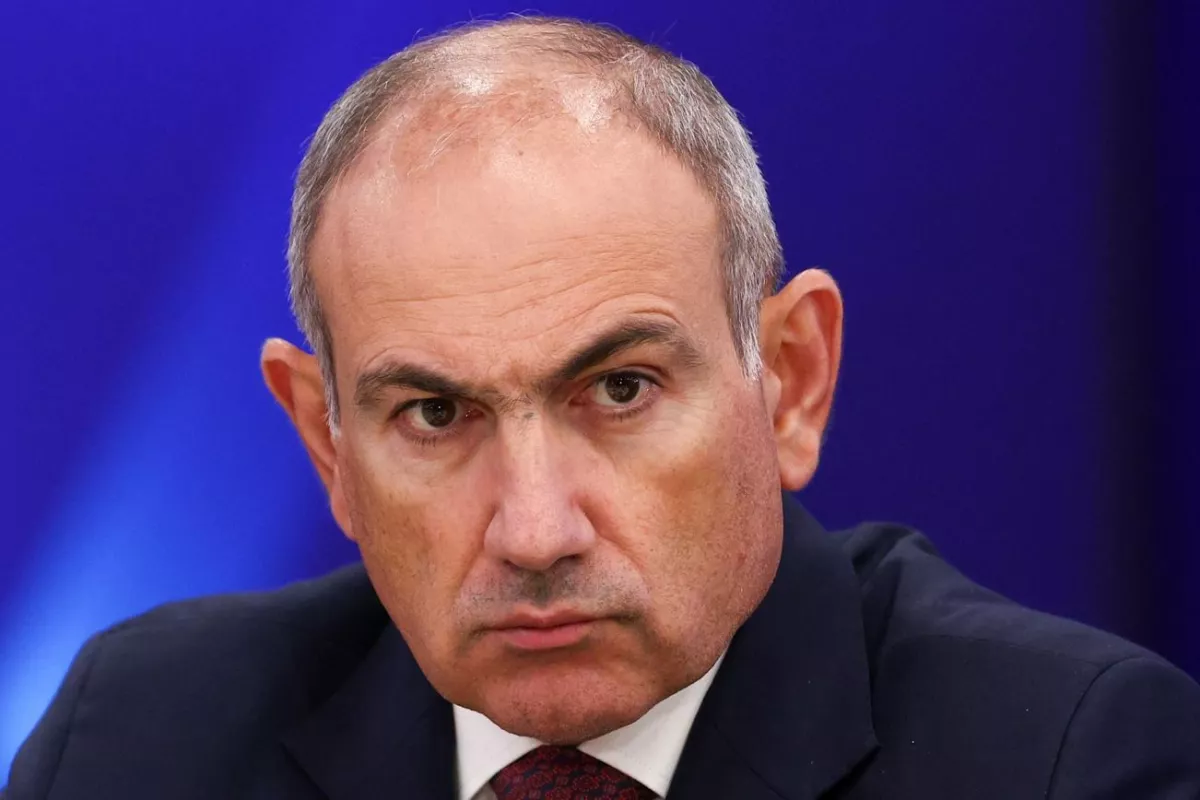
Pashinyan speaks as if the exit from the trap was entirely his own decision — the choice of a sober statesman who overcame the inertia of myth and redirected the nation toward peace, as if he himself, after careful reflection, concluded that there was no point in holding on to Karabakh, and thereby saved the Armenians.
One crucial detail is missing — a detail that changes everything. Armenia did not renounce Karabakh. It suffered a crushing defeat. Between these two words lies a vast chasm that separates political choice from military defeat, and it is precisely this gap that the Armenian prime minister is carefully erasing, presenting capitulation as an act of goodwill.
One only needs to recall how things actually unfolded. For 30 years, Yerevan was not “exiting” anything. It sat quite comfortably in this so-called trap and would have continued to do so if circumstances had allowed it. The occupation of 20 per cent of Azerbaijani territory was not a trap for Armenia, but a kind of accidental prize that it intended to hold on to indefinitely: negotiations were dragged out for decades precisely so that nothing would change, so that the appearance of a process would replace its substance.
Armenia was not looking for an exit — it was looking for a way to make it permanent.
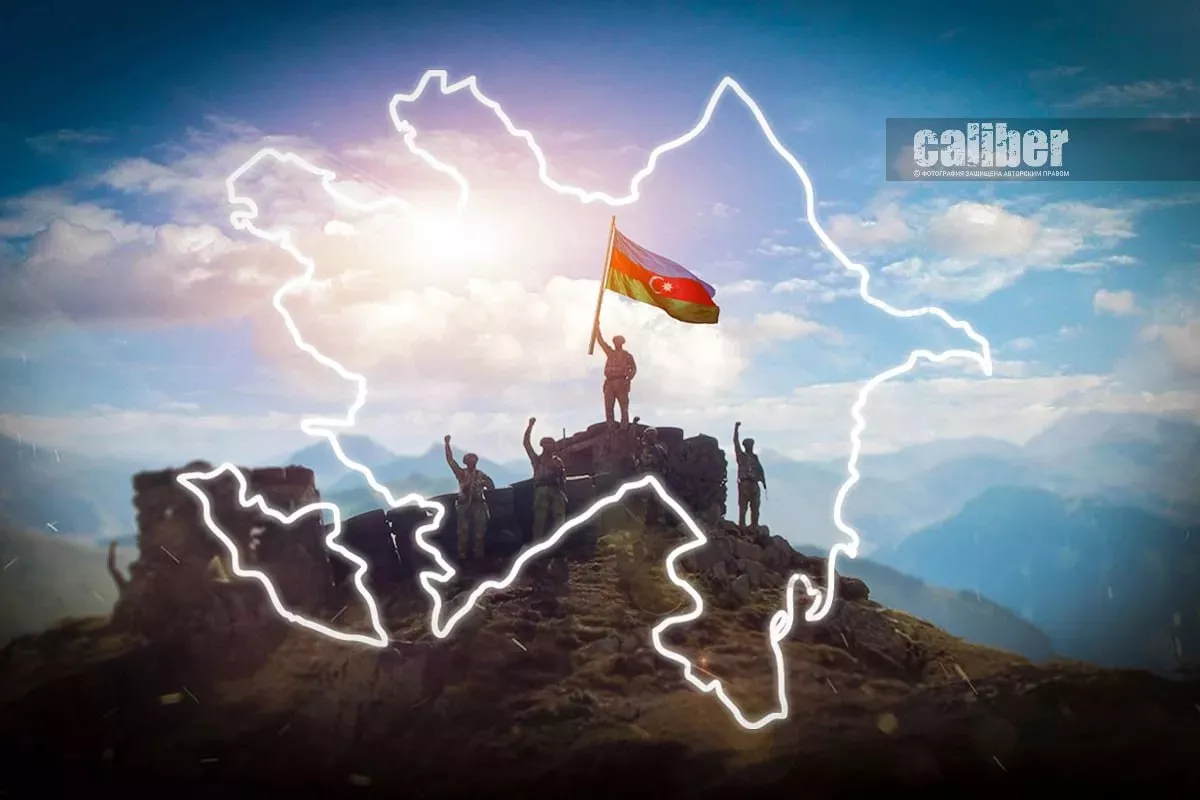
In the autumn of 2020, the 44-day war overturned the logic within which Armenian leaders had operated for decades. The Azerbaijani Army, under the leadership of the Supreme Commander-in-Chief, President Ilham Aliyev, reclaimed what in Armenia had been considered irreversible for more than a quarter of a century.
Aghdam, Fuzuli, Jabrayil, Zangilan, and Gubadli — districts long regarded in Yerevan as a “security belt” — returned to their rightful owners within weeks. The liberation of Shusha marked a point of no return for the Armenian side. What Pashinyan would later describe as a “wise renunciation” was, in November 2020, a capitulation.
This is where the real dividing line lies — one that is carefully avoided in Yerevan. Armenia was not led to peace by enlightenment; it was compelled into it. The situation in which the Armenian leadership had no option but to formalise the abandonment of its claims did not arise from Pashinyan’s moment of insight, but from the pressure that Baku had been building for years and which became irreversible after 2020.
The Prague meeting in the autumn of 2022, where Pashinyan first openly recognised Azerbaijan’s territorial integrity within 86,600 square kilometres — including Karabakh — was not a free choice. It was the formal acknowledgement of a new reality in which Armenia no longer had any cards left to play.
In one respect, the Armenian prime minister is right, although he arrives at this conclusion belatedly and by a path he does not acknowledge. The occupation of Karabakh did indeed lead Armenia into a dead end — demographic, economic, and military.
A country of fewer than three million people, squeezed between Türkiye and Azerbaijan, without access to the sea and excluded from regional economic projects, could not indefinitely sustain an occupation. In this sense, abandoning the so-called “Karabakh project” did become a condition for the survival of Armenian statehood. But this condition was not imposed by Yerevan’s own strategic foresight — it was imposed by force, which stripped it of the ability to choose. Pashinyan presents as free will what was, in fact, a verdict.
The difference here is not abstract. It determines to whom Armenia owes the possibility of passing on to its children a future of peace, rather than the bleeding wound the Armenian prime minister so poignantly describes. And Armenia owes this above all to Azerbaijani military power and Azerbaijani diplomacy. It was they who dismantled the trap in which Yerevan had sat for thirty years, mistaking it for a fortress.
The gratitude that Pashinyan attributes to his own foresight, in fairness, belongs to Baku — without the liberation of the occupied territories, there would have been no exit at all, because there would have been no need to exit in the first place.







 editor@caliber.az
 +994 55 444-88-98
 Азербайджан, Баку, ул. Низами, 203, Af Business House, 5-й этаж