










The West’s sanctions boomerang From pressure tool to global backfire
Since the end of the Cold War, the United States and its allies have increasingly viewed economic sanctions as one of the key instruments of geoeconomic and geopolitical influence in global affairs. Over time, sanctions have become a cheaper and more politically acceptable alternative to direct military intervention, as well as a mechanism for punishing states that challenge the world order shaped and led by Washington.
Owing to their dominance in the global financial system—through the US dollar, the International Monetary Fund (IMF), and the international network of financial transactions—the West has, for decades, been able to place its opponents under significant economic pressure and effectively push them toward varying degrees of isolation.
However, the changes that have taken place in the world over the past two decades have brought a fundamental dilemma into sharper focus: “Will economic sanctions transform from a tool for preserving Western hegemony into a weapon that accelerates its decline and the emergence of a multipolar world?” To answer this question, it is necessary to briefly review the history of the collective West’s sanctions policy.
Over recent decades, sanctions have been imposed on many countries and have included the freezing of assets, trade restrictions, the blocking of bank transfers, and limitations on access to technology and energy resources. In essence, they were designed to trigger crises aimed at weakening political regimes or pushing them to alter their foreign policy orientation.
However, as can be observed today, the excessive use of financial restrictions has produced the opposite effect: states targeted by sanctions have begun to develop new economic and financial mechanisms of resistance, which have gradually started to undermine Western dominance in the global financial system.
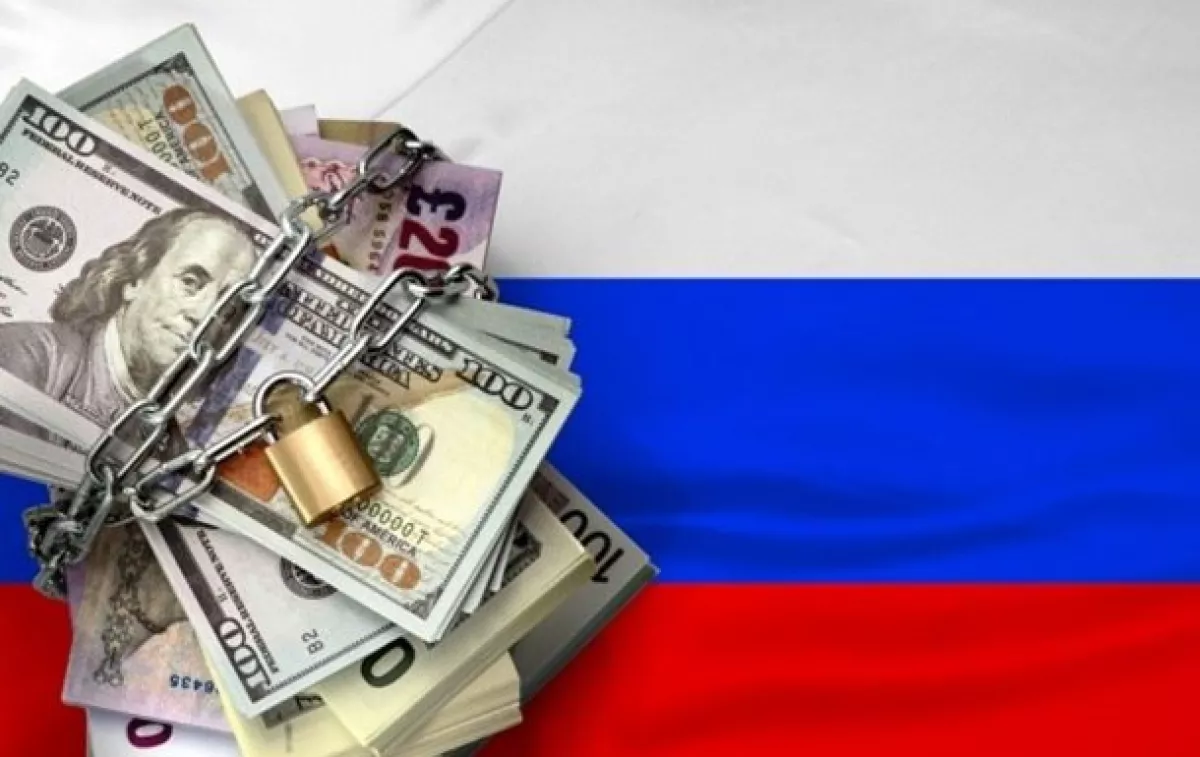
For example, between 2022 and 2026, the United States and the European Union imposed sanctions on Russian banks, Central Bank reserves, energy exports, technology, and individuals close to the Russian government. The stated aim was the full economic isolation of Russia; however, the outcomes fell far short of expectations. Despite significant economic pressure, Moscow managed to redirect its trade toward Asian countries, particularly China and India, as well as to replace the US dollar and the euro in international financial transactions with the currencies of partner states.
In addition, so-called reputational costs also emerged. The freezing of Russian assets raised concerns among many countries, prompting them to question whether their reserves held in dollars and Western assets would truly remain secure in the event of disagreements with Washington and Brussels.
Another example is Iran—a country that has faced some of the most extensive economic sanctions since the Islamic Revolution of 1979. The United States and the West have imposed broad financial and trade restrictions targeting its oil sector, banking system, and foreign investment, aiming to force Tehran to change its regional and nuclear policies. These measures, on the one hand, triggered a severe economic crisis in the country, but on the other hand, encouraged the authorities to develop a model known as the “resistance economy,” based on reducing dependence on the West and increasing domestic production.
Moreover, the Islamic Republic moved toward establishing strategic partnerships with China and Russia, signing long-term agreements in the fields of energy, infrastructure, and trade. Iran became part of regional economic projects linked to Asian logistics and energy corridors. Notably, rapprochement between Moscow and Tehran had previously been highly uneven and cautious, and it was Western policy that ultimately pushed the two countries closer together.
As for China, although it is not currently under sanctions comparable to that faced by its partners, Chinese authorities do not exclude such a scenario from their strategic outlook and have been actively working in recent years to build an economic and financial architecture that reduces dependence on the West. These efforts include the development of China’s payment systems, the promotion of the yuan’s use in international trade, and the creation of new financial institutions such as the Asian Infrastructure Investment Bank. China has also leveraged the Belt and Road Initiative to strengthen its economic role and connect dozens of countries through trade and financial networks outside the traditional framework of Western dominance.
Additionally, China has become the number one trading partner for many countries in Asia, Africa, and Latin America, opening up prospects for the formation of a more diversified global economic system. With each new round of Western sanctions imposed on other states, Beijing’s conviction grows stronger that the current global financial system is no longer neutral—it has become a geopolitical instrument.
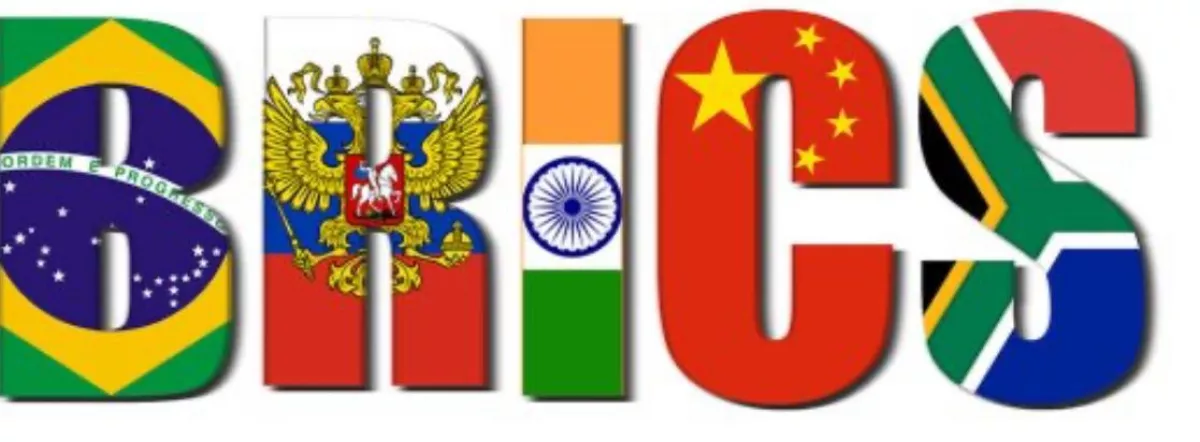
The intensification of Western sanctions has also accelerated coordination among BRICS countries, which include “emerging” great powers that aim to build a more independent global economic system less reliant on the West, based on multipolar currency arrangements and reduced dependence on the US dollar.
Member states of the grouping have begun expanding the use of local currencies in trade exchanges, creating their own payment mechanisms, and developing investment and financial institutions outside traditional Western-led frameworks such as the IMF and the World Bank. Alternative payment systems to the Western-controlled SWIFT network have also emerged, such as China’s CIPS, and with their growing use, Western financial dominance is, for the first time in decades, facing real competition.
This does not, of course, mean that the dollar or the euro will suddenly lose their global status, but it does indicate the beginning of a gradual transition toward a more multipolar financial system, in which economic power is not monopolised by a single actor but distributed among several international centres.
Thus, it can be argued that economic sanctions, which for decades symbolised Western power, are increasingly becoming a factor accelerating the restructuring of the international system and undermining the foundations of hegemony upon which Western globalisation has rested since the end of the Cold War.







 editor@caliber.az
 +994 55 444-88-98
 Азербайджан, Баку, ул. Низами, 203, Af Business House, 5-й этаж