










Armenia’s “war party” vs reality A political rift in Yerevan
As is known, Armenian Prime Minister Nikol Pashinyan is actively engaged in the election campaign of the Civil Contract party, travelling across the country and meeting with residents. And it is here that the apologists of Armenian revanchism periodically take the stage.

Thus, within the narrow circles of Armenian media that have long been under the control of the so-called “war party,” an emotional clash between Pashinyan and a certain female citizen in Yerevan’s Arabkir district is being widely covered. In our view, this episode serves as a kind of marker of the deeper processes taking place in Armenian society in the aftermath of recent events.
In this instance, a highly aggressive woman claimed, to put it mildly, that her “homeland has been stolen,” apparently falling into a state not only of absolute rage but also complete amnesia, as she seemed to forget that what she calls her “homeland” includes the historically Azerbaijani lands that were under Armenian occupation. It goes without saying that she also overlooked the fact that the so-called “NKR,” which has now faded into oblivion, was never recognised by the international community, including Armenia itself, as a political entity.
In addition, the angry citizen also accused the current Armenian authorities of “destroying the state,” a claim that is entirely incomprehensible to any rational observer, since it is an obvious fact that Armenia has not been destroyed, no wars have been fought on its territory, and its sovereignty has not been physically violated.
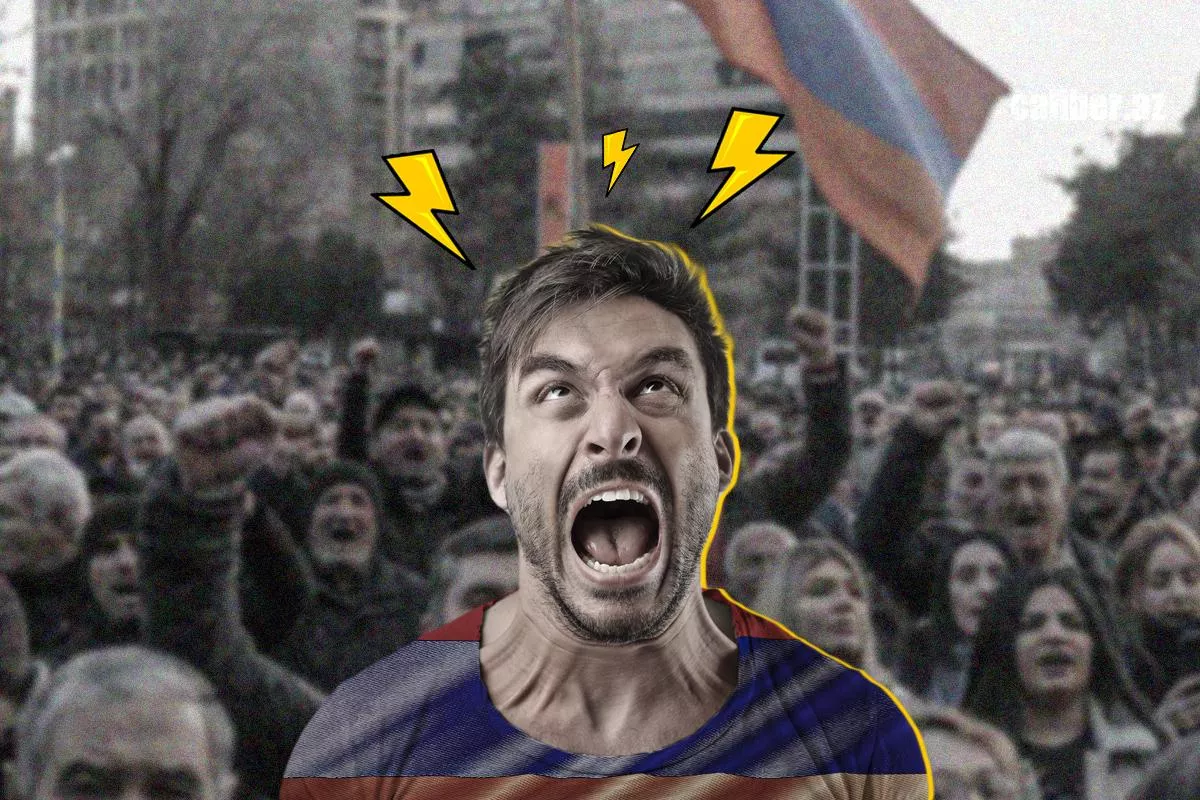
This is a given reality, though not for revanchists and myth-makers who continue to operate within the confines of their own illusions. It is worth noting here that, according to Armenian media reports, the woman in question is the sister of Hrant Papikyan, who was sent to war against Azerbaijan, served in Hadrut, and has been considered “missing in action” since 2020. It should be noted that this individual would not have met such an uncertain fate had he not joined the armed forces of a country that at the time was occupying 20% of Azerbaijan’s internationally recognised sovereign territories.
In this context, it is also worth emphasising that it is precisely this message that Nikol Pashinyan has been trying for a long time to convey to a certain segment of Armenian society, including through meetings with citizens across the country. He calls for remembering that there is a state border between Azerbaijan and Armenia, explicitly warns about the danger of inciting a new war, and repeatedly reminds that “those who wear masks and speak with a Karabakh accent are fugitives. They fled the war at Ferrari speed and abandoned our children.”
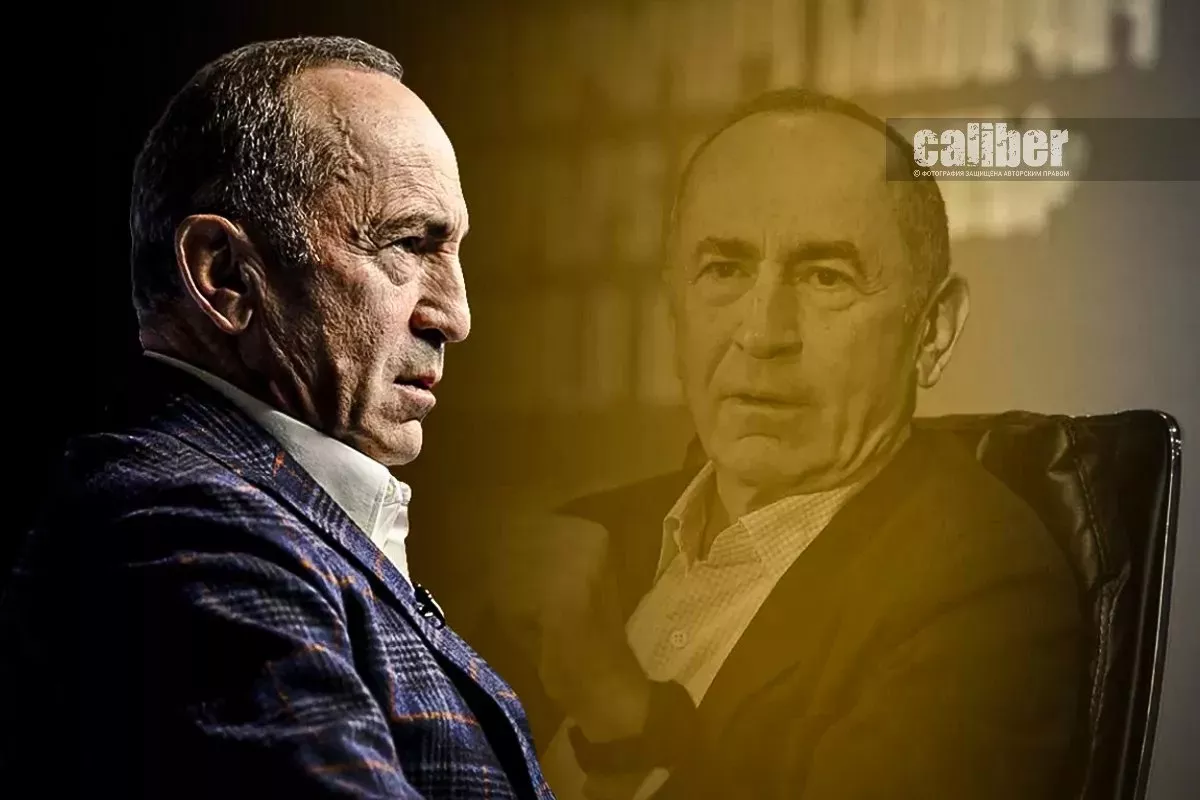
And in his words lies that very inexorable truth. The former leaders of the Karabakh junta, including the second and third presidents, Robert Kocharyan and Serzh Sargsyan, became fabulously wealthy over the years of the Armenian-Azerbaijani confrontation, plundering both Armenia and the Azerbaijani territories that were at that time under occupation. However, they did not dare to take up arms during the 44-day war and preferred to watch from afar as the myth of the Armenian army’s “invincibility” collapsed.
Today, these servants of “miatsum” once again dream of returning to power, especially Robert Kocharyan, while relying on women like the aforementioned agitated citizen, who—whether out of ignorance or for other reasons—continue to live in a world of revanchist fantasies and stage crude provocations during the election campaign.
At the same time, the roots of the internal contradictions present in the neighbouring country are reduced to a long-standing and deep-seated conflict between the Karabakh Armenians and the inhabitants of Armenia, which emerged already in the 1990s and has remained relevant throughout the entire subsequent period.
The victory of Azerbaijan in the Second Karabakh War in the autumn of 2020 and the successful one-day counter-terrorism operation in September 2023 led to even deeper divisions within Armenian society: some accuse the current Armenian authorities of “betrayal,” while others blame the defeat on the former elites and the system itself. At the same time, a significant part of the population in Armenia perceives Karabakh Armenians as carriers of old conflicts and longstanding problems.
This internal confrontation largely defines the current tensions in Armenian society, and against this backdrop, the electoral struggle has acquired particular intensity. Advocates of revanchism appeal to emotions, memories of the past, and a sense of loss; supporters of a pragmatic course point to the need to recognise reality and prevent new wars. The episode in Arabkir demonstrated how deeply society is divided between these two poles.
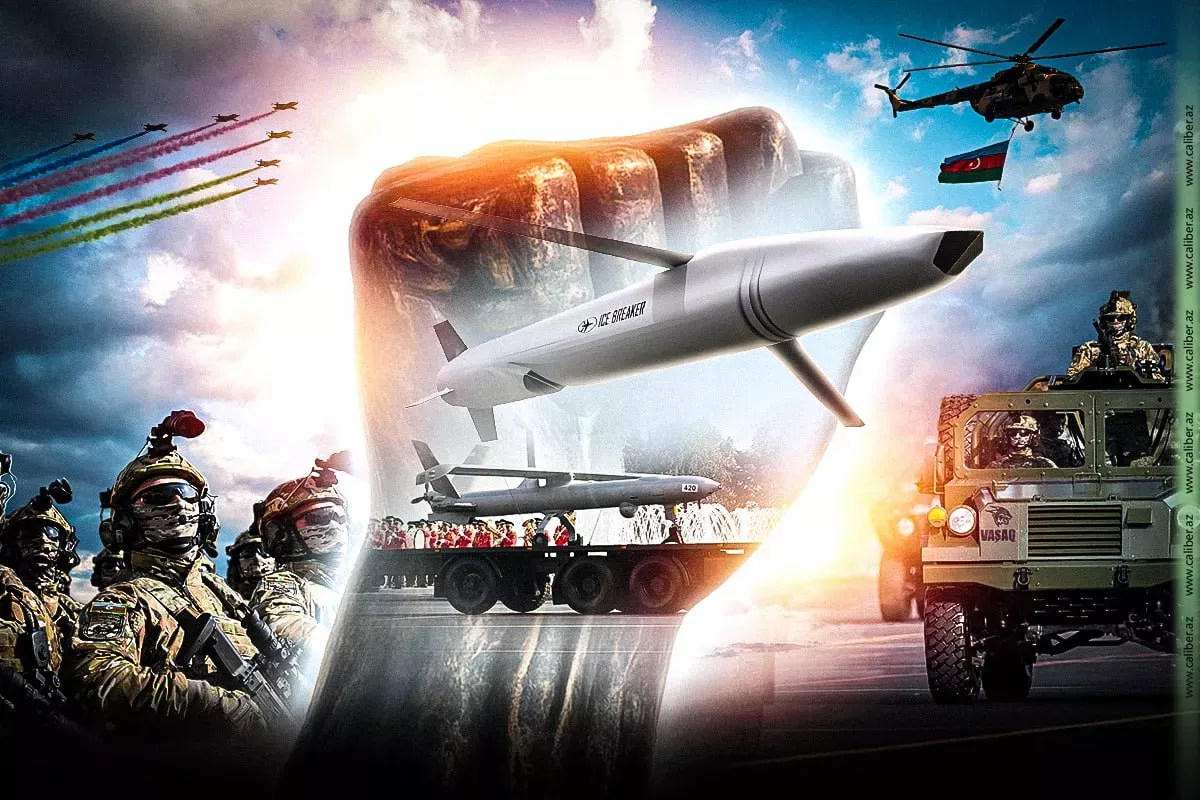
Azerbaijan, for its part, is observing developments in Armenia and remains prepared for any scenario: if supporters of peace prevail, the country will continue moving in that direction; if the “war party” gains the upper hand, it will be reminded that the “Iron Fist” has only grown stronger over time.







 editor@caliber.az
 +994 55 444-88-98
 Азербайджан, Баку, ул. Низами, 203, Af Business House, 5-й этаж