










“Shadow of the Cross” AnewZ’s investigation into the Red Cross legacy
The investigative film “Shadow of the Cross” (AnewZ television channel) is deeply shocking to any rational viewer from the very first minutes. Right from the start, we are shown footage in which the concentration camp “Theresienstadt” is presented as a “Jewish settlement area”: a well-maintained ghetto, tidy streets, calm faces, an orchestra playing. This façade was prepared for one specific viewer — the official ICRC delegate Maurice Rossel (1917–2008), who visited the camp on June 23, 1944. The Nazis needed not just lies and propaganda — they needed a witness.
As the film puts it, Rossel’s report became evidence in favour of the wrong side. The Red Cross itself, of course, did not construct the set, but it turned the performance into testimony for the outside world. From this framing, the narrative begins, raising to the forefront a question to which the ICRC has never found a clear answer throughout the 20th century and part of the present one: “What happens when neutrality becomes silence?”
The institution whose name appears above these images was founded in 1863 by Henry Dunant after the Battle of Solferino with one promise: even war must have limits; the wounded must be treated, and prisoners must not be abandoned. The Second World War became the first true large-scale test of that promise, and that test also concerned Soviet prisoners of war. More than five million of them passed through Nazi captivity — more than three million never returned. They were claimed by hunger, forced labour, disease, executions, and indifference. The ICRC had information about what was happening and had access, yet the alarm the moment demanded was never sounded. Later, the organisation itself would acknowledge its helplessness and ineffectiveness during the Second World War — during the mass extermination of prisoners of war, Jews, and other peoples — as one of the gravest failures in its own history.
From this tragedy of all humanity, the film’s narrative gradually moves into the modern era, where the focus shifts to the South Caucasus. During the First Karabakh War, around four thousand Azerbaijanis were taken prisoner, held hostage, or went missing. In the film, these names are not faceless statistics.
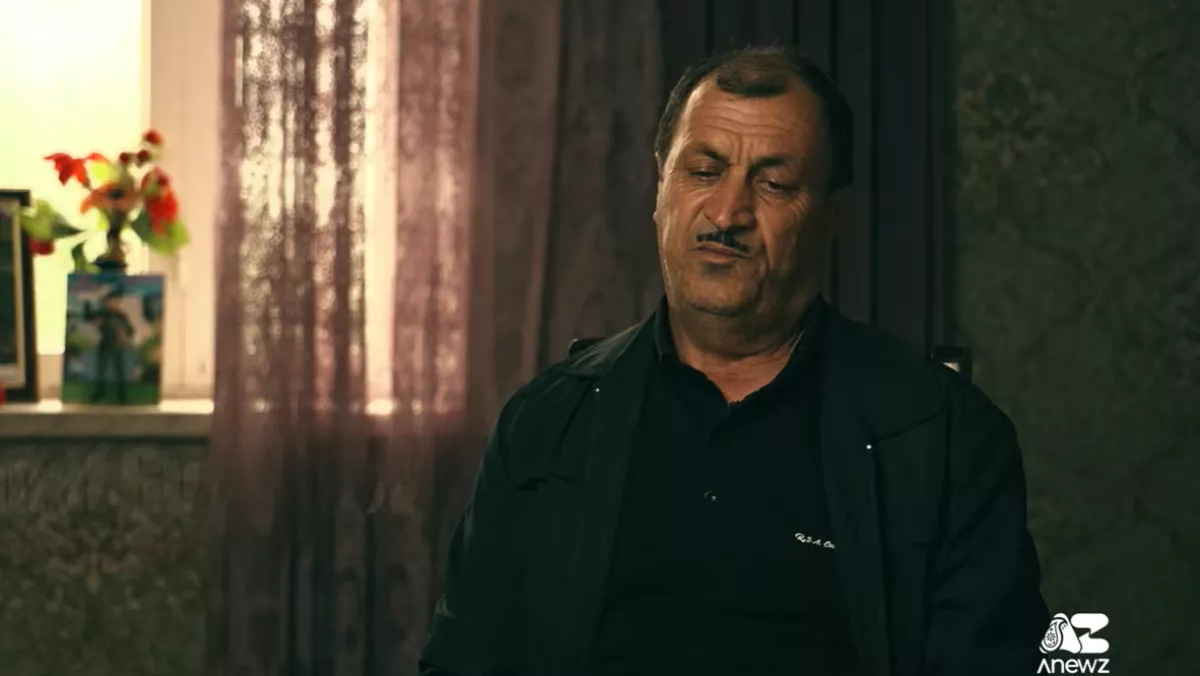
Ayanat Gurbanov speaks about his brother Ilgar, who was wounded and taken prisoner together with ten fellow villagers from their district.
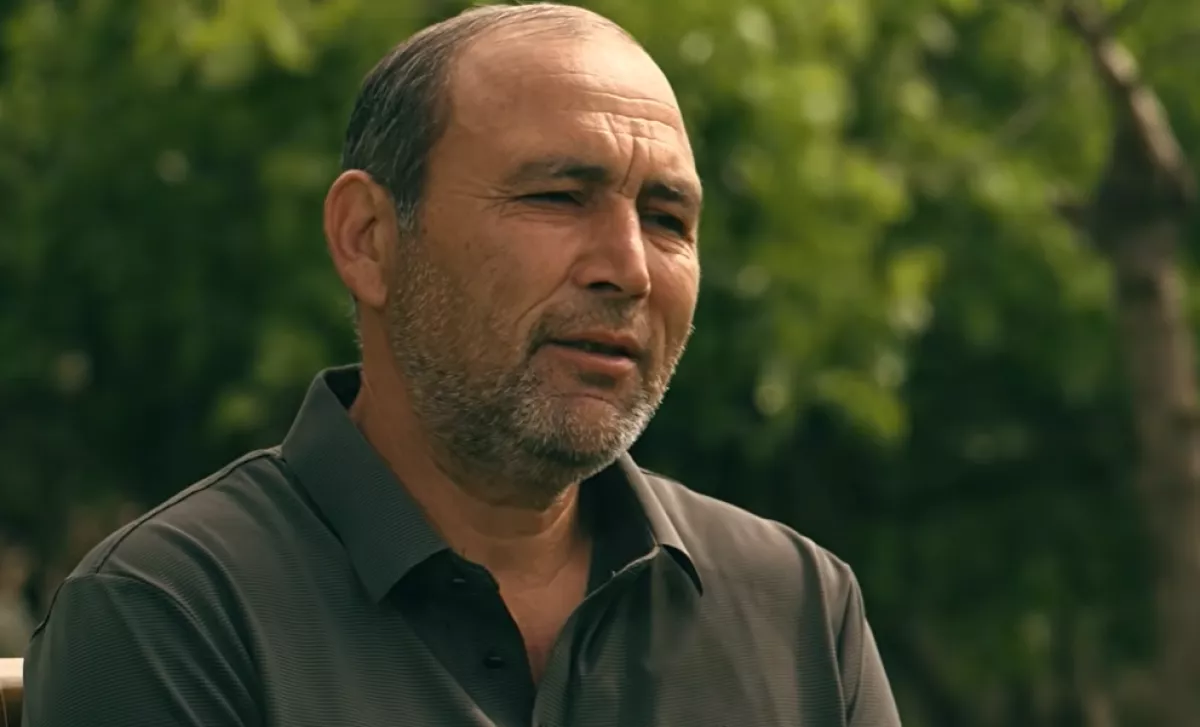
Aydin Hajiyev, who was subjected to torture, recalls regaining consciousness under kicks from his captors.
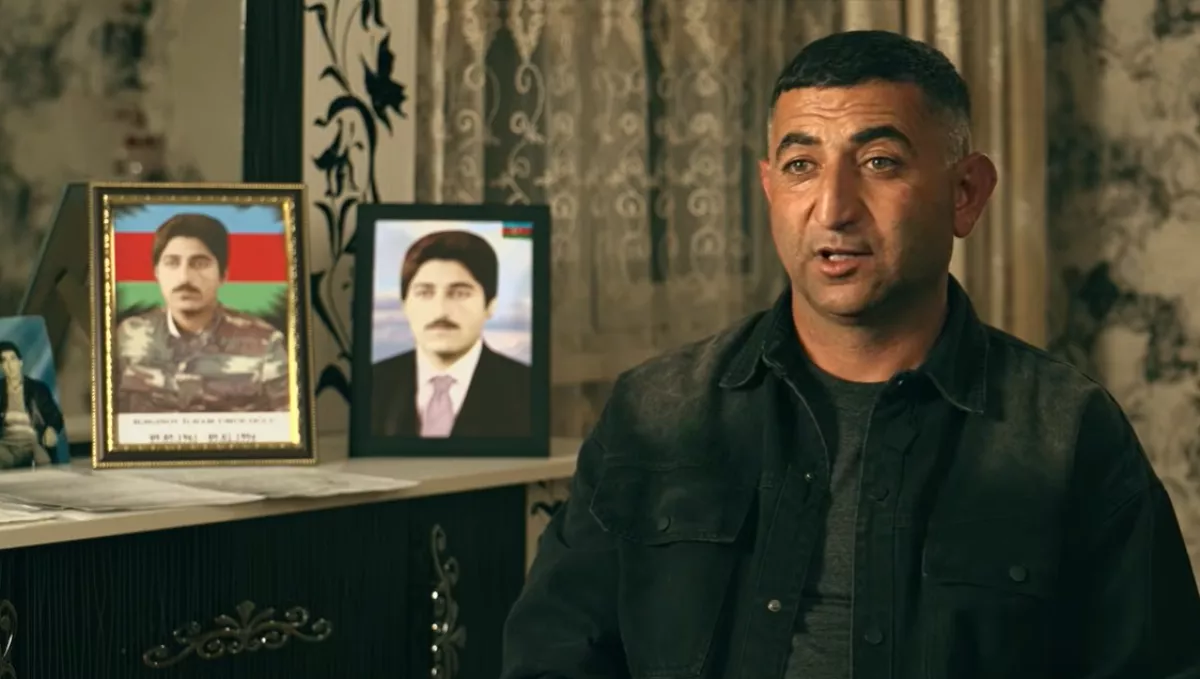
Khayyam Hasanov, the son of a prisoner of war, puts into words what is perhaps the hardest thing to say aloud: the family knew that something had happened to his father, or that something was being done to him, because people who came back said he was being subjected to brutal torture.
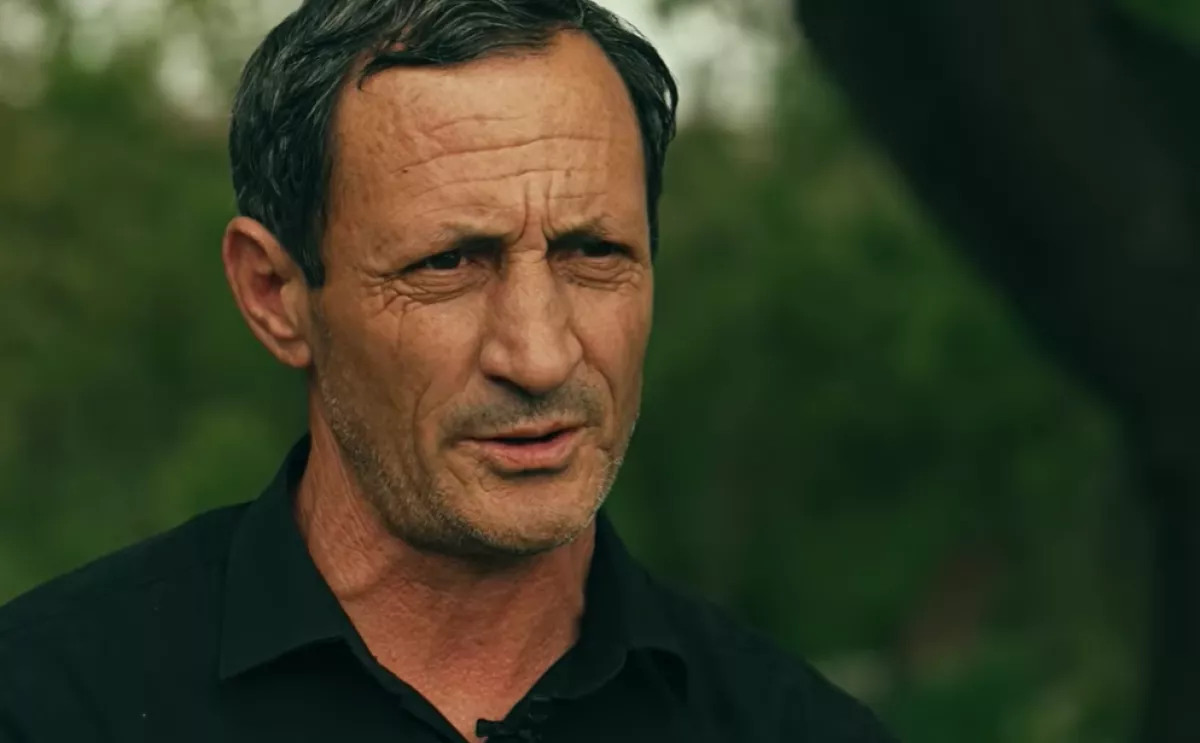
Madat Gurbanov recounts how his brother was left without assistance — despite being wounded, no one treated him.
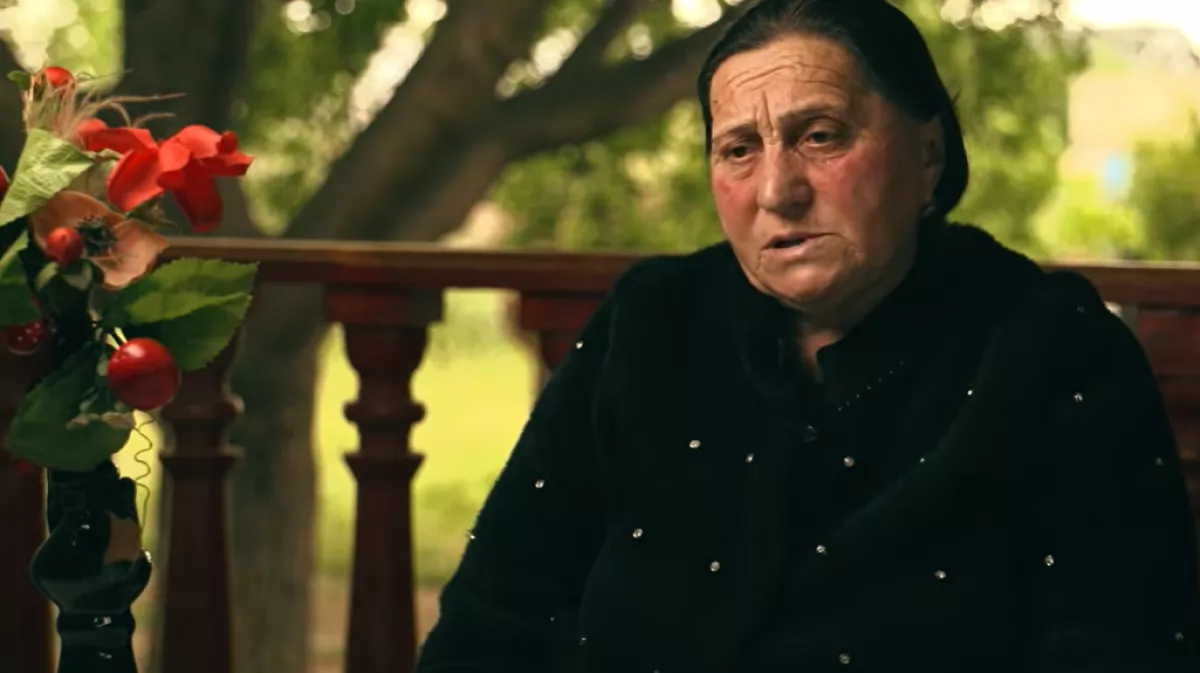
Nurida Gurbanova, the sister-in-law of another prisoner of war, repeats the phrase that runs through the film like a refrain: no one came, no one said anything, no one from the Red Cross showed any concern.
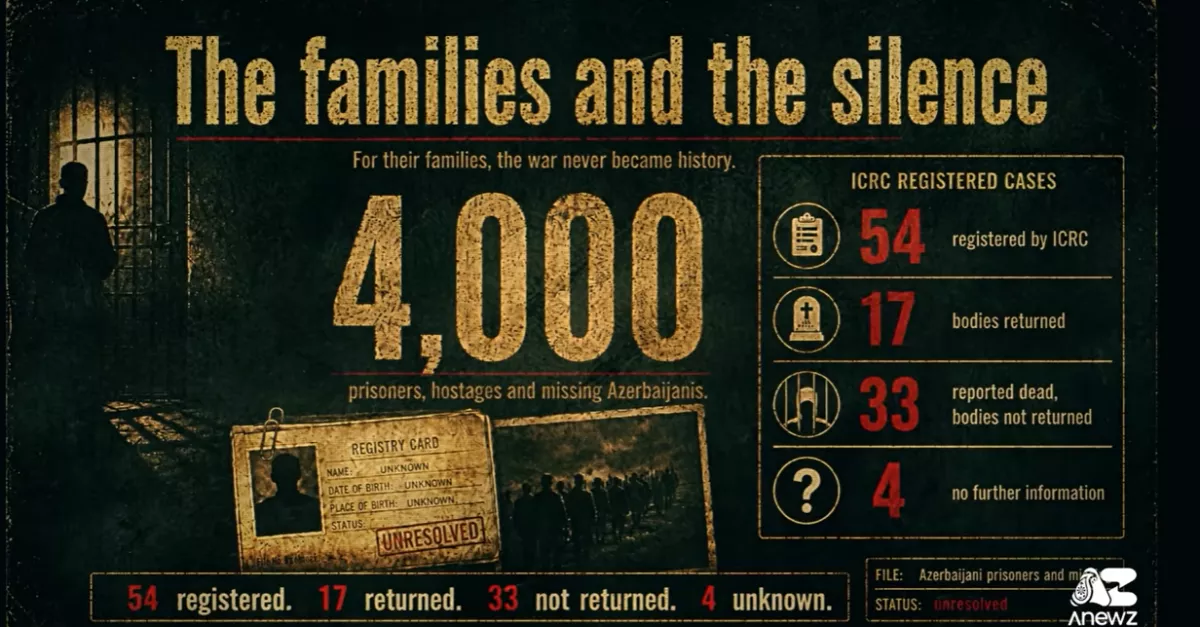
The figures follow the faces, and together they make the meaning even starker. The ICRC officially registered and visited 54 Azerbaijani citizens held in Armenia and in the Azerbaijani territories that were under occupation at the time. Of them, seventeen bodies were returned. Thirty-three people were declared to have died in captivity, yet their remains were never handed over. In four cases, the families received no further information at all. Behind these dry words lie graves that do not exist — and mothers who continue to wait.
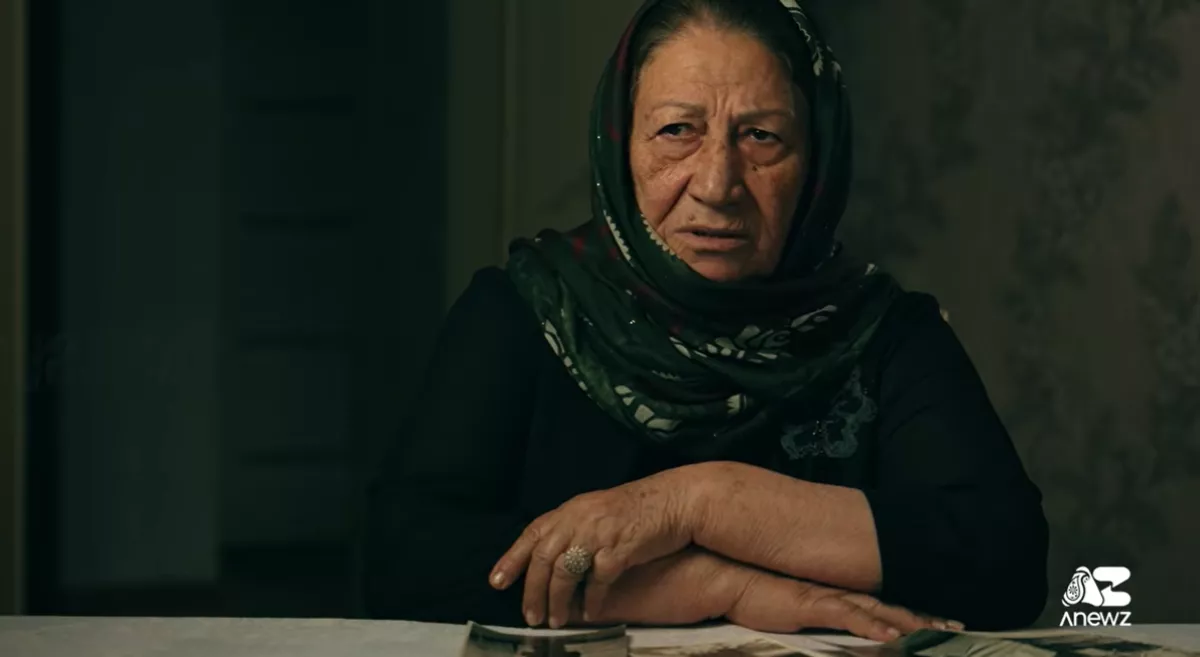
Sayad Aliyeva, the mother of a prisoner of war, repeats only one thing on camera: they did not know where he had been taken. In that single phrase lies the very core of the accusation against an institution whose professional function is to know.
The emotional centre of the Azerbaijani section is formed by the testimonies of Zahid Hasanov and Habib Kazimov, both former prisoners.
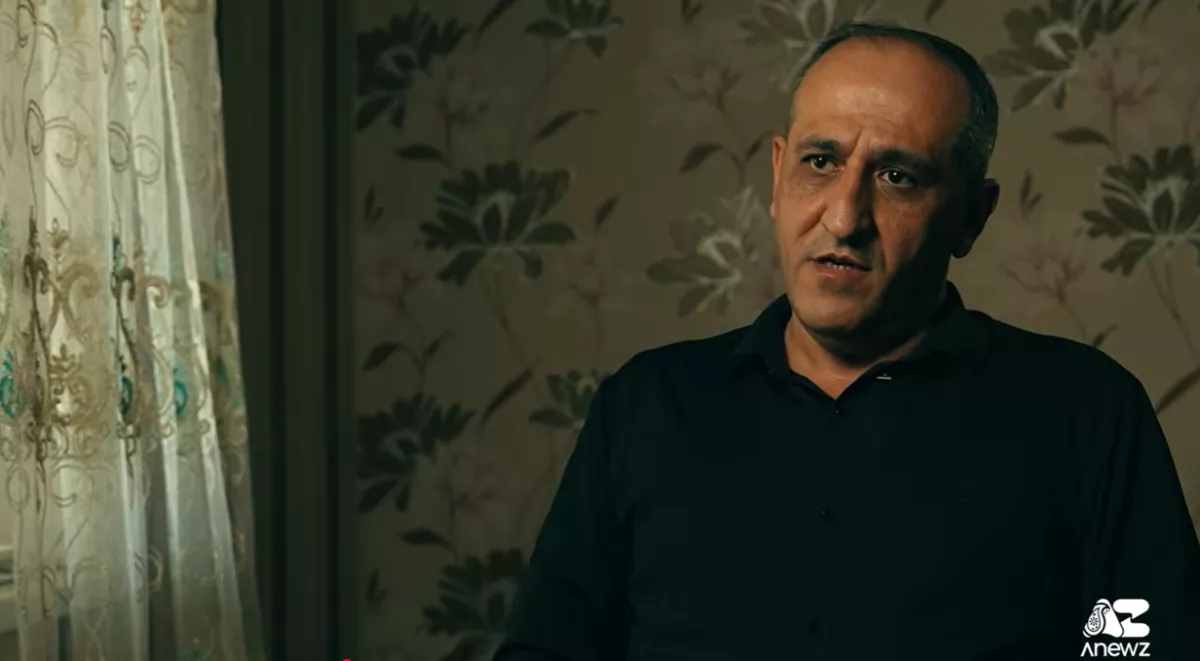
They name the ICRC delegate they remember as “Marc” and his assistant, Veronica. According to them, Mark would arrive drunk, see the bruises, scars, and marks of torture on their faces — and smile. When the Moscow television programme Vesti came to film the prisoners and demanded that they speak against their own state, Zahid Hasanov refused. An Armenian journalist standing nearby struck him with a newspaper concealing a piece of metal inside, splitting his forehead open. The scar remained. Mark and Veronica, Hasanov says, were standing in the corridor. They saw everything. They did nothing.
Kazimov adds that a prisoner named Nadir died in jail while Mark was there. After yet another beating, he took his own life. According to the former prisoner, Mark did not react.
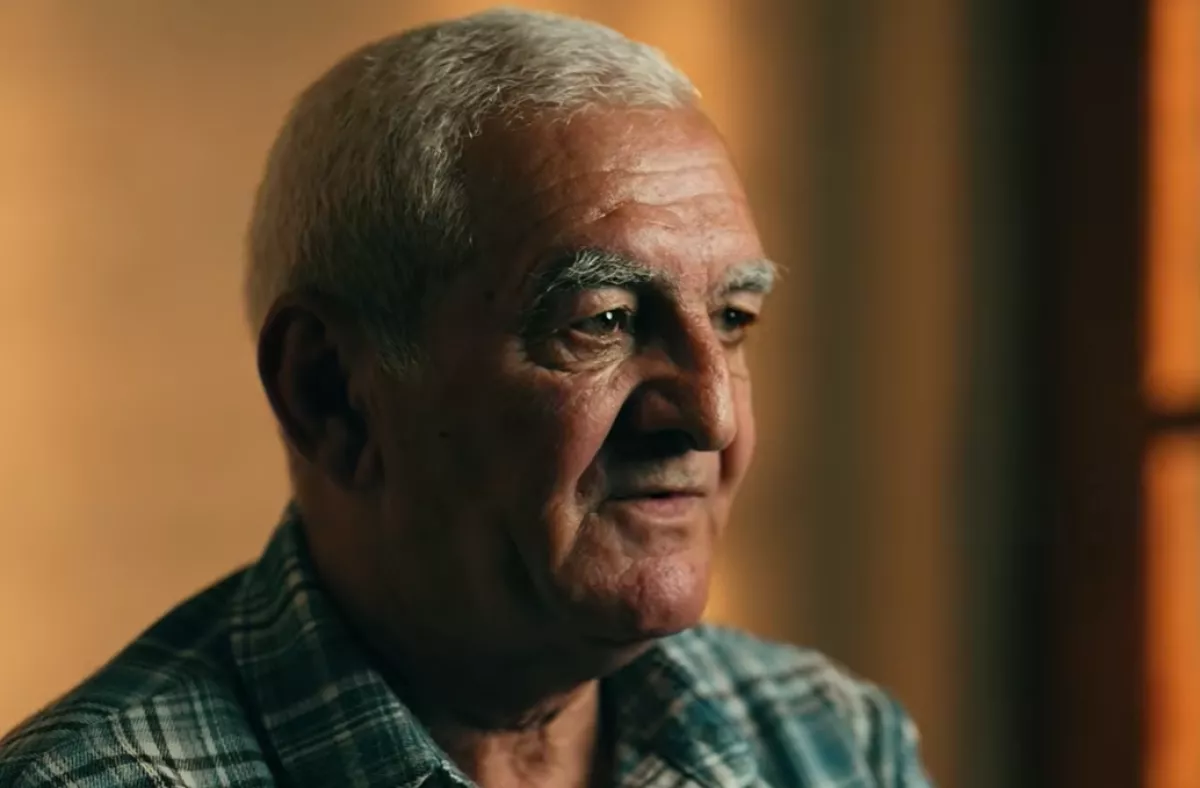
The film contrasts this part of the story with one individual figure — and therein lies much of its power. Mark was replaced by another delegate, Pierre Reichel. He replaced the entire staff of Shusha prison, from the governor to the guards. He brought blankets. He organised disinfection measures. Kazimov remains in contact with him to this day and still has his phone number. “If not for him, I might not be here today,” the former prisoner says. With this episode, the filmmakers remove any suspicion of a blanket campaign against the ICRC: the subject under examination is not the idea of the Red Cross itself, but the gap between the idea and the way it functioned in practice.
The narrative then turns to structure. According to materials cited in the investigation, the ICRC maintained an operational presence in Khankendi without the proper consent of Baku, concluded direct working agreements with the former separatist structure, and did not share the texts of those agreements with the Azerbaijani authorities. Former ICRC Regional Director for Eurasia Martin Schüepp, appearing on camera, delivers the canonical formula of neutrality: operational and logistical agreements must be coordinated, the safety of teams guaranteed, and the ICRC does not engage in political negotiations.
The film’s response is brief and uncomfortable: where sovereignty itself is contested, everyday routine can never truly be neutral. Who is consulted, who is bypassed, whose authority becomes the norm in practice — none of this is determined by declarations of neutrality, but by the daily route of a vehicle bearing the emblem.
The events of 2023 are presented as a continuation of the same logic. In vehicles operating under ICRC agreements through the “Lachin” checkpoint, contraband — mobile phones, cigarettes, and fuel — passed through. When the Azerbaijani side exposed the scheme, the Red Cross attributed responsibility to hired drivers and terminated the contracts.
However, a more sensitive issue lies deeper. According to materials examined in the investigation, during the 2020 war, as Azerbaijani forces advanced from the Gubadli direction towards Lachin, representatives of the ICRC repeatedly sought meetings with the Azerbaijani side. According to the same sources, Baku interpreted these efforts as an attempt to determine whether the Azerbaijani army would take control of the Lachin road.
This is not a minor allegation. A humanitarian corridor rests on trust, and the film raises a direct question: “Can humanitarian access remain purely humanitarian when every movement inside a war zone carries strategic value?”
From this question, the film shifts to Ukraine — and draws a parallel based on a different set of factual material. The categories remain the same: prisoners, detainees, bodies, the missing, and families waiting. The Russian Red Cross is a national society within the global movement, but it carries the same moral label.
According to the film, in 2024, the Russian Red Cross received €6.5 million from the ICRC and €7 million from the International Federation of Red Cross and Red Crescent Societies (IFRC) — around a quarter of its annual budget. Former ICRC President Peter Maurer, appearing on camera, speaks about commitment to objective, fact-based decisions. Ukrainian President Volodymyr Zelenskyy, in recorded footage, speaks about how no one came at the crucial moment.
The head of the Russian Red Cross, Pavel Savchuk, as the filmmakers note, was part of the leadership of the All-Russia People’s Front — an organisation associated with pro-war campaigns and Vladimir Putin’s 2024 election effort. In Russian-occupied Ukrainian territories — Donetsk, Luhansk, and Zaporizhzhia — structures operating under the Red Cross brand are active. The oversight group of the IFRC found no grounds for sanctions. Savchuk retained his seat on the board.

At the conclusion, the filmmakers broaden the frame: the question of trust is no longer confined to war zones alone. The scandal involving Guo Meimei in China in 2011 exposed the gap between declarations and the reputation of the Red Cross Society of China; donations fell, and in 2014, after the Yunnan earthquake, the organisation was forced to publicly ask audiences to move past the incident and support the victims.
In West Africa, during the Ebola epidemic, more than five million dollars in humanitarian aid were lost through inflated supply invoices, salaries for non-existent employees, and falsified customs documents. The film draws a quiet lesson: even systems designed to save lives require oversight, and trust alone cannot replace accountability.
The finale of “Shadow of the Cross” is structural — and therefore more uncomfortable for the institution than any individual story presented earlier. The ICRC is not a government, not the UN; it has no army, no police, no borders. Its power rests on trust. But, as the filmmakers emphasise, its governance architecture is deeply Swiss: the highest body is the Assembly, which determines policy and strategy, approves the budget, and appoints key officials.
“Can a global humanitarian institution governed through one national elite structure remain fully insulated from that country's political culture and interests?” The film does not leave this question on the shelf. And in that lies perhaps its most unsettling quality: left unanswered, it ceases to be technical. It becomes moral.







 editor@caliber.az
 +994 55 444-88-98
 Азербайджан, Баку, ул. Низами, 203, Af Business House, 5-й этаж