










NATO in turmoil: Washington steps back as Europe grows nervous Analysis by Preigerman
The recent meeting of NATO foreign ministers in Sweden reflected the essence and the drama of the profound transformations currently taking place within the Alliance. U.S. Secretary of State Marco Rubio summed them up aptly: European allies are unlikely to feel “thrilled” about American plans, but they “certainly are aware” of them.
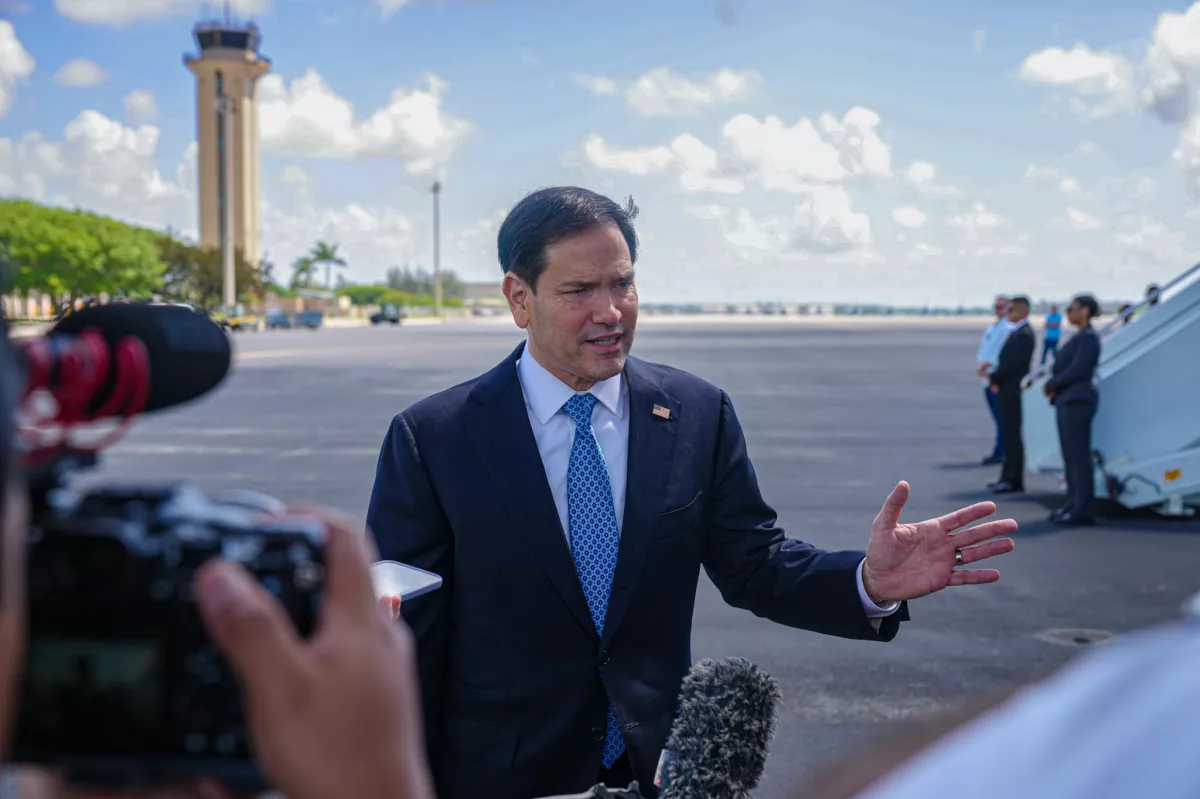
On May 21–22, a meeting of NATO foreign ministers took place in the Swedish city of Helsingborg. Overall, it was a routine event in the Alliance’s political calendar. One of its main goals was to prepare the agenda for the next NATO summit, which will be held in Ankara in a month and a half. However, in these times, when “decades happen” in a matter of days, even routine meetings produce flashes of major news. Especially within the North Atlantic Alliance, which has entered the most difficult transformational period in its history.
US forces in Europe: cut or maintain?
The discussions in Helsingborg attracted heightened attention due to the confusing reports of recent weeks regarding Washington’s plans to reduce the American military presence in Europe. In particular, several weeks ago, the United States announced that it would cut at least 5,000 troops from its deployment in Germany. This apparently came in response to remarks by the German chancellor, who said that the Americans had been “humiliated” by Iran during the war in the Middle East. The head of the White House went even further, stating that he would eventually withdraw “a lot further than 5,000” American troops from Germany.
Although these statements fit into the broader U.S. strategy of reducing its presence in Europe and optimising American commitments within the framework of European security, they naturally raised questions and concerns in Berlin and among other NATO allies. For them, the problem lies not so much in the quantitative aspect as in the uncertainty that now hangs over the issue — and in how exactly these decisions will affect the continent’s defence capabilities, as well as which forces and assets may ultimately be withdrawn and require urgent replacement.
It is clear that the implementation of these plans would require a reassessment of a number of constants within the transatlantic collective defence system. Therefore, the concern of European capitals is understandable and natural. Especially since the United States has indicated that it will not limit its moves to Germany and will reduce cooperation with some other NATO countries, arguing that it has received no support from the Alliance in the Middle East.
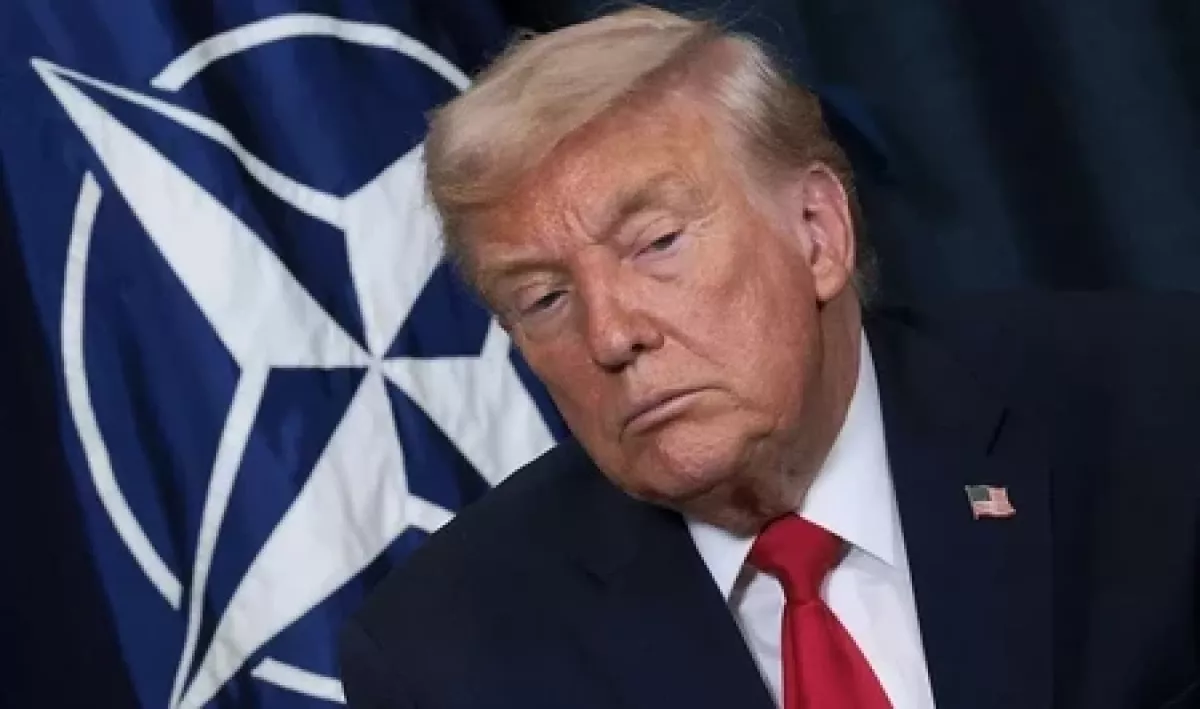
However, real confusion over Washington’s intentions began later. After the announcement of American plans regarding Germany, a number of NATO countries — Poland, Romania, and the Baltic states — suggested that the Trump administration consider redirecting these freed-up forces to their territories. These proposals were apparently made based on a not unreasonable understanding that NATO’s eastern flank is of fundamentally different importance to the United States than Central and Western Europe. Therefore, even if these Eastern European states did not necessarily expect a positive response to their idea, they still voiced it with confidence in their own geostrategic significance.
However, in mid-May, the Pentagon unexpectedly stated that it was not only unwilling to relocate potentially freed-up forces and assets to the east, but was also cancelling the planned deployment of around 4,000 troops in Poland. These forces have been stationed there on a rotational basis since 2022. According to a diplomatic cable from the U.S. Embassy in Warsaw that was leaked to the media, the news triggered a wave of anger and alarm in Polish political circles. As the authors emphasise, the American “temporary rotational presence” had gradually come to be understood in Poland as a semi-permanent security guarantee.
Shortly thereafter, Washington began to adjust its rhetoric on the issue. First, Vice President J.D. Vance stated that this was not a cancellation of the rotational deployment, but merely a delay.
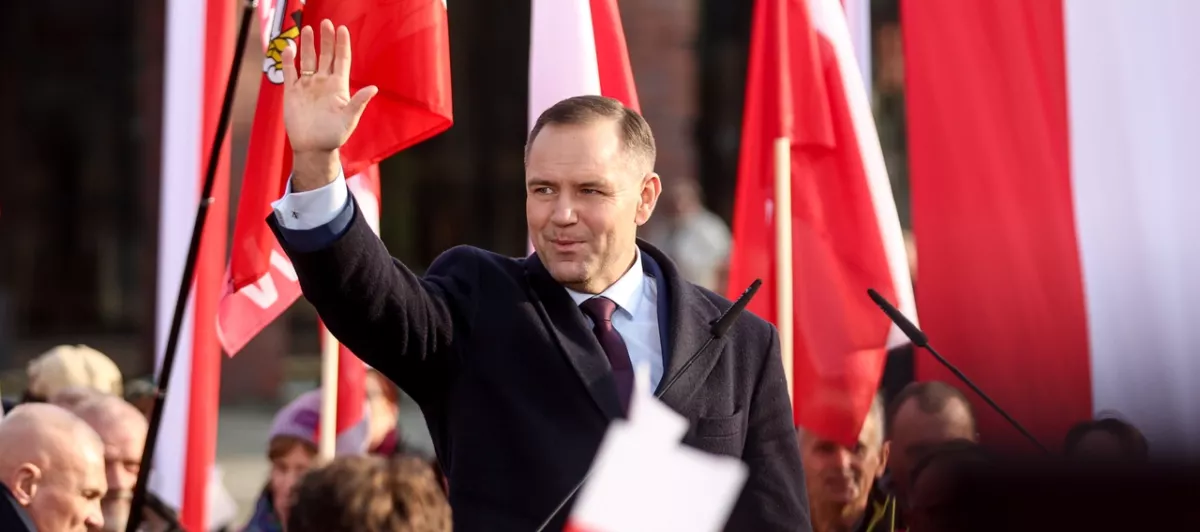
Later, President Donald Trump himself posted that, in light of his particularly close relationship with the Polish president Karol Nawrocki, he had decided to send 5,000 American troops to the territory of this ally.
The news undoubtedly reassured Warsaw. There, officials concluded that the confusion was not related to any well-developed U.S. plans to reduce its presence on NATO’s eastern flank, but rather resulted from “misunderstanding within the Pentagon” and “chaotic communication” in Washington.
However, the entire situation caused even greater nervousness and confusion within the Alliance, which European U.S. allies sought to clarify during the meeting of foreign ministers in Sweden.
It is difficult to say to what extent they ultimately succeeded. Although following the meeting, an unnamed diplomat who participated in the event expressed the view that the U.S. position on the issue of military presence in Europe “is much clearer now.” It is likely that behind closed doors, Marco Rubio shared some specific details with his counterparts that helped clarify Washington’s intentions.
However, in his public remarks to the media, he merely emphasised what had long been known and understood: Washington’s strategic line is to reduce its military presence in Europe. As Rubio noted, European allies are unlikely to feel “thrilled about it,” but “they certainly are aware” of American plans.
Ankara’s agenda and Europe’s painful questions
This formulation by Marco Rubio is perhaps an ideal illustration of the essence of the transformative processes taking place within the North Atlantic Alliance. European member states are clearly not enthusiastic about the intentions of Donald Trump’s administration, but with each passing day, their understanding grows that these intentions are not fleeting. That the plans being articulated will, one way or another, be implemented. Some still, deep down, likely refuse to believe it, hoping either that developments on the European continent or domestic political processes in the United States will somehow adjust the course. Yet an overall acceptance of the new reality is nevertheless taking place.
At the same time, it remains far from clear how exactly NATO’s European countries are supposed to navigate this new reality. Because what is at stake is not only a profound rupture of long-standing and seemingly permanent foundations, but also the fact that all of this is shrouded in complete uncertainty—both regarding the intentions and decisions of the current US administration, and in the broader context of the transformation of the entire system of international relations.
The policies of the Trump administration are indeed stimulating greater consolidation among European states. This is a natural adaptive mechanism in international relations. When even a key ally providing a “security umbrella” changes its policy or becomes overly unpredictable, countries sheltered under that umbrella begin to look for ways to reduce their dependence on it. And if the main security provider starts to be perceived not only as unreliable but also as a potential source of risk, efforts to form a counterbalancing coalition inevitably follow.
This is precisely the process now unfolding in Europe. However, it is also predictable that it comes with a range of great structural difficulties and constraints.
What, in practical terms, can replace here and now—not in some hypothetical distant future—all that is being lost within the established framework of transatlantic security? A European–Canadian “coalition of the willing”?
It does sound interesting and is often perceived by many as a potential institutional precursor to a more ambitious and large-scale framework of cooperation in a NATO-like format without the United States. However, the emerging “coalitions of the willing”, beyond their ability to address very specific and narrowly defined issues, have also clearly demonstrated significant limitations that prevent them from delivering truly high-profile results. It is not without reason that in diplomatic and expert circles they are often referred to as “coalitions of the willing, but unable”.
This makes the upcoming July NATO summit in Ankara all the more interesting. At the ministerial meeting in Helsingborg, foreign ministers outlined its key priorities: a fairer distribution of financial and military burdens within the Alliance, increased defence spending, the development of the defence-industrial base across the entire NATO space, and continued support for Ukraine. But it is evident that Donald Trump’s participation in the summit will make its agenda far more consequential and far more resonant than this already familiar list suggests.







 editor@caliber.az
 +994 55 444-88-98
 Азербайджан, Баку, ул. Низами, 203, Af Business House, 5-й этаж