










A new Baku–Berlin alliance: strategic partnership takes shape Analysis by Teymur Atayev
Azerbaijani President Ilham Aliyev’s official visit to Germany has confirmed that Azerbaijan has firmly established itself among the world’s leading middle powers.
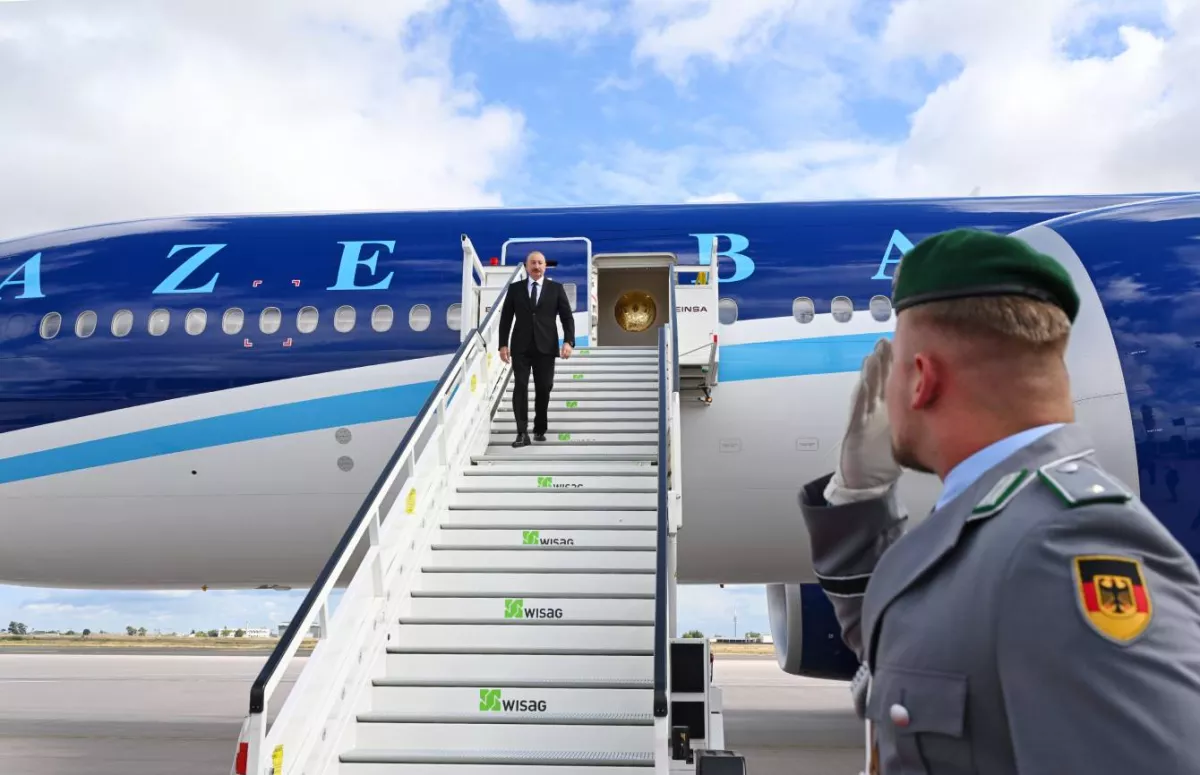
At the opening of the 4th Shusha Global Media Forum, the Azerbaijani leader identified the recognition of a country’s potential and responsibility for an entire region as one of the key criteria defining a state of such geopolitical standing. In this context, these characteristics, complemented by a number of other factors, can be applied to Azerbaijan without reservation.
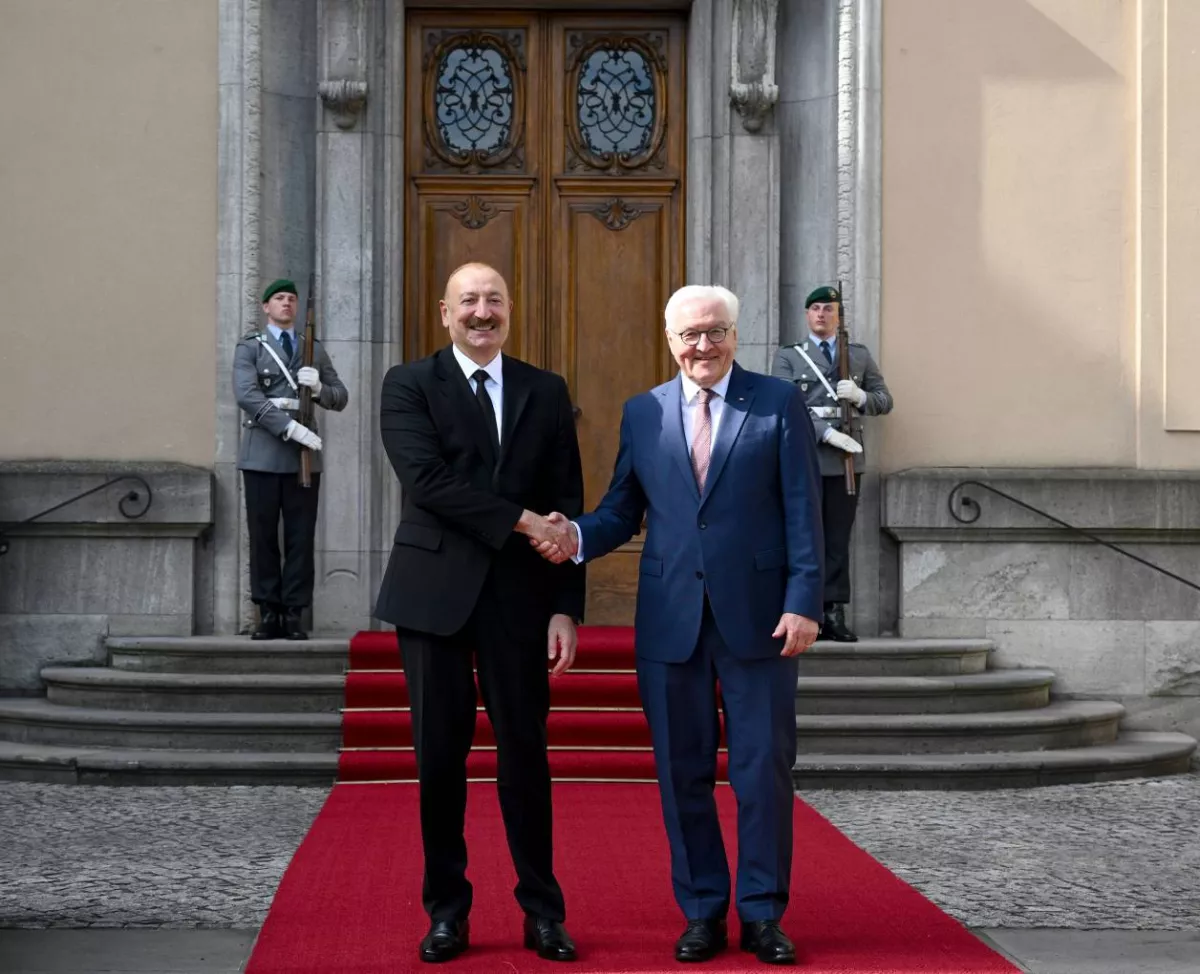
This was evident both from the remarks of German President Frank-Walter Steinmeier, who highlighted Azerbaijan’s important role in ensuring Europe’s energy security, and from Chancellor Friedrich Merz’s statement to the press.
Describing the South Caucasus as a geopolitically significant region, the German chancellor stressed the need to ensure peace and stability there, in the interests of both Germany and the European Union. According to Merz, this would create conditions for expanding economic cooperation, especially as the region is becoming a key bridge connecting Europe and Asia.
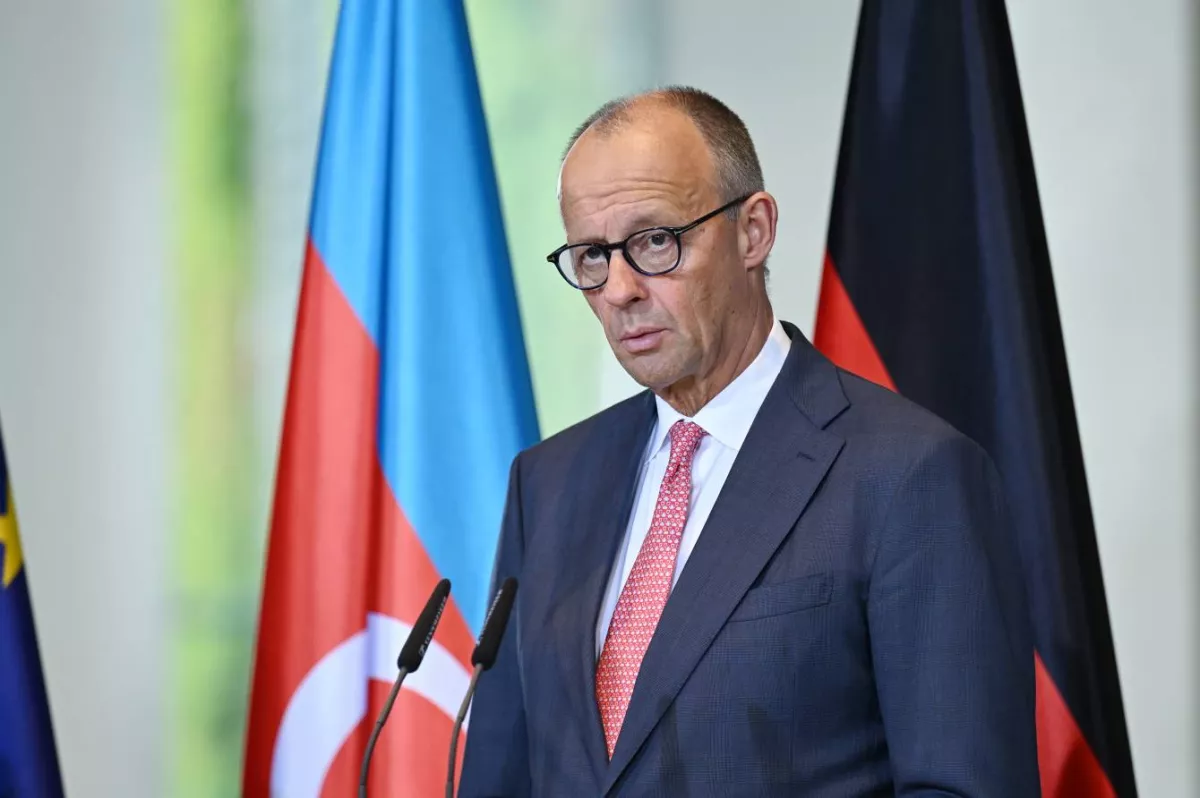
Continuing this line of discussion, Merz noted that bilateral relations are developing along an upward trajectory, particularly highlighting the signing of the Joint Declaration on a Strategic Partnership Agenda. The document lays the foundation for expanding cooperation in security, the defence industry, digital transformation, the establishment of an Azerbaijani-German Business Council, and the implementation of other joint initiatives.
This reaffirmed Germany’s serious commitment to broadening cooperation with Azerbaijan, particularly amid the ongoing Middle East crisis, which has increased Berlin’s focus on diversifying energy supplies. The two sides paid special attention to cooperation in renewable energy and hydrogen development.
The German chancellor also placed particular emphasis on constructive discussions regarding the investment programme proposed by Baku, saying that it could “open up new opportunities for German companies operating in Azerbaijan.”
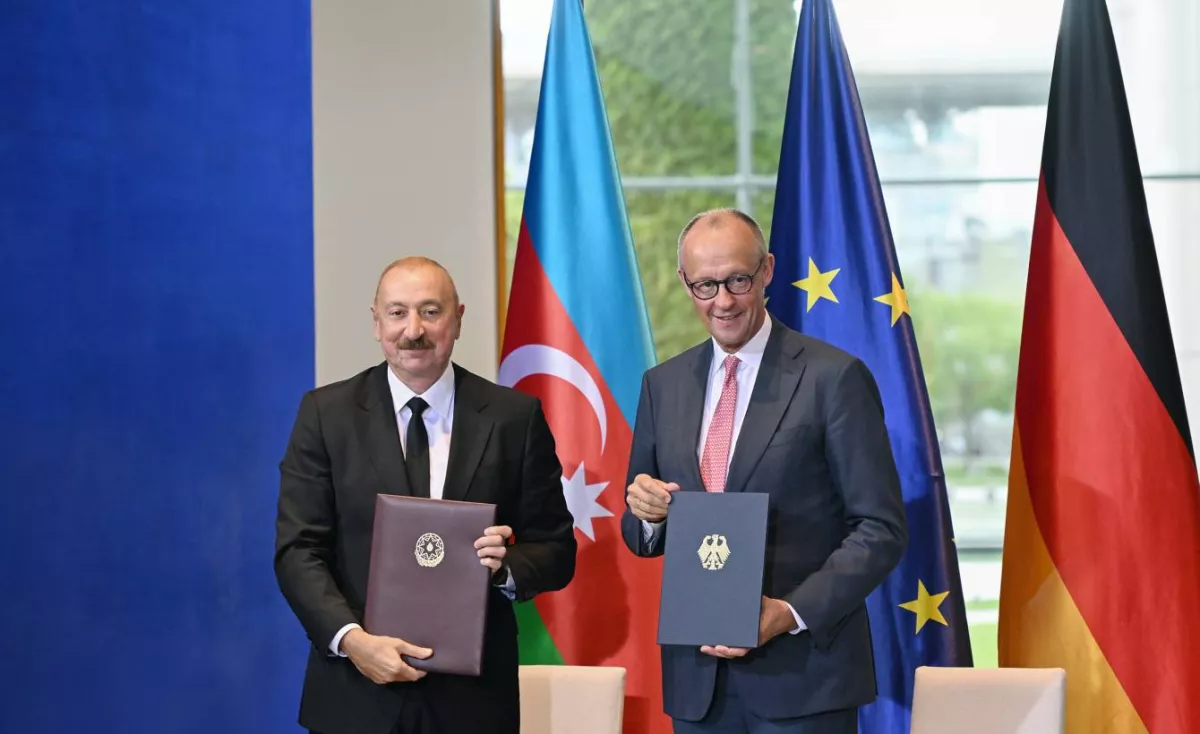
For his part, President Ilham Aliyev, speaking about the launch of the strategic dialogue, expressed confidence in the significant prospects created by the signed Joint Declaration.
In this regard, it is worth recalling one of the Azerbaijani leader’s earlier statements, in which he described strategic partnership as the highest level of relations that countries can achieve, providing a solid foundation for the further development of economic ties and contacts between business communities.
It is precisely within this framework that the prospects for Azerbaijan-Germany cooperation should be viewed, particularly as Baku’s role as a bridge between Central Asia and Europe continues to grow. In the same context, President Ilham Aliyev highlighted the strengthening of ties between the European Union and Azerbaijan, emphasising Germany’s role as a leading EU member state.
Regarding the situation in the South Caucasus, Merz described the initialling of the peace agreement between Azerbaijan and Armenia in Washington in August 2025 as a historic event. President Ilham Aliyev, in turn, expressed gratitude to the chancellor for Germany’s contribution to the peace process in the South Caucasus.
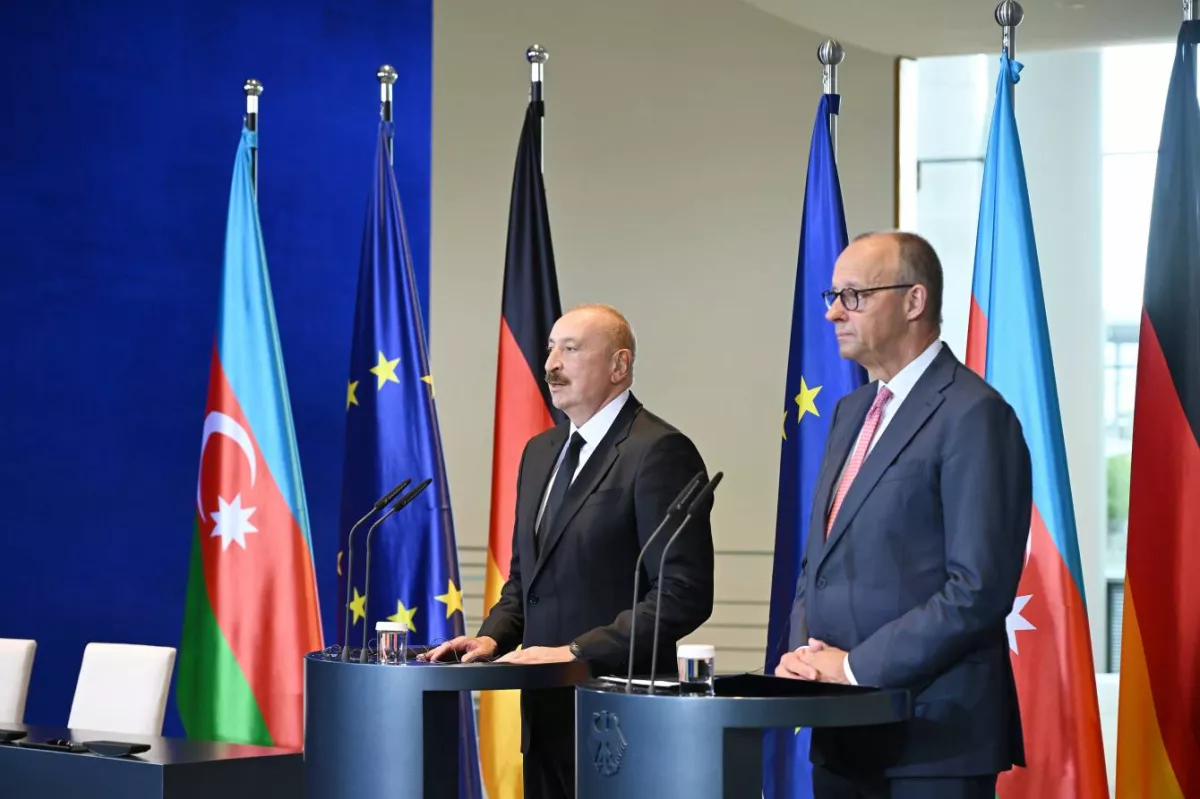
One of the questions posed by journalists to Merz and President Ilham Aliyev at the press conference concerned an alleged “informal German-Russian meeting” reportedly held in Baku. In response, the German chancellor said he had no information regarding such a meeting, while President Ilham Aliyev noted that he himself had learned about “the meetings held in Baku” from The Times. According to the Azerbaijani leader, a preliminary review provides grounds to “suggest that such a secret meeting was held in Baku,” adding that if it “serves to end the Ukrainian–Russian war, we, of course, welcome it.”
The focus of the Azerbaijani-German talks in Berlin speaks for itself. The key feature is that their substance clearly demonstrates the consistency, precision and clarity of Baku’s foreign policy course.
Back in 2009, the Azerbaijani leader emphasised that the implementation of major infrastructure, energy and transport projects had created a new reality in the South Caucasus.
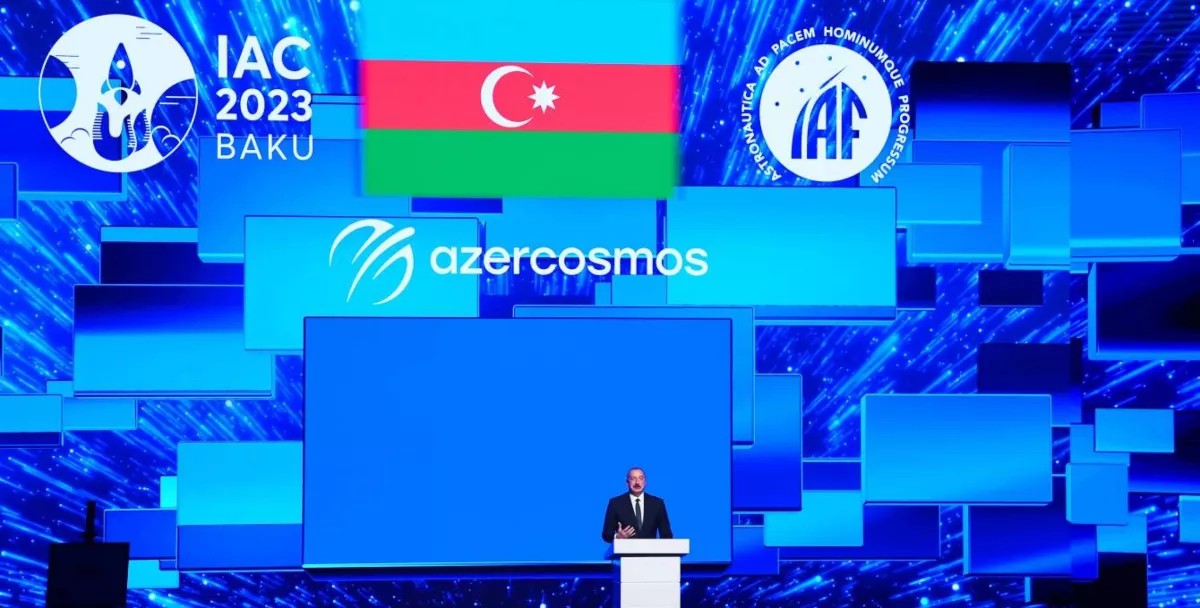
Three years ago, President Ilham Aliyev noted that Baku had managed to turn its geographic position into an advantage, significantly expanding the horizons of cooperation. This was precisely what led the European Union to view Azerbaijan as a reliable pan-European energy supplier.
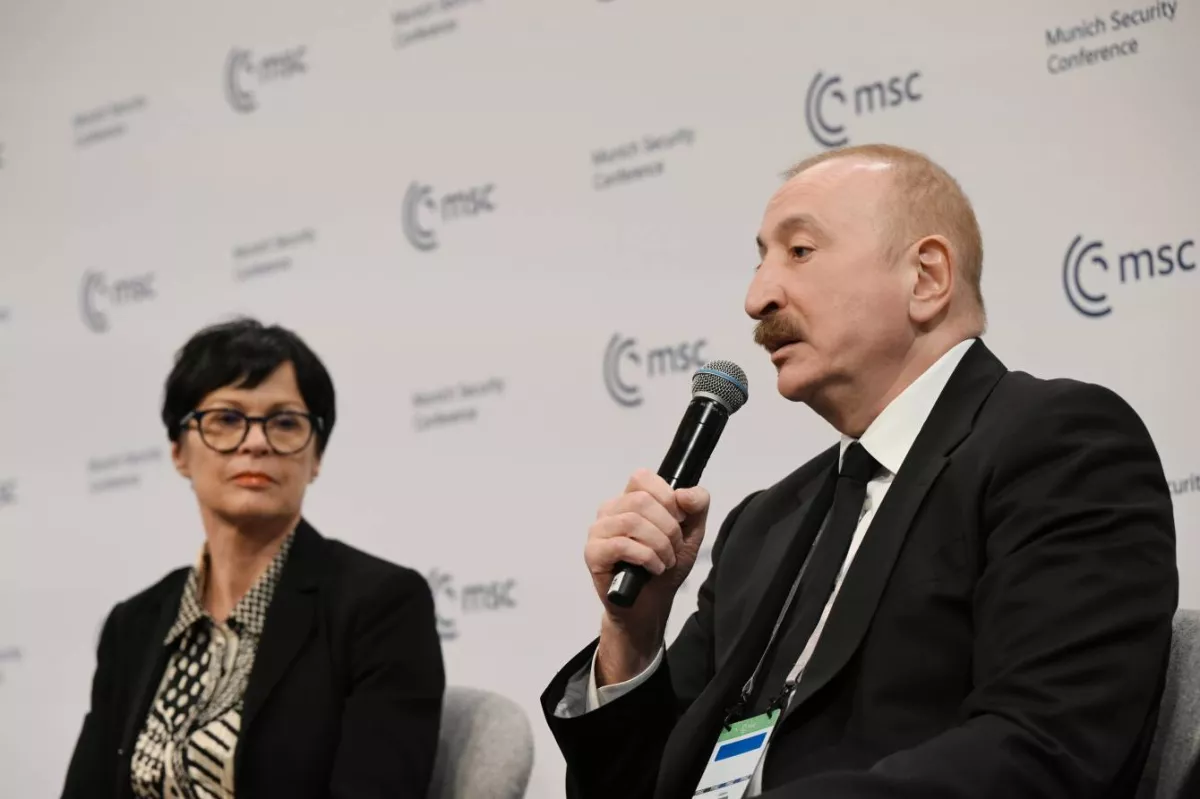
At the 2026 Munich Security Conference, President Ilham Aliyev emphasised that becoming a regional transport hub requires maintaining good-neighbourly relations with surrounding countries, noting that Baku has already successfully implemented this approach both in the western and eastern directions. Moreover, “a lot we do on connectivity, and a lot is being done between Central Asian countries and China on connectivity.”
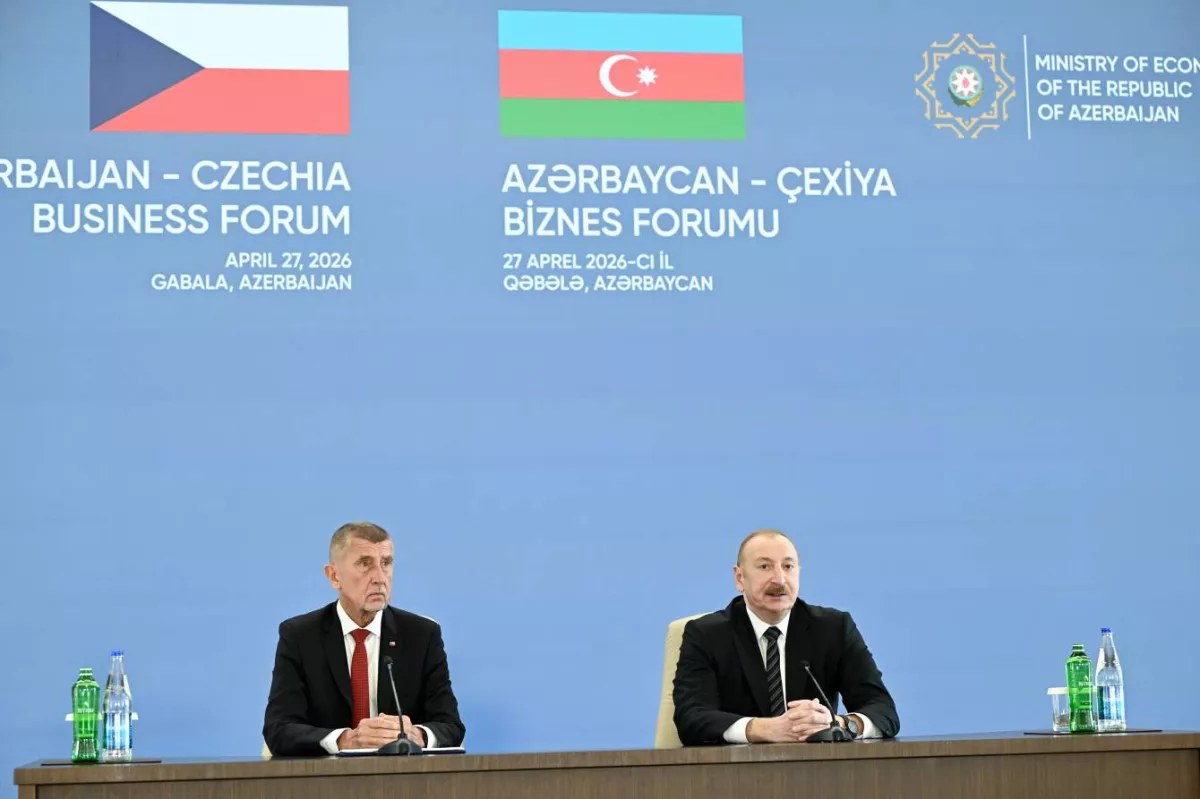
Less than three months ago, the Azerbaijani leader drew attention to Moody’s decision to upgrade Azerbaijan’s credit rating to investment grade with a positive outlook, describing it as “a good signal to investors” in terms of the country’s perception as an attractive destination for investment. At the same time, he stressed that Azerbaijan provides safe and reliable transit both from east to west and back, as well as along the north-south route.
A week earlier, the Azerbaijani leader stated that the country had not only built broad international cooperation across the Eurasian space but had also become one of its key organisers and financial contributors, helping many states address their energy security challenges.
According to the President, Baku is pursuing a similar approach in the field of transport connectivity, as the country’s geographic position has proven to be exceptionally valuable.
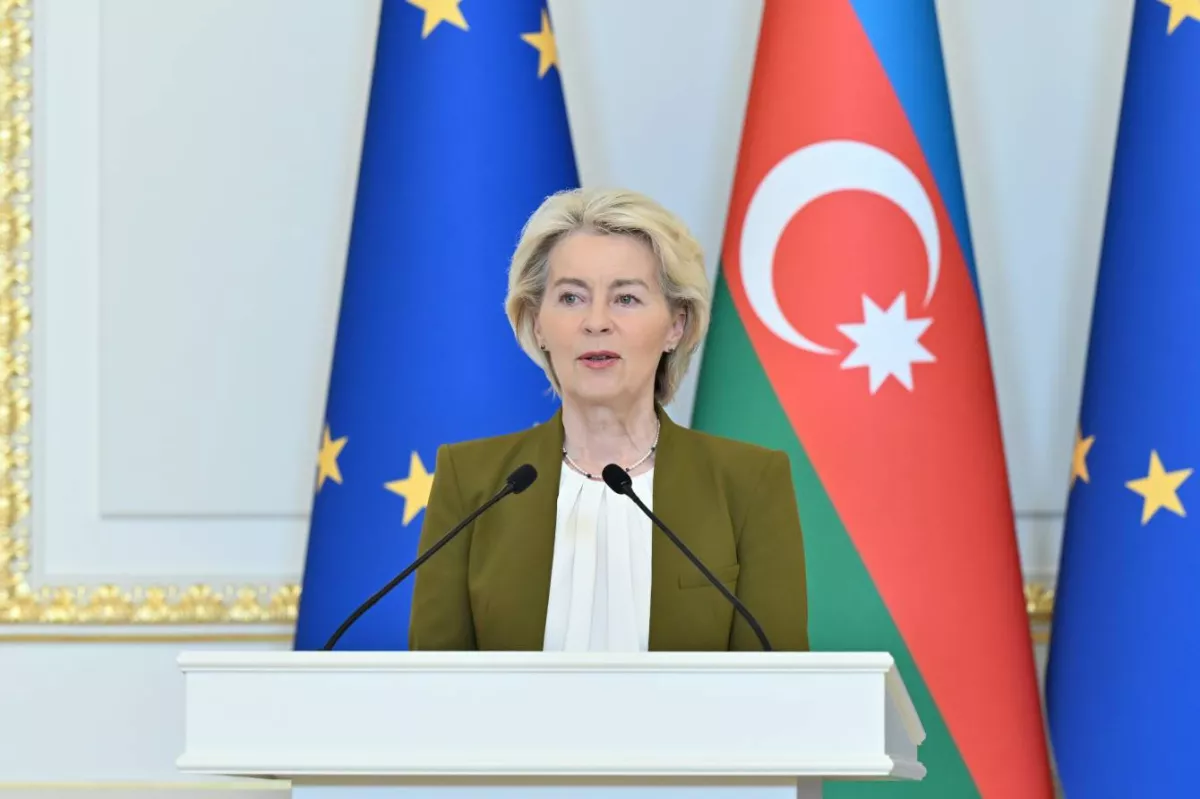
As a result, at the beginning of this July, European Commission President Ursula von der Leyen proposed launching an EU-Azerbaijan Transport Connectivity Partnership, as well as initiating preparations for a Regional Transport Connectivity Investment Conference in Baku, which would bring together Europe, the South Caucasus and Central Asia.
As we can see, the outcome of the Berlin talks clearly demonstrates how the well-calibrated and strategically calculated steps of official Baku — often ahead of their time — have led to the development of Azerbaijan-Germany relations on an entirely new level. This opens up significant prospects not only for bilateral cooperation but also for broader engagement between Azerbaijan and the European Union.







 editor@caliber.az
 +994 55 444-88-98
 Азербайджан, Баку, ул. Низами, 203, Af Business House, 5-й этаж