










Europe recognises Azerbaijan’s geopolitical significance Overview by Teymur Atayev
The extensive coverage of the official visit of the President of Azerbaijan to Germany by leading European media outlets demonstrates that the event extended far beyond the bilateral agenda and acquired broader geopolitical significance.
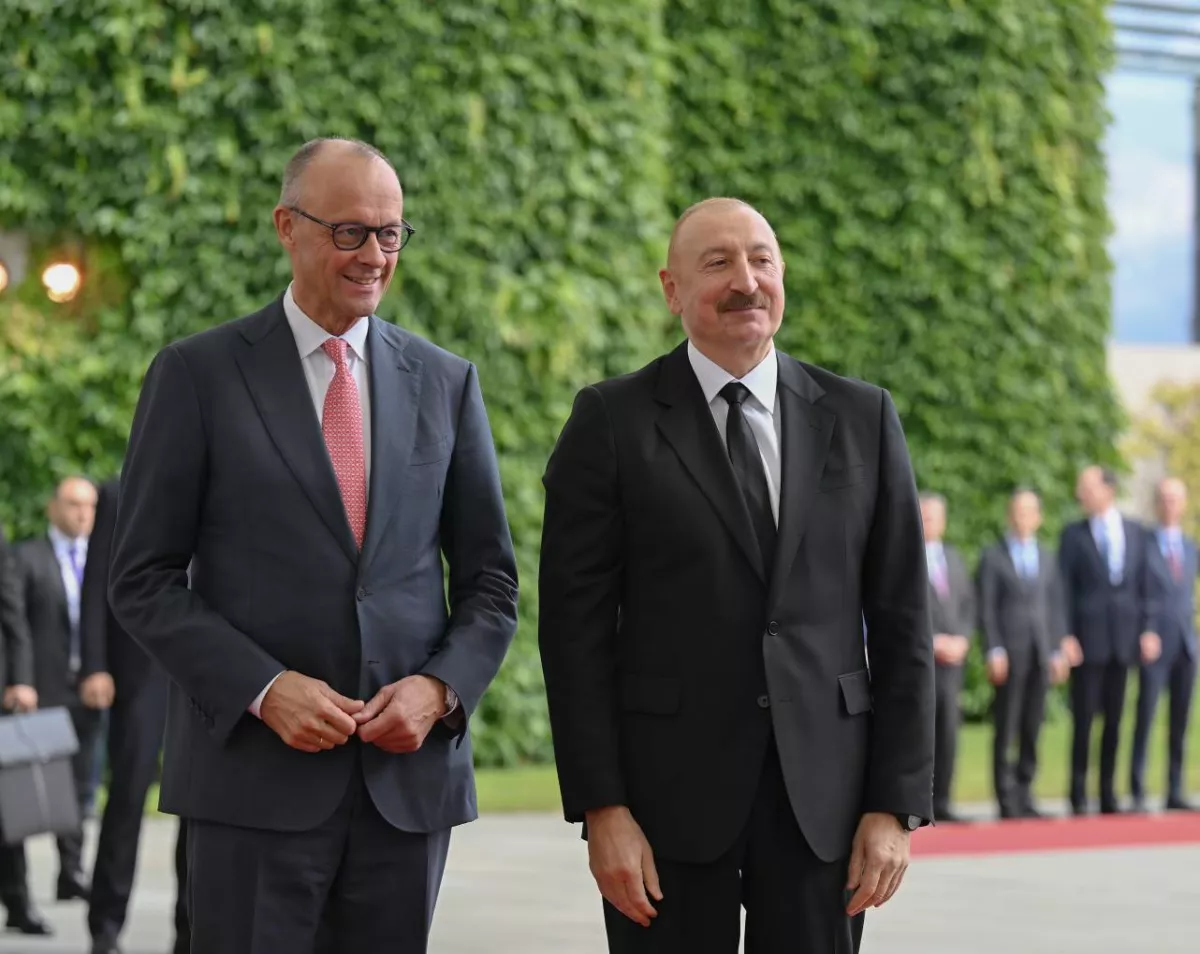
Deutsche Welle highlighted Chancellor Friedrich Merz’s statement on Baku’s important role for Berlin following Germany’s decision to stop importing Russian gas.
The publication also quoted Merz as describing Azerbaijan as an "interesting partner" for Germany in terms of ensuring the country's energy security, particularly in its southern regions, where the necessary infrastructure has already been established or could be further expanded.
Energy cooperation is addressed in a separate section of the Joint Declaration on the Strategic Agenda for Bilateral Partnership. The declaration also emphasises the two sides’ intention to continue cooperation through the German-Azerbaijani High-Level Working Group on Trade and Investment with the aim of further strengthening bilateral economic relations.
However, the Azerbaijani-German talks are only part of the bigger picture. The key point is that many experts, in their immediate assessments of the visit's outcomes, have focused exclusively on the bilateral dimension, overlooking the broader Azerbaijan–European Union relationship. Yet the growing momentum in Azerbaijani-German ties is, to a large extent, a reflection of the deepening understanding between Brussels and Baku.
Moreover, this process should be viewed in a much broader context than simply the rapprochement between the EU and Azerbaijan. It also encompasses the strengthening of relations between individual European capitals and Baku, a trend that has been developing in parallel with the growing engagement between Brussels and Azerbaijan.
The number of visits to Azerbaijan this year by both senior European Union officials and the leaders of European states underscores this trend. Against this backdrop, Baku's importance to Europe has become evident across several highly significant dimensions.
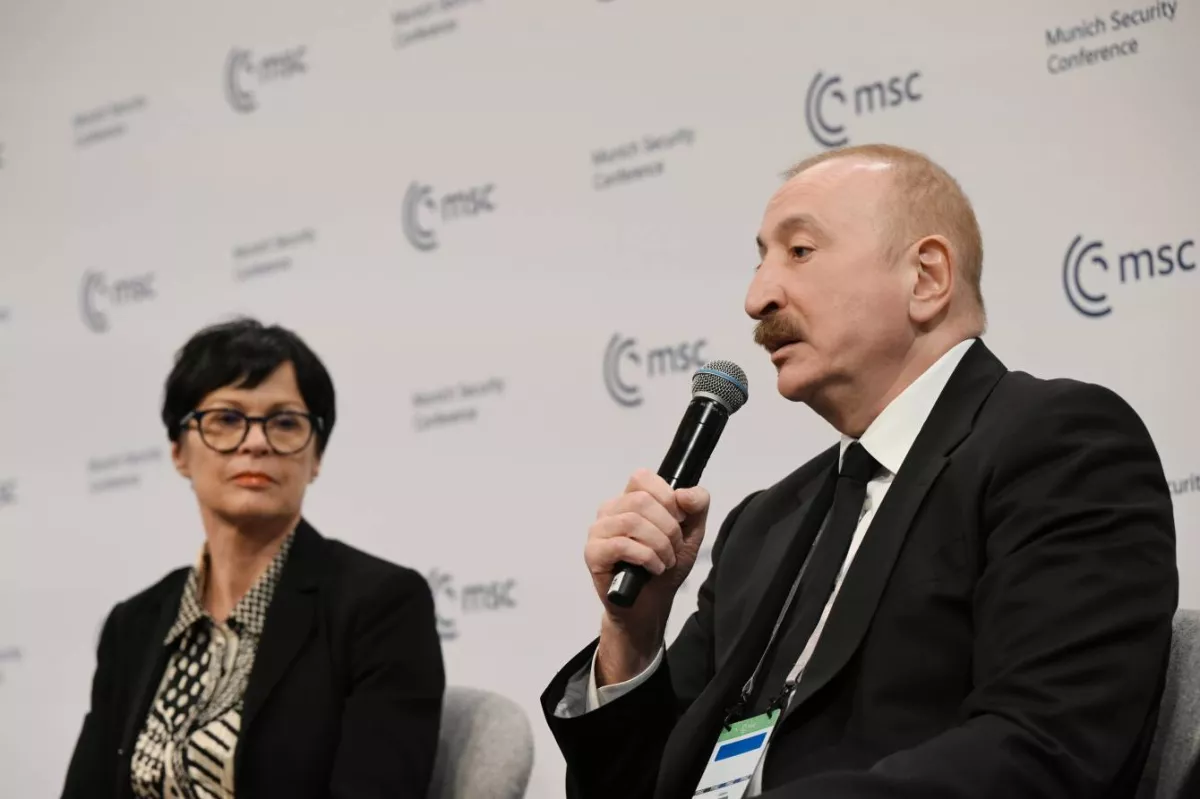
The current phase of Europe's increased engagement with Azerbaijan began to take shape in early 2026 at the World Economic Forum in Davos and the Munich Security Conference, where President Ilham Aliyev held a series of important meetings with both European political leaders and representatives of major international businesses.
These engagements were followed by a succession of visits to Azerbaijan by senior figures from the European political establishment.
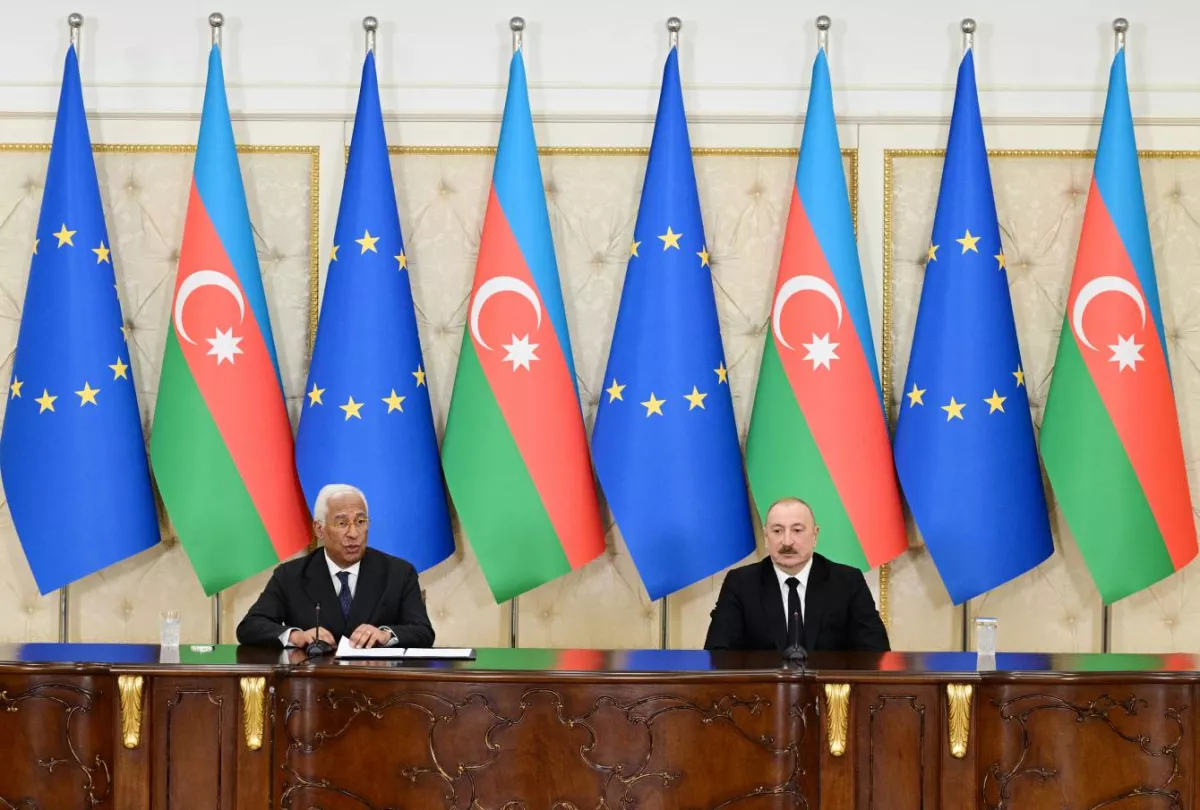
The first such visit came in March this year, when President of the European Council António Costa travelled to Baku and described Azerbaijan as a key partner of the European Union. He noted that in 2022, the European Council had decided to diversify its sources of gas, oil, and coal supplies, with Azerbaijan playing a pivotal role in that effort through the Southern Gas Corridor. Calling the results of this policy evident, Costa stressed that "we are now working on a new framework for closer cooperation between the European Union and Azerbaijan," adding that the two sides share a "joint vision for the future."
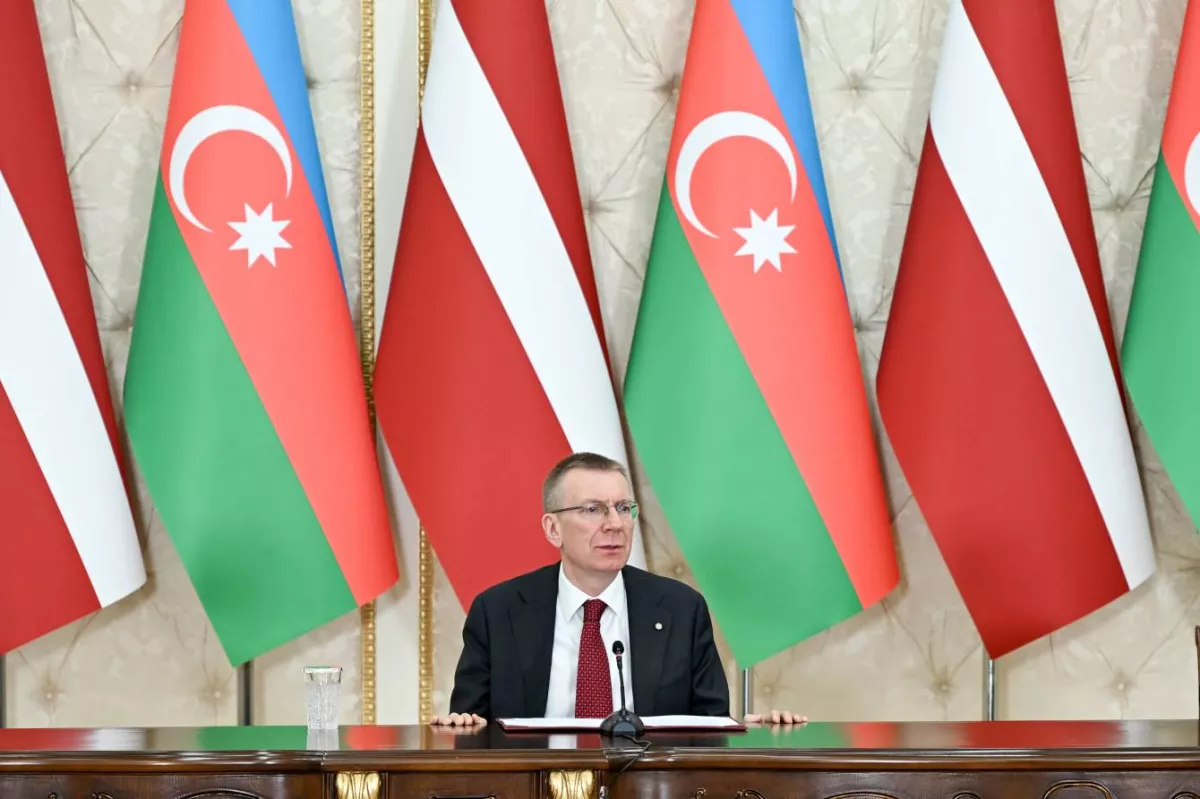
April was marked by the visit of Latvian President Edgars Rinkēvičs, who described Azerbaijan's role—particularly in the Trans-Caspian Transport Corridor and the energy sector—as strategically important not only for Latvia but for the European Union as a whole.
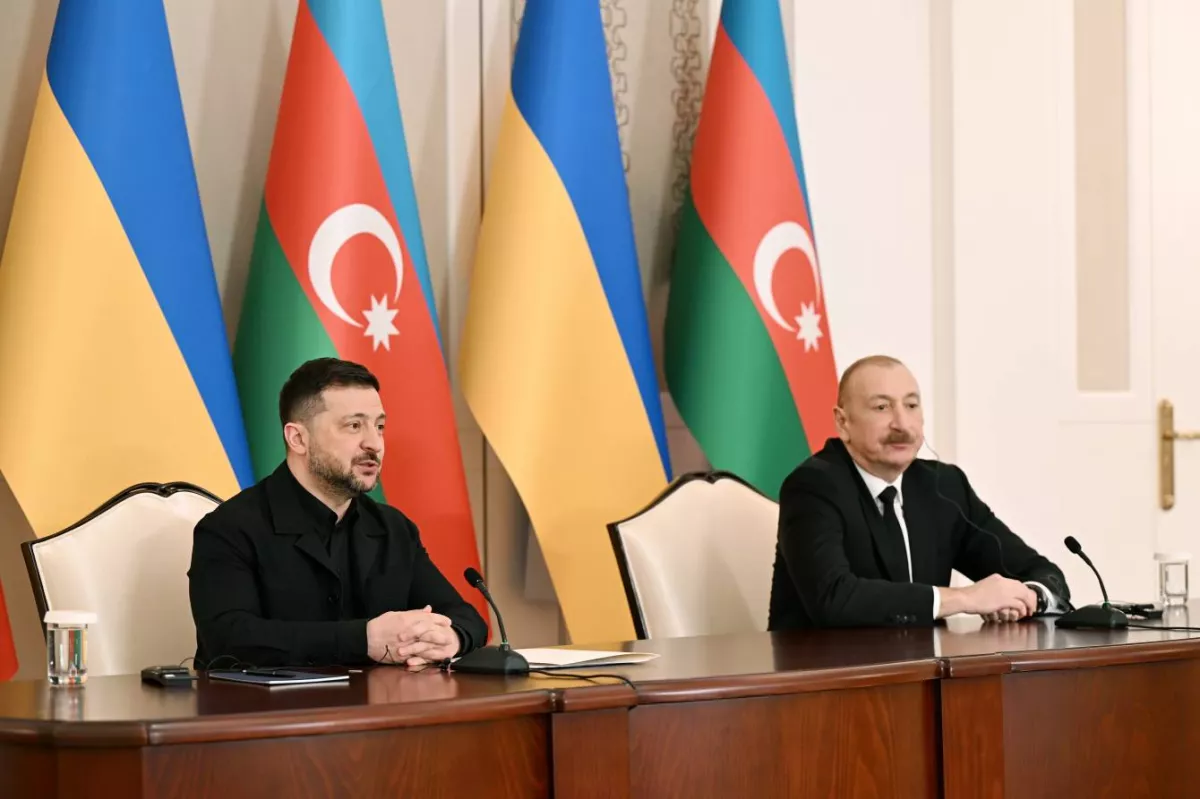
This was followed by Ukrainian President Volodymyr Zelenskyy, who thanked the President of Azerbaijan for the country's partnership during the harsh winter months. He noted that, during one of the most difficult periods for Ukraine, " we received 11 aid packages from Azerbaijan." Zelenskyy also expressed special gratitude for Azerbaijan's support for Ukrainian children affected by the war.
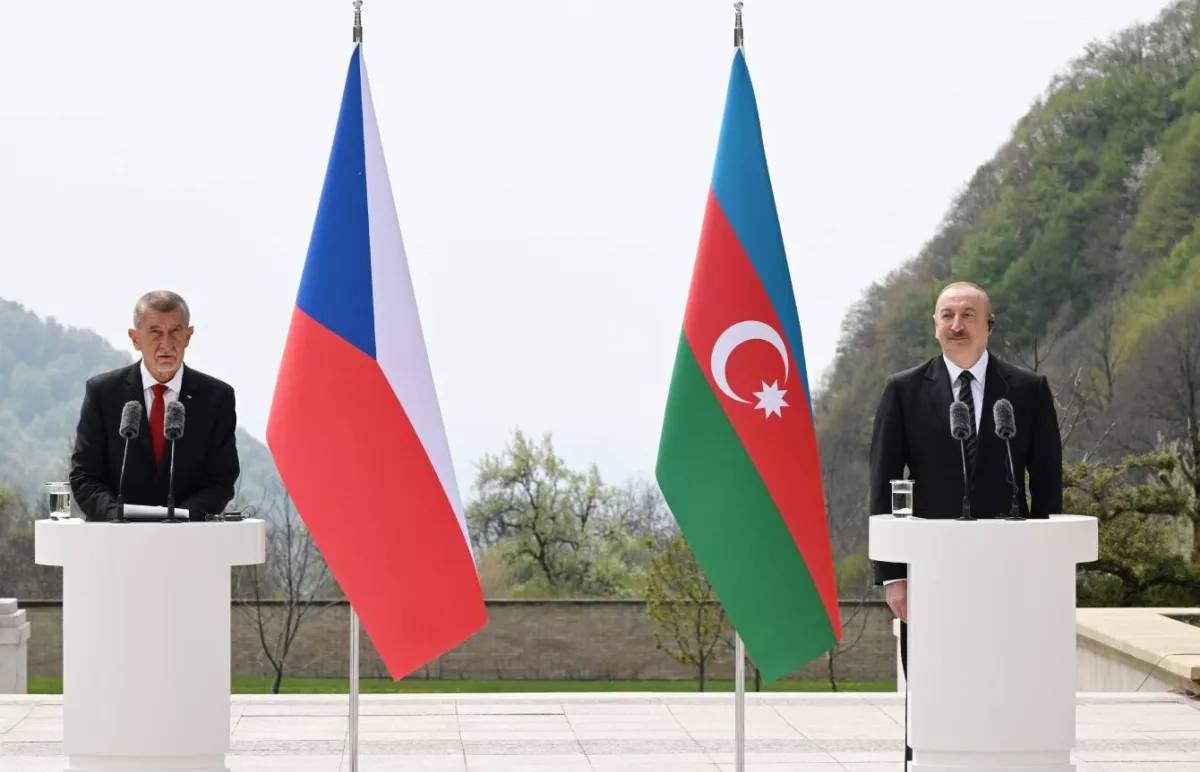
Meanwhile, Czech Prime Minister Andrej Babiš stressed that, at this pivotal moment in history, Europe is in particular need of energy resources, with oil refineries requiring crude supplies and industry depending on natural gas. Against this backdrop, he said it was evident that Azerbaijan is now "at the center of global attention."
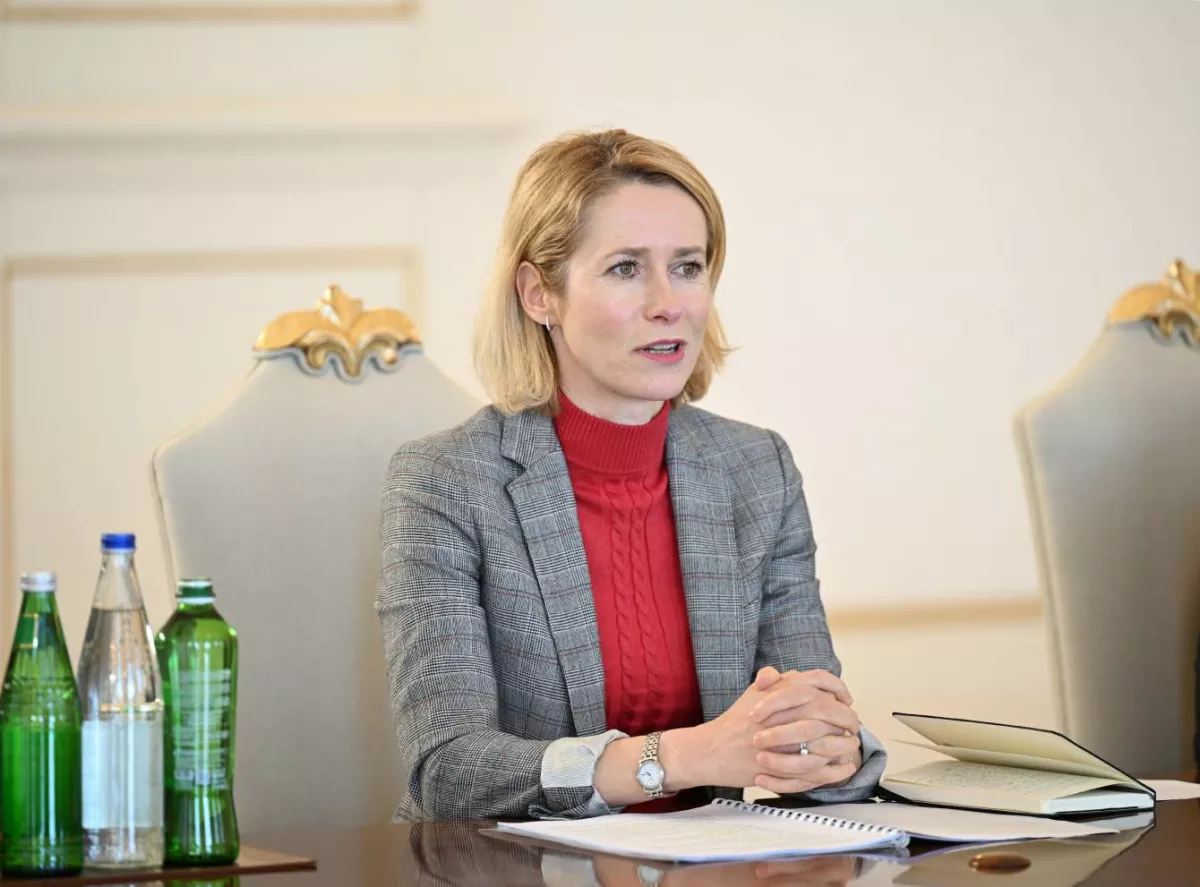
In May, EU High Representative for Foreign Affairs and Security Policy Kaja Kallas described Azerbaijan as an important partner of the European Union.
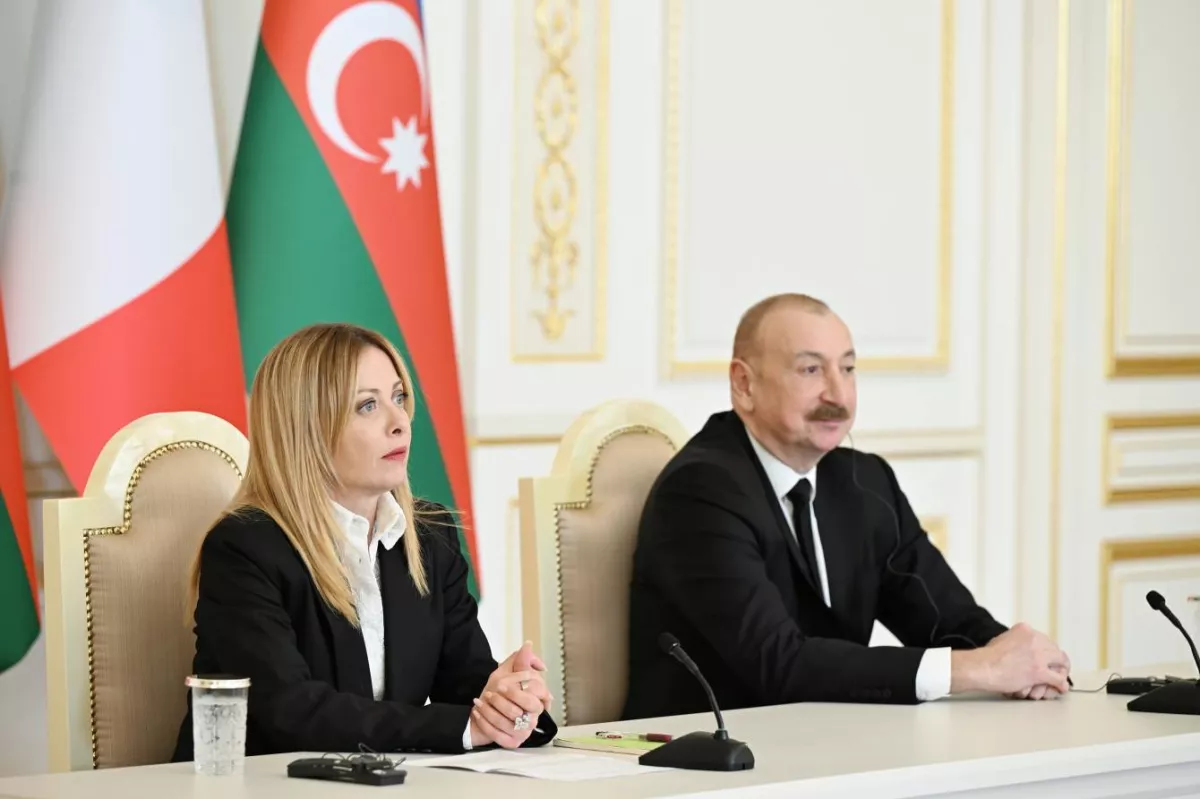
At the same time, Italian Prime Minister Giorgia Meloni underscored Azerbaijan's growing role as "a fundamental hub between Europe and Asia."
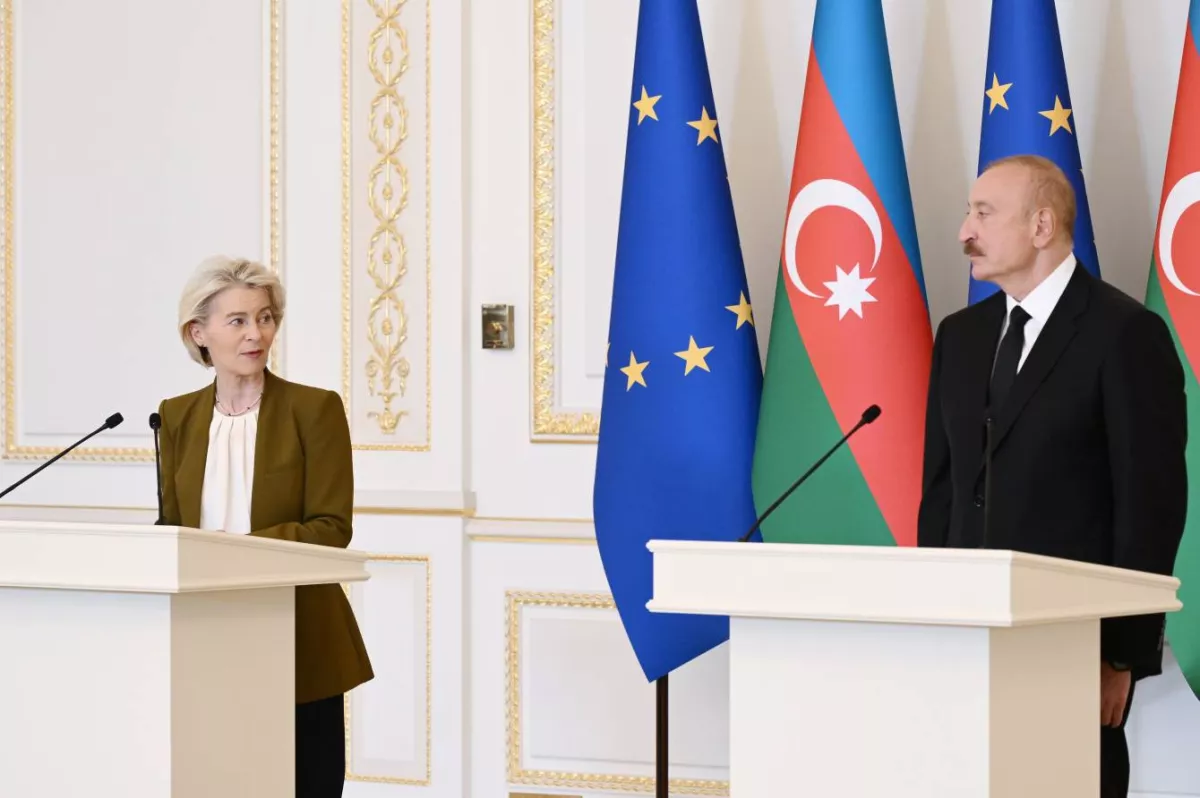
Earlier this month, European Commission President Ursula von der Leyen stated that Azerbaijan has successfully leveraged its strategic geographical location while steadily expanding its economic, political, and regional influence.
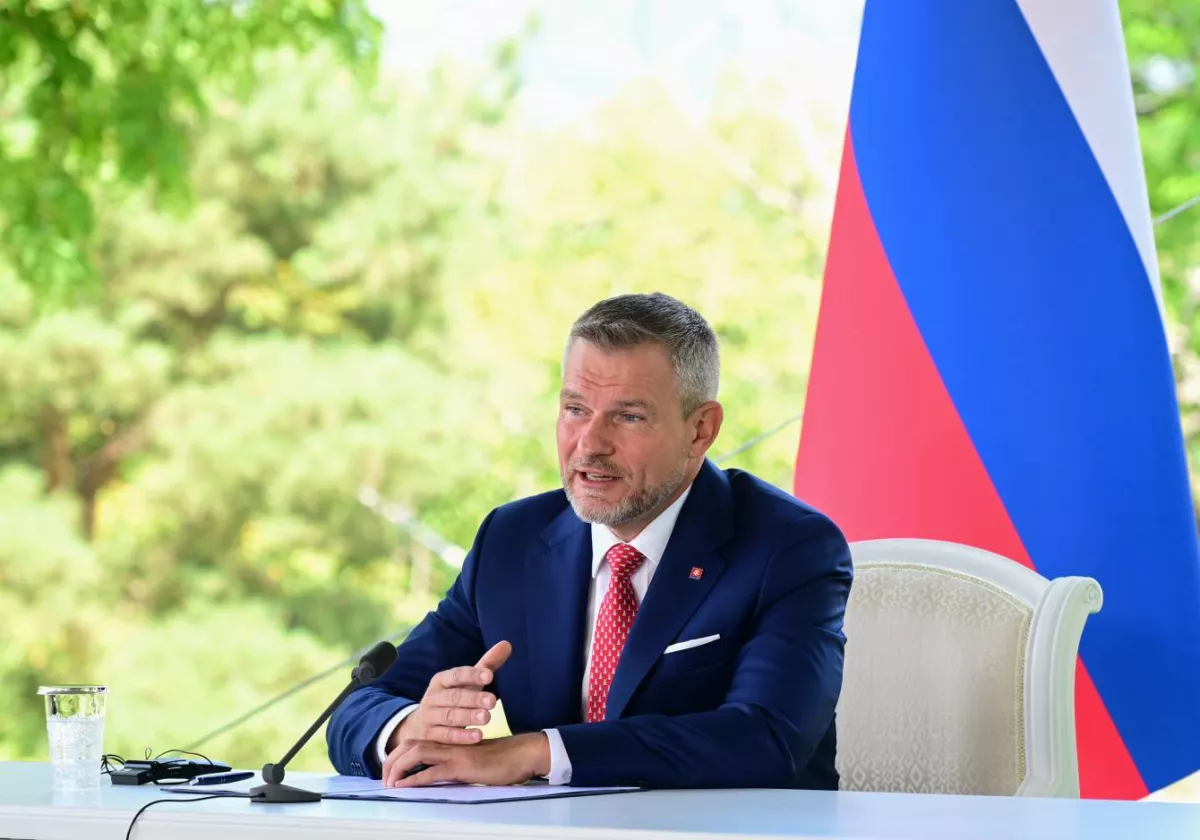
This was followed by Slovak President Peter Pellegrini, who emphasised Azerbaijan's importance as a major regional actor, describing it as a guarantor of stability and development, as well as a key logistics and transport hub linking East and West.
The beginning of the third ten-day period of July will likely be remembered for the new momentum in Azerbaijani-German relations, opening up significant prospects for cooperation across virtually every sector.
Taken together, the above assessments and statements by the leaders of the European Union and individual European states require little additional commentary. They speak for themselves, reflecting Azerbaijan's growing international standing and its increasing importance across multiple strategic dimensions.
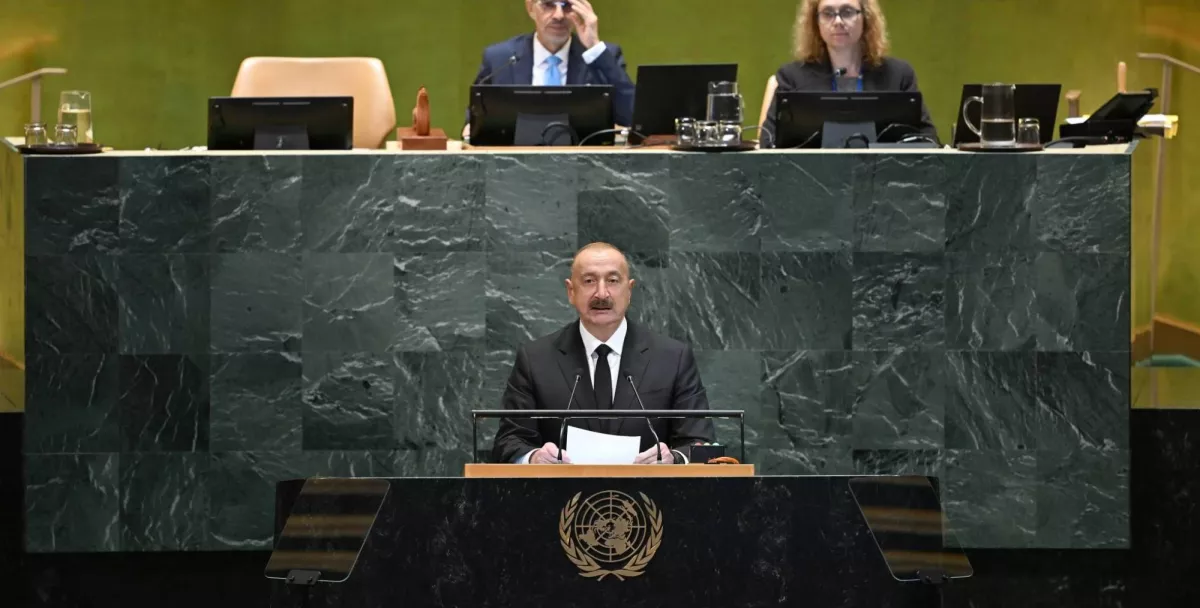
It is worth adding only that Azerbaijan's growing geopolitical significance is fully in line with President Ilham Aliyev's remarks at the United Nations in 2025, when he declared that the country had entered a new era. As the head of state emphasised at the time, "our vision is clear." It is a vision of development and peace that must be achieved "not through words alone, but through actions."
It is precisely the consistent implementation of practical policies by official Baku—in such areas as energy, renewable energy, transport and logistics, regional security and stability, among others—that has transformed Azerbaijan into a significant middle power whose interests are now taken seriously even by those who, until recently, sought to act against them.
In other words, Azerbaijan today stands at the centre of international attention, prompting Europe's political leadership to intensify its engagement with Baku across multiple fronts. President Ilham Aliyev's official visit to Germany has become yet another compelling confirmation of this growing trend.







 editor@caliber.az
 +994 55 444-88-98
 Азербайджан, Баку, ул. Низами, 203, Af Business House, 5-й этаж