










Houthis between war and truce: Tehran’s pressure and Yemen’s limits Analysis by Shereshevskiy
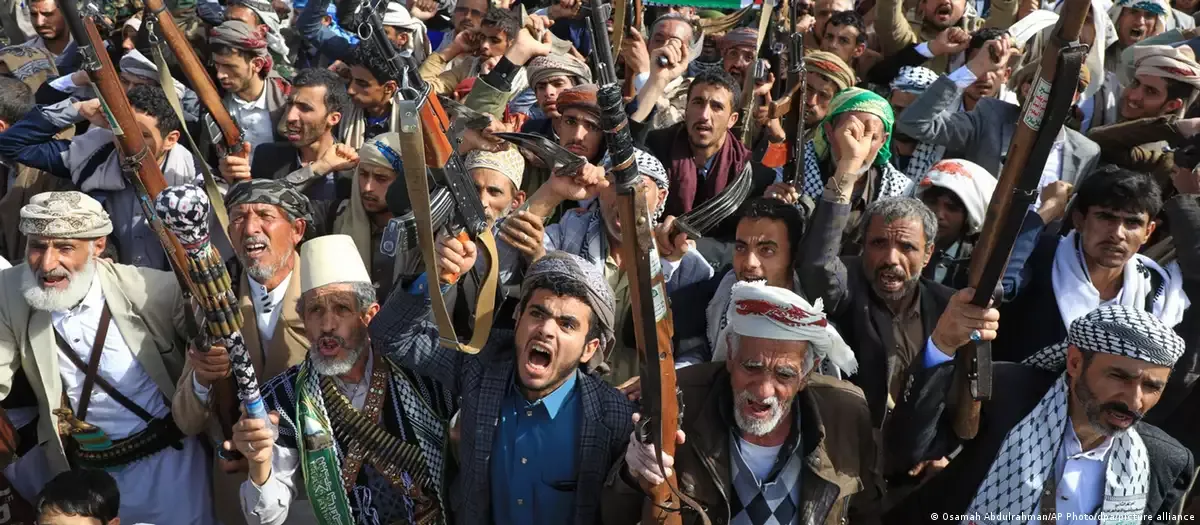
The Houthis — a group controlling a significant part of northern Yemen — have launched missile strikes against Saudi Arabia. The attack came after the group accused the kingdom last week of bombing the airport in Yemen’s capital, Sanaa. This has effectively broken a four-year truce in the conflict between Riyadh and the Iran-backed Houthi movement.
Saudi Arabia intercepted the missiles launched by the Houthis, according to a statement posted on X by the spokesperson for the Saudi-led military coalition in Yemen.
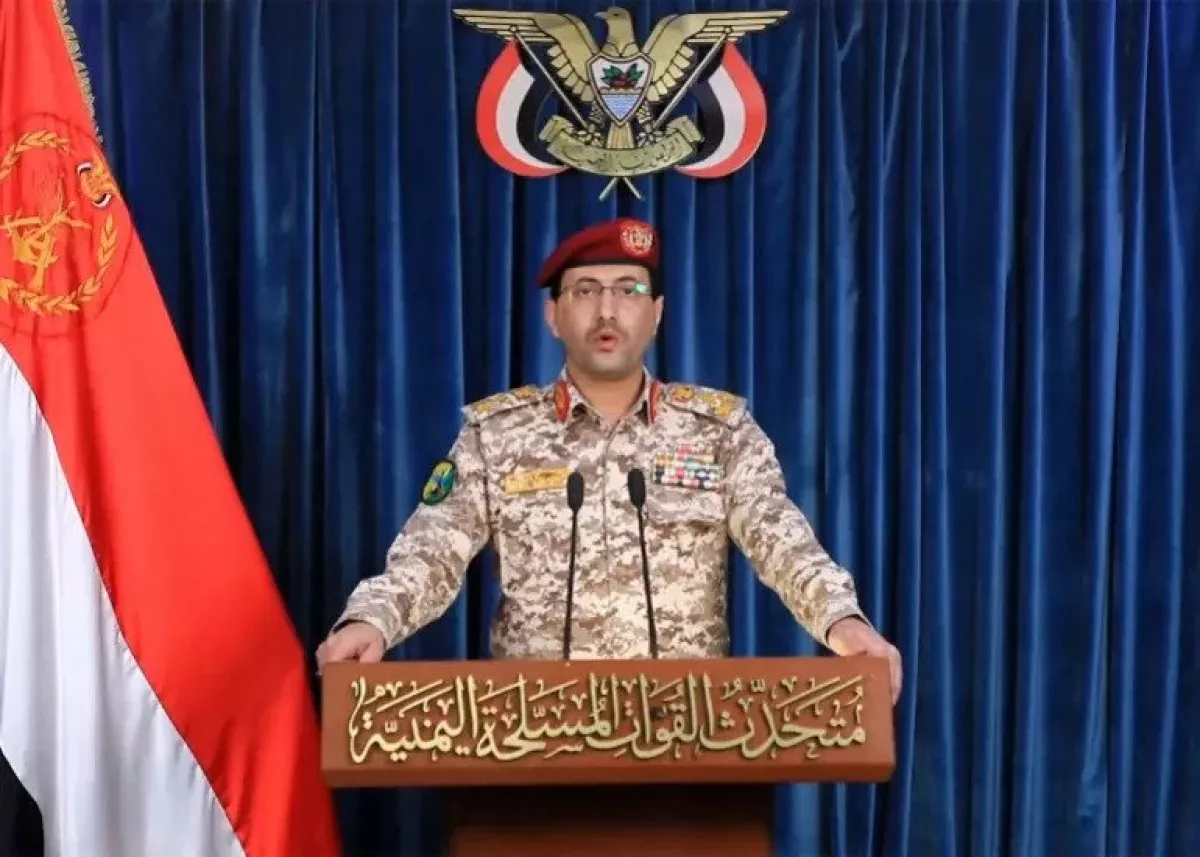
Meanwhile, Houthi military spokesperson Yahya Saree claimed that the group had struck Abha International Airport, the administrative centre of the southern Saudi province of the same name, which borders Yemen and is a popular summer retreat for Saudis seeking relief from the heat.
The exchange of strikes between Riyadh and Sanaa (the Yemeni capital, which is controlled by the Houthi movement) may signal that the region is once again approaching a dangerous threshold.
The reason is that the Houthis, who receive substantial military support from Iran, are capable of targeting tankers in the Red Sea with missiles and drones. The region is also home to another critical maritime chokepoint—the Bab el-Mandeb Strait. Before the war, roughly 20 per cent of global oil trade passed through the Strait of Hormuz, while about 9 per cent transited the Bab el-Mandeb Strait. The strategic importance of the latter has increased significantly in recent months.
Saudi Arabia relies on a pipeline leading to the Red Sea port of Yanbu, enabling it to export 7 million of its 10 million barrels of oil per day. But what would happen if the Houthis—acting independently or in coordination with Iran—began launching missiles and drones at the port and at tankers operating in the Red Sea?
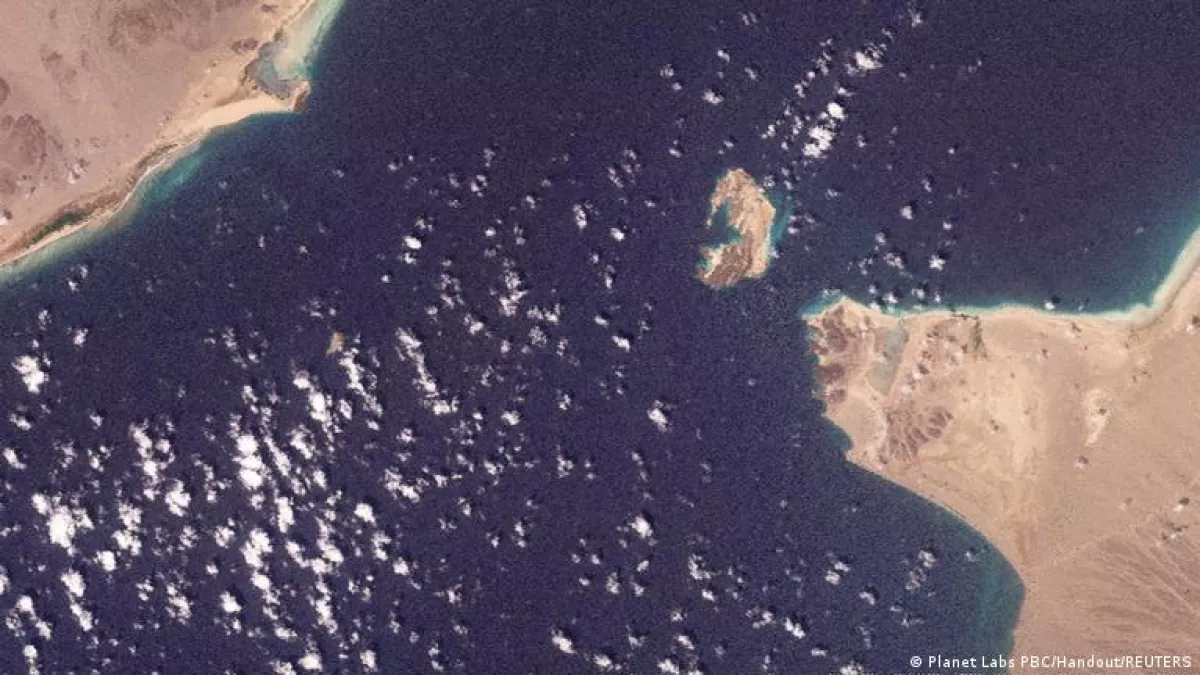
There are now growing concerns that the Houthis, together with Tehran—their principal partner and ally—may attempt to choke off the Bab el-Mandeb Strait and begin attacking commercial vessels in the Red Sea. Such a move would effectively disrupt another of the world's most vital trade arteries, pushing both the global and U.S. economies toward severe disruption while simultaneously dealing a major blow to Saudi interests. It would also trigger a rapid increase in gasoline prices, which are already rising amid the renewed hostilities between Iran and the United States.
An attempt by Iran and the Houthis to block the Bab el-Mandeb Strait and disrupt shipping in the Red Sea could undermine the ruling Republican Party's prospects in the U.S. congressional elections scheduled for November 3. The reason is that the American public tends to react very negatively to rising gasoline prices. Houthi attacks in the Red Sea could amplify the economic impact already being caused by the closure of the Strait of Hormuz.
Against this backdrop, the recent exchange of fire between the Houthis and Saudi Arabia appears to mark the beginning of a potentially dangerous escalation.
At the same time, several restraining factors continue to discourage the Houthis from becoming more deeply involved in the war between the U.S.-Israeli coalition and Iran.
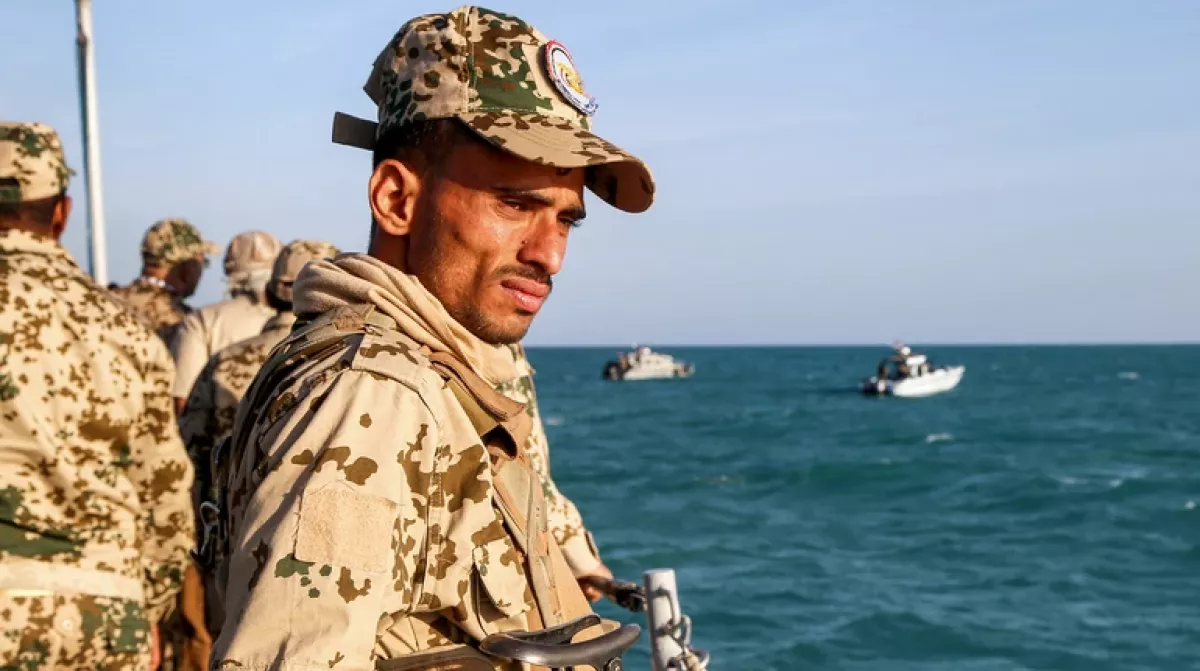
First, there are military and political considerations. The Houthis control roughly one-third of Yemen's territory, including the country's capital, as well as about half of its population. They also hold the strategically important port of Hodeidah, through which humanitarian aid enters Yemen. However, the rest of the country remains under the control of forces opposed to them.
The principal rival is Yemen's internationally recognised government—the Presidential Leadership Council (PLC), to which President Abdrabbuh Mansour Hadi transferred his powers in April 2022.
The PLC is based in the southern city of Aden and receives military and financial support from Saudi Arabia. Another force opposing the Houthis is the Southern Transitional Council (STC), which brings together supporters of an independent South Yemen. The STC has been backed by the United Arab Emirates. It has, however, formally dissolved itself and transferred its authority to the PLC. The Houthis remain engaged in armed conflict with all of these forces, and the front lines have effectively reached a stalemate.
Moreover, the situation has recently become increasingly unstable in northern Yemen as well. The Houthi movement represents the elite of a segment of the northern tribal population and is religiously aligned with Iran.
However, other tribes oppose Houthi dominance. According to their sheikhs, the Houthis have "gone too far, imposing their own dictatorship while violating traditional tribal customs and rights." A genuine tribal uprising against Houthi rule is now gathering momentum in northern Yemen. Anti-Houthi forces have managed to assemble up to 8,000 fighters equipped with heavy weapons. The Houthis themselves field around 50,000 fighters, but their forces are dispersed across an extensive front line.
If the United States and Israel were to begin bombing Houthi positions now, it could significantly weaken the group's military capabilities and improve the prospects of its opponents on the battlefield. Moreover, during previous Israeli airstrikes, the Israeli Air Force eliminated nearly the entire Houthi leadership. In addition, the port of Hodeidah is vital for the delivery of humanitarian aid, and without it, territories under Houthi control could face a severe humanitarian crisis and even famine.
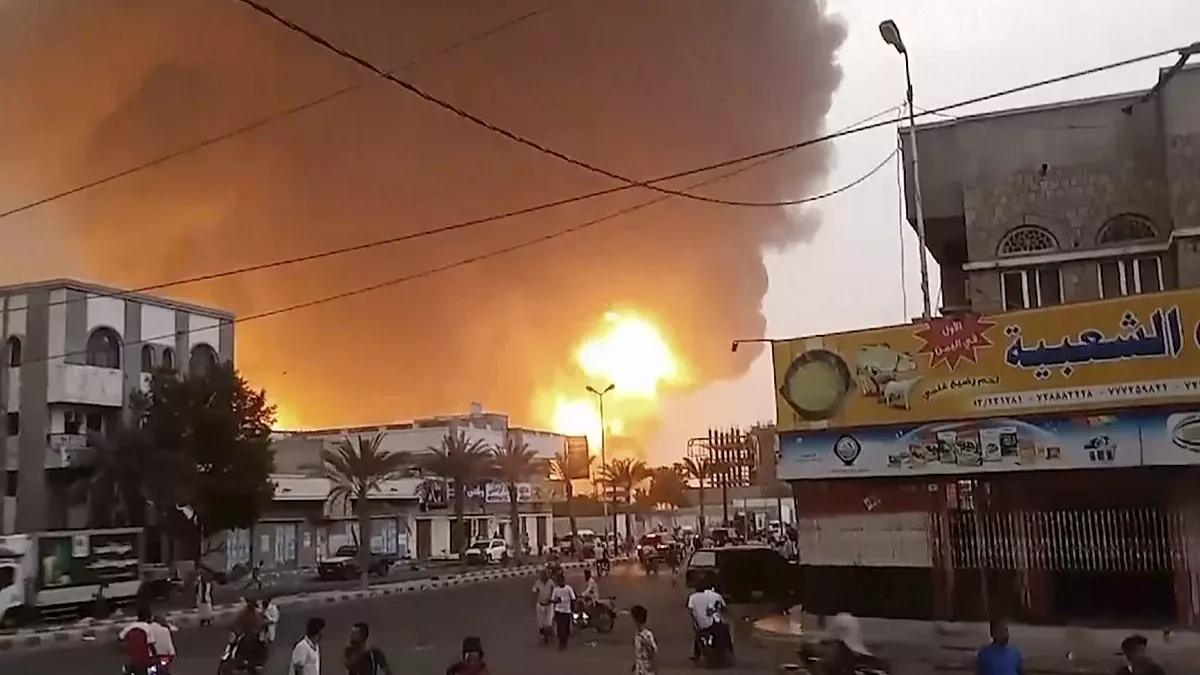
Israel has already carried out strikes on Hodeidah.
A second factor influencing the Houthis' decision on whether to enter a broader war on Iran's side is economic. Despite possessing formidable armed forces—built largely through extensive support from Tehran—and maintaining their own administration in northern Yemen, the Houthis do not control the country's principal sources of wealth: its oil and gas fields. This is one of the reasons behind their continued offensives against southern forces. Their objective is not only to reunify Yemen under their rule but also to secure access to the country's key natural resources, without which they are unlikely to remain economically viable in the long term.
The lack of control over these strategic resources has severely weakened the economy of northern Yemen. This has been compounded by the harsh effects of the Houthis' economic isolation, a policy supported to varying degrees by Saudi Arabia and the United Arab Emirates. In practice, this has resulted in unpaid public-sector salaries and the collapse of basic public services. These hardships have brought the Houthis into direct confrontation with northern residents, who have grown increasingly frustrated by the continued decline in living standards. Combined with police repression against critics, these conditions have become the principal catalyst for the ongoing tribal uprising.
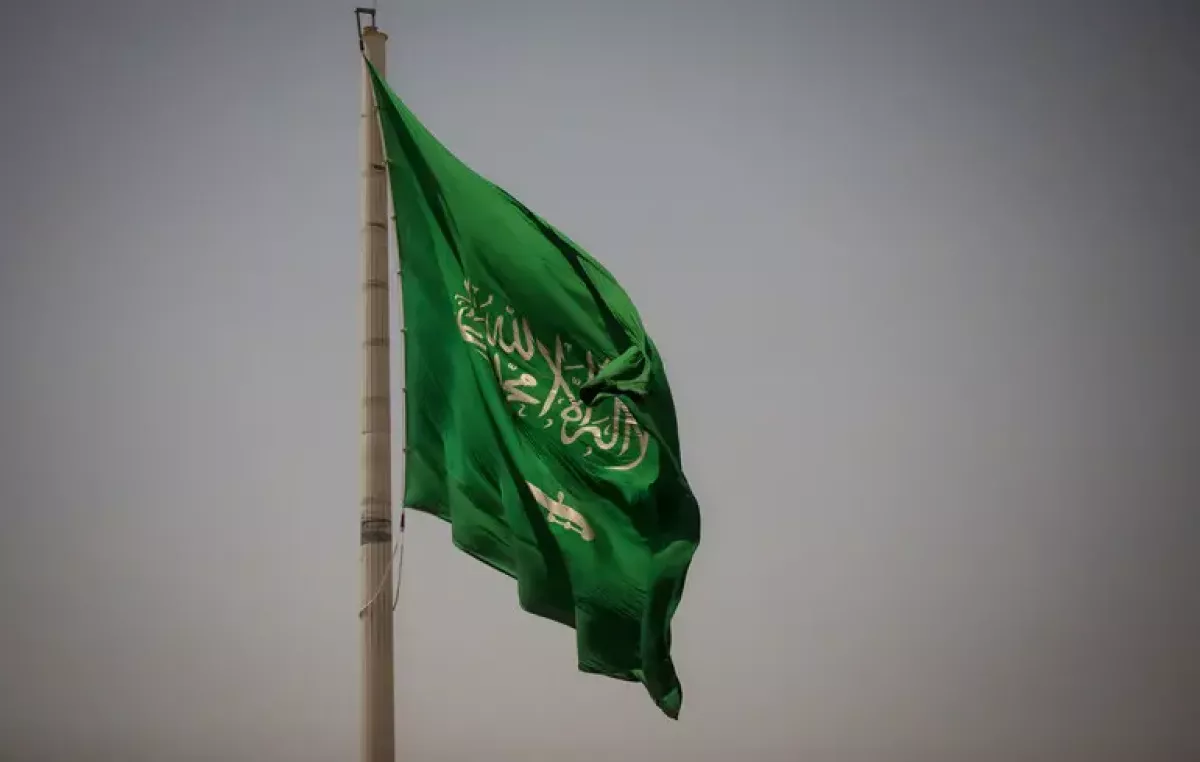
At the same time, the Houthis hope to reach an agreement with Saudi Arabia that could open their economy to investment or, at the very least, expand trade opportunities. This remains a significant consideration for the movement, and negotiations between the two sides continue intermittently.
Expert on Yemen Gregory Johnsen notes that the Houthis are well aware of the consequences of their actions and are wary of jeopardising a potential future agreement with Riyadh. Such a deal could include both political recognition of the Houthis and economic concessions. However, if the movement resumes large-scale attacks in the Red Sea, thereby threatening Saudi Arabia's security, it would cement its status as the Kingdom's principal adversary.
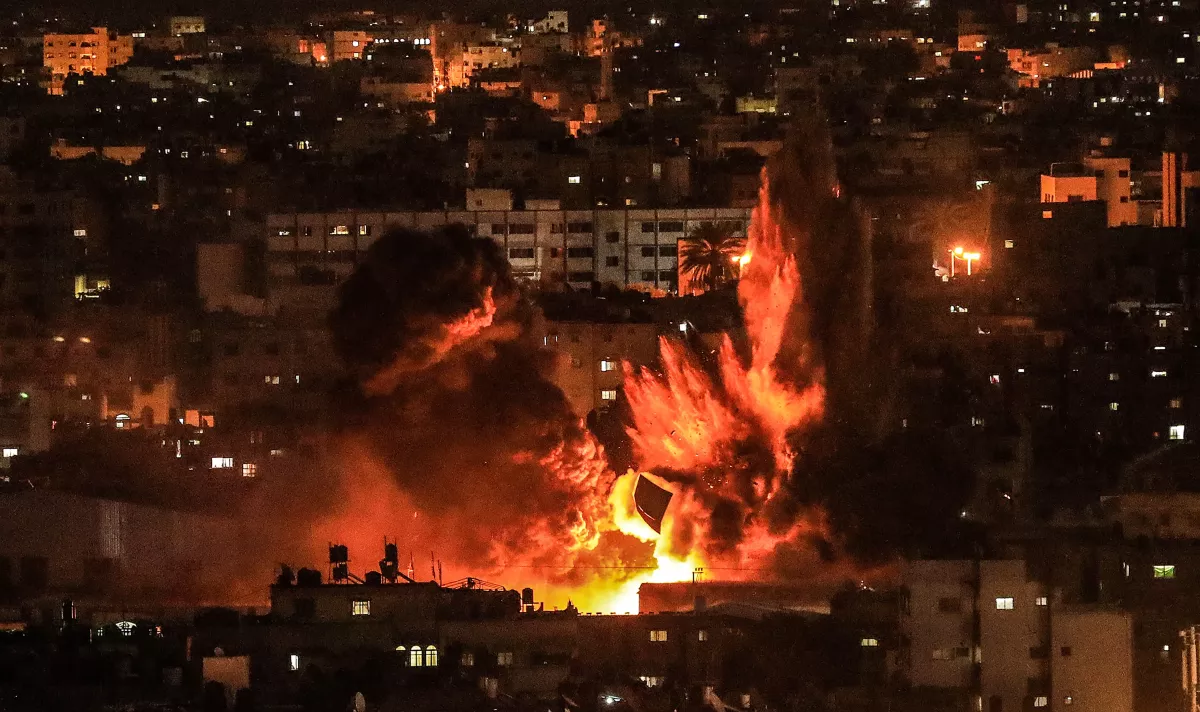
Finally, the political factor should not be overlooked. There is a difference between the Houthis targeting ships in the Red Sea while demanding an end to Israeli bombardments of the Gaza Strip — a position that enjoys considerable popularity in Yemen — and engaging in military action on behalf of Tehran’s interests. Iran does not enjoy the same level of support there. Therefore, the Houthis’ involvement in a conflict driven by Iranian interests — especially against the backdrop of war in the south and an armed tribal uprising in the north — could create serious challenges for the movement.
At first glance, they have little incentive today to once again launch a large-scale confrontation in the Red Sea, where they have previously attacked tankers using drones and missiles.
However, all these factors may prove less significant than pressure from Iran. It is Tehran that the Houthis owe their current military capabilities to. Without Iranian support, they would hardly have been able to withstand the fight against southern forces backed by Saudi Arabia and the UAE.
Therefore, the situation remains uncertain, and much will depend on decisions made in Tehran itself. If the United States begins striking Iran’s civilian infrastructure, Iranian leaders may demand that the Houthis launch attacks on tankers in the Red Sea and the Bab el-Mandeb Strait.







 editor@caliber.az
 +994 55 444-88-98
 Азербайджан, Баку, ул. Низами, 203, Af Business House, 5-й этаж