










Is Europe preparing for war with Russia? Inside NATO’s new defence strategy
Today, the question of a possible military confrontation between Russia and NATO is no longer limited to expert discussions. Whereas before the start of Russia’s full-scale war against Ukraine such scenarios were considered mainly within the framework of strategic exercises, they have now become part of the official rhetoric of European leaders.
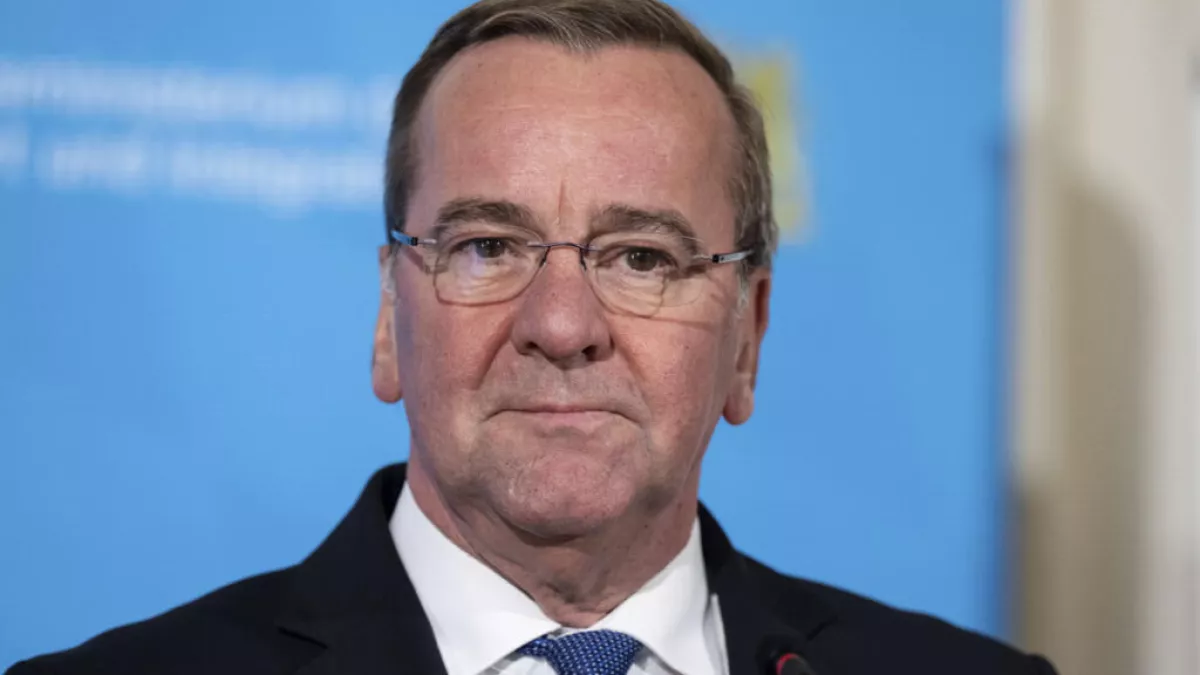
In particular, German Defence Minister Boris Pistorius has repeatedly stated that Russia could rebuild sufficient military capabilities to pose a threat to NATO countries as early as 2029. At the same time, Bundeswehr Inspector General Carsten Breuer believes that such a scenario could materialise even sooner. Similar assessments have been voiced in Norway, where military officials believe that Moscow could be ready for a new war as early as this year or next year.
At the same time, particular concern is being raised by assessments from the intelligence services of the Baltic states and Poland. According to Lithuanian President Gitanas Nausėda, intelligence agencies have information suggesting that Russia could be preparing limited provocations against NATO member states. He stressed that this would not involve a full-scale invasion, but rather so-called “targeted kinetic operations” — possible acts of sabotage or strikes against critical infrastructure aimed at testing the speed and determination of the collective response from NATO members. Meanwhile, Lithuania’s Defence Minister Robertas Kaunas warns of the risk of escalation, arguing that amid the prolonged Russia-Ukraine war, the Russian leadership may seek new ways to exert pressure on its European neighbours.
Meanwhile, such statements cannot be viewed separately from the large-scale changes taking place in Europe’s defence policy. Germany, for example, is implementing the largest rearmament programme since the end of the Cold War, investing tens of billions of euros in modernising its armed forces and planning to increase defence spending to 3.5% of GDP. Poland has already become one of the world’s leaders in terms of defence spending as a share of GDP: its military budget is approaching 5% of GDP, while Warsaw is purchasing modern tanks, self-propelled artillery, multiple launch rocket systems, fighter jets, and air defence systems, and actively developing its own defence industry.
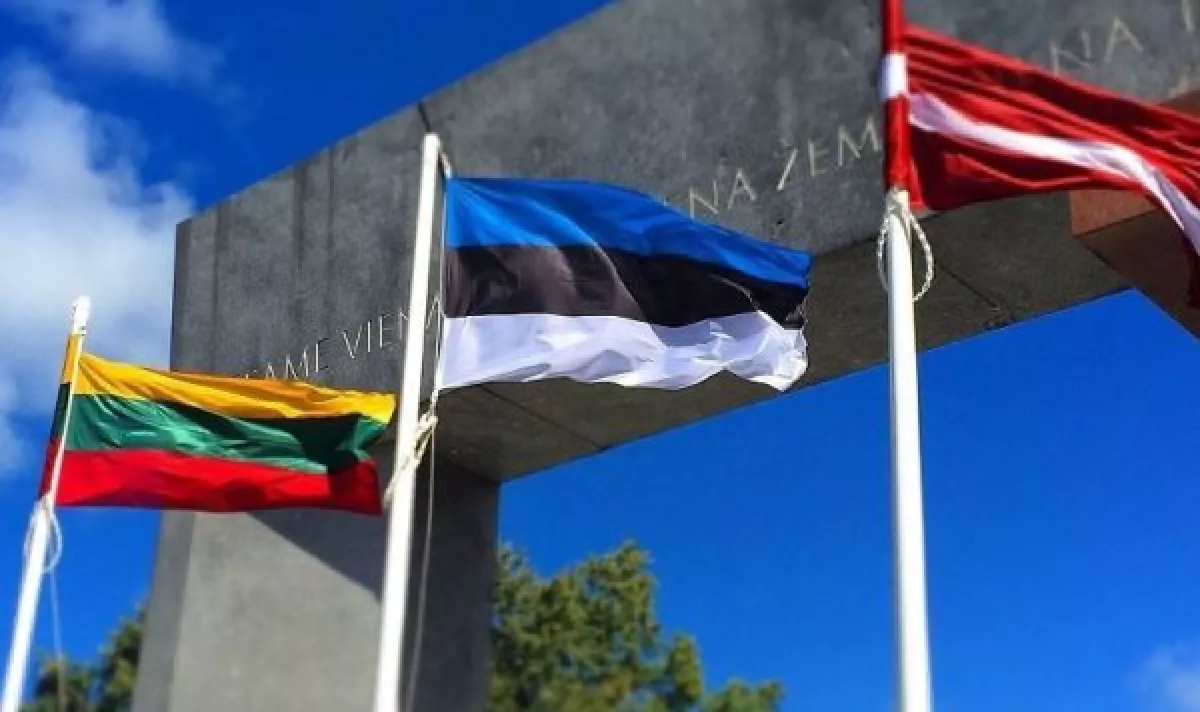
The Baltic states have also significantly increased defence spending, placing particular emphasis on strengthening their borders, constructing engineering barriers, developing territorial defence capabilities, and deepening cooperation with NATO allies. The example of Finland is especially noteworthy. Having joined NATO after the outbreak of the Russia-Ukraine war, the country did not radically change its defence concept, as it had spent decades developing a model of so-called total defence, which involves the participation of virtually the entire society in ensuring national security.
Finland possesses one of the largest artillery arsenals in Europe, maintains a large-scale mobilisation reserve — which is expected to approach one million personnel by the beginning of the next decade — and is actively modernising its national security legislation. Particular attention is being paid to geographical factors: the country’s forested terrain, numerous lakes, and challenging landscape are viewed by its military as elements that could significantly complicate large-scale offensive operations.
At the same time, Finnish experts acknowledge that the experience of the war in Ukraine requires accelerated development of drone technologies, electronic warfare capabilities, and modern intelligence-gathering systems. While Finland is focusing on the mobilisation resilience of its society, Poland is seeking to create a defence line along its border with Russia and Belarus that is as densely equipped as possible with engineering structures. The “Eastern Shield” project includes the construction of fortifications, anti-tank barriers, surveillance systems, sensor networks, and the integration of advanced unmanned systems. However, journalists from Politico, Die Welt, and Onet, who visited the construction sites, note that the project is still far from completion, with some sections of the engineering infrastructure remaining only at the initial stages of construction.
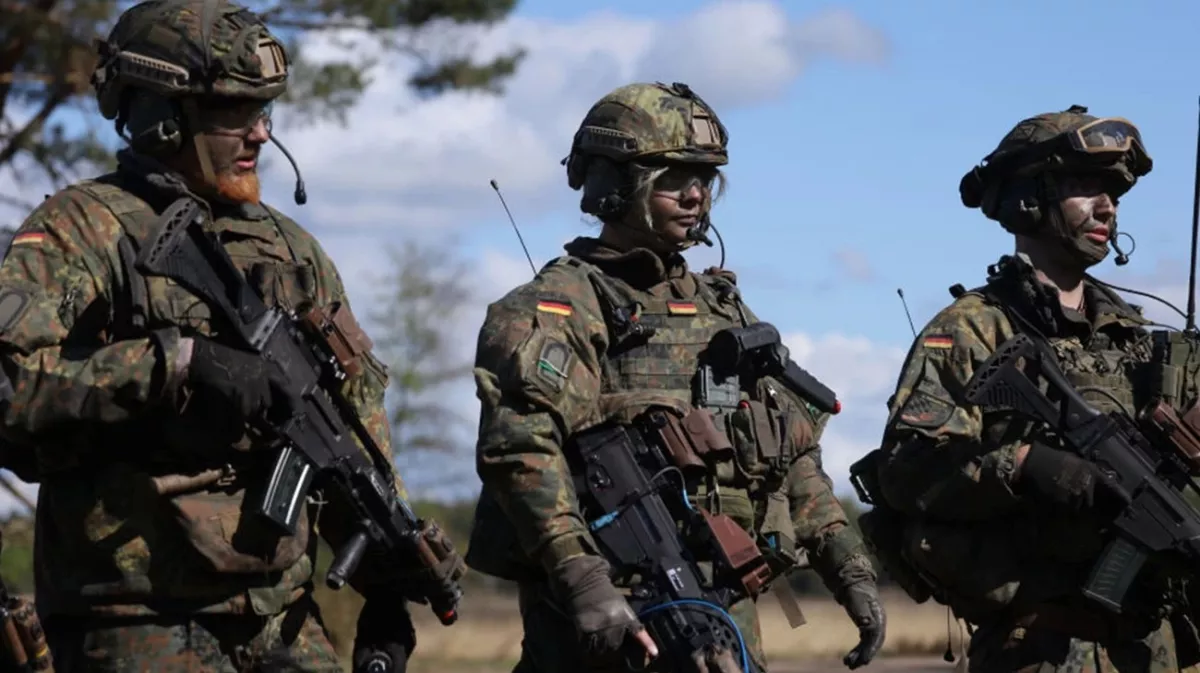
The Baltic states face the most challenging situation. Their geography, small territory, and limited human resources make it impossible for them to rely on prolonged independent resistance in the event of potential aggression. This is why Lithuania, Latvia, and Estonia are integrating their defence plans as closely as possible with their NATO allies. In this context, Germany’s decision to permanently deploy a full-fledged combat brigade of around 5,000 troops on Lithuanian territory takes on particular importance. The move is seen as a political signal: an attack on one of the Baltic states would automatically draw Europe’s largest economy into the confrontation.
At the same time, this area is not without challenges either, as European analysts themselves acknowledge. For example, military simulations conducted by Die Welt in cooperation with the German Centre for Military Games showed that political decision-making procedures within Europe could prove significantly slower than the pace of developments on the battlefield. According to the published findings, in the simulated scenario the Russian side acted considerably faster, while European participants devoted more time to coordinating decisions and building a political coalition. This factor is now considered one of the main challenges facing NATO.
However, there is another side to the debate. The Russia-Ukraine war has proven extremely costly for Moscow, and international research centres and intelligence agencies from various countries agree that the Russian military has suffered significant losses in personnel and equipment. Over the course of the war, Russia has lost around 1.5 million servicemen — killed and wounded — while thousands of armoured vehicles, a substantial number of artillery systems, aircraft, and helicopters have been destroyed. The Black Sea Fleet has also suffered unprecedented losses, forcing Moscow to alter the way it operates the naval force.
The Russian economy is also experiencing significant pressure. Sanctions, rising military spending, labour shortages, and structural constraints are placing additional strain on industry and public finances. Ukrainian drone strikes on oil refining facilities have repeatedly led to temporary disruptions at individual refineries, as reported by international news agencies and industry analysts. This raises a legitimate question: “If Russia has already been waging a large-scale war against Ukraine for more than four years, consuming enormous human, financial, and technical resources, how realistic is the scenario of opening a new front against NATO countries?”
It is important to emphasise that, from the perspective of NATO members, the focus is most likely on accounting for long-term risks. Military planning is traditionally based not on the most likely scenario, but on the most dangerous one. This explains the rapid growth of European defence budgets. For countries on NATO’s eastern flank, the issue is not only the ability to repel a potential attack, but also the creation of a level of preparedness that itself serves as a deterrent.
Thus, modern European defence policy is developing under the influence of two key factors: the lessons of the war in Ukraine, which demonstrated that a large-scale armed conflict in Europe can no longer be considered impossible, and the recognition that timely preparation can often prevent a crisis before it begins. Whether the current concerns of European capitals prove justified remains to be seen. However, one thing is already clear: Europe’s security architecture is undergoing its largest transformation since the end of the Cold War, with NATO’s eastern flank becoming one of the key elements of this emerging system.







 editor@caliber.az
 +994 55 444-88-98
 Азербайджан, Баку, ул. Низами, 203, Af Business House, 5-й этаж