










The Baltics between Washington and Brussels Analysis by Preigerman
The Baltic states continue to hold particular geopolitical importance for the United States. At the same time, Washington remains the primary security guarantor for these countries. Sooner or later, this dynamic may raise a question within the EU—one that Lithuania, Latvia, and Estonia would prefer to avoid for as long as possible: what role will they play in rapidly evolving transatlantic relations?
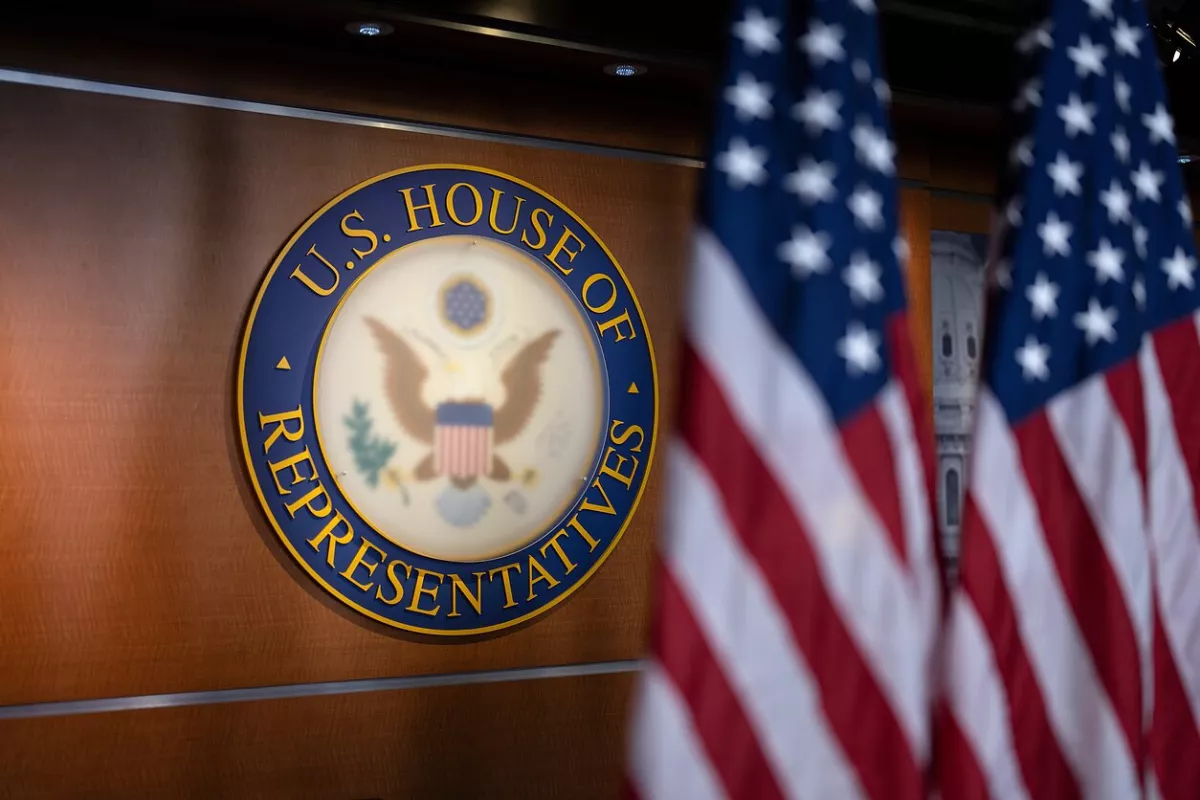
On May 14, the House Foreign Affairs Committee of the U.S. Congress held hearings on security in the Baltic region and Washington’s relations with its three states—Lithuania, Latvia, and Estonia. The central issue of the discussion was how to strengthen defence capabilities on NATO’s northeastern borders. The hearings featured Christopher Smith, Deputy Assistant Secretary of State for European and Eurasian Affairs, as a guest speaker.
The Baltic's significance for the US
A glance at the map is enough to understand the geostrategic importance of the entire Baltic Sea region, and in particular the three coastal states that were the focus of the hearings. It is therefore not surprising that for many decades there has been a bipartisan consensus in the United States regarding the importance of close cooperation with Lithuania, Latvia, and Estonia.
Despite the long-term shift in priorities within Washington’s global strategy and the declining importance of Europe for American foreign policy interests, the Baltic states continue to hold a special role even in the eyes of the Trump administration. This is understandable. Heightened instability on NATO’s eastern flank could become a long-term headache for the Americans and a major obstacle to their intentions to reduce their military presence on the European continent.
In other words, if Washington is unable to rely on a relatively stable and controllable security architecture in the Baltic Sea region and the broader Eastern European space, then the goal of reducing U.S. military and budgetary expenditures in Europe will become more difficult than many assume.

As emphasised by Congressman Keith Self, who chaired the hearings, the defence of the Baltic states is “a direct measure of the alliance's credibility and core US national security interests.” According to him, deterring Russia in this region is an urgent task that Western allies must address now, without waiting for the outcome of the war in Ukraine.
He stated that NATO must be capable not only of responding to a hypothetical aggression against the Baltic states, but of preventing it altogether. This reflects the new conceptual vision of defending NATO’s eastern flank that has emerged following recent Alliance summits.
Similar messages were also voiced during the hearings by other members of Congress from both parties. In addition to the Russia factor, some of them also introduced the China factor into the Baltic context, emphasising the broader global importance of the region for U.S. interests.
All these statements by U.S. lawmakers point to a clear conclusion: regardless of how relations between the current U.S. administration and Western European allies evolve, both current and future administrations will find it critically important to maintain close bilateral engagement with the Baltic states. Therefore, the region is likely to retain a higher priority on Washington’s strategic mental map than many other parts of Europe.
The Baltic states' role in changing transatlantic relations
It is clear that such parliamentary hearings, held in a “public-facing” format, are primarily used as a tool of political competition. They resemble a political talk show more than a professional, in-depth review with qualified experts in a given field. The congressmen and senators participating in them tend to use the public platform not so much to obtain information from executive branch representatives, but rather to make political statements and promote themselves. As a result, the informational value of such events is generally quite limited. The hearings featuring Chris Smith were no exception.
Nevertheless, some of the statements made during the hearings are of interest and reveal a great deal about the future role of the Baltic states in several geopolitical dynamics at once.
In addition to the already noted themes in the congressional discussion, another narrative line is hard to miss: the way both the State Department representative and all members of the House of Representatives who spoke referred to the Baltic states in comparison with other European U.S. allies.
The Deputy Assistant Secretary of State said: “These allies are consistently among the most pro- transatlantic and pro- US voices in Europe, particularly on NATO defense spending, on energy security, and support for peace in Ukraine. They never shy away from breaking with EU consensus when necessary to side with the United States on matters of shared principles.”
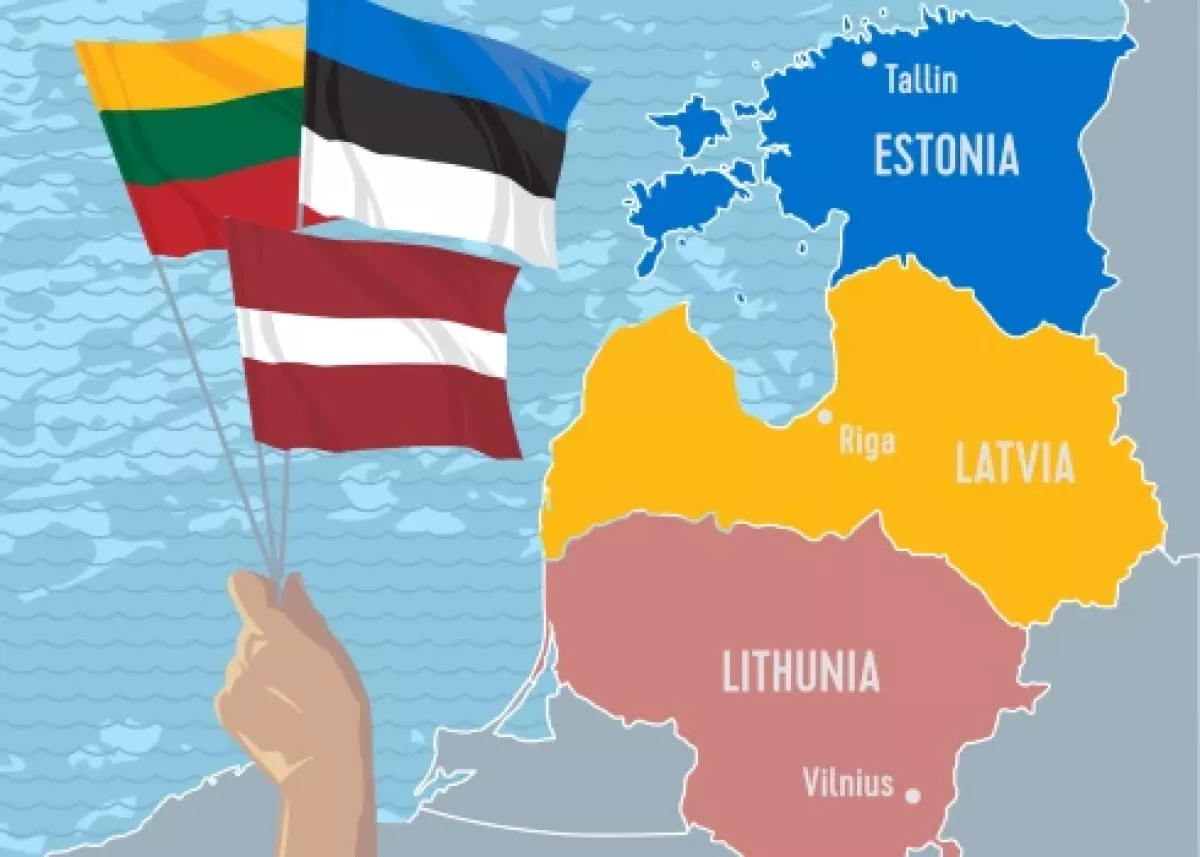
Repeatedly during the hearings, both Smith and members of Congress described the Baltic republics as “model allies.” In doing so, they presented them as an example for other European NATO members of what Washington expects from partners under its security umbrella.
Indeed, the Baltic states and Poland (as well as some other Central and Eastern European countries) have long had a reputation as the most U.S.-oriented European states. Their accession to the European Union in 2004 did not change this: through both their actions and rhetoric, these governments have consistently signalled that they regard the United States as their primary ally and partner.
As a result, in almost any real or hypothetical disagreement between European allies and Washington, these countries have tended to side with the latter.
After Donald Trump returned to the White House and began to challenge some of the long-established foundations of transatlantic relations, the Baltic republics found themselves in a particularly difficult and delicate position. For them, uncertainty—and even more so tensions within these relations—carry especially serious risks.
First, this is because they are located on the front line of geopolitical confrontation while also sitting on the geographical periphery of both the Western collective defence system and the European integration project. As a result, the elites and societies of these countries feel particularly vulnerable, especially given their deeply rooted interpretation of their own history. Today, for understandable reasons, they fear losing the stability provided by what has long seemed like the all-powerful American security umbrella, as well as the many economic and political benefits of close integration within the EU.
Second, shifting their strategic focus away from prioritising cooperation with Washington toward an equivalent level of engagement with key European actors is difficult for the Baltic states. This is true in a practical sense, because in material terms such an alternative does not yet really exist—European strategic and defence autonomy remains more of a slogan than a reality. It is also true in a cultural and psychological sense: although many historical contradictions with European neighbours have faded, a degree of mistrust still remains part of the strategic culture of Baltic societies.
Therefore, it is only natural that amid deepening tensions on both sides of the Atlantic, the Baltic governments try to adopt a position that differs from many other EU member states. Even now, as more and more European capitals are shifting from deference toward the Trump administration to open criticism of it, the Baltic republics seek to stay away from any disputes or confrontations with Washington. Where possible, they simply remain silent so as not to attract undue attention from U.S. authorities.
At the same time, they continue to aim to maximise the benefits of their military-political alliance with the United States, while also supporting more intensive and large-scale European cooperation in the field of defence and the defence industry.

However, whenever an opportunity arises to further strengthen ties with the United States—despite the unpredictability of Trump’s policies, criticism from EU partners, or even at the expense of European allies—the Baltic states do not hesitate for long, at least for now. The most recent example is their active proposals to Washington to redeploy a 5,000-strong U.S. military contingent that the United States is planning to withdraw from Germany. Poland and Romania have expressed similar wishes.
In doing so, they reaffirm their readiness to support even those American actions and initiatives that have become unacceptable to key Western European capitals.
Such a political line pursued by the Baltic states is understandable and fits within their strategic priorities. At a minimum, they seek to buy time and avoid taking actions that could leave them without American security guarantees, while their European allies are still unable to offer anything remotely comparable.
At the same time, it is also clear that within the EU this approach may begin to raise a question that the Baltic states would prefer to avoid answering for as long as possible: what role will Lithuania, Latvia, and Estonia play in the rapidly changing transatlantic relations?
A threat to European strategic autonomy?
This question will likely, at some point, shift from a theoretical to a practical one. If the Baltic states continue to prioritise cooperation with the United States and alignment with American interests, how does this align with the EU’s declared course toward developing strategic and defence autonomy?
The answer is clear: with difficulty. This remains the case even considering that Washington itself advocates greater autonomy for its European allies, while those same allies would prefer to keep the American security umbrella over Europe fully open.

The close alignment and mental orientation toward the United States among the Baltic states and other countries on NATO’s eastern flank will sooner or later become a challenge for Europe’s autonomous ambitions—provided, of course, that those ambitions do not fade away beforehand.
Efforts to build European defence autonomy will encounter the same difficulties that previously prevented the EU from negotiating trade talks with Washington from a position of strength. The main obstacle is fragmentation and the lack of coordination among the many positions and interests within the European Union.







 editor@caliber.az
 +994 55 444-88-98
 Азербайджан, Баку, ул. Низами, 203, Af Business House, 5-й этаж