










US–Israel: Is the “special relationship” fraying? Analysis by Preigerman
Even if the US–Israeli alliance remains America’s only truly “special relationship,” it is facing its most serious challenges — particularly against the backdrop of the war with Iran. These ties are unlikely to lose their uniquely close character in the short term. Yet preserving them in their current form will also prove difficult.
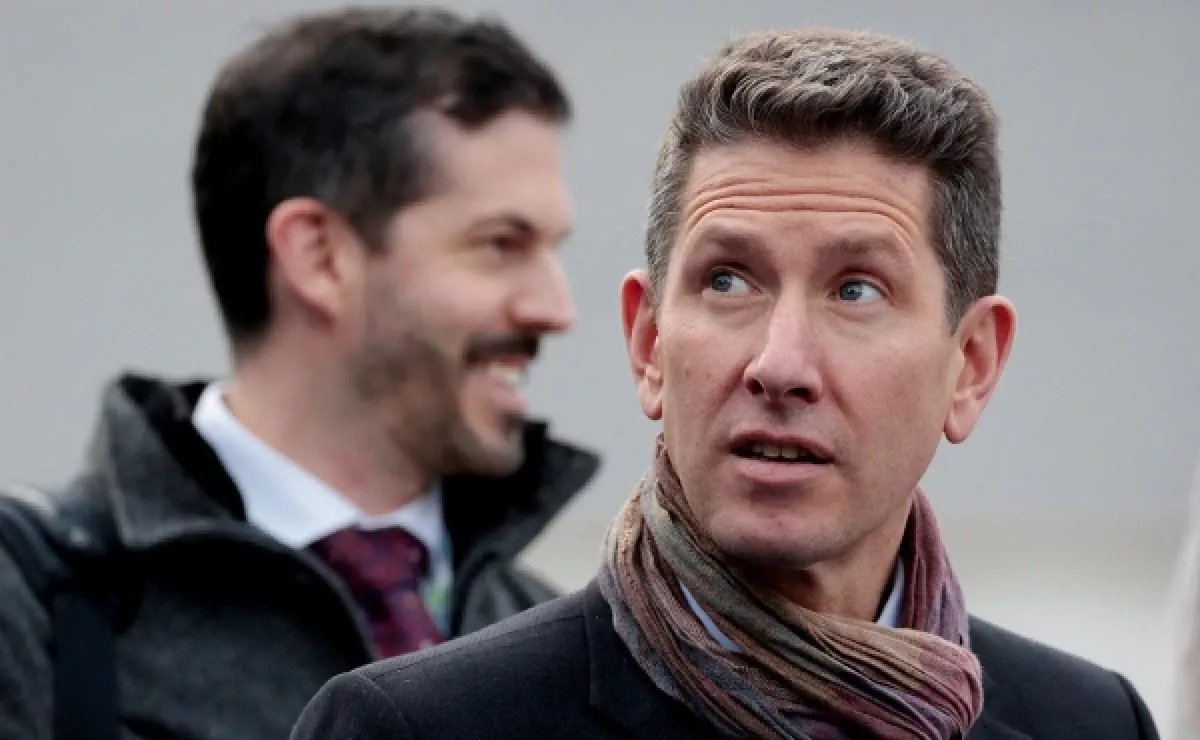
During a private meeting with a group of students in February, the British ambassador to the United States, Christian Turner, voiced an opinion that later leaked to the media and nearly triggered a political scandal. Responding to a question about the so-called “special relationship” between the US and the UK, the diplomat remarked that the only country with which Washington still maintains such a level of relations is Israel.
Current developments in the Middle East certainly provide grounds for such an assessment. Hardly any of America’s traditional allies today can even dream of receiving the level of understanding and support from the US administration that Israel continues to enjoy. In this regard, the fact that it was the British ambassador who made such remarks is particularly revealing. The contrast between Washington’s two historically most “special” foreign relationships speaks volumes.
However, within Israel itself, public and elite sentiment regarding the future of close cooperation with its American ally appears far less optimistic. This is especially true against the backdrop of the difficulties the US–Israel duo has encountered following the launch of the military operation against Iran. Influential Israeli analysts are sounding the alarm over the increasingly evident risks of losing those very “special relations” with Washington — and, along with them, the exclusive ability to influence processes and decisions in both American foreign and domestic policy.
What makes the relationship special?
The United States was the first country to recognise Israel’s independence in May 1948. De facto, this occurred just 11 minutes after the corresponding declaration by the founding fathers of the new state.
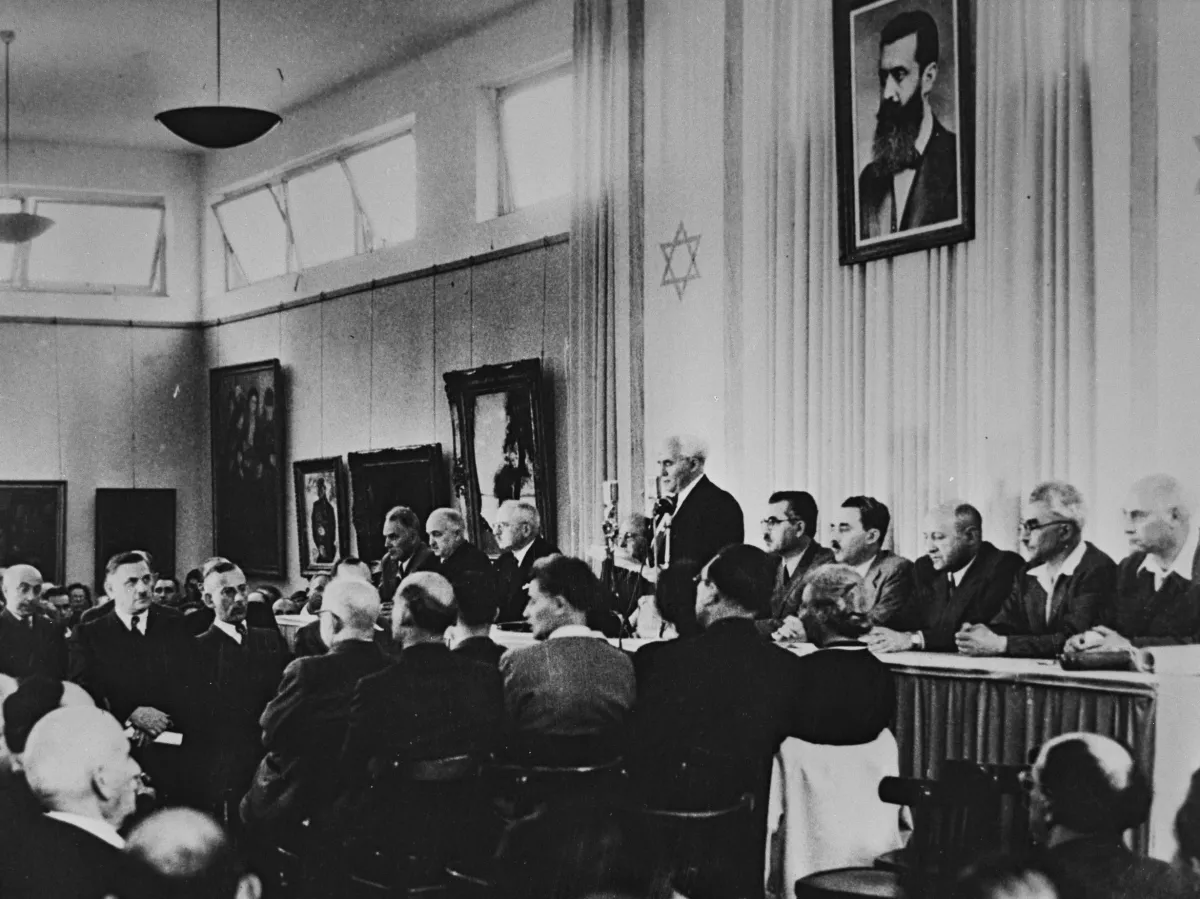
However, the “special US–Israeli relationship” is usually considered to have begun in the late 1950s, when the administration of Dwight D. Eisenhower started viewing its ally as an especially valuable geostrategic asset in the Middle East.
Following the Six-Day War in 1967, the Yom Kippur War in 1973, and the signing of the peace agreement between Israel and Egypt in 1979, these relations acquired the form familiar today. Israel became the largest recipient of American foreign aid, while close coordination with Washington evolved into the cornerstone of Israel’s national security strategy.
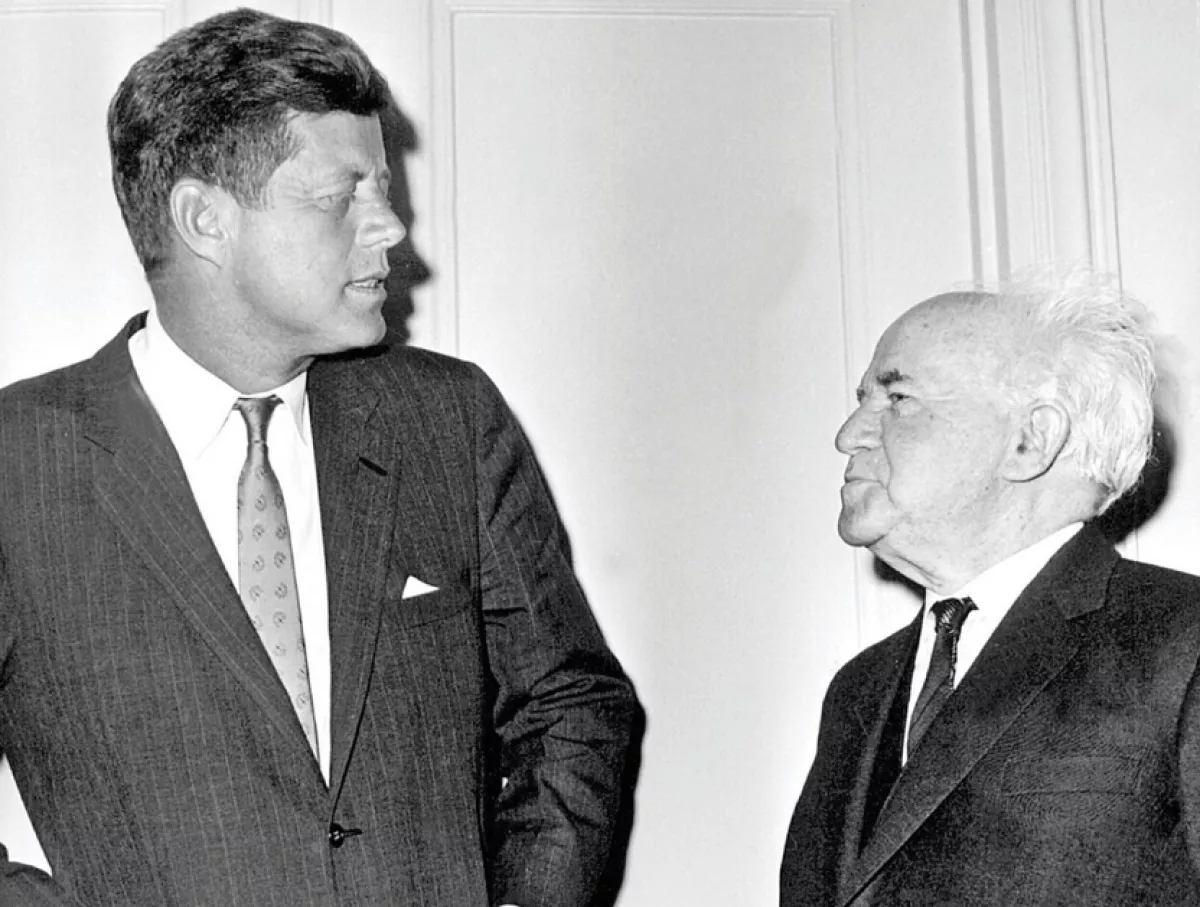
The very term “special relationship” in the context of close cooperation between the two countries was first used by John F. Kennedy. In a private conversation with then-Israeli Foreign Minister Golda Meir, he stressed: “The United States has a special relationship with Israel in the Middle East, really comparable only to that which it has with Britain over a wide range of world affairs.”
Publicly, however, this description of the US–Israeli alliance was first voiced fifteen years later by Jimmy Carter. Then, in 1987, the administration of Ronald Reagan formally designated Israel a “major non-NATO ally.” Alongside Australia, Egypt, Japan, and South Korea, it became one of the first states to receive this status.
A particularly important role in building and maintaining the “special relationship” between the two countries has traditionally been played by the Jewish lobby in the United States. Its influence is so extensive and powerful that countless legends surround its activities within American politics. Some of these are more myth than reality. Nevertheless, the status of the Israeli lobby within the corridors of power in the US — and, more broadly, within American society — remains unique.
One could even say that Israelis and representatives of Jewish organisations have long become insiders in the American political process. Hardly anyone else in the world can boast such opportunities.
In practice, the US–Israeli “special relationship” rests on several key pillars. Washington has formal legal commitments to its ally in the fields of security and defence. For example, in 2016 the two sides signed a 10-year memorandum of understanding providing for $38 billion in military assistance. Under this framework, the United States allocates roughly $3.3 billion annually in foreign military aid to Israel, along with an additional $500 million for missile defence programmes. From time to time, the US government also approves extra targeted funding.
In addition, the military and intelligence services of the United States and Israel cooperate at every level and on a continuous basis. This involves not only joint exercises, research into highly sensitive issues, and the development of weapons systems, but also day-to-day coordination. More broadly, Israeli authorities and defence industry companies enjoy unique privileges within numerous US military and defence-industrial programmes.
The central strategic objective of such close security cooperation is not concealed: to help Israel maintain its Qualitative Military Edge over all other actors in the Middle East. This policy entails not only extensive and exclusive support for Israel itself, but also restrictions on military-technical cooperation with other states in the region.
The “special relationship” with Israel also underpins the overwhelming majority of US diplomatic initiatives in the Middle East. This applies both to long-standing attempts to de-escalate and resolve the Israeli–Palestinian conflict and to equally long-running efforts to normalise relations between Israel and the Arab states of the region.
Among the most prominent initiatives of the past decade are the Abraham Accords, the I2U2 summit involving India, Israel, the United States, and the UAE, as well as the “Prosperity” project bringing together Israel, Jordan, and the UAE.
Long-term erosion of the foundations of the “special relationship”?
The issue of growing risks and challenges facing the US–Israeli “special relationship” is not new. Long-term demographic trends in the United States — and their inevitable impact on the distribution of political preferences among voters — have for years pointed to a gradual weakening of Israel’s position within American society.
However, developments in the Middle East since October 2023 — and especially the current war with Iran — have clearly accelerated and intensified these and other trends unfavourable to Israel. This is particularly due to the widespread perception that the Israeli authorities, despite repeated warnings, dragged Washington into an Iranian adventure carrying extremely painful consequences both for the United States itself and for the global economy.
Particularly revealing is the shift in American public opinion regarding Israel. Traditionally, it has been one of the pillars of the “special relationship” and a major factor behind the near-total bipartisan support for Washington’s Middle Eastern ally.
A recent survey by the Pew Research Center found a continuing sharp decline in positive attitudes towards Israel among Americans. Around 60% of respondents now expressed an unfavourable view of the country. By comparison, the figure stood at 53% last year and 42% in 2022.
As analysts at the Institute for National Security Studies (INSS) point out, these numbers are now approaching American perceptions of countries such as Iran, China, and Russia, which are generally regarded as hostile to the United States.
Israeli experts are particularly alarmed by the extraordinarily high share of young Americans aged 18–29 who hold negative views of Israel — 75%, with the figure standing at 67% among those aged 30–49. Among young supporters of the Democratic Party, anti-Israeli sentiment is even more pronounced, reaching 85% (and 83% among middle-aged Democrats).
At the same time, Republicans are also increasingly shifting in a similar direction: 64% of young Republicans and 52% of Republicans aged 30–49 now view Israel negatively. Just a year ago, attitudes among the younger wing of the Republican Party did not appear nearly as alarming for the future of the “special relationship.”
Similar patterns can also be observed across major religious groups, where younger generations have sharply moved towards anti-Israeli positions. For example, around half of evangelicals and 74% of Catholics under the age of 50 now express negative attitudes towards America’s ally.
The latter may prove to be an especially telling warning sign given the growing influence of the conservative Catholic wing on the right flank of the American political spectrum. Moreover, over the past decade, Israeli authorities have placed considerable emphasis in their public diplomacy on Republican constituencies — particularly evangelicals — viewing them as a stable base of support.
Naturally, shifting public attitudes towards Israel are increasingly being reflected in media and elite discourse within the United States. Growing criticism of Washington’s Middle Eastern ally is being voiced in Congress, particularly among Democrats. As the 2028 expiration date of the above-mentioned memorandum of understanding approaches, many lawmakers are arguing that Israel should face stricter conditions before any new agreement is signed.
Notably, such positions are now beginning to be advocated even by J Street, one of the most influential pro-Israeli lobbying organisations in the United States.
Another systemic consequence of the war with Iran?
As we have written previously, the current Middle Eastern war is likely to produce a number of far-reaching consequences affecting the entire system of international relations and altering variables that once seemed constant. Whether the “special US–Israeli relationship” will be among them remains an open question.
It is unlikely that, in the near future, these ties will lose all of the uniquely close cooperation upon which they have been built for decades. After all, the strategic importance of the Middle East for American interests remains intact, even despite the region’s diminished prominence in last year’s US National Security Strategy.
At the same time, it appears equally improbable that the relationship will remain unchanged amid the profound structural transformations taking place in global politics and within the United States’ own foreign policy discourse.
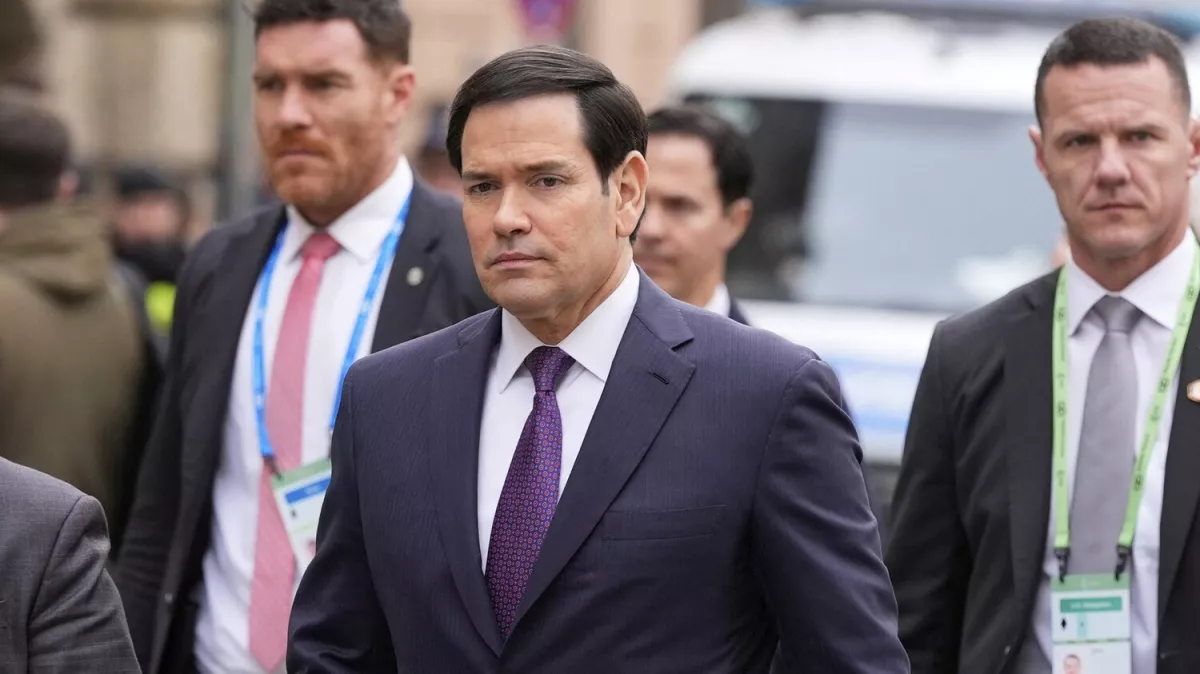
A symbolic illustration of this trend can be found in the letter that 30 members of the House of Representatives sent to Secretary of State Marco Rubio on May 4. In it, the congressmen urged Washington to reconsider its position on one of the holiest pillars of Israel’s national security — and, by extension, of US–Israeli relations.
They called on the Trump administration to abandon its longstanding ambiguity regarding the ally’s nuclear arsenal and to openly recognise Israel as a nuclear-armed state. The need for such a step was justified by the escalating risks of conflict in the Middle East and the absence of any real clarity surrounding Israel’s nuclear doctrine — clarity that, they argue, could emerge if the country officially joined the nuclear club.
Yes, all thirty signatories of the appeal are Democrats. Yet given the broader context described above, along with the increasingly unfavourable trajectory of American public opinion towards Israel, it is not difficult to imagine that similar open letters may soon begin attracting Republican signatures as well.







 editor@caliber.az
 +994 55 444-88-98
 Азербайджан, Баку, ул. Низами, 203, Af Business House, 5-й этаж