










Return without a single shot A journey of decades
May 24 is a date that, in Azerbaijan’s calendar of border-related events, now stands alongside March 24. Between them lie thirty-four years and two wars. On the night of March 23–24, 1990, the village of Baghanis Ayrim in the Gazakh district of Azerbaijan ceased to exist as a populated settlement. Around eight in the evening, it came under fire from the territory of Armenia using heavy-calibre weapons and grenade launchers. At six in the morning, following the signal of a white flare, armed groups of Armenian militants entered the village: they doused houses with petrol and set them on fire. Among the victims was a two-month-old infant.
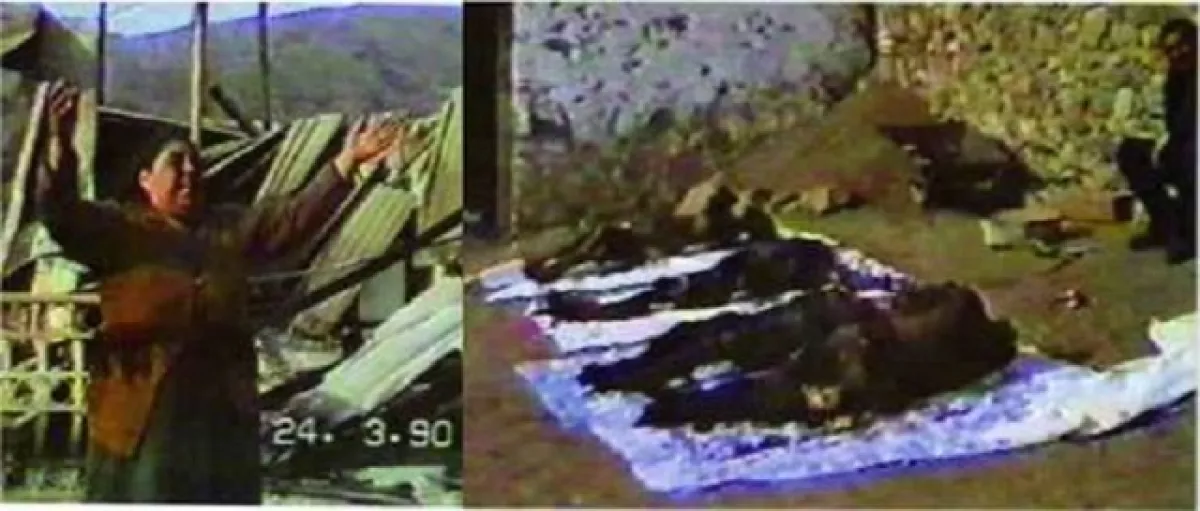
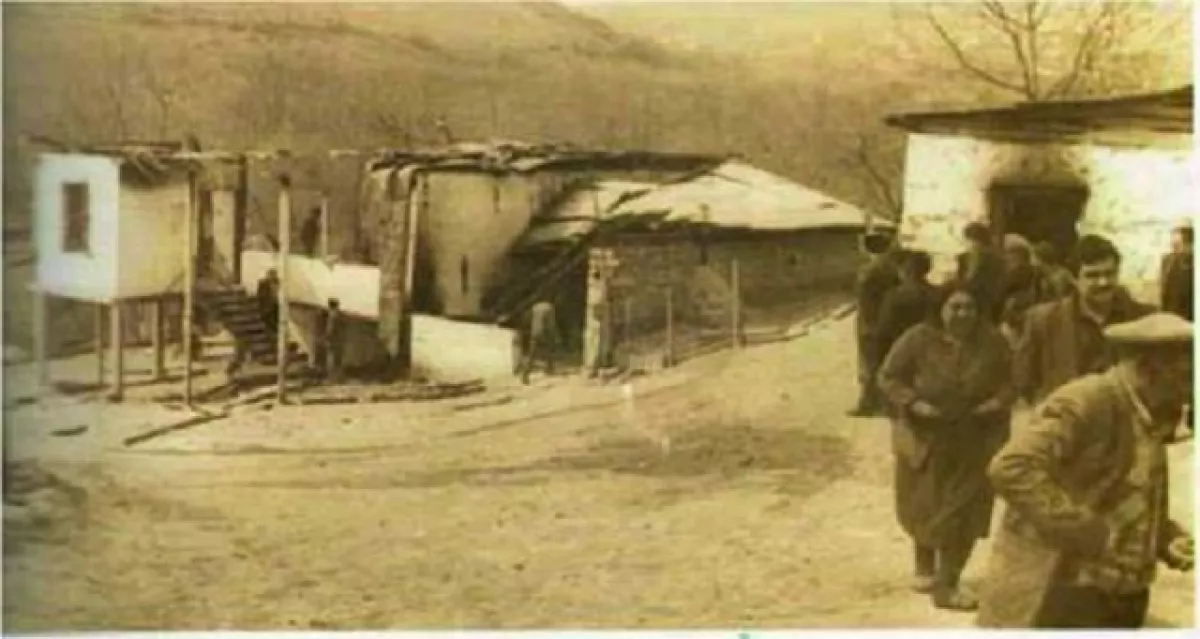
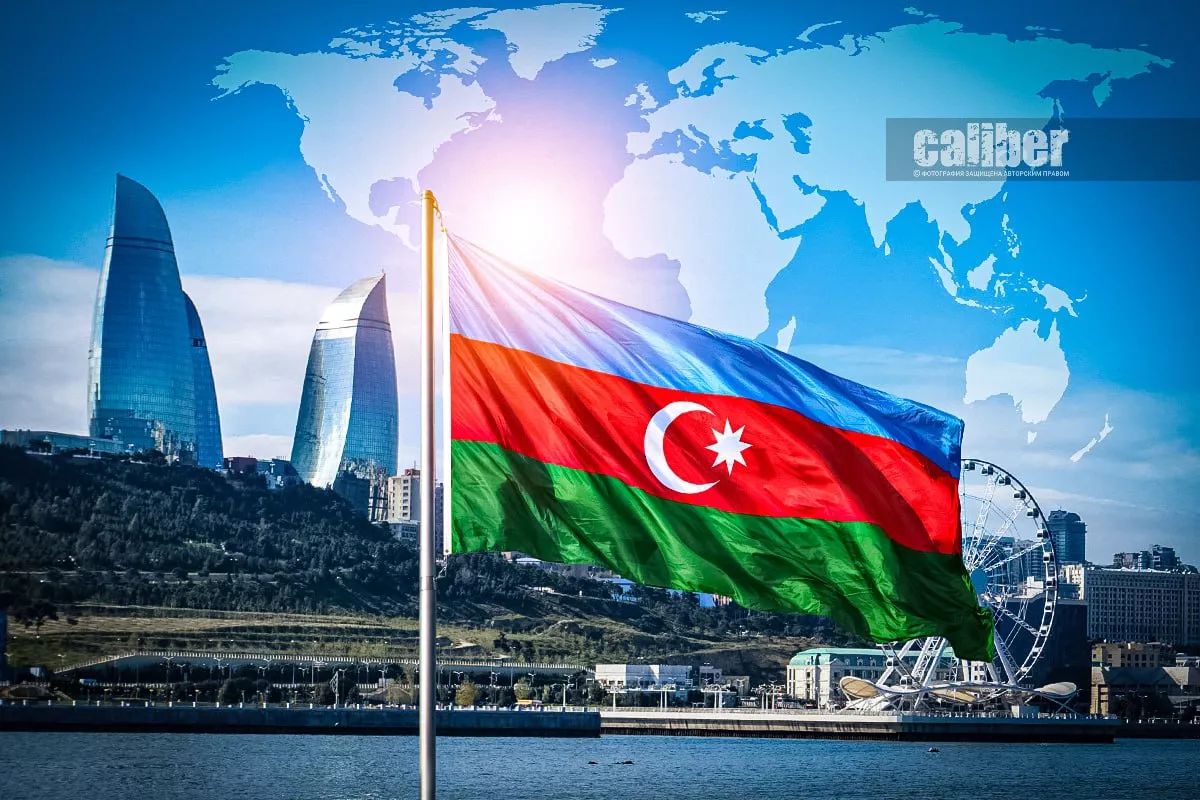
On May 24, 2024, exactly thirty-four years and two months later, the Azerbaijani flag was raised over the liberated villages of Azerbaijan’s Gazakh district — Baghanis Ayrim, Ashaghi Askipara, Kheyrimli, and Gizilhajili. This was important not only from a practical point of view, but also symbolically. Baku demonstrated that the process of restoring control over its territory was advancing along all directions and covering all areas. Two years have passed since this event, and its significance is not limited to the formal closure of a long-standing chapter. It sets a different standard for conflict resolution.
The chronology of the occupation of the four villages is spread across time, and this reveals a certain method. Baghanis Ayrim was the first to be taken, in March 1990, even before the collapse of the Soviet Union. In effect, it was an attack by a neighbouring republic on a village of another republic within a single state, and the Soviet authorities at the time did not stop it.
On March 8, 1992, Kheyrimli was occupied, on June 11 — Gizilhajili, and on the 14th — Ashaghi Askipara. The four Azerbaijani settlements came under Armenian control in different years and under different circumstances, but by the summer of 1992, a stretch of the border less than thirteen kilometres long had fallen outside Azerbaijani sovereignty and remained so for thirty-two years.
The villages themselves were erased in the same logic as Aghdam — methodically, building by building. In Baghanis Ayrim, the school, the first-aid station, and the library with a collection of more than ten thousand books were destroyed. In Ashaghi Askipara, the school, hospital, cultural centre, and two libraries containing sixteen thousand books were destroyed. This was not an act of wartime necessity; it served a different purpose — to erase the evidence of whose land this was.
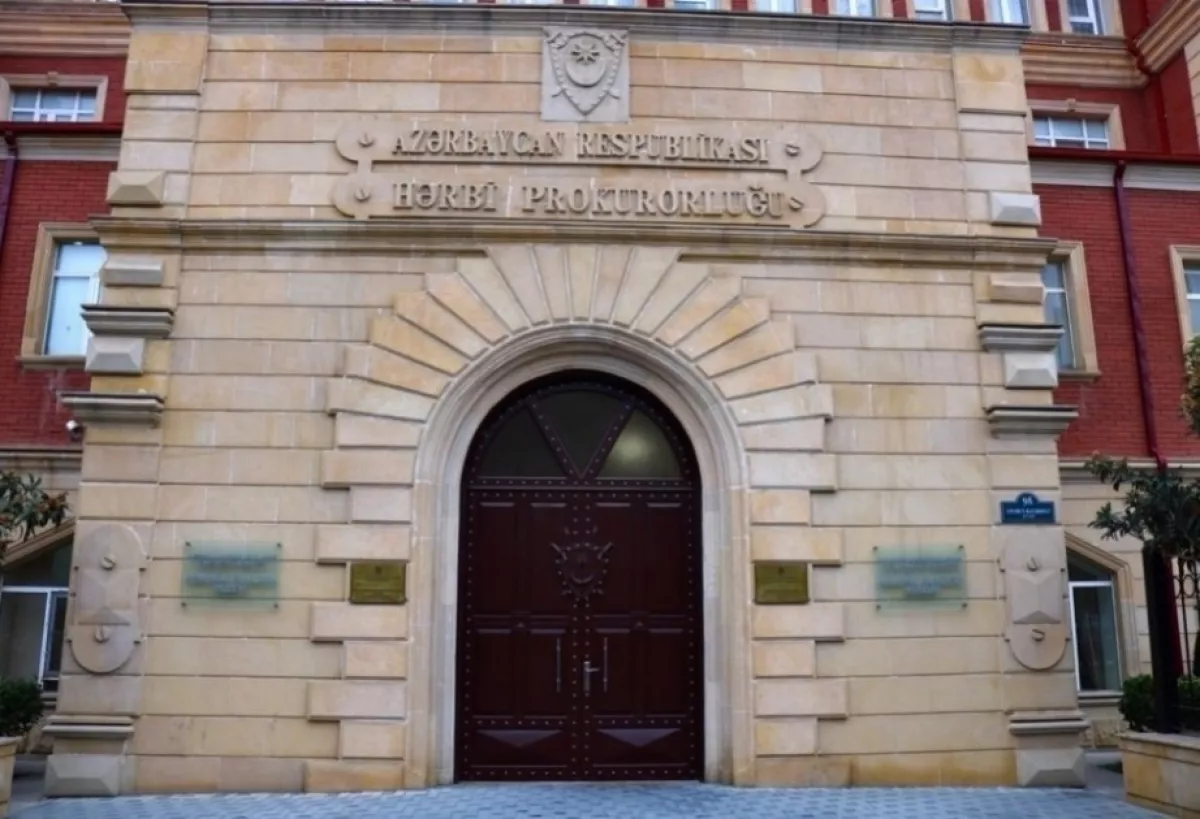
The story of Baghanis Ayrim remains the most tragic of all. According to materials from Azerbaijan’s Military Prosecutor’s Office, on that March night, the aggressors acted according to a pattern that would later be repeated many times elsewhere: first, artillery shelling forced residents out of their homes and onto the streets; then came the assault group, followed by the deliberate burning of houses and buildings. Among those who could not be evacuated in time and were burned alive in their own homes was a two-month-old infant. Azerbaijan’s prosecutor’s office classifies the events in Baghanis Ayrim as genocide, and eighteen identified individuals who took part in the massacre have been placed on the international wanted list.
For more than three decades, the world remained deaf to the tragedy of Baghanis Ayrim — it endured solely as the pain of the Azerbaijani people. The return of the village in 2024 brought its name to the attention of the international community, while Baku gained physical access to the scene of the crime and the opportunity to work with evidence.
The manner in which these villages were returned is a separate subject in itself, and it is precisely here that the main significance of this two-year anniversary lies. Unlike the towns and villages liberated during the Patriotic War of autumn 2020 and the one-day counterterrorism operation of September 2023, the four villages of Gazakh were returned without a single shot being fired.
On April 19, 2024, following the eighth meeting of the State Commission on the Delimitation of the State Border between Azerbaijan and Armenia and the Commission on the Delimitation of the State Border and Border Security between Armenia and the Republic of Azerbaijan, a protocol was signed. On May 15, during the ninth meeting of the commissions, a technical protocol was agreed upon.
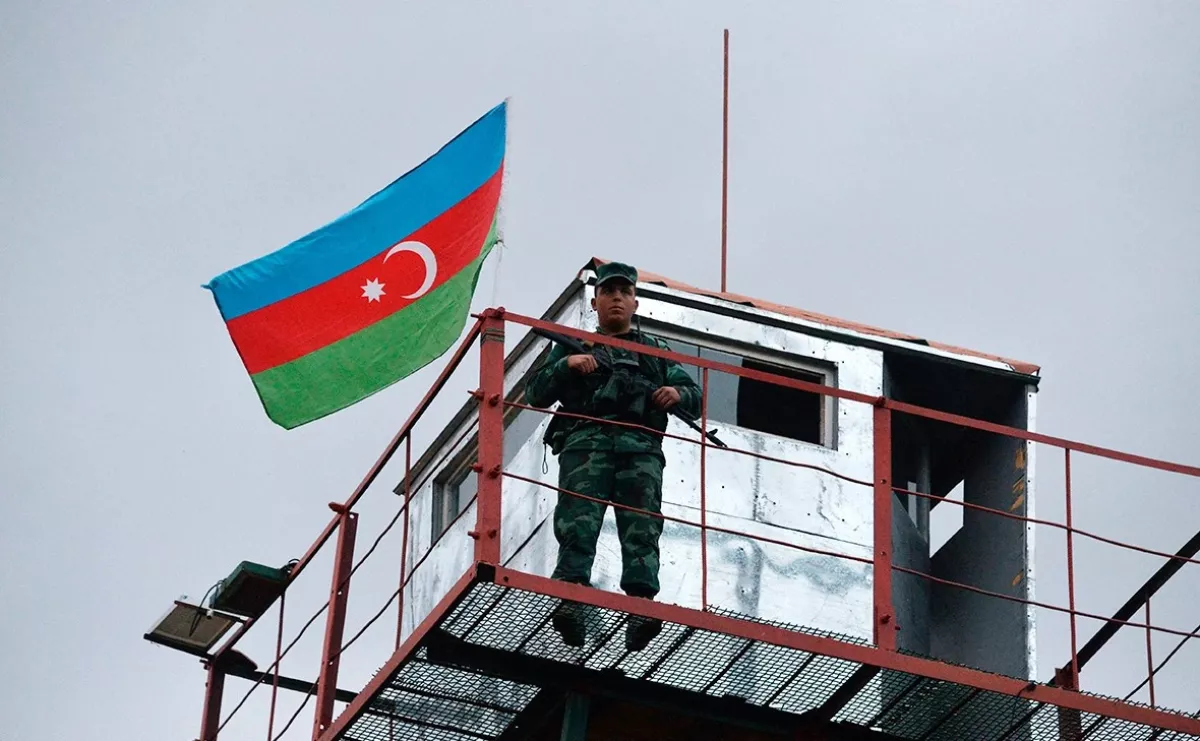
On May 24, Azerbaijani border guards advanced along 12.7 kilometres of the border and restored control over 6.5 square kilometres of territory. There was no assault, no escalation, no performative international mediation staged before television cameras. The delimitation procedure — technical, legal, and routine in form — proved to be the instrument that achieved what three decades of negotiations under foreign auspices had failed to accomplish.
Behind this operation stood a specific political calculation that President Ilham Aliyev has articulated consistently since the autumn of 2020. Its logic is as follows: after the military phase comes the legal and negotiating phase, and it functions only when backed by hard power. The balance of power in the region has changed, and under the new realities, delimitation has ceased to be a mere figure of speech and has instead become a matter of technical work.
Baku’s principled position throughout this period was that the borders should be determined according to the administrative-territorial maps of the USSR from the final years of its existence, and within this framework, the four villages are unequivocally Azerbaijani. In April 2024, the Armenian side accepted this logic. What had been impossible in 1994, 2001, and 2008 became possible in 2024, not because the argument itself had changed, but because the context in which that argument was voiced had changed.
The silent nature of the return carries a value of its own. Azerbaijan’s military victories of 2020 and 2023 were accompanied in international rhetoric by heavy labels — “the right of force,” “unilateralism.” May 24, 2024, refuted those labels in concrete terms: the four villages were returned through a delimitation process voluntarily signed by both sides. Those who had previously constructed the analytical narrative that “Azerbaijan only knows how to wage war” were confronted with a fact that did not fit that framework. Within the country itself, May 24 joined November 8 and September 20, yet this third date is fundamentally different in nature — it contains no military component whatsoever.
The restoration process is proceeding in parallel with what is being carried out in Karabakh and Eastern Zangezur, following the same model and at the same pace. This is neither selective restoration nor museum-style preservation — it is the return of life to villages erased from the face of the earth, with modern infrastructure and demining as the first stage of reconstruction.
Alongside this, work is being carried out at the sites of the crimes — forensic and historical documentation of what happened on that March night is now possible not only through the testimonies of survivors, but also through physical evidence. The eighteen names on the international wanted list in connection with the Baghanis Ayrim events are not a closed case from three decades ago; it is a process that has now gained the ability to rely on the actual crime scene.
Thirty-four years between two dates marked by the number 24 is far more than the lifespan granted to the infant from Baghanis Ayrim. The return of the four villages closes the biographical cycle of an entire generation of Gazakh residents for whom these names existed as memory without geography. Those who were ten years old in March 1990 saw their native land in May 2024 as adults who already have their own children. Those who were forty saw it as elderly people — and not everyone from that generation lived to see this day. Twelve point seven kilometres of border is a short mark on a map; thirty-two years between two dates is a different unit of measurement altogether.







 editor@caliber.az
 +994 55 444-88-98
 Азербайджан, Баку, ул. Низами, 203, Af Business House, 5-й этаж