










Why Pashinyan’s victory is beneficial for Tbilisi Article by Vladimir Tskhvediani
Georgian Prime Minister Irakli Kobakhidze was among the first to congratulate Nikol Pashinyan on his victory after the announcement of preliminary results of the parliamentary elections in Armenia on June 7, 2026. According to Kobakhidze, Tbilisi views relations with Yerevan as a strategic partnership and advocates further strengthening cooperation between the two countries. At the same time, the importance of maintaining regional stability and good-neighbourly relations in the South Caucasus was particularly emphasised.
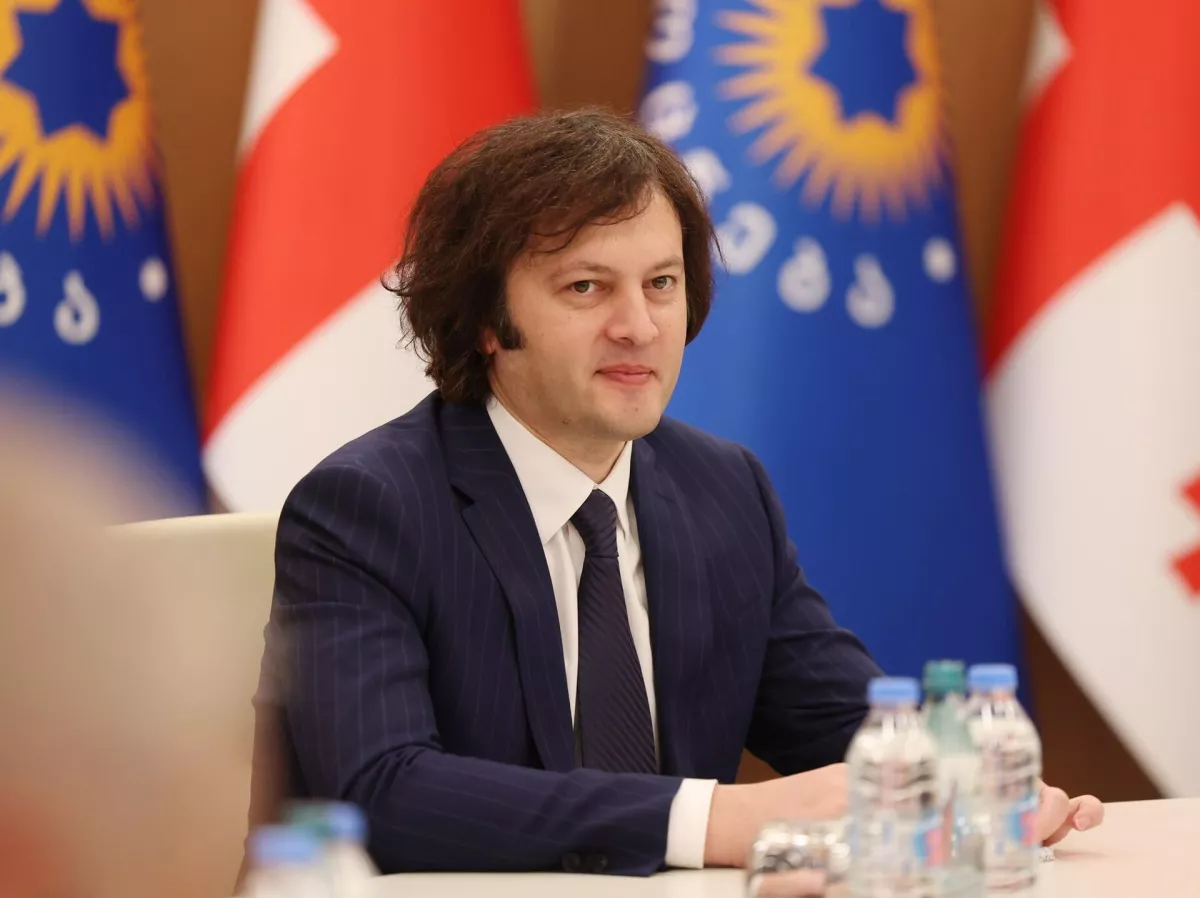
“Heartfelt congratulations to PM Nikol Pashinyan on his party's success in the elections. Looking forward to continuing our close cooperation to strengthen the strategic partnership and friendly relations between Georgia and Armenia for the prosperity of our nations,” Irakli Kobakhidze wrote on X.
In turn, Nikol Pashinyan, commenting on his phone conversation with Irakli Kobakhidze after the elections, expressed interest in normalising Georgia’s relations with the EU and the United States.
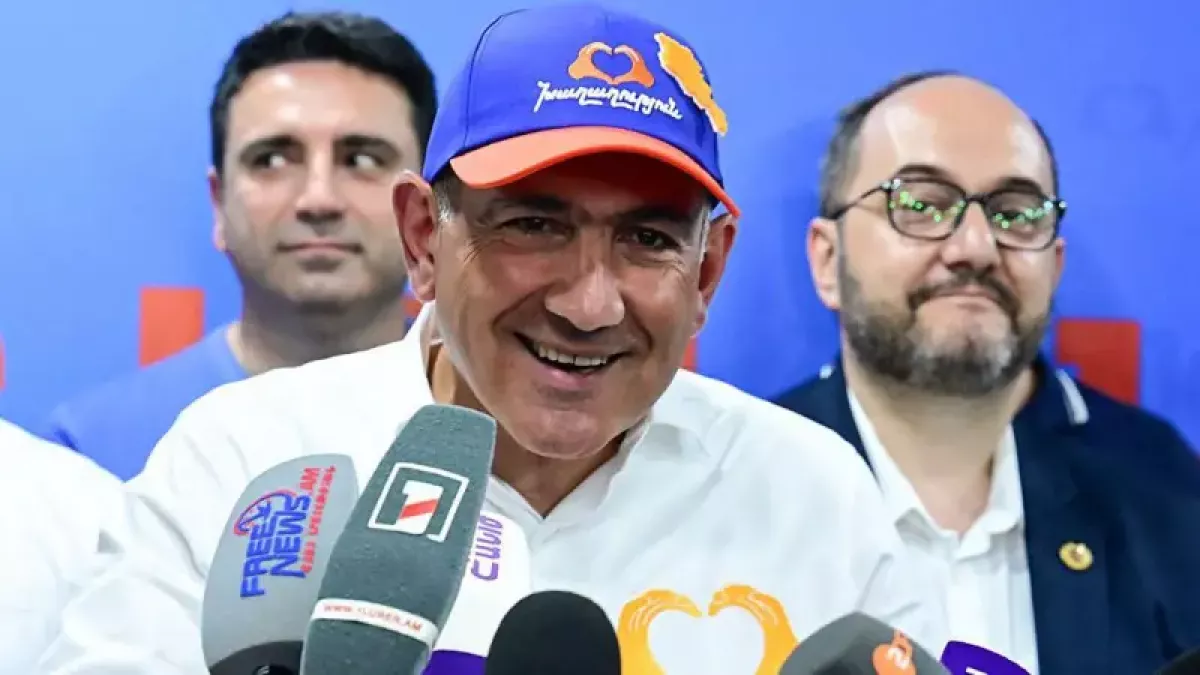
“We are interested in the normalisation of relations between the European Union and Georgia, as well as between the United States and Georgia — that is our position. But in addition to this, regardless of these circumstances, our cooperation and relations with Georgia will, of course, continue to develop consistently. This is our brotherly country, we are connected by a strategic partnership, and we will definitely continue to strengthen our relations,” Nikol Pashinyan emphasised.
The fact that Armenia’s authorities today are “favourites” of the EU in the South Caucasus is evident. They are forgiven for a great deal, including the fact that in recent years they have helped circumvent Russian sanctions. The elections are unlikely to change this attitude, and Europe will not demand that Armenia “accelerate its break” with Russia. Moreover, Nikol Pashinyan has effectively promised to act as a kind of “advocate” for Georgia before the European Union.
Against this backdrop, the negative attitude of Brussels towards the current Georgian authorities, with accusations of a “departure from the European path,” looks somewhat strange.
This was noted by First Deputy Speaker of the Georgian Parliament Gia Volski on June 8, 2026, the day after the parliamentary elections in Armenia.
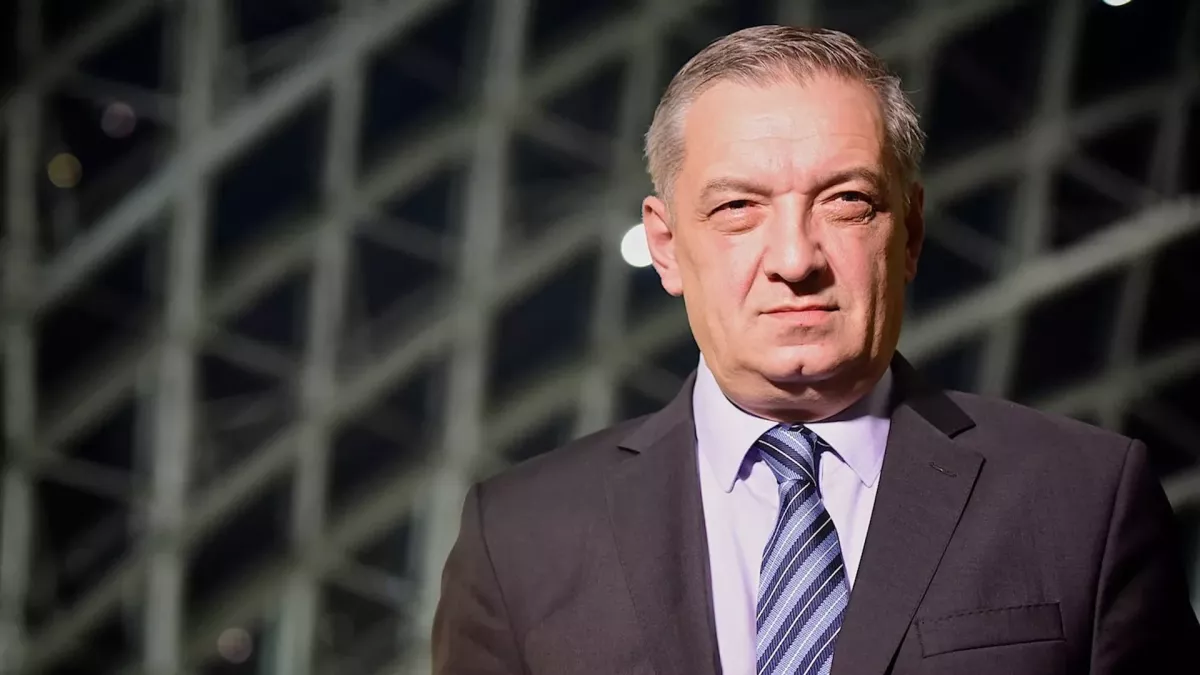
“The assessment that Armenia is seeking to join the European Union while Georgia is not is simplistic,” said First Deputy Speaker of the Georgian Parliament Gia Volski. “The European Union simply has a different attitude towards Armenia and Georgia.”
At the same time, Volski explained why, in his view, the EU’s attitude towards Georgia on a number of key issues is negative.
“If we look at the demands being made, it becomes obvious that Georgia is being assigned the role of cannon fodder, including in the context of economic or military confrontation with Russia. Armenia’s and Georgia’s aspirations towards the European Union are the same, however Brussels has certain interests that in many cases do not correspond to Georgia’s strategic interests,” Gia Volski stated.
Thus, the EU’s different attitude towards Armenia and Georgia is explained by their “different designated roles” in European geopolitical plans. The EU allegedly still seeks to draw Georgia into a conflict with Russia by opening a “second front”, while it does not require the same from Armenia. For Brussels, it is currently sufficient that Yerevan is demonstrating a symbolic “pivot” away from Moscow towards the West.
Pro-Western opposition representatives in Georgia welcomed with enthusiasm Nikol Pashinyan’s victory over the “pro-Russian” Armenian opposition. However, there is little basis to expect that Armenia would support the “revolutionary” actions of Georgian opposition forces. Despite its dependence on France and the EU, Nikol Pashinyan’s government does not need instability on its northern border, as it could quickly spread to Armenia itself.
In the event of a victory by the Armenian “pro-Russian” opposition, Armenia and the entire South Caucasus would face real risks of rapid destabilisation and even war. In Moscow, supporters of a hardline confrontation with the West are increasingly calling for following Iran’s example and sharply “raising the stakes,” especially in light of the recent escalation of the situation for Russia in the war in Ukraine.
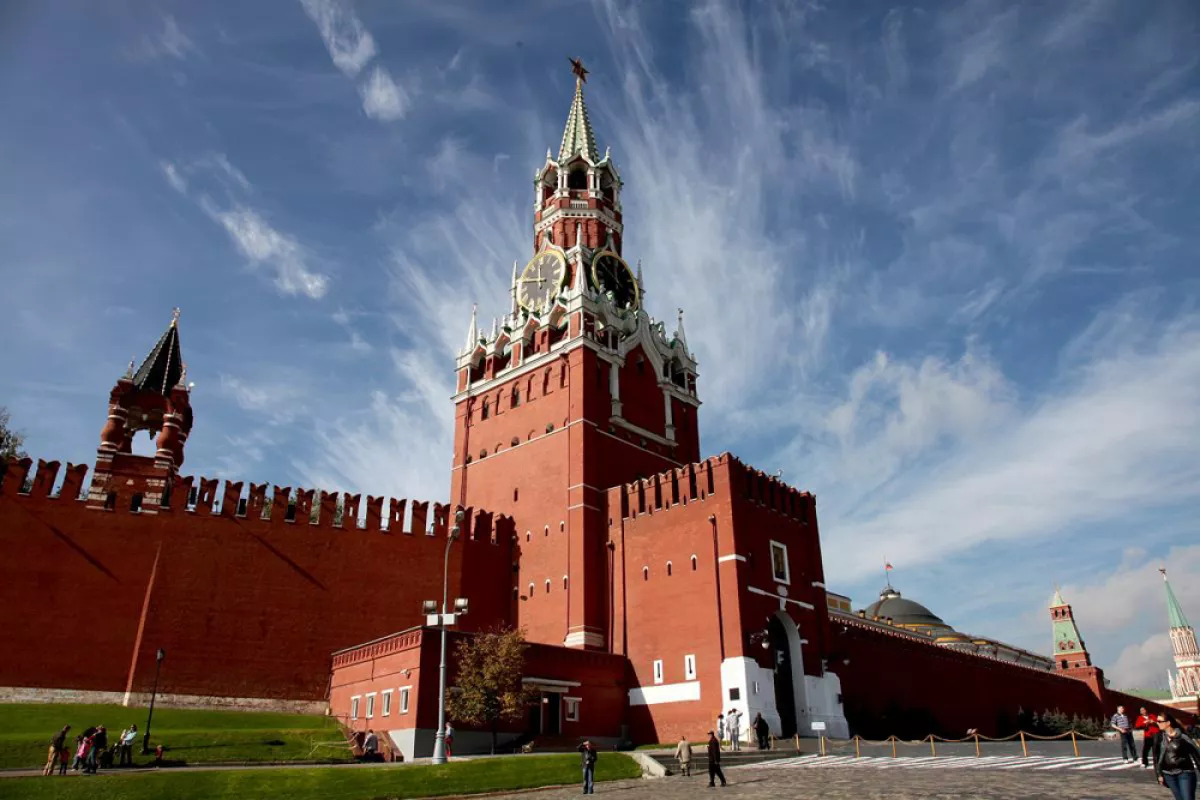
According to Kremlin “hawks,” it is Ukraine that is raising the stakes by intensifying strikes both on Russian territory and on Russian-occupied Ukrainian regions — Crimea, the Azov area, and Donbas. In response, they propose expanding the scale of escalation and striking primarily at communications, citing the example of Iran, which at a critical moment of its confrontation with the US and Israel carried out strikes on Gulf countries and blocked the Strait of Hormuz.
In the South Caucasus, allies of the Kremlin’s “party of war” were Armenian revanchists. The risks of a new war did not concern them. Armenian nationalists who today support pro-Russian forces are not particularly interested in a peaceful Armenia within its internationally recognised borders. They cannot imagine life without claims to other people’s lands, without their “artsakh” and “miatsums.”
Militant sentiments are also characteristic of many Armenians who hold dual citizenship of Armenia and Russia. In their view, the likelihood of an escalation in confrontation between Russia and the West and full-scale mobilisation in Russia is very high. However, instead of fighting for Kremlin interests in Ukraine or on new fronts in the Baltics and Poland, they would prefer to “try their luck” in a new war for “artsakh” and a “greater Armenia.”
Naturally, Armenian revanchists are unlikely to embark on a new military adventure using Armenia’s forces alone. Therefore, they are counting on military assistance from Russia, which can only reach Armenia via Georgian territory. This effectively implies opening what is often referred to as a “second front” for Tbilisi, as part of Moscow’s and revanchist efforts to disrupt international transit communications in the region. This is further reinforced by Russia’s presence on Georgian territory in the form of the occupied Abkhazia and the Tskhinvali region.
A “revolutionary scenario” in Georgia, followed by the country being drawn into a military confrontation with Russia, could also push the Kremlin towards an attempt at a forceful revision of the situation in the South Caucasus. Its objective could be to strike at Western interests by blocking both transit routes through Georgia and the future corridor via Zangezur.
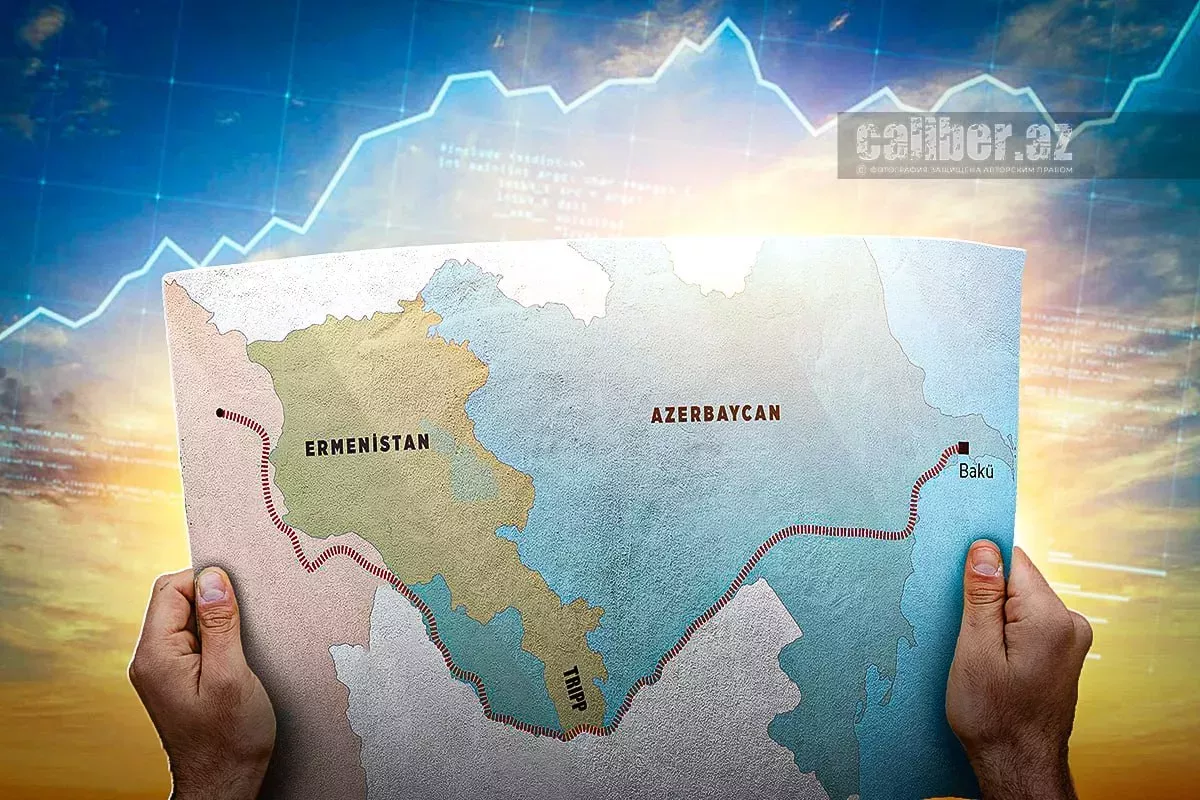
The Armenian opposition did not hide its intention, in the event of victory, to disrupt by any means the implementation of the “Trump Route” (TRIPP) project through Zangezur, and, if possible, to cut transit through the South Caucasus between Central Asia and Europe altogether.
It is no coincidence that after the announcement of the final election results, according to which the “Civil Contract” party won 49.81% of the vote and was able to independently form a government, Nikol Pashinyan stated that the “three-headed war party” had been defeated. He was referring to the three main opposition forces — “Strong Armenia” of Russian oligarch of Armenian origin Samvel Karapetyan, which received 23.29%, the revanchist “Armenia” bloc of former President Robert Kocharyan (9.94%), and the “Prosperous Armenia” party of Gagik Tsarukyan (around 4%).
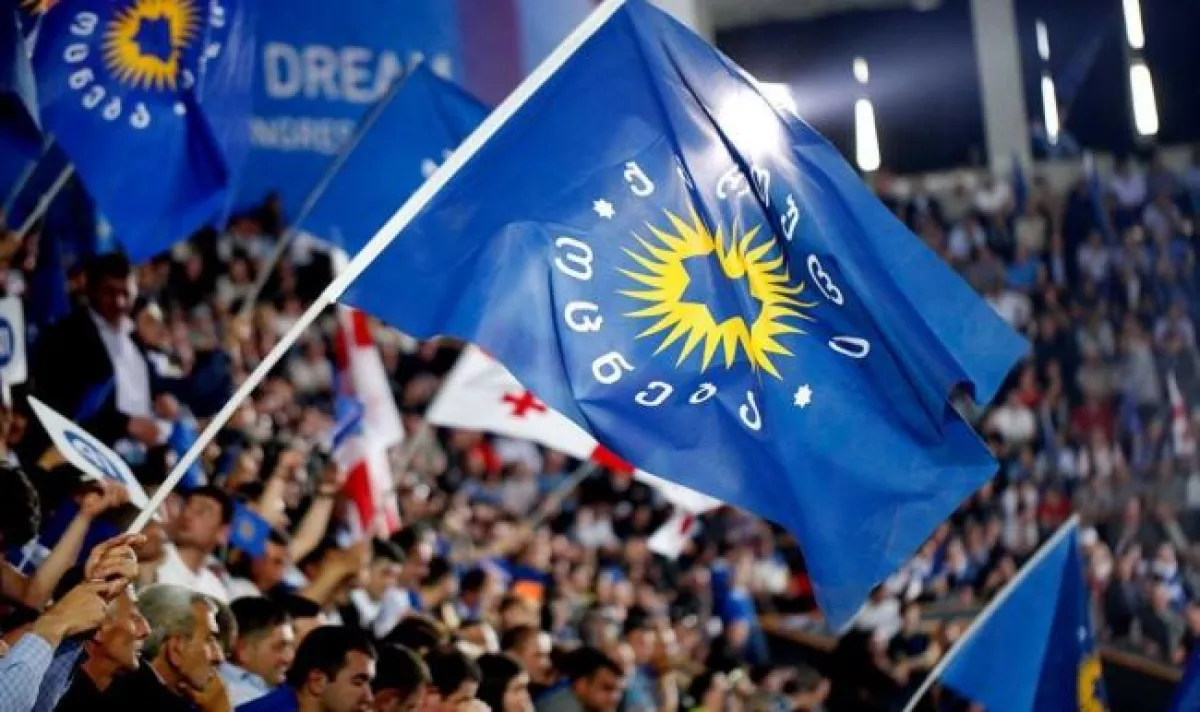
Despite the positive reaction of the Georgian pro-European opposition to the victory of “Civil Contract,” it is unlikely that Pashinyan will openly support forces advocating the unconstitutional removal of “Georgian Dream” from power and the destabilisation of the country. For Yerevan, stability in neighbouring Georgia remains an important strategic interest.
There are grounds to hope that, having received a new mandate from voters, Pashinyan will continue his course towards a peaceful settlement, the unblocking of communications with Azerbaijan and Türkiye, and the implementation of the TRIPP project. This will contribute to strengthening peace and economic development in the South Caucasus, which fully corresponds to Georgia’s interests.
By Vladimir Tskhvediani, Georgia, exclusively for Caliber.Az







 editor@caliber.az
 +994 55 444-88-98
 Азербайджан, Баку, ул. Низами, 203, Af Business House, 5-й этаж