










Hormuz at centre of a high-stakes US-Iran bargain Analysis by Shereshevskiy
The issue of unblocking the Strait of Hormuz — a vital waterway through which a significant share of the world’s exports and imports of energy resources and fertilisers essential to the global economy pass — remains the top issue on the international agenda. Against this backdrop, particular attention has been drawn to a report by The Wall Street Journal, citing senior U.S. officials, that President Donald Trump is prepared to end military operations against Iran even without a new nuclear deal, in exchange for Tehran reopening the Strait of Hormuz.
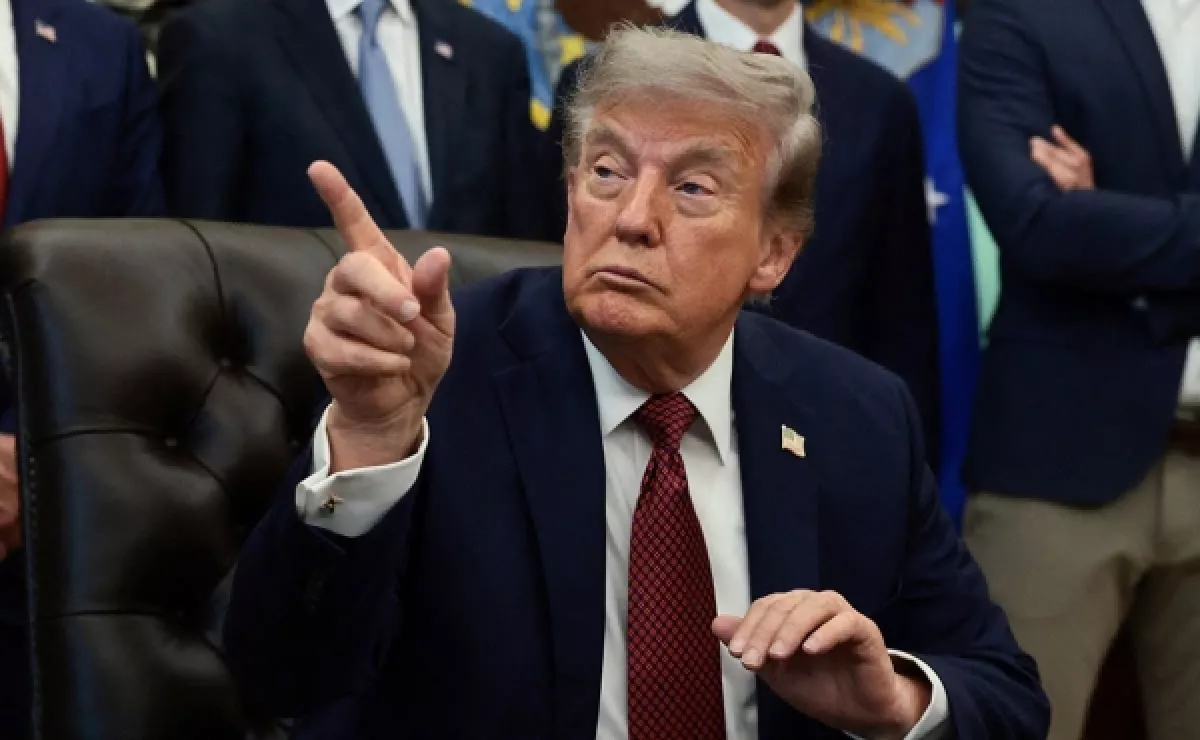
As the publication notes, the U.S. president has privately acknowledged that Iran is unlikely to be able to restart its nuclear programme during his presidency, as the United States has already destroyed the country’s three main nuclear facilities. The threat of further strikes is expected to serve as a deterrent.
Tehran, meanwhile, is in no hurry to strike a “deal.” For Iran, the key issue remains the fulfilment of a number of demands, including compensation for the damage inflicted on the Islamic Republic by U.S. airstrikes, which Iranian sources previously estimated at $270 billion, the unfreezing of Iranian assets, the lifting of sanctions against the country, and an end to military threats from Washington.
As this list makes clear, Tehran’s preconditions are virtually impossible to meet, as accepting them would effectively amount to a victory for the Islamic Republic and, consequently, undermine the United States’ status as a superpower.
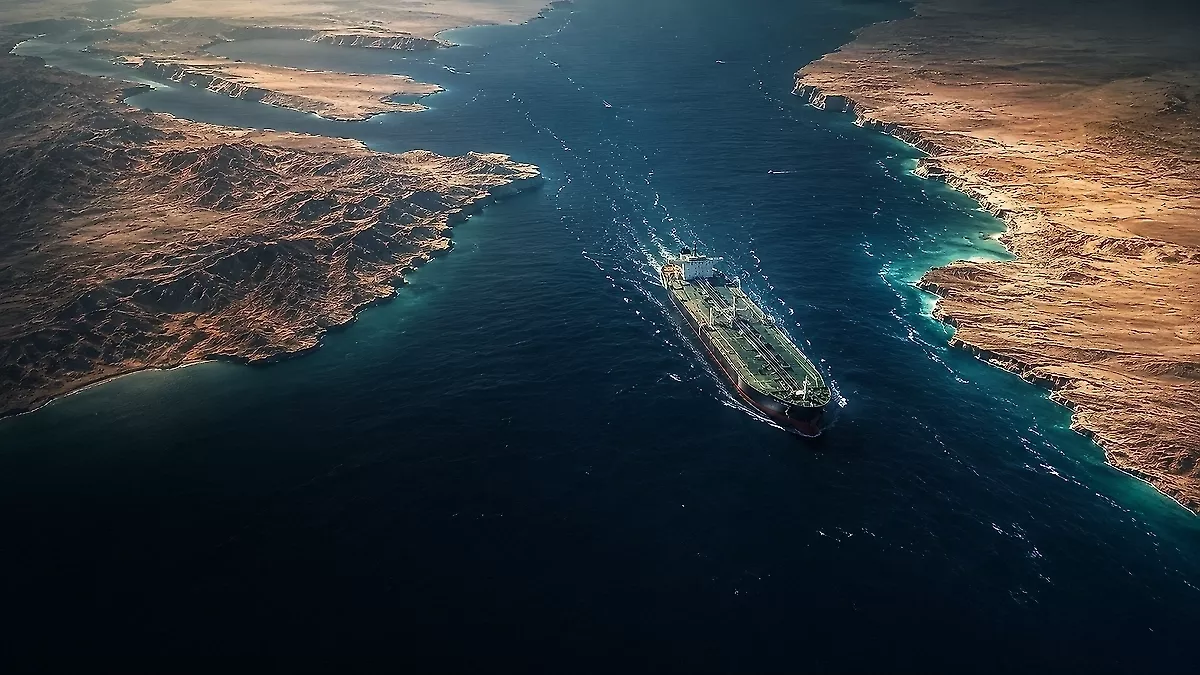
However, the deeper issue is the Strait of Hormuz itself, over which Iran has no intention of giving up control. On the contrary, Tehran appears determined to retain the ability to set terms for commercial shipping and charge fees for vessels passing through the strategic waterway.
Iranian media reports reinforce this position, suggesting that the country’s leadership, heavily influenced by senior Islamic Revolutionary Guard Corps (IRGC) commanders, views control of the Strait as a key tool in its confrontation with Washington. From Tehran’s perspective, maintaining control over the waterway would give Iran significant leverage to set conditions, respond to U.S. pressure and ultimately seek a political victory over its adversary.
And it is quite possible that Iran has modelled this strategy on the events of 1956, when Egypt took control of the Suez Canal from Britain. The canal was a vital artery of global trade, and its loss dealt a severe blow to Britain’s position as a global superpower, demonstrating that control over strategic trade routes is one of the key pillars of global power.
Iran’s current position may also be rooted in deep distrust of Washington, and there is a clear history behind it. In 2015, the United States and Iran reached a nuclear agreement under which Washington agreed to ease a number of sanctions in exchange for Tehran accepting limits on its nuclear programme and allowing international inspections.
That understanding collapsed in 2018, when President Donald Trump withdrew the United States from the deal, reimposed sweeping economic sanctions on Iran and demanded tougher restrictions, including limits on uranium enrichment.
The confrontation later escalated into open conflict. In 2025 and 2026, amid the armed confrontation between Iran and the U.S.-Israeli bloc, Iranian nuclear facilities and related infrastructure came under airstrikes, while much of the country’s senior military and political leadership was killed.
Against this backdrop, the current leadership of the Islamic Republic is inherently distrustful of American assurances.
On the other hand, it cannot be ruled out that Trump’s proposal and the decision to engage in negotiations with Tehran are driven by a very specific objective: curbing rising fuel prices in the United States, which were triggered by the blockade of the Strait of Hormuz.
Nor should the fact that the United States is currently facing a shortage of interceptor missiles for its air and missile defence systems be overlooked.
To sum up, it can be argued that, at this stage, reaching any kind of consensus between the United States and Iran appears unlikely. The prospects for resolving the current situation are also highly uncertain, particularly with the U.S. midterm congressional elections scheduled for November approaching.
However, it is entirely possible that after the elections, Donald Trump could launch a much broader operation against Iran, with strikes aimed at destroying the country’s infrastructure, including power plants, oil refineries and key transportation and logistics hubs. There could also be attempts to destabilise Iran from within, with the combined effect potentially turning the country into a failed state.







 editor@caliber.az
 +994 55 444-88-98
 Азербайджан, Баку, ул. Низами, 203, Af Business House, 5-й этаж