










Triangle of power: Ankara, Riyadh, Islamabad shape new security axis Article by Matanat Nasibova
Amid escalating tensions in the Middle East and growing instability in the Persian Gulf, major regional powers are taking steps to strengthen their security, including by forging defence partnerships with countries outside the region.
This process is clearly illustrated by the recent signing of the Mecca Joint Deterrence Agreement by Mohammed bin Salman, Saudi Arabia’s crown prince, Recep Tayyip Erdoğan, Türkiye’s president, and Shehbaz Sharif, Pakistan’s prime minister. One potential practical outcome of the agreement could be Saudi Arabia and Pakistan joining Türkiye’s programme to develop the KAAN fifth-generation fighter jet.
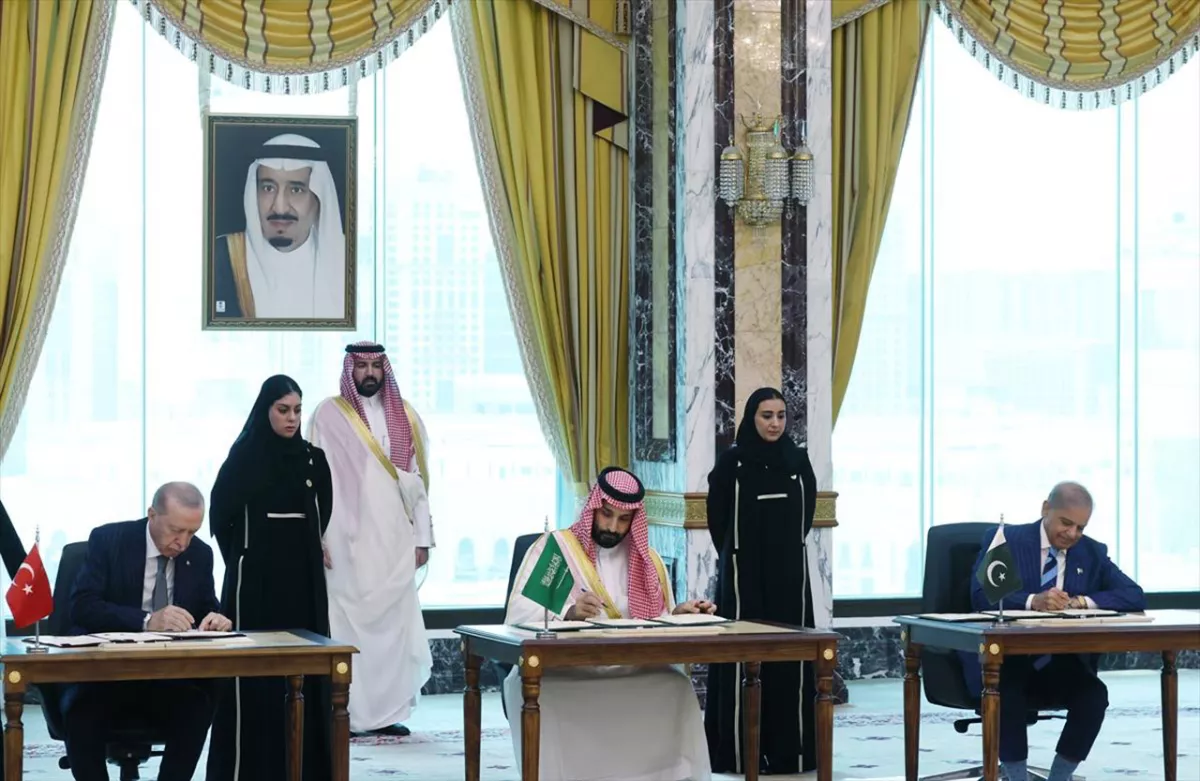
However, a closer look shows that the agreement goes well beyond conventional military cooperation. Given the geopolitical circumstances surrounding its creation, the ongoing confrontation between the United States and Iran effectively turns it into a framework for a collective response to security threats.
It is also important to note that the deal builds on the Strategic Mutual Defence Agreement signed by Saudi Arabia and Pakistan in September 2025. In this vein, it represents another step toward the formation of a new regional power centre, bringing together the Kingdom’s financial resources, Türkiye’s advanced defence industry and Pakistan’s nuclear capabilities.
What are the potential benefits and risks of the Mecca Joint Deterrence Agreement” for the three signatories, and how might other countries with strategic interests in the Middle East respond to the emergence of this new trilateral alliance?
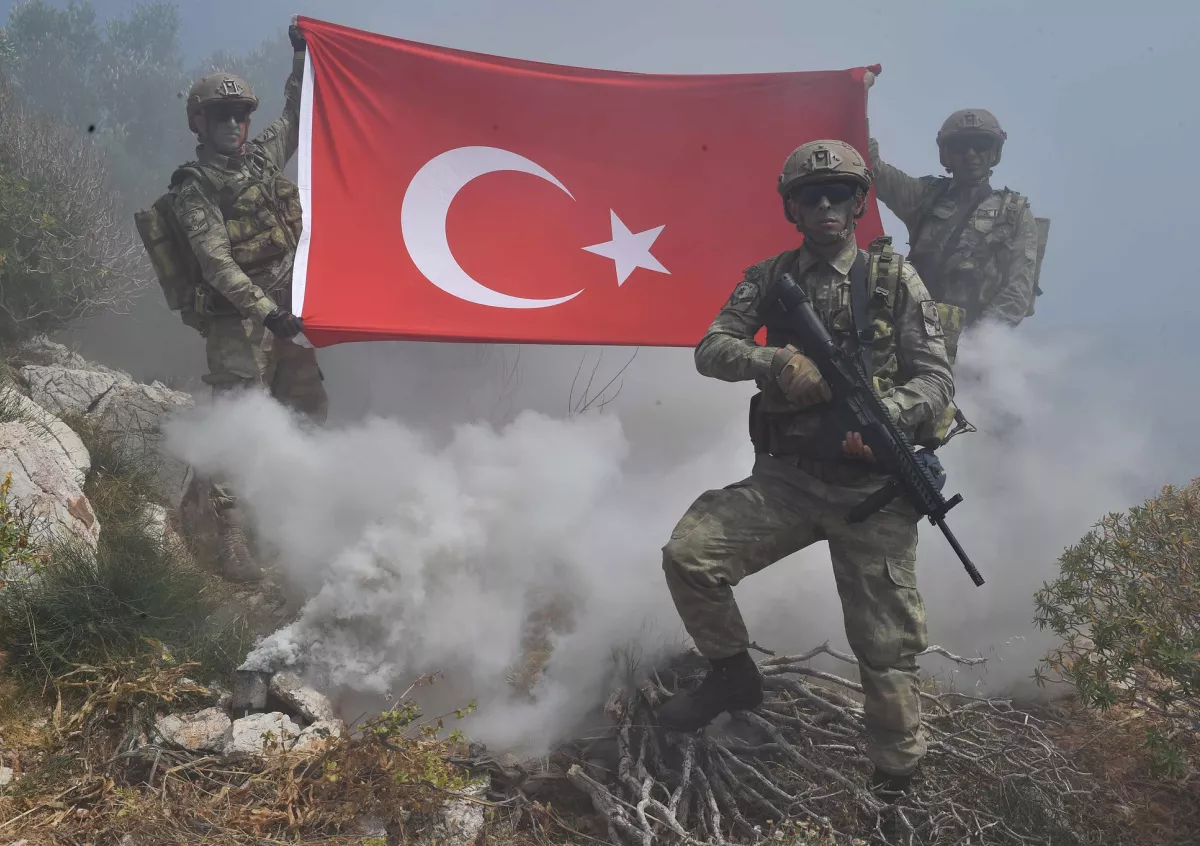
For Türkiye, joining the new alliance could strengthen its standing in the Muslim world and expand its influence across the Middle East. It would also allow Ankara to move beyond bilateral ties with Gulf states and help shape a broader regional security framework.
However, the arrangement also carries risks. The United States and other NATO members could view it as an attempt to develop alternative security structures outside the Western alliance system. It could also further strain Türkiye’s already complicated relationship with India, which may see closer ties between Türkiye, Saudi Arabia and Pakistan as a potential threat to its strategic interests.
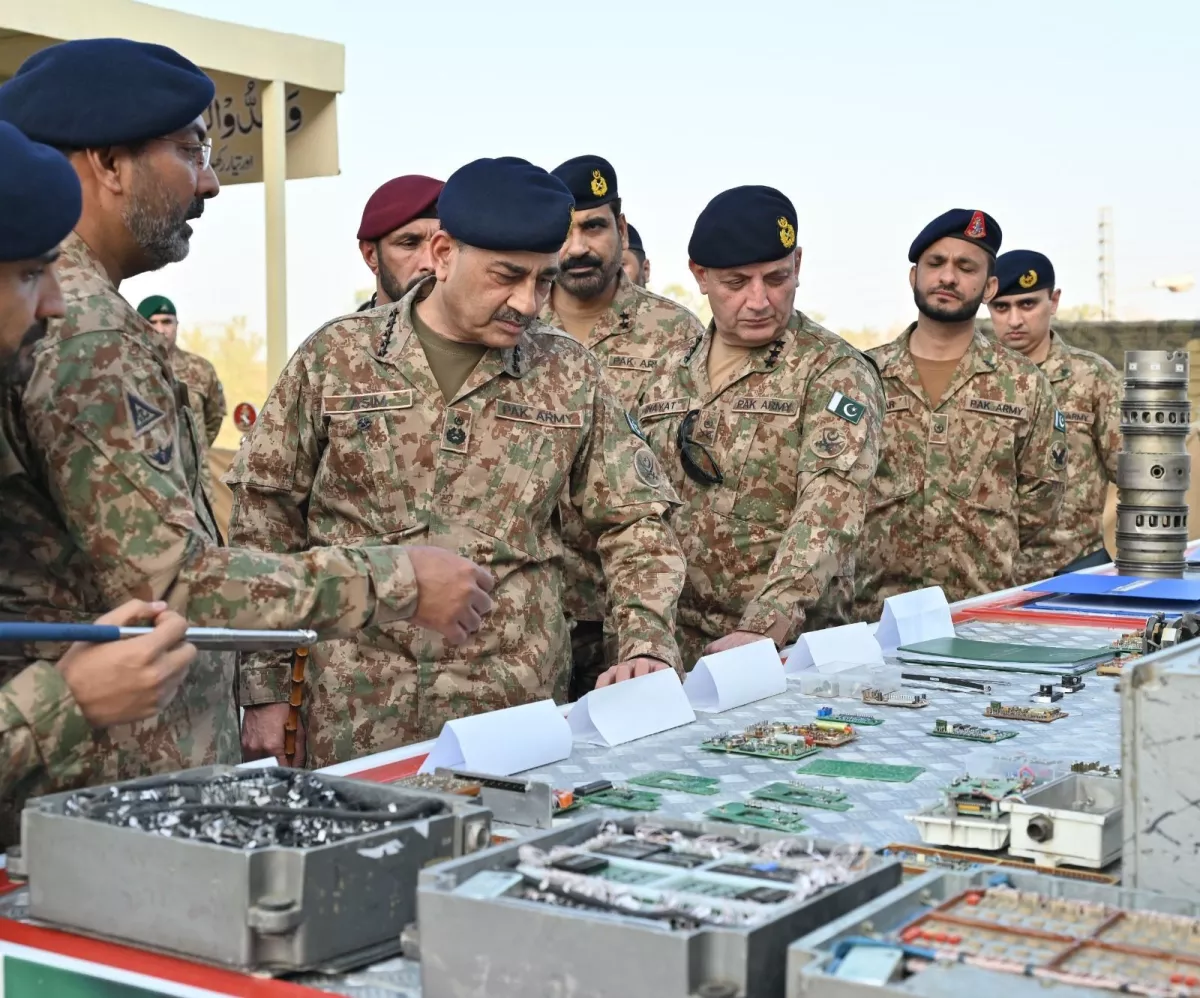
Pakistan, meanwhile, stands to gain primarily on the economic front. Islamabad could attract additional Saudi investment and financial support, which would be particularly important as the country continues to grapple with deep-rooted economic problems. Although inflation has eased and the economy has recorded modest growth with the help of IMF-backed programmes, Pakistan remains under heavy pressure from its high public debt.
There are clear risks as well. New security commitments could draw Pakistan into Middle Eastern conflicts at a time when its main security concerns remain its tense relations with India and Afghanistan. Relations with Kabul are already at a serious low point and have escalated into open armed clashes along their 2,670-kilometre border, much of which is marked by the disputed Durand Line.
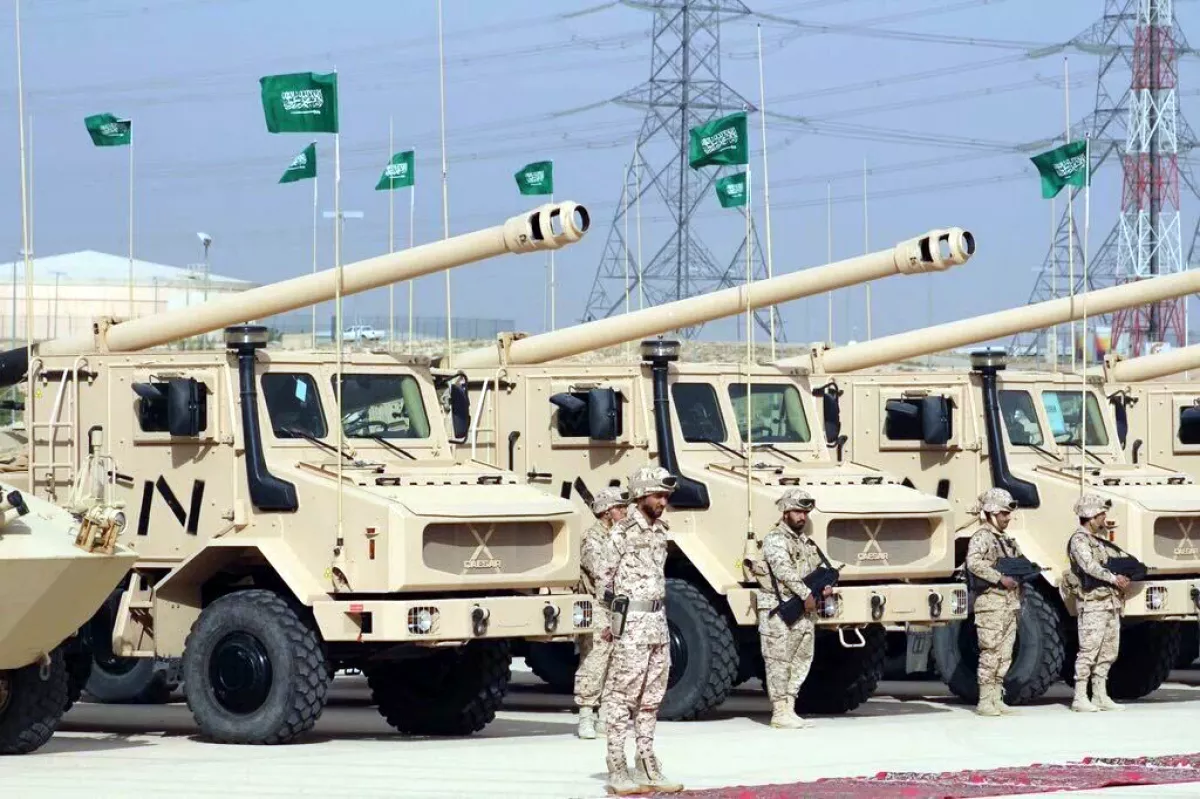
For Saudi Arabia, the agreement strengthens collective security while diversifying its sources of military equipment. Riyadh gains access to advanced Turkish defence technologies, including unmanned systems, while reducing its reliance on U.S. weapons. The agreement also enhances Saudi Arabia’s political influence in the Muslim world.
At the same time, closer ties with Türkiye and Pakistan could complicate Riyadh’s relations with both Iran and Israel. The kingdom would also have to strike a careful diplomatic balance between its new partners and its traditional ally, the United States.
The United States will also be watching the new alliance closely. On the one hand, Washington could see the agreement as a way to strengthen the military capabilities of Türkiye, Saudi Arabia and Pakistan, potentially contributing to greater stability in the region and aligning with U.S. interests.
On the other hand, the emergence of an independent military and political bloc could reduce Washington’s role as Saudi Arabia’s main security partner. That prospect is unlikely to sit comfortably with the U.S. administration.
Geopolitically, the agreement between Türkiye, Saudi Arabia and Pakistan could mark the emergence of a new centre of power in the Middle East, with the potential to reshape the region’s security landscape. However, it would be premature to call it a “Muslim NATO,” as the three countries have different strategic priorities.
Türkiye is primarily focused on Syria, the Eastern Mediterranean, the South Caucasus and the Black Sea. Pakistan’s main security concerns are India and Afghanistan, while Saudi Arabia is focused largely on security in the Persian Gulf.
For now, therefore, it is more accurate to describe the agreement as a coalition of regional powers whose interests happen to align, rather than as a NATO-style military alliance.







 editor@caliber.az
 +994 55 444-88-98
 Азербайджан, Баку, ул. Низами, 203, Af Business House, 5-й этаж