










Peace with an Azerbaijani signature From a historic summit to fuel and transit cargo
Exactly one year ago, on August 8, 2025, a summit was held in Washington that resulted in de facto peace taking hold across the South Caucasus. On the first anniversary of that landmark event, Prime Minister Nikol Pashinyan called President Ilham Aliyev.

During the conversation, the leaders of Azerbaijan and Armenia reviewed the path they had taken over the past year, noted the important role played by President Donald Trump and the US administration in advancing the peace process, and highlighted the progress achieved in normalizing relations. But the most telling aspect of the phone call was what exactly the two sides used to measure that progress. They were not talking about abstract formulas, but about very concrete things: Azerbaijani petroleum product exports to Armenia and transit cargo moving through Azerbaijani territory.
As we can see, one year later, peace in the South Caucasus is being measured not by declarations, but by tonnes of diesel fuel and railway cars carrying grain. And that is the clearest evidence that peace has become a reality on the ground. After all, political agreements are signed to express an intention; trade flows emerge when that intention has turned into mutual benefit.
Over the past year, a functioning economic link has developed between Azerbaijan and Armenia, and the figures speak for themselves: in the first four months of 2026, Azerbaijani exports to Armenia exceeded $9.5 million. Baku is supplying its neighbor with diesel fuel and AI-92 and AI-95 gasoline, with shipments reaching tens of thousands of tonnes by the summer, transported by rail from Bilajari station. Just a few years ago, the very idea that Azerbaijan would fuel the Armenian economy with its own petroleum products would have seemed like fantasy. Today, it is already routine — a reality recorded in customs statistics.
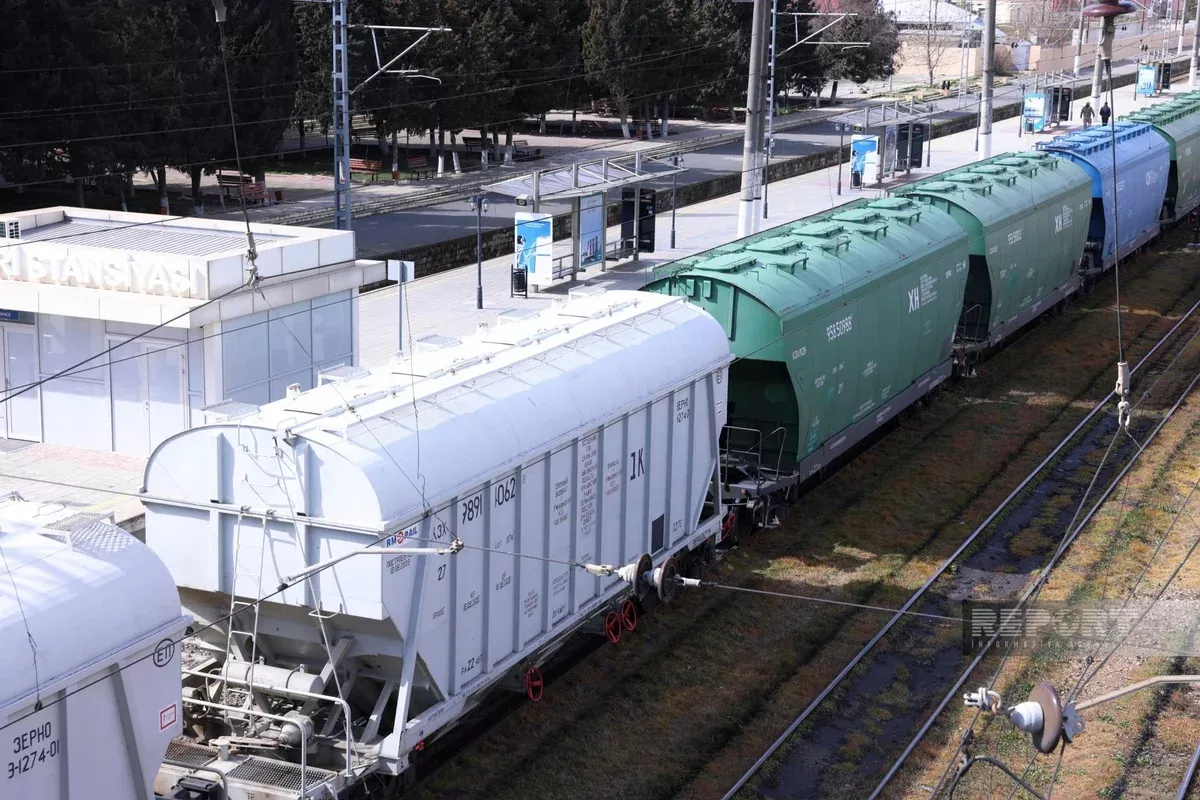
The transit story is no less telling, because it reveals the true scale of the transformation. For decades, Armenia was caught in a transport blockade, cut off from many routes and forced to bring in goods through circuitous, costly, and unreliable channels. Washington 2025 changed this geography almost overnight.
Cargoes from third countries began moving to Armenia through Azerbaijani territory. More than 32,000 tonnes of grain, over 7,000 tonnes of fertilizers, and batches of other products travelled along Azerbaijani railways toward Armenia. For the first time since the early 1990s, direct rail links delivered cargo to Armenia — and it was precisely Azerbaijan, the country portrayed in Yerevan for decades as the source of all its troubles, that made this possible. The blockade so frequently discussed in Armenia has been lifted not through concessions from Baku, but through peace on terms shaped by Azerbaijan.
Particular attention should be paid to how these arrangements are being achieved. The agreement on petroleum product supplies was reached through direct dialogue between Baku and Yerevan, without external intermediaries, and this directness gives it particular weight. Economic ties established directly by the two sides build trust more reliably than any guarantees from third countries, because they rest on the will of both parties. When one neighbor buys fuel from another or allows its cargo to pass through its territory, a fabric of everyday interdependence begins to emerge — one that is far harder to tear apart than a document signed before the cameras.
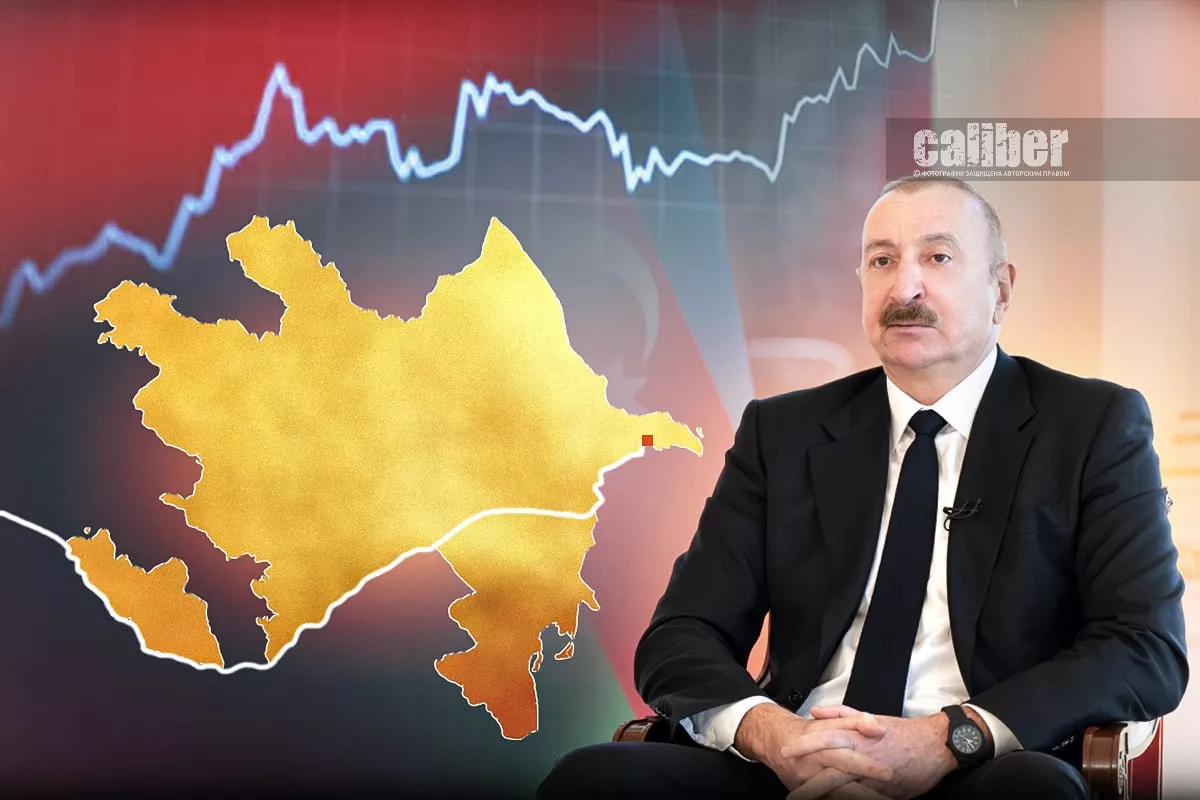
To properly assess what is happening, it is important to remember who initiated this process. The current economic rapprochement is a direct continuation of the course President Ilham Aliyev set after Azerbaijan’s Victory in the Patriotic War in the autumn of 2020. It was the Azerbaijani leader who took the initiative for peace and the normalization of relations with Armenia, and this is a fundamentally important point: peace was proposed by the victor, who saw reconciliation and the opening of communications as a strategic benefit for the entire region. The five principles that formed the foundation of the peace process were put forward by Azerbaijan; the initiative to reopen transport links came from Azerbaijan; and the economic substance of peace, now measured in tonnes and railway cars, has become possible thanks to the deliberate policy of the Azerbaijani state.
This sequence reveals a clear strategic vision: victory on the battlefield resolved the issue of territorial integrity, but the region could fully secure its future only through reconciliation and economic interdependence between those who had previously been locked in confrontation. The Azerbaijani leader saw this earlier and more clearly than others, which is why peace in the South Caucasus bears a distinctly Azerbaijani signature — both in its military origins and in its constructive dimension.
Azerbaijan — the victor and architect of peace — is now also emerging as its main economic engine. And the phone call between the two leaders on the first anniversary of the Washington summit underscored a simple but important truth: peace underpinned not only by signatures, but also by the movement of goods, is the most reliable kind of peace.







 editor@caliber.az
 +994 55 444-88-98
 Азербайджан, Баку, ул. Низами, 203, Af Business House, 5-й этаж