










From Strait of Hormuz to Red Sea: Iran expands zone of confrontation Analysis by Shereshevskiy
The situation in the Red Sea region is becoming increasingly tense by the day and, given its escalating trajectory, could for a time overshadow the issue surrounding the Strait of Hormuz.
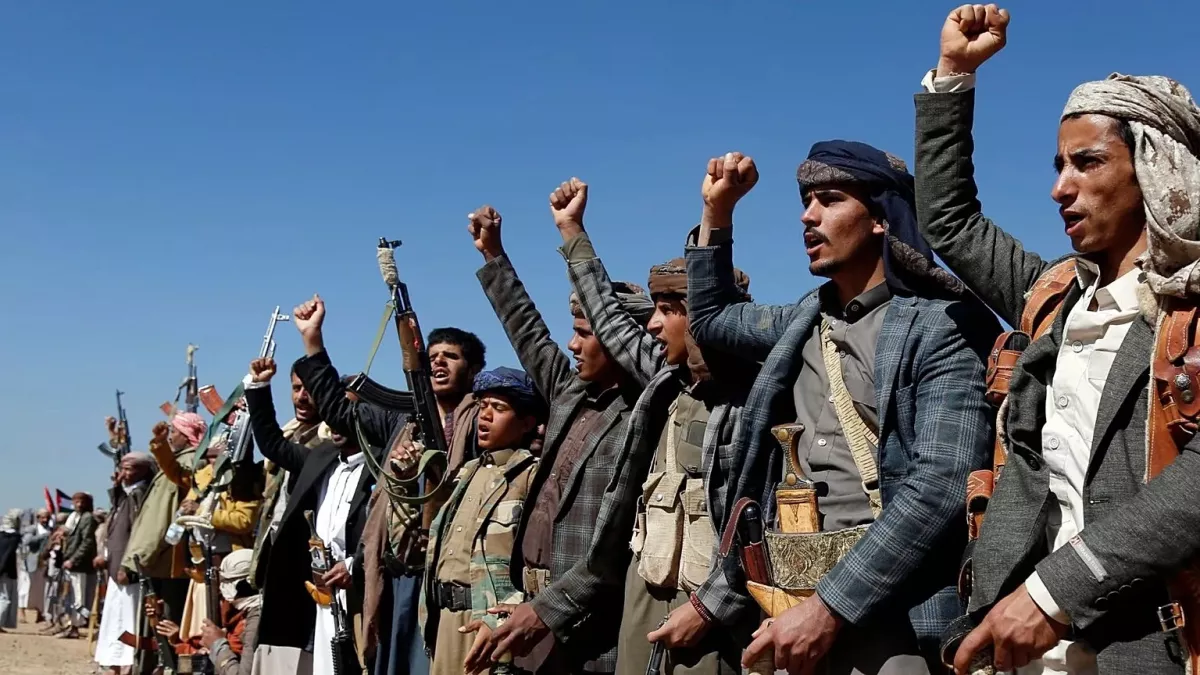
In particular, the Iran-backed Houthis have reported that, in the latest missile attack, they struck two oil tankers near the Saudi oil port of Yanbu, thereby confirming their support for Iran’s efforts to disrupt the movement of oil and gas across the Middle East. However, the objectives of Tehran and its alliance of allies, known as the “Axis of Resistance,” appear to be broader and more far-reaching.
As is known, the Houthis control roughly one-third of Yemen’s territory and nearly half of its population, as well as the country’s capital, Sana’a, and the strategically important port of Hodeidah, through which humanitarian aid enters Yemen. The movement’s leadership—the country’s wealthiest tribal elite—adheres to strict religious views and maintains close ties with the Islamic Republic. Iran supplies the Houthis with drones, cruise missiles, and ballistic missiles, while the Houthis, using Iranian weapons in their efforts to conquer all of Yemen and eliminate rival factions in the country, are prepared to follow directives from the Iranian leadership.
This is of enormous significance in light of the ongoing confrontation between the United States and Iran, in which Tehran, regardless of the circumstances, has no intention—at least for now—of making concessions, having firmly resolved to maintain control over the Strait of Hormuz, a vital waterway through which up to 20 million barrels of oil and LNG were transported daily.
By blocking the Strait of Hormuz through missile and drone attacks on tankers, Tehran has managed to drive up global oil and petroleum product prices, a trend that could eventually lead to a global recession. Global economic growth has already slowed from 2.9 per cent annually to 2.5 per cent, according to World Bank data, while higher fuel prices are affecting many countries around the world, including the United States. This, in turn, could further undermine Americans’ support for the ruling Republican Party, making the situation particularly sensitive ahead of the U.S. midterm congressional elections in November.
Against this backdrop, the Islamic Republic views control over the Strait of Hormuz as its main strategic weapon—one that enables it to strike at the interests of the U.S. administration and American businesses.
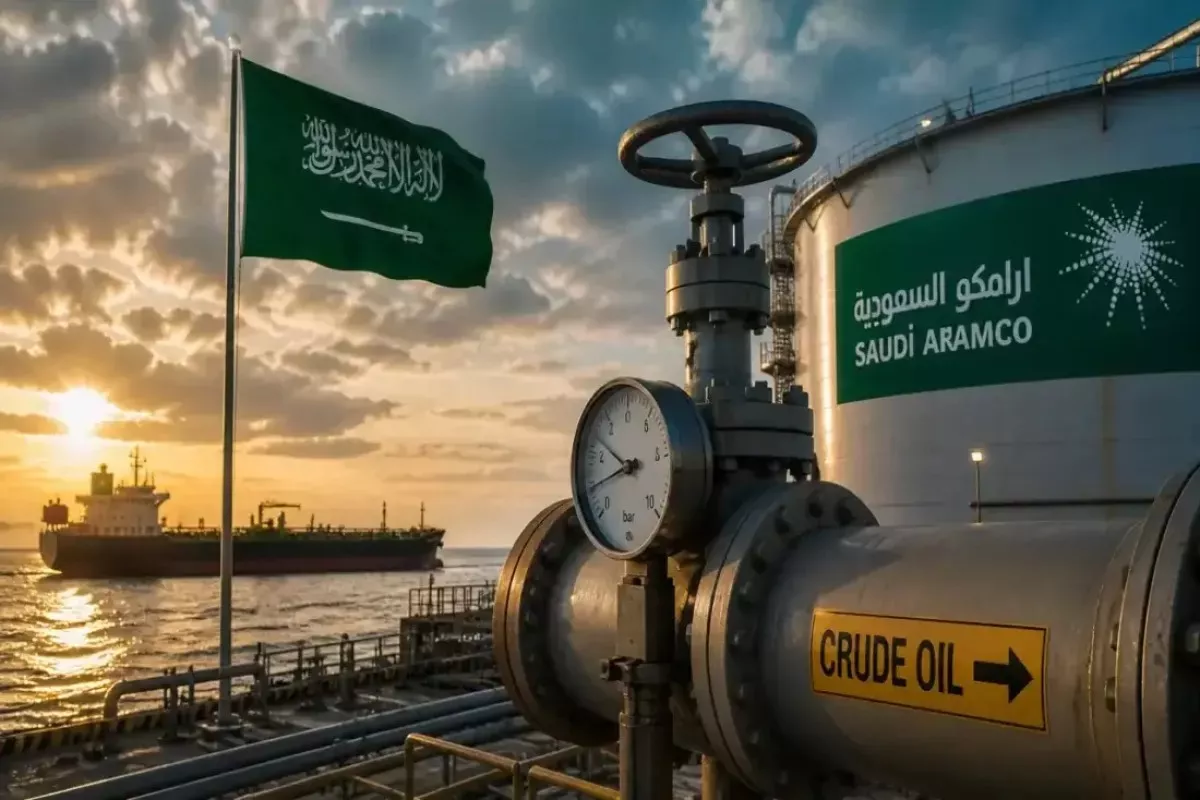
However, control of a single strait is not enough for Tehran. It is seeking to expand the geographic scope of its attacks on U.S. interests and those of its allies, and the Houthi attacks on tankers in the Red Sea serve the same purpose.
As is known, following the effective blockade of the Strait of Hormuz, Saudi Arabia diverted 7 million of its 9 million barrels of oil through a pipeline leading to the port of Yanbu. The United Arab Emirates, meanwhile, routed 2 million barrels through a pipeline leading to the port of Fujairah.
Thus, through the efforts of these two U.S. allies, the global consequences of the blockade of the Strait of Hormuz were significantly reduced. This helped strengthen Washington’s position, prompting Donald Trump to demand that the blockade of the Strait of Hormuz be lifted and that Iran hand over its stockpile of enriched uranium. He also threatened to destroy a major piece of infrastructure critical to the Iranian economy—a bridge, power plant, or oil refinery—for every tanker struck by Iran.
Tehran, however, responded by expanding the scale of its oil and gas blockade, while the Houthis intensified their attacks on tankers in the Red Sea, effectively blocking access to Yanbu.
At the same time, Iran introduced another important element into its strategy by using drones to attack two U.S. tankers at the Egyptian port of Damietta, thereby demonstrating its ability to expand the zone of confrontation even further.
Tehran’s main trump card is its ability to play the long game and gradually widen the pressure zone against the United States—ignoring American threats, forcing Washington to consider whether to halt its attacks, sowing chaos across the Middle East, unsettling markets, driving up fuel prices, undermining the position of the ruling Republican Party in the United States, and compelling the Arab Gulf states to turn to Washington with calls to stop the strikes.
However, Tehran is playing a risky game. First, the United States is unlikely to abandon its plans, as doing so would amount to an Iranian victory. Under such a scenario, Iran would retain control over the Strait of Hormuz, gain the ability to threaten the global economy, and establish a dangerous precedent. For now, however, the opposite is happening: the United States continues to build up its military presence in the Middle East in preparation for powerful strikes against key Iranian infrastructure, with the aim of fragmenting the country and turning it into a failed state.
Second, Iran’s approach could lead to the emergence of an Arab military coalition directed against Tehran, with potentially unpredictable consequences for Iran. This is particularly significant given that Emirati and Saudi fighter jets have already taken part in some anti-Iranian operations.
In this context, the defense alliance between Pakistan and Saudi Arabia is also noteworthy. Its foundation is a mutual-defense provision under which the two countries are committed to providing military assistance if either comes under aggression.
In addition, Pakistani army units are already deployed in the Kingdom, while units of the Egyptian Armed Forces are stationed in the Emirates. Israel’s Iron Dome air-defense systems, meanwhile, are reportedly involved in protecting the country’s airspace.
As the above suggests, the situation in the Middle East is becoming increasingly tense, with the level of confrontation continuing to rise. In the longer term, this could draw extra-regional powers into the orbit of the Middle Eastern conflict.







 editor@caliber.az
 +994 55 444-88-98
 Азербайджан, Баку, ул. Низами, 203, Af Business House, 5-й этаж