










Distant yet close: China, Belarus to hold another military drill
The joint Belarusian-Chinese tactical drills Swift Eagle 2026, which will take place in China’s Hubei Province from August 11 to 24, will mark another step in the deepening of military cooperation between Minsk and Beijing.
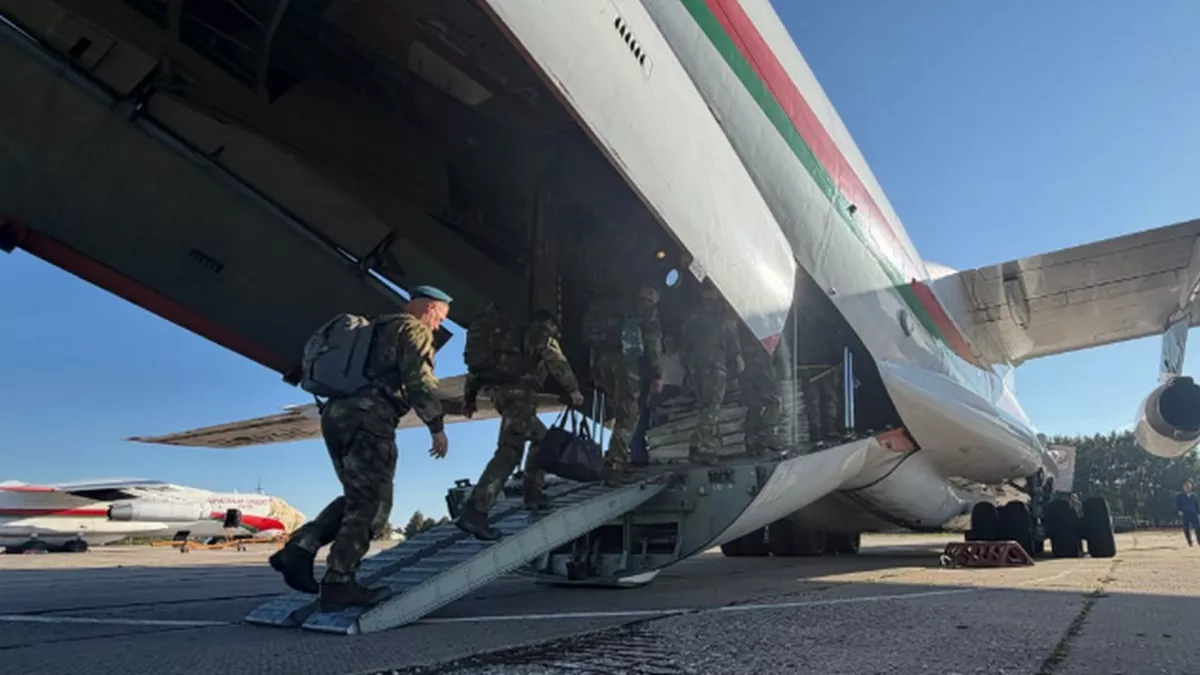
The drills will involve airborne units of the Chinese People’s Liberation Army (PLA) and Belarusian special operations forces. The practical training programme will focus on modern forms of warfare, including counterterrorism operations in densely built-up urban areas, reconnaissance, the assembly and use of drones, counter-drone operations, and the use of industrial rope-access techniques.
The upcoming drills will be the fourth edition of Swift Eagle, highlighting how the exercise has evolved into a regular platform for military cooperation between Belarus and China. The two countries have been expanding their defence ties for more than a decade.
In July 2024, shortly after Belarus joined the Shanghai Cooperation Organisation, Belarusian and Chinese forces held the Eagle Assault-2024 drills at a training ground near Brest. The drills took place close to the Polish border and coincided with the NATO summit in Washington, drawing increased attention from Western observers. Many saw the exercise as a sign of the growing depth of military cooperation between Minsk and Beijing.
The next step came in August 2025, when the Belarusian-Chinese Coordination Committee on Cooperation in Armaments met in Minsk. Following the meeting, the two sides signed a memorandum to expand cooperation in military technology, joint research and development, and weapons modernisation.
The document established mechanisms for regular interaction between the relevant agencies, providing further evidence that the partnership is gradually taking on a long-term and institutionalised character.
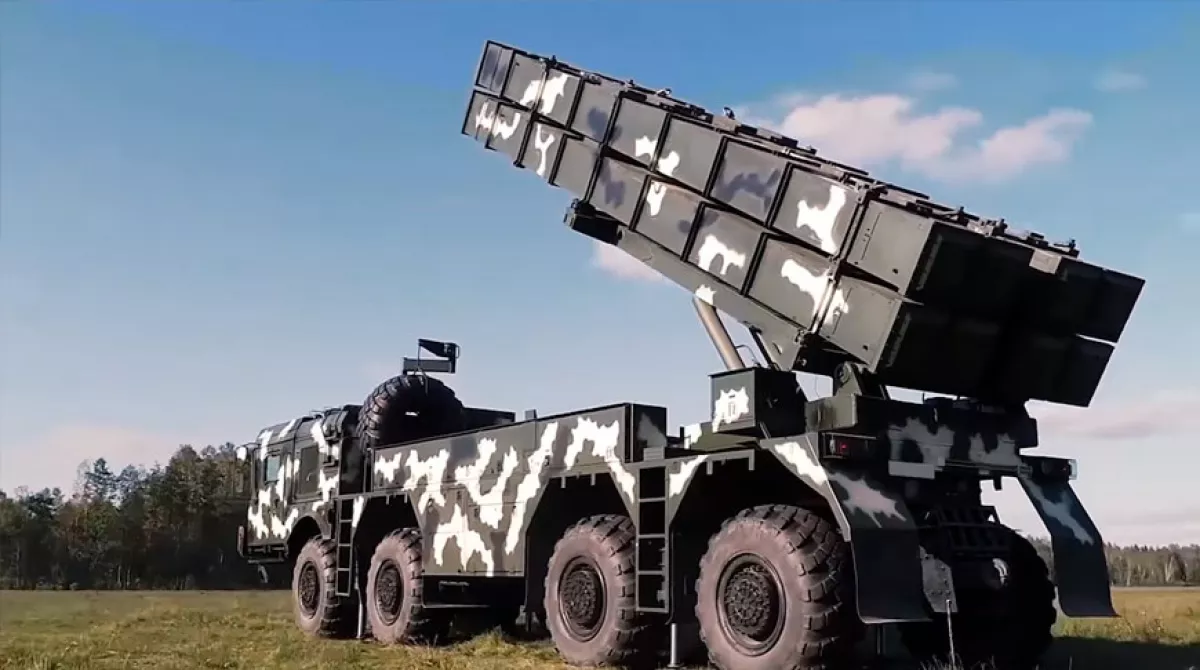
Minsk and Beijing’s military-technical cooperation is based on the complementary capabilities of the two countries. One of the best-known examples is the development of the Polonez multiple-launch rocket system, which combines Belarusian expertise in wheeled platforms with Chinese missile technology.
Earlier, another important area of cooperation involved China’s use of technology from the Minsk Wheel Tractor Plant in developing its own production of heavy multi-axle chassis. In recent years, cooperation has expanded into radio electronics, optical systems, selected areas of microelectronics, and unmanned technologies.
For Belarus, strengthening defence ties with China is part of a broader strategy following the deterioration of relations with the West and the imposition of extensive sanctions. Minsk is seeking to expand its circle of international partners, gain access to advanced technologies, and reduce its dependence on any single external partner.
Regular joint drills give Belarusian troops an opportunity to learn from one of the world’s most technologically advanced militaries, improve coordination between units and adapt their training to the changing demands of modern warfare.
At the same time, military cooperation with China highlights Belarus’s ability to maintain and expand international defence ties despite growing geopolitical pressure from the West.
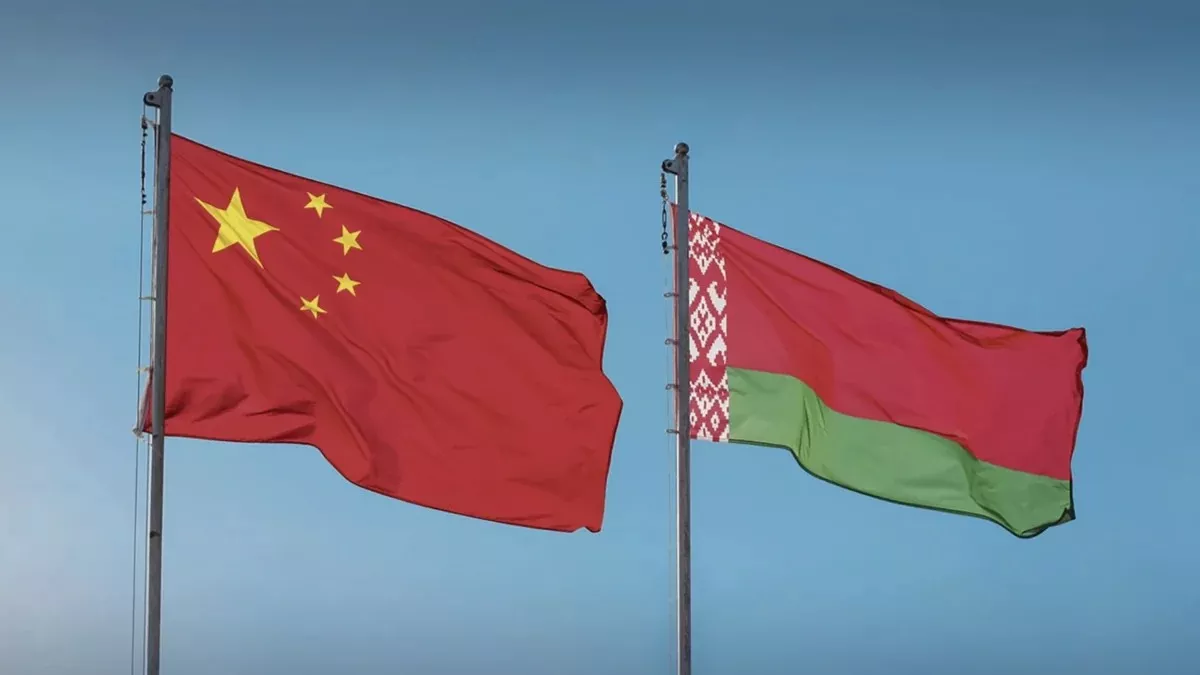
For Beijing, the partnership with Minsk is also of strategic importance. Belarus remains a key participant in China’s Belt and Road Initiative along its western route and has a well-developed defence industry that retains expertise rooted in the Soviet school of engineering and military technology.
Joint projects give China access to these capabilities, expand its military-technical cooperation with a European country, and strengthen its political presence in the region. Regular exercises also provide an opportunity to test interoperability between units, improve logistics, and exchange practical experience in training personnel.
The fourth edition of the Swift Eagle exercises highlights how Belarus-China defence cooperation has evolved into a more structured and sustained partnership. What began largely as an exchange of experience has expanded to include military-technical projects, joint research and regular military drills.
The growing range of activities suggests that Minsk and Beijing are building a long-term framework for defence cooperation. This partnership is likely to remain one of the more active and rapidly developing areas of bilateral relations in the years ahead.







 editor@caliber.az
 +994 55 444-88-98
 Азербайджан, Баку, ул. Низами, 203, Af Business House, 5-й этаж