










Azerbaijan’s foreign policy formula: strategic balance in a divided world Analysis by Teymur Atayev
Azerbaijan’s official foreign policy line is crafted with exceptional precision while remaining transparent and consistent. This principle was once again demonstrated with absolute clarity during the recent visits of Azerbaijani Foreign Minister Jeyhun Bayramov to Russia and Ukraine, which reaffirmed that Azerbaijan’s international policy is guided exclusively by its national interests.

It is precisely this approach that reflects Azerbaijan’s unique foreign policy signature on the global stage. Indeed, it would be difficult to find another country today that has managed to build such successful relations with major powers openly engaged in rivalry, such as China and the United States, or, for example, maintain balanced ties simultaneously with Israel, Palestine, the Arab monarchies of the Middle East, and Iran. In this context, the same pattern of mutual understanding with both Moscow and Kyiv becomes evident.
This perspective clearly demonstrates the systematic, comprehensive, and conceptual nature of Azerbaijan’s efforts in this direction — an approach shaped by the political wisdom of President Ilham Aliyev. In this regard, one may recall the Azerbaijani leader’s recent remarks at the 4th Shusha Global Media Forum, where he stressed that “we value our relations with Russia [...] I would say that our relations have been fully normalised. Contacts are maintained at various levels.”
At the same time, President Aliyev described relations between Baku and Moscow as important “both in the bilateral format and in a broader geographical context,” noting that they encompass areas such as transportation, trade, and humanitarian cooperation.
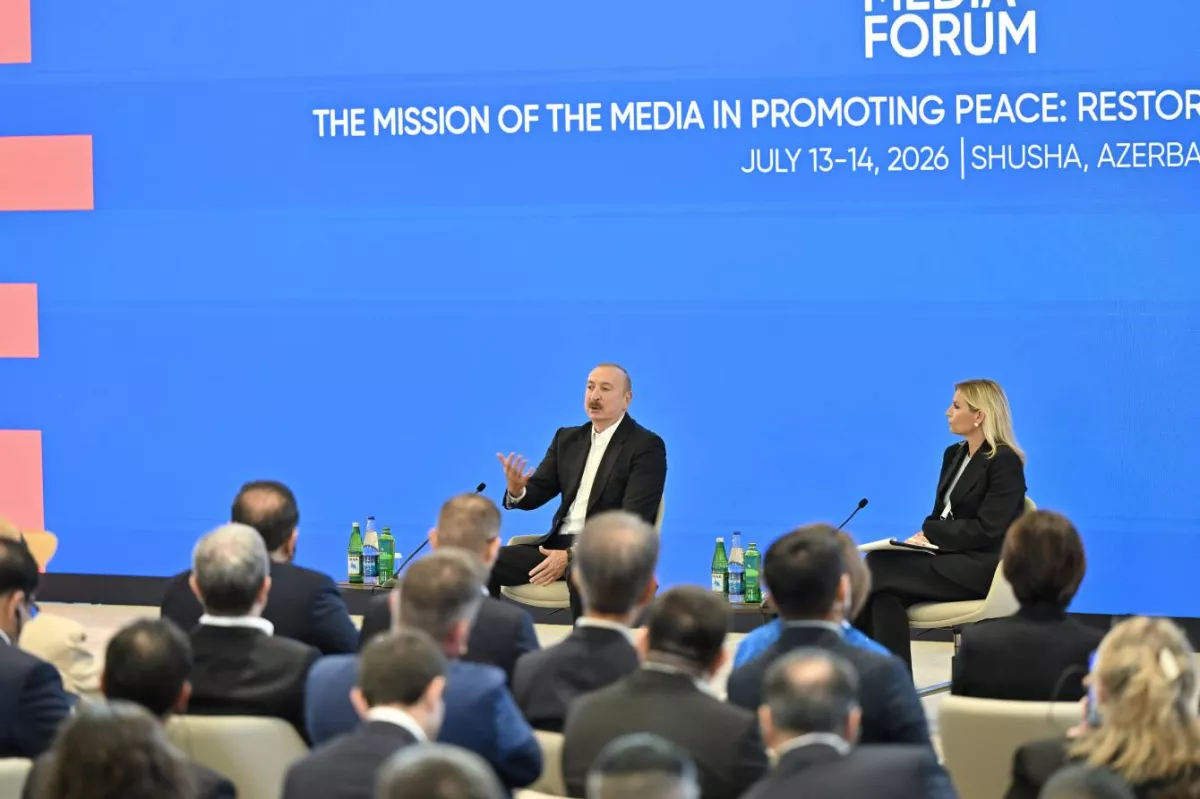
At the same time, noting that the Azerbaijani people’s attitude toward Ukrainians and Ukraine “comes from the heart,” Azerbaijan’s leader, responding to a request to offer advice to Ukraine, stated: “never agree to occupation.” He then reaffirmed Azerbaijan’s unwavering position in support of Ukraine’s territorial integrity, declaring that “As for the Ukrainian people, we are always ready to help in any way we can.”
Meanwhile, during Ukrainian President Volodymyr Zelenskyy’s working visit to Azerbaijan in April, he expressed gratitude to the Azerbaijani leader for continuing the partnership “during those very harsh winter conditions,” particularly highlighting the provision of 11 energy assistance packages and humanitarian aid for Ukrainian children affected by the war. President Ilham Aliyev, in turn, emphasising the solid political foundation of bilateral ties, pointed to SOCAR’s long-standing successful operations in Ukraine, joint initiatives — including investment projects — and the existing prospects for military-technical cooperation.
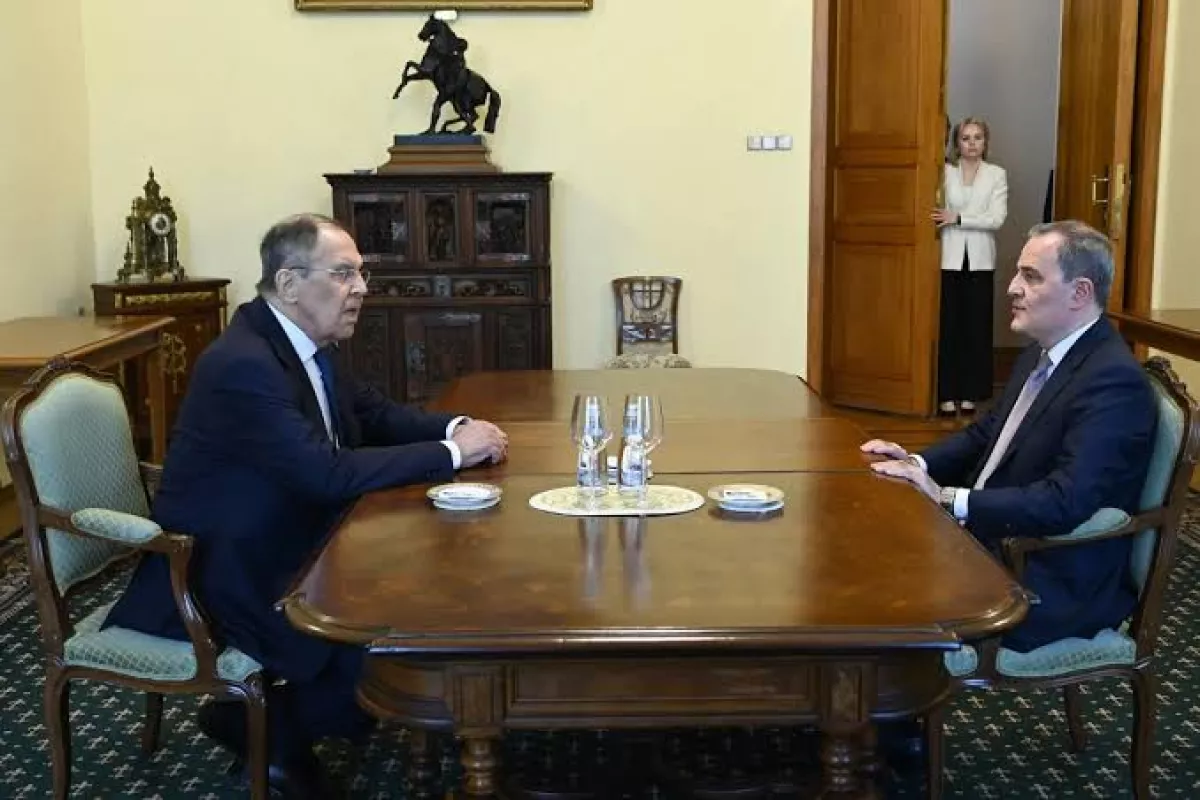
Thus, it is clear that official Baku is shaping all areas of its foreign policy through carefully calibrated steps, without compromising the interests of third parties and, from the outset, in full accordance with the norms and principles of international law. Therefore, there is nothing spontaneous about Azerbaijani Foreign Minister Jeyhun Bayramov’s August visit to Ukraine, which followed his July trip to Moscow, ahead of which the Russian Foreign Ministry described Azerbaijan as an important partner for Russia in the South Caucasus and the Caspian region.
During talks with Russian Foreign Minister Sergey Lavrov, the sides discussed a wide range of issues related to the bilateral, regional, and international agenda. They reaffirmed their mutual commitment to further strengthening multifaceted cooperation in order to fully realise the potential of the Declaration on Allied Interaction between Russia and Azerbaijan. This includes maintaining regular political dialogue, as well as implementing the Plan of Consultations between the foreign ministries of the two countries.
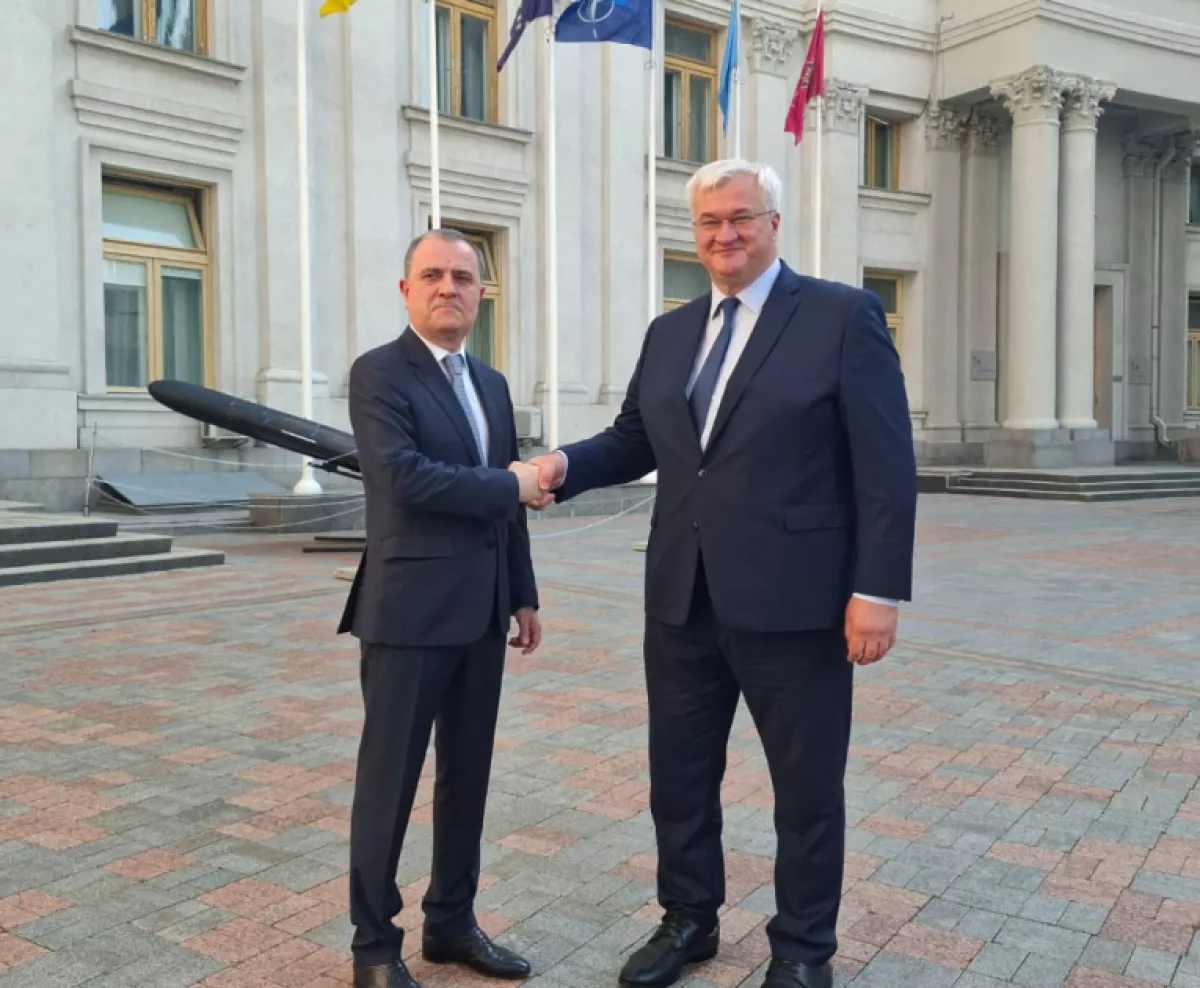
Regarding Jeyhun Bayramov’s official visit to Kyiv, he and his Ukrainian counterpart Andrii Sybiha emphasised the importance of developing existing ties between the two countries on the basis of mutual respect and consideration of national interests. Against this backdrop, Bayramov, expressing Azerbaijan’s readiness to supply gas to friendly Ukraine if necessary, highlighted the potential for cooperation “in the area of energy security and across a broader geographical scope.”
For his part, Sybiha, underscoring Baku’s significant regional role and describing Azerbaijan and Ukraine as strategic partners, emphasised the special importance of Azerbaijan for both Kyiv and Europe as a whole in terms of energy security.
During Bayramov’s visit to the Ukrainian city of Irpin, the Ukrainian side expressed gratitude to Azerbaijan’s leadership for the reconstruction of the Academic Zarifa Aliyeva Humanitarian Lyceum and the city’s central polyclinic, carried out with financial support from SOCAR Ukraine. The Azerbaijani side also outlined plans to implement four additional large-scale reconstruction projects in Irpin.
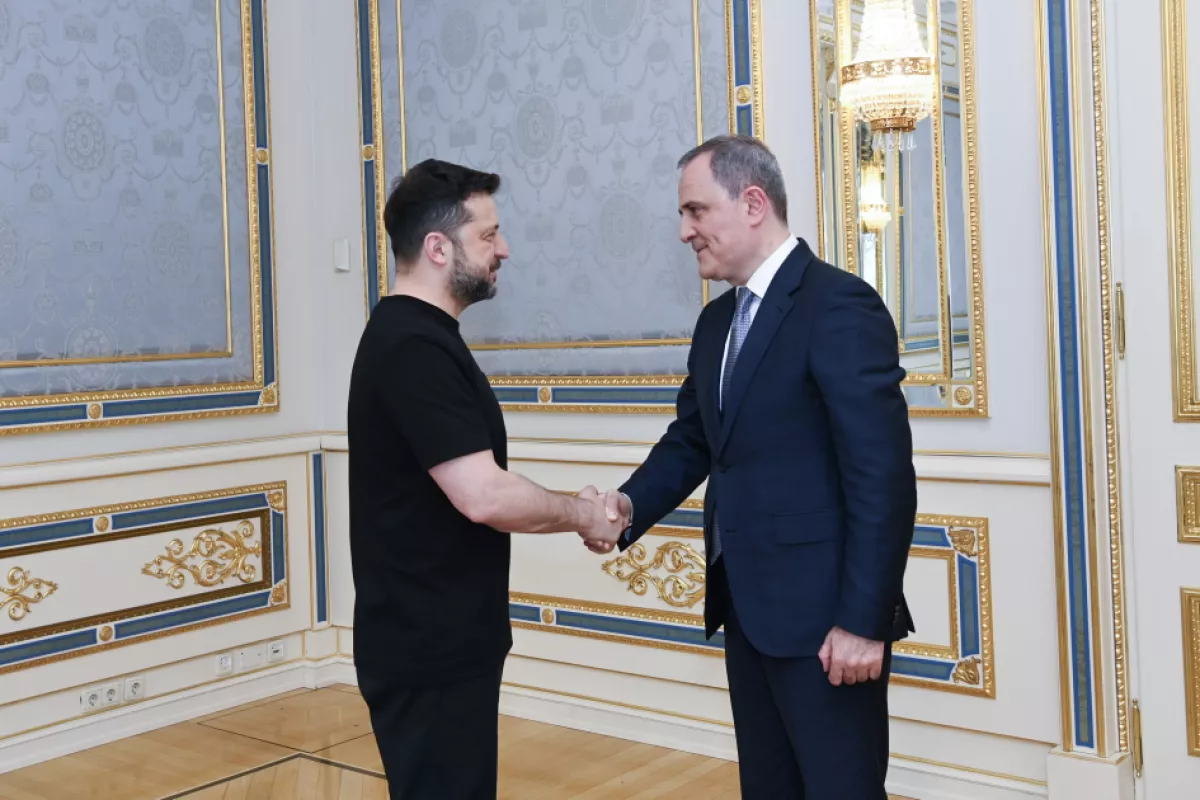
At the same time, the geopolitical significance of the Azerbaijani minister’s visit to Kyiv was particularly highlighted during his meeting with Ukrainian President Volodymyr Zelenskyy, who expressed deep gratitude to President Ilham Aliyev for Azerbaijan’s humanitarian support to Ukraine. The meeting also reaffirmed a shared intention to expand cooperation across various areas.
Even this brief overview of the developments surrounding the Azerbaijani foreign minister’s visits to Moscow and Kyiv, as noted above, demonstrates the uniqueness of Baku’s approach to building international relations. This, in turn, makes it entirely plausible to consider Azerbaijan’s role through the lens of its potential contribution to mediating efforts aimed at resolving the Russian-Ukrainian confrontation.
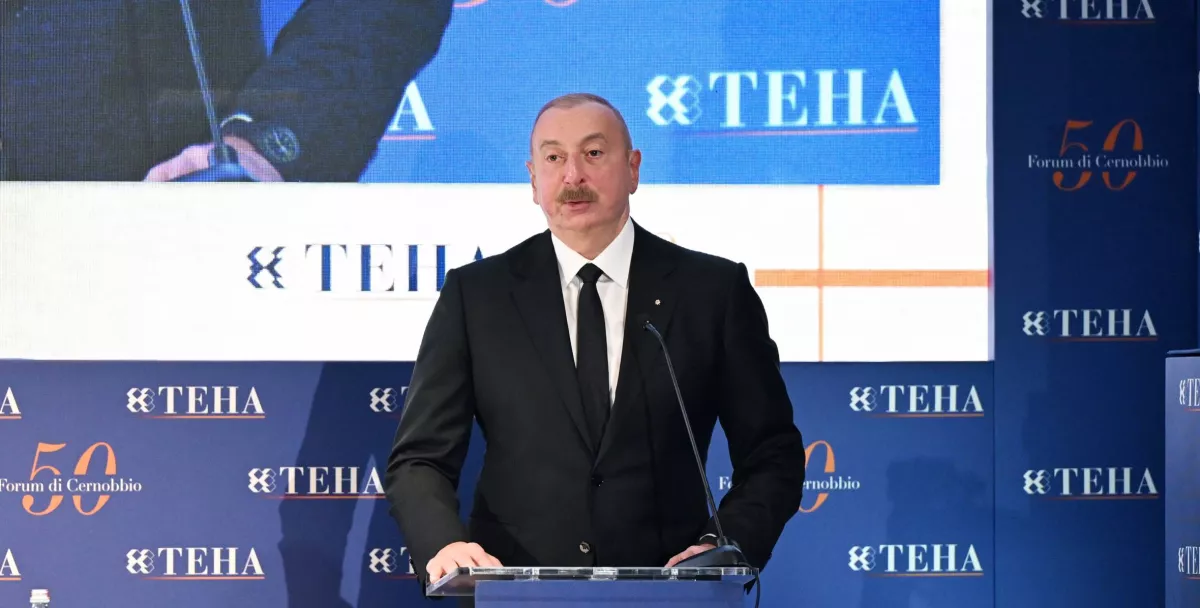
In this context, it is worth recalling that back in 2024, during his speech at the International Cernobbio Forum in Italy, the Azerbaijani leader did not rule out Baku’s potential mediating role, stating: “If our involvement is needed, we are ready.”
At the same time, during his stay in Azerbaijan, Volodymyr Zelenskyy, describing it as extremely important “for Ukraine that the war eventually comes to an end,” openly stated: “We would also like to conduct our negotiations in Azerbaijan – provided that the Russian side also chooses this diplomacy.”
Of course, it would be premature to make predictions. However, what is becoming increasingly evident is that both Moscow and Kyiv recognise Azerbaijan’s geopolitical significance, while Baku’s experience in mediation efforts is known internationally.







 editor@caliber.az
 +994 55 444-88-98
 Азербайджан, Баку, ул. Низами, 203, Af Business House, 5-й этаж