










Migrants, nationalists, and the end of old Europe Analysis by Serhey Bohdan
If you can’t defeat it — lead it. This is the principle now being followed by the ruling liberal elites in European Union countries, as they confront the rise of anti-migrant and xenophobic sentiments. This week, a decision was taken to tighten the EU’s migration policy, while xenophobic attitudes are already threatening new conflicts within the EU as nationalist forces gain strength and countries close their borders.
Today’s ruling liberal parties are competing with the xenophobic opposition by adopting some of its slogans. However, Europe can no longer do without migrants: it faces a choice — either accept a new population and preserve a unified economic space, or risk rapid decline and degradation.
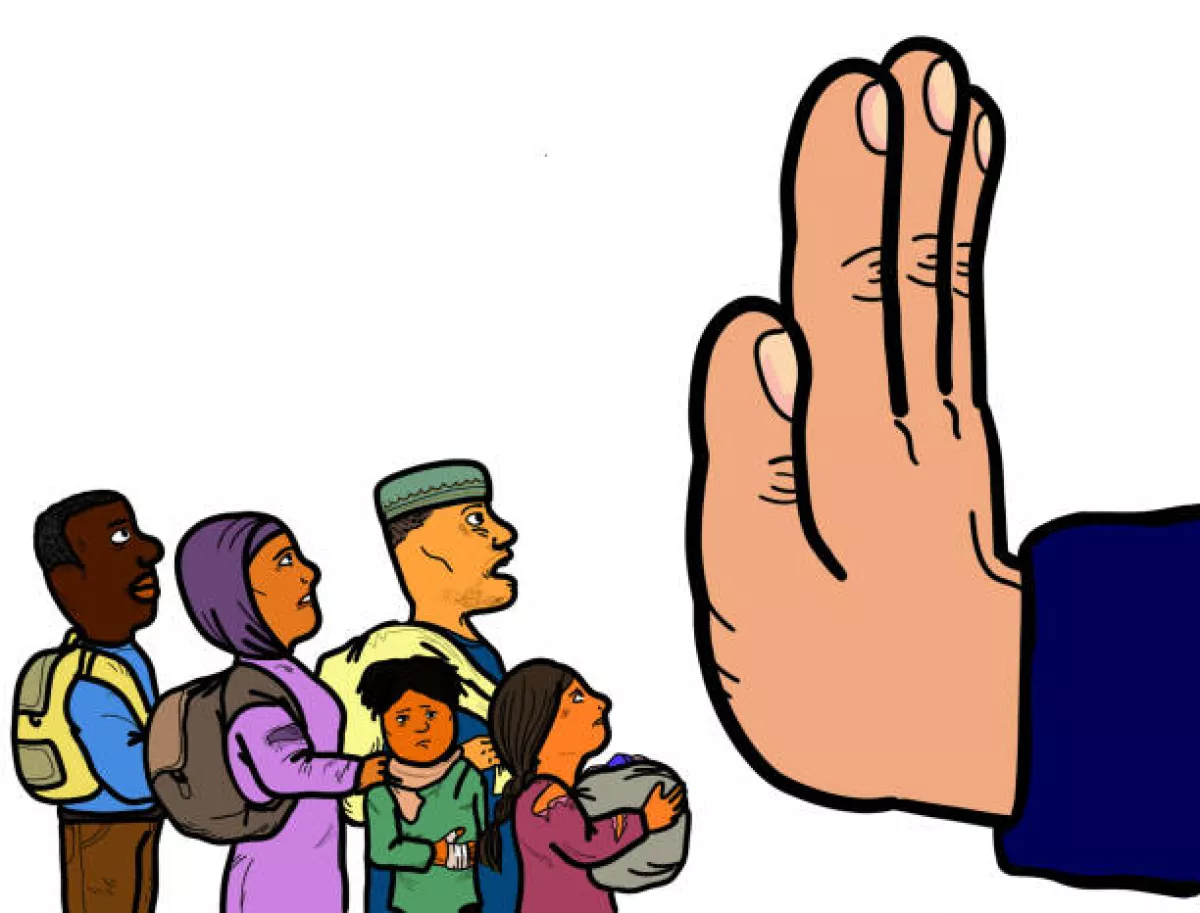
A ticket to Rwanda or Armenia for refugees
Following the unrest last weekend, when football fans staged riots in Paris and other French cities, French opposition politicians began calling for tough measures against the ethnically non-French population of the country, including mass expulsions of immigrants and even their descendants in the event of offences.
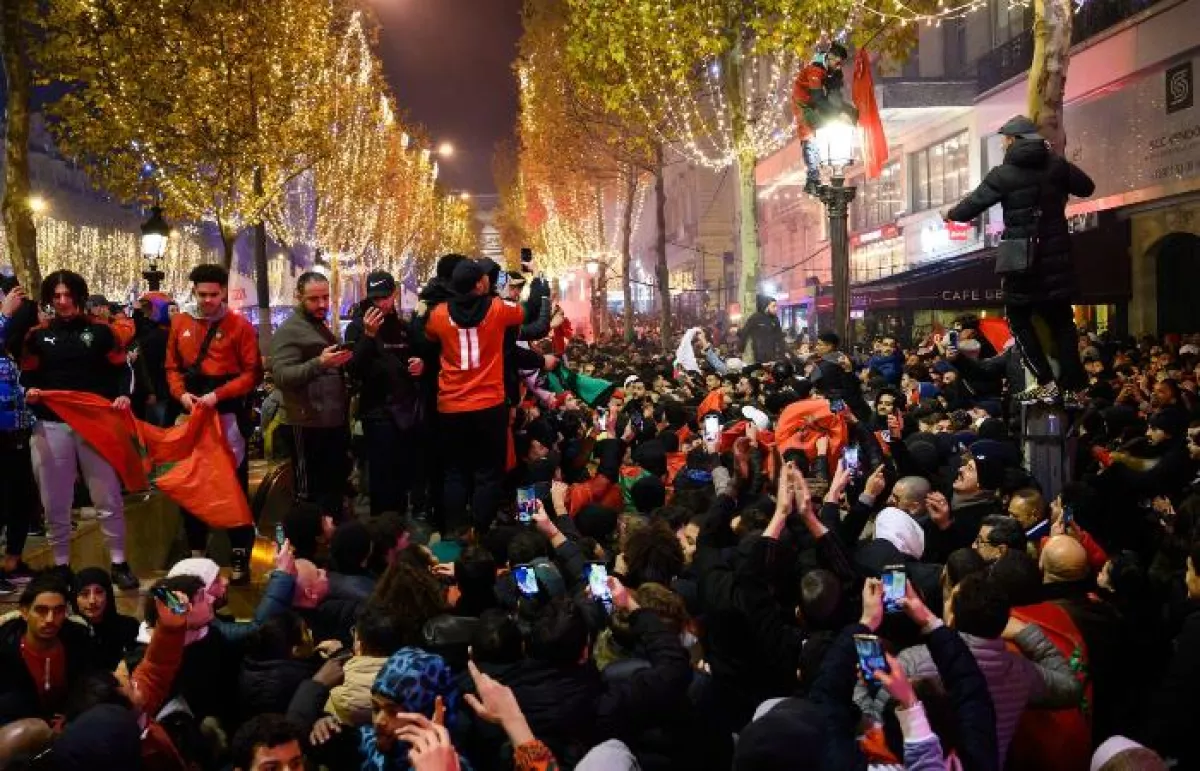
They are, of course, not yet in power, but the Euro-liberal ruling elites are already responding to such slogans from the rising non-liberal opposition and, in an effort to hold on to power, are imitating its xenophobic rhetoric.
Recently, at a meeting of EU foreign ministers, the toughest migration measures in the history of the European Union were agreed upon. Among other things, it was decided to expand the use of administrative detention, create a unified European deportation mechanism, and establish so-called centres outside the EU for processing asylum claims and for the removal of migrants whose applications are rejected.
According to the latest official information, EU officials are seeking agreements to establish such detention facilities in Rwanda and Uzbekistan.
Ahead of the elections in Armenia, they did not mention that one of the most promising locations for such facilities for the large-scale detention and deportation of people is precisely that country. Yerevan and the EU have long been conducting talks on this issue, and some agreements are already in place.
There is no dispute that Europe does face problems with certain migrants and even with their descendants, and that state systems in EU countries are failing to cope with the situation — only one in five deportation orders is actually enforced. The reasons are obvious.
Pseudoliberal dogmatism, accompanied by rhetoric about alleged rights and sometimes questionable claims about repression in certain non-Western countries, has for decades created opportunities for the abuse of asylum rights and migration channels.
Euro-liberal regimes, in their crusades for “democracy,” have destabilised a number of non-Western countries and pushed large segments of their populations out, luring them with promises of an allegedly easy life and a bright future in the West. And then it turned out that these same migrants and their descendants are no longer wanted by the liberal regimes — even though it was these very policies that effectively brought them to the West in the first place, while also depriving them of the possibility of return. Who would go back to Afghanistan, Syria, or former French colonies in Africa, destroyed as a result of Western interventions?
Ensuring their integration in Europe has now become impossible due to the shrinking of the state as such in the West. The misguided neoliberal policies of EU regimes have led to cuts in public spending and social policy — under the assumption that the market, private sector, and a “free society” would sort everything out. As a result of unrestrained capitalism and the shrinking state, instead of the police and other state institutions, criminal networks, the shadow economy, and self-interested corporations have increasingly taken control.
EU authorities do not want to hear about these root causes of the current migration problems, preferring instead to tighten existing policies. Alongside draconian measures against refugees and migrants from predominantly Muslim countries, EU states have effectively launched a racist and Islamophobic policy of deliberately mass-importing Indian labour — despite the publicly displayed concern about migration levels from other directions.
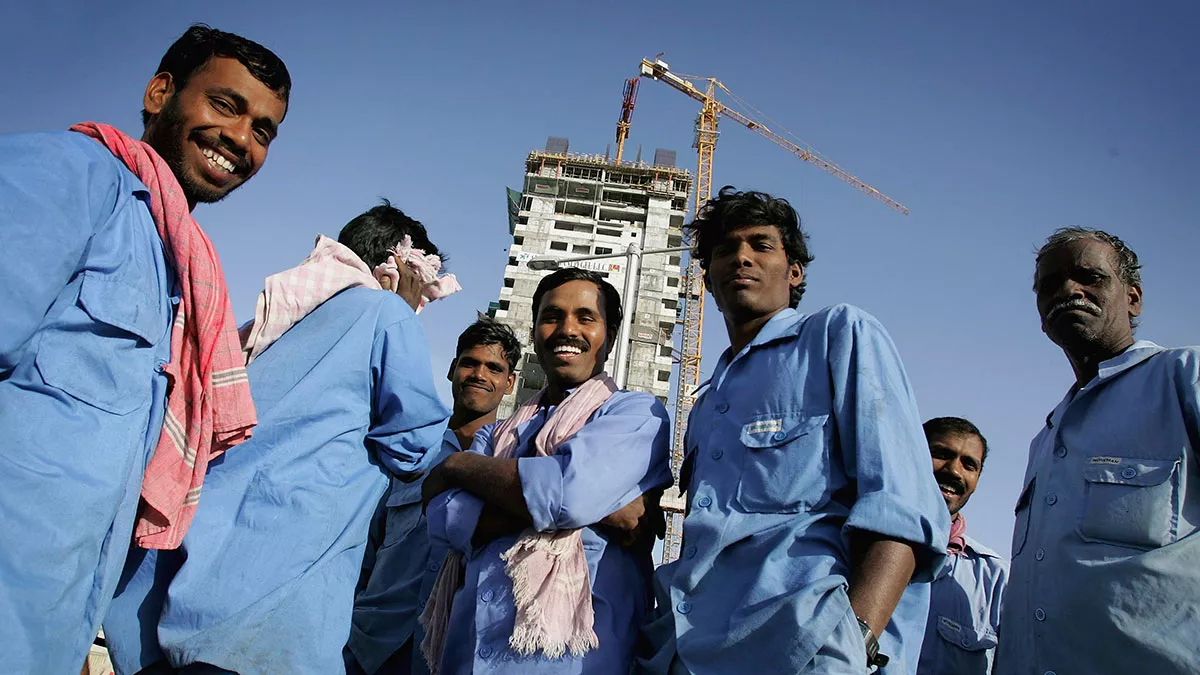
However, as we can see, migrants are treated differently depending on their category. German authorities, in particular, stand out in this regard after signing a Partnership on Migration and Mobility agreement in 2022. As a result, the number of Indian workers in Germany rose from around 23,000 in 2015 to 137,000 in 2024, and by the end of the same year Germany even decided to increase the annual number of work visas for Indians from 20,000 to 90,000.
Notably, the BBC has quoted German politicians from the Christian Democratic Party expressing satisfaction with the influx of labour from India. Members of this party are known for controversial statements regarding Muslims and Turks, including comments about migrant communities originating from those countries. Against this backdrop, Germany’s enthusiasm for India appears less like internationalism or humanitarian concern and more like an attempt to play on ethnic and religious differences. In particular, it suggests an effort to weaken the position of other established migrant communities, with Turks and Arabs appearing to be the primary focus.
There is another interesting aspect that points to a double standard in this policy: it is not simply a matter of increasing the number of Indian migrants, but of actively recruiting Indians with minimal qualifications.

If earlier migrants mainly arrived through the EU Blue Card scheme, which requires guaranteed employment in a highly paid position and advanced qualifications, the current trend is different: people are being brought in even without serious knowledge of German, with unverified qualifications, including students and those willing to undergo vocational training in basic skilled trades. According to recent data, around 10,000 Indian apprentices have already been recruited under this category alone.
From a rational economic perspective, it would seem more logical to recruit personnel from countries whose diaspora is already well represented in Germany, as this would facilitate integration and labour market entry. However, the logic here appears to be not economic but rather political and social. And, incidentally, this approach is not necessarily beneficial for India either: low-skilled vocational and service-sector roles are often filled by individuals who could potentially contribute far more to their home country than to Germany.
Yet in modern Western capitalism, human talent is often undervalued, and Western media enthusiastically highlight cases of Indians who, instead of pursuing IT or university studies at home, move to Germany only to become, for example, bakery apprentices.
Ambiguous support for Ukrainian refugees
In parallel with this policy of “diluting” predominantly Muslim migrant inflows, xenophobia in Europe has been growing both in breadth and depth. This has become evident in the way that, following the tightening of measures against ordinary refugees and migrants, EU authorities on Thursday also turned their attention to what can be described as a privileged group of refugees — Ukrainian citizens.
Wars in recent years have taken place in many countries, including on the EU’s own borders (such as Syria, Libya, and others), yet only refugees from Ukraine were granted a “temporary protection” regime. This allowed them, unlike others, not to wait for years for decisions from European authorities regarding their status, but to be automatically and immediately legalised, receiving full and unrestricted access to housing, the labour market, and education, healthcare, and social systems in EU countries on equal terms with locals.
All of this was provided in a rather discretionary manner, not necessarily based on the actual needs of Ukrainian refugees. This has also led to suspicions that it reflects an attempt by Euro-liberal ruling circles to “balance” non-European migration with refugees who are, at least nominally, European.
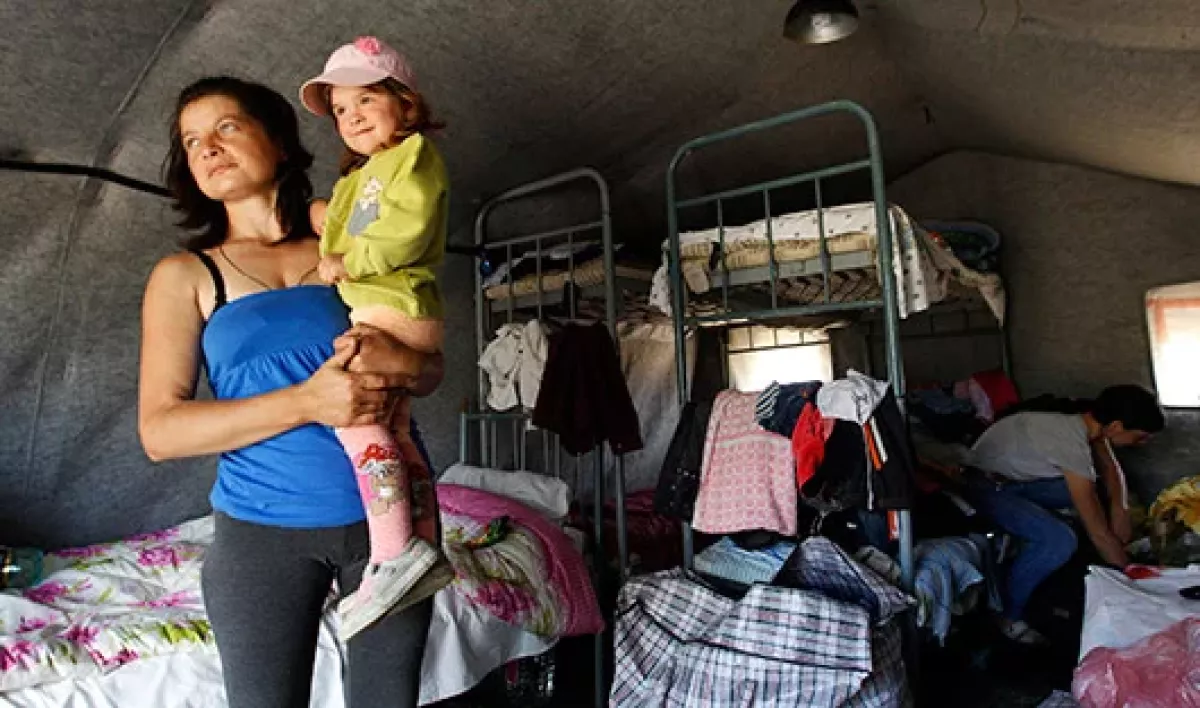
Judge for yourself — people from eastern Ukrainian regions, who suffered the most from the Russian invasion, received only crumbs from the EU system, since they arrived in the EU much later than their compatriots from western Ukraine, who managed to obtain maximum benefits. Furthermore, no one even tried to verify the real need for protection, which allowed hundreds of thousands of combat-ready men, primarily from western Ukraine, to quickly move to the EU (or obtain legal status while previously being employed in the EU somewhat illegally). This undermined the mobilisation resources of the Ukrainian army and created the conditions for massive abuses within the EU itself. After all, 26.6% of the 4.3 million Ukrainian citizens admitted under the EU’s “temporary protection regime” in EU countries are combat-ready adult men. This is the kind of factual policy the European Union relied on to defeat Russia.
Now, however, Ukrainians are beginning to be blamed. What is happening to them closely reproduces the situation of, for example, Afghans, whom the West in the 1980s encouraged to fight Moscow to the last man, without providing the resources for a real victory or subsequent assistance for rebuilding the country. This was later repeated on a smaller scale in other countries, such as those affected by the so-called “Arab Spring” of 2011. And now it seems to be heading in the same direction in the case of Ukraine.
This is also reflected in the clouds gathering over Ukrainian refugees in the EU. As can be judged from the results of the meeting of EU interior ministers on Thursday, the “temporary protection” regime for Ukrainians is likely to be phased out after the end of its next extension in March next year. Men of conscription age are expected to be completely stripped of temporary protection, while the residence status of others will be reviewed where possible.
The issue is not even that the scale of legal employment among Ukrainian refugees is lower than that of refugees from other countries, which places a heavy burden on the social welfare and insurance systems. Nor is it only that many Ukrainian citizens combine benefits with varying degrees of informal or illegal employment, which has led to massive abuses in many sectors of the economy, such as construction.
The main issue is something else: in effect, all these enormous problems, driven by the rapid and large-scale legalisation of a certain new category of refugees, are generating unhealthy sentiments within European countries and threatening the stability of liberal regimes.
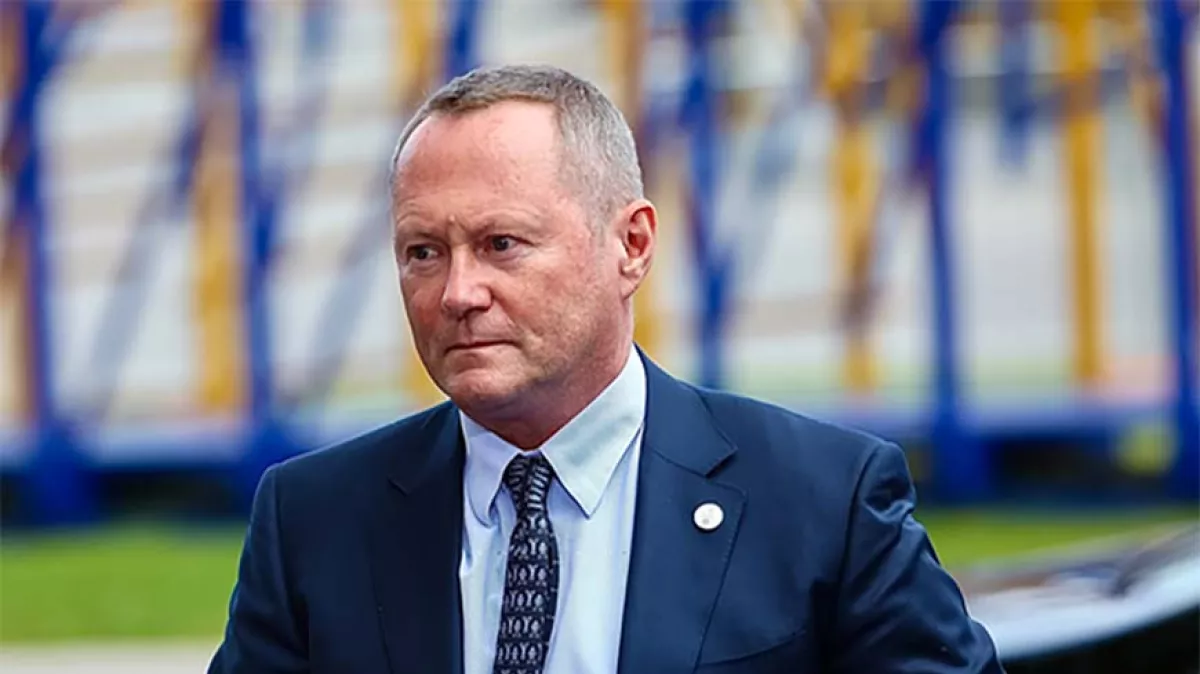
Commissioner for Human Rights of the Council of Europe, Michael O’Flaherty, openly complains about the “rising anti-Ukrainian sentiment, sometimes fuelled by populist politics.”
Anti-immigration sentiment is threatening the stability of the German state
It may later turn out that it was precisely the influx of Ukrainian refugees that ultimately broke Europe’s migration policy and tolerance. Xenophobia and ethnic nationalism, combined with “European” racist attitudes, are already clearly visible even in relatively stable Germany, where a change of political regime may soon occur with the rise of a new right-wing opposition in the form of the “Alternative for Germany” (AfD). It positions itself as being both against migration and against the war with Russia and current policies on Ukraine.
Already in September, according to polling forecasts, the AfD may receive 35–40 per cent of the vote in elections in two federal states — Saxony-Anhalt and Mecklenburg-Western Pomerania — and also come in second even in the capital, Berlin. This would guarantee the strengthening AfD entering government first at the regional level. Given that this would break the system of boycotting the “Alternative” and the catastrophic approval ratings of the governing politicians, there can be no doubt that this will eventually lead to a change of power at the national level in Germany as well.
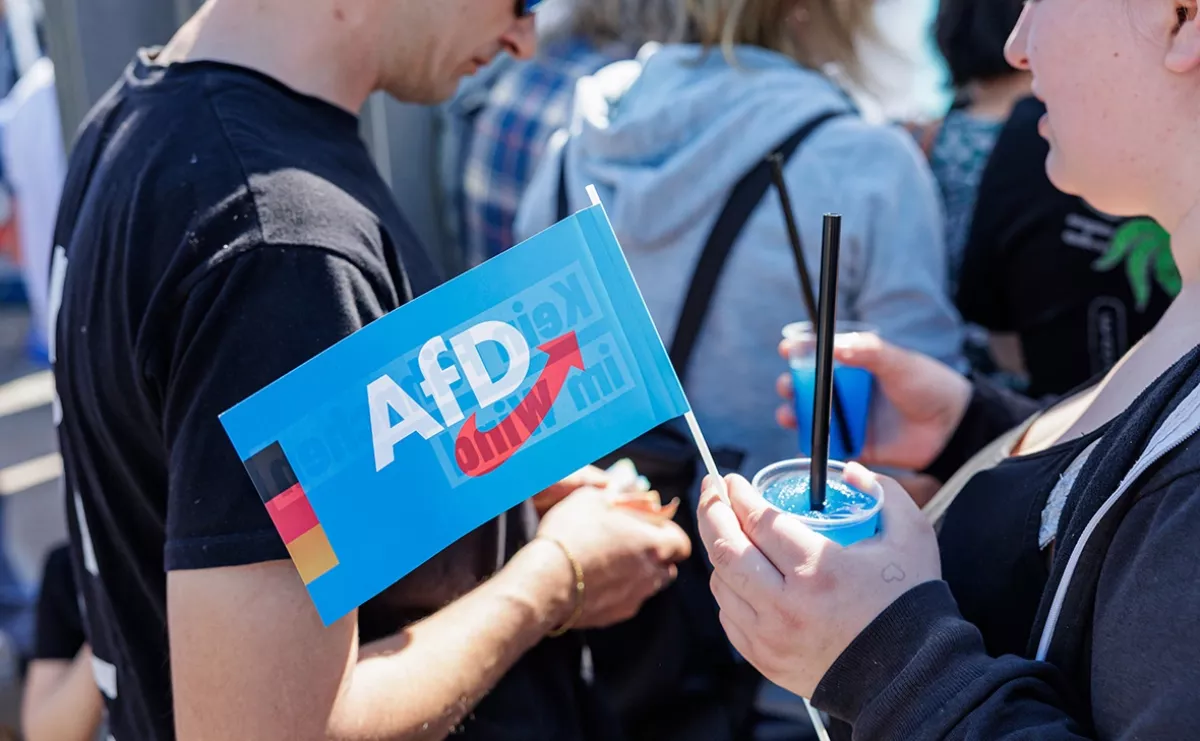
The consequences of this for German society, especially its non-German segment, are difficult to overestimate. After all, the AfD is not speaking only about tightening citizenship and asylum procedures: earlier this week it expressed outrage at news of a new record in the granting of German citizenship (last year this figure jumped by 14 per cent, reaching 332,500 people). The AfD frames the issue much more broadly. It seeks a complete overhaul of cultural and educational policy and aims to shape a far less inclusive identity based on ethnic German nationalism. This carries harmful consequences, as such games of dividing citizens into “right” and “wrong” risk tearing apart even the most consolidated societies.
In the German case, this is not only a struggle against the morally bankrupt liberal elites with their “rainbow ideology,” but also against non-European fellow citizens and residents of the country, primarily Muslims, Turks, and Arabs. That is, against a vast part of the population, and specifically the more economically active and demographically dynamic segment of the Federal Republic of Germany.
Brussels is powerless: internal EU borders are the new normal
At the same time, these threats, and the problems liberal leaders already face in managing migration and public security, have undermined the Schengen system of free movement of people, goods, and services — a key pillar of the EU economy.
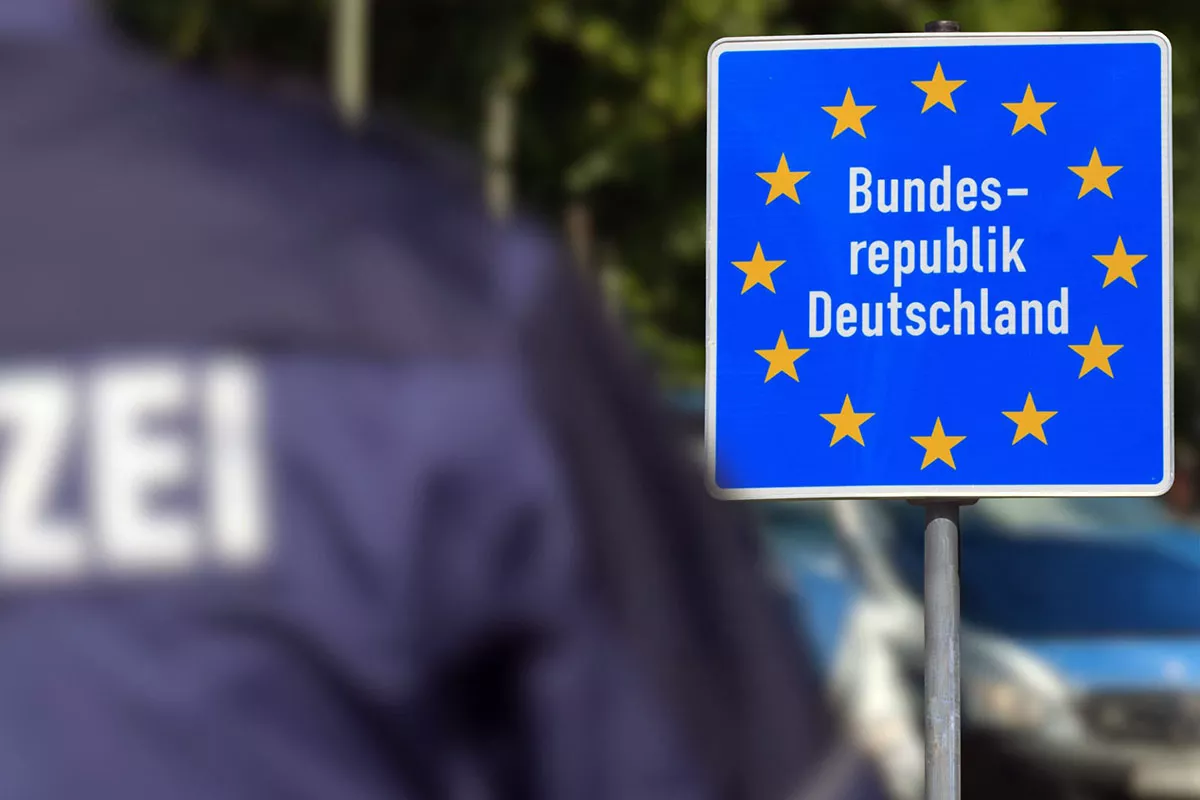
Since September 2024, border controls on Germany’s land borders have been reinstated, and in May last year the country’s new government further tightened them.
All of this has been done as part of efforts to combat illegal migration, which has been facilitated by the admission into the EU and the Schengen Area of several countries unable to effectively control their borders. Greece is one example, but the same can be said of a number of other Balkan and Eastern European states. However, acknowledging this within the European establishment would mean admitting the harmful nature of the EU’s liberal expansionism.
Alongside Germany, the Netherlands, Austria, Denmark, Italy, Norway, Slovenia, Sweden, and France have also decided to reintroduce border controls despite Schengen — in short, all major economically developed EU countries that have relevant land borders.
Recently, a German court ruled that such border controls violate EU law, and the European Commission criticised Berlin for implementing them. But this will not change the situation. Berlin can no longer afford to ignore anti-immigration sentiment in the country.
As German experts say, “without such [border] controls, the population will cease to support” the current government. Accordingly, the European Commission has merely expressed regret over Germany’s position and, as German journalists pointedly noted, “the European Commission does not specify when Germany and other EU countries should end controls at intra-European borders.”
Europe’s liberal regimes, through ideological dogmatism and excessive geopolitical ambitions, have driven their countries into a dead end. They have reduced state institutions to the point where control over migration and public security has been lost. At the same time, driven by the same ideological principles, they have created an unstable demographic situation in which native populations no longer want and are unable to have children. Today, no European country can sustain itself without an inflow of migrants, not to mention that it cannot afford mass re-emigration.
According to a report by the business-oriented Bertelsmann Foundation, Germany needs to attract 288,000 foreign workers per year; otherwise, by 2040, the decline in the labour force will reach a critical level of 10%.
The liberal establishment has made a new Great Migration inevitable. The fact that mainstream European politicians make statements to the contrary indicates a dangerously inadequate perception of the situation. Clinging to power, Euro-liberals, instead of seeking effective solutions to the current crisis by restoring state structures for integrating and managing migration flows, are fuelling anti-immigrant sentiment and xenophobia. They are attempting to sow divisions within migrant communities and are dismantling the shared economic, political, cultural, and social space that once constituted one of the EU’s key advantages.







 editor@caliber.az
 +994 55 444-88-98
 Азербайджан, Баку, ул. Низами, 203, Af Business House, 5-й этаж