










Archipelago of discord: Washington moves on Chagos Article by Matanat Nasibova
The excessive involvement of the United States in geopolitical processes across much of the world is pushing Washington to expand its network of military bases in various parts of the globe. Against this backdrop, it is hardly surprising that recent reports in the global media suggest the White House is considering the option of purchasing the Chagos Archipelago in order to directly control the Diego Garcia base located in the Indian Ocean.
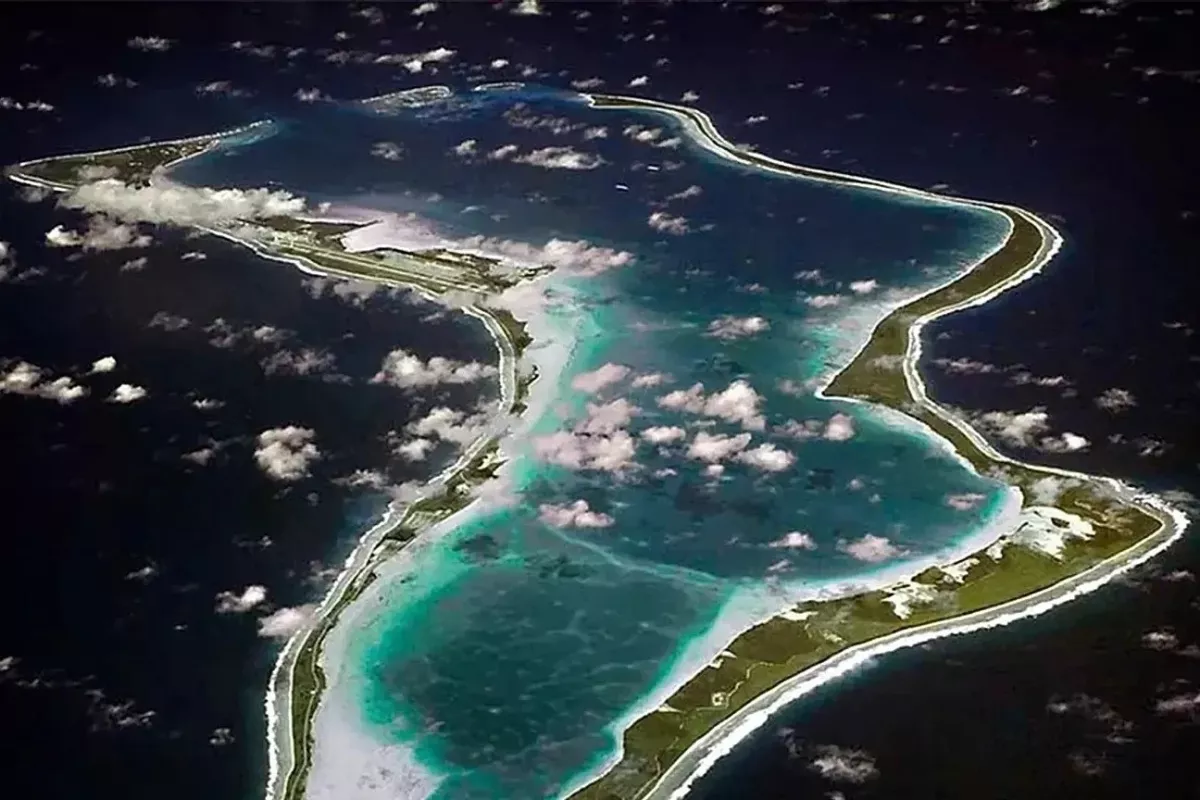
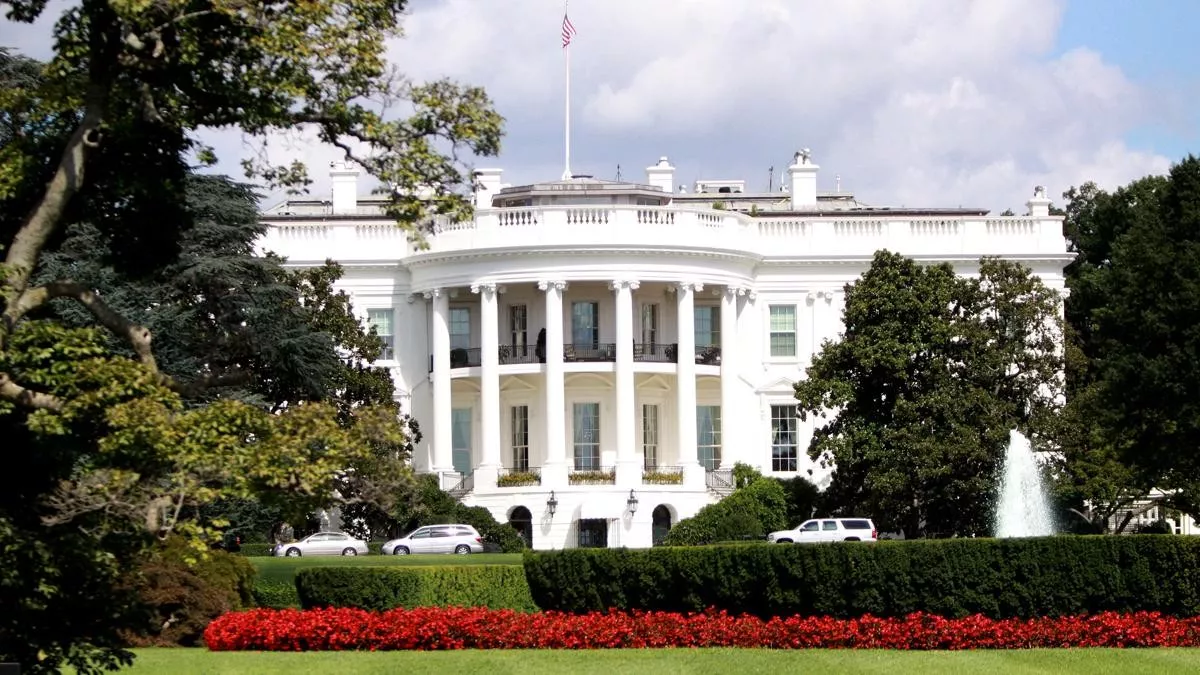
The White House is considering buying the Chagos Islands, potentially sinking Sir Keir Starmer’s plan to cede the territory’s sovereignty to Mauritius. US officials have drawn up a proposal to bypass Britain and make their own deal to take control of Diego Garcia, the strategically important UK-US military base,” The Telegraph reports.
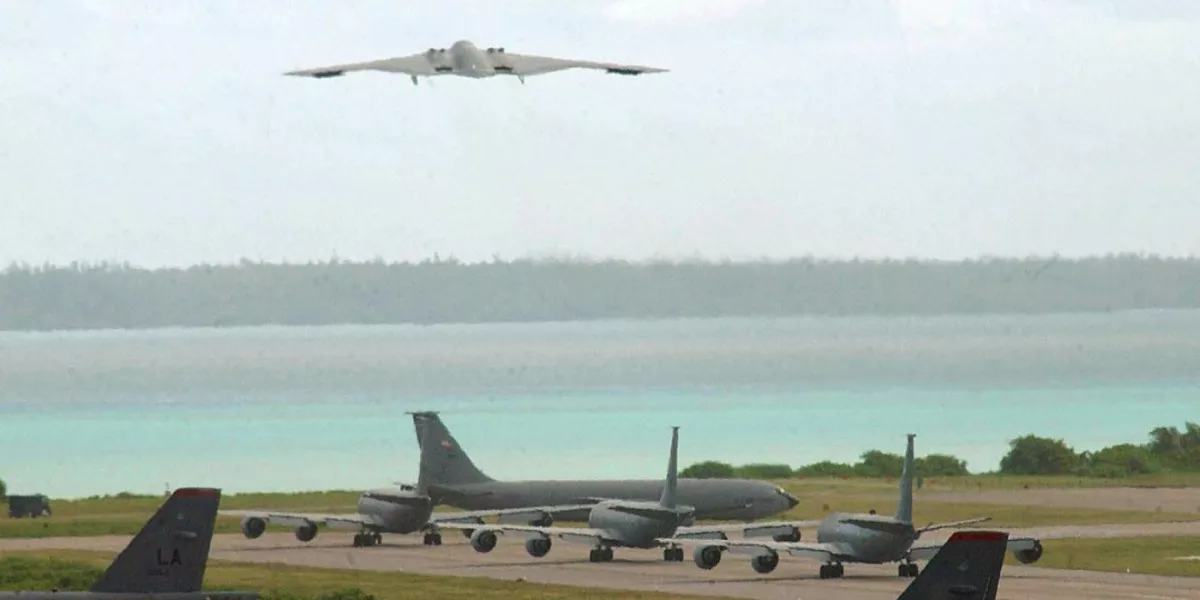
Brief background: The Diego Garcia atoll in the Chagos Archipelago hosts a major U.S. military base that has been in operation since 1973. The U.S. Navy refers to the facility as the “Footprint of Freedom.” It serves as a key logistics hub and forward operating platform for U.S. military operations in the Indian Ocean and the Middle East. The base includes an airfield capable of accommodating heavy strategic bombers such as the B-52, as well as a naval harbour for warships. Approximately 2,500–3,000 U.S. military personnel and support staff are permanently stationed there.
In May 2025, London and Port Louis signed an agreement transferring sovereignty over the Chagos Islands to Mauritius and leasing the Diego Garcia base for 99 years. The deal was signed by Prime Minister Keir Starmer. Under its terms, the UK will pay Mauritius an average of £101 million per year for the operation of Diego Garcia. Negotiations over the transfer of the islands—located around 2,000 kilometres from Mauritius—began in 2019 after Britain lost a sovereignty dispute over the archipelago at the International Court of Justice. The Labour government formally announced plans to proceed with the transfer in October 2024.
Such a course of events has triggered strong dissatisfaction in Washington, which has openly criticised London’s decision. In particular, in his speech at the World Economic Forum in Davos in January this year, U.S. Treasury Secretary Scott Bessent justified Washington’s intention to seek control over Greenland—where the U.S. Pituffik Space Base is located—by referring to the need to avoid a repeat of the Diego Garcia situation.
“So President Trump has made it clear that we will not outsource our national security or our hemispheric security to any other countries. Our partner, the UK, is letting us down with the base on Diego Garcia, which we had shared together for many, many years, and they want to turn it over to Mauritius. So President Trump is serious here,” he stated.
Donald Trump, for his part, made a post on Truth Social during the same period, saying: “Shockingly, our 'brilliant' NATO Ally, the United Kingdom, is currently planning to give away the Island of Diego Garcia, the site of a vital U.S. Military Base, to Mauritius, and to do so FOR NO REASON WHATSOEVER. There is no doubt that China and Russia have noticed this act of total weakness.”
Thus, according to the U.S. president’s statement, Washington is concerned that the transfer of sovereignty over the archipelago to Mauritius could expand China’s intelligence capabilities, given Port Louis’s diplomatic ties with Beijing. This is the first of several factors that have placed the archipelago at the centre of heightened U.S. strategic attention.
The second aspect of this issue is directly linked to the strengthening, as noted above, of U.S. military bases around the world, which aligns with the new U.S. National Security Strategy. From the perspective of safeguarding American interests, this strategy is also focused on containing Beijing in the Indo-Pacific region.
The third factor lies in the fundamental disagreements between Washington and London over U.S. actions against Iran. In February, the United Kingdom opposed the use of bases on Diego Garcia and RAF Fairford in England for preparations for strikes against the Islamic Republic, which provoked a sharp reaction from the White House. Donald Trump, in turn, criticised Downing Street in rather strong terms.
However, relations moved out of this tense phase after the United Kingdom approved expanded access for U.S. forces to British bases to protect shipping in the Strait of Hormuz and authorised the use of its facilities for defensive U.S. operations aimed at neutralising Iranian missile systems threatening international vessels. Nevertheless, as the saying goes, a sense of lingering distrust remained.
As we can see, Washington’s interest in the archipelago is multi-layered. As a result, even though in April 2026 Britain suspended its planned transfer of the territory to Mauritius, the intrigue surrounding the United States’ intention to purchase the Chagos Islands is likely to intensify further. In principle, a U.S. acquisition of this group of islands cannot be ruled out, as maintaining a full-scale military presence in the region is of vital importance to Washington.
However, from a political standpoint, the more likely scenario is not the purchase of the archipelago, but rather the conclusion of an agreement that would provide the United States with guarantees of exclusive control over the Diego Garcia base, without being tied to the question of sovereignty over the archipelago as a whole. The key dilemma, however, is whether the White House would agree to such an arrangement.







 editor@caliber.az
 +994 55 444-88-98
 Азербайджан, Баку, ул. Низами, 203, Af Business House, 5-й этаж