










Colossus with feet of clay The geography of France’s failures under Macron
There are individuals who possess a single defining trait: everything they touch immediately begins to lose the positive qualities it had accumulated before their involvement. This description fits contemporary France with striking precision. Under Emmanuel Macron, the country has, in essence, become a state that is suffering setbacks on almost every front — both in foreign policy and domestically — which completely undermines its claims to the status of Europe’s “leading power.”
Yet, apparently, in the current French president’s perception, these reputational losses of the Fifth Republic carry little significance. Driven by outsized ambitions, he continues to steer the country toward decline, seemingly embracing the principle of “after us, the deluge.”
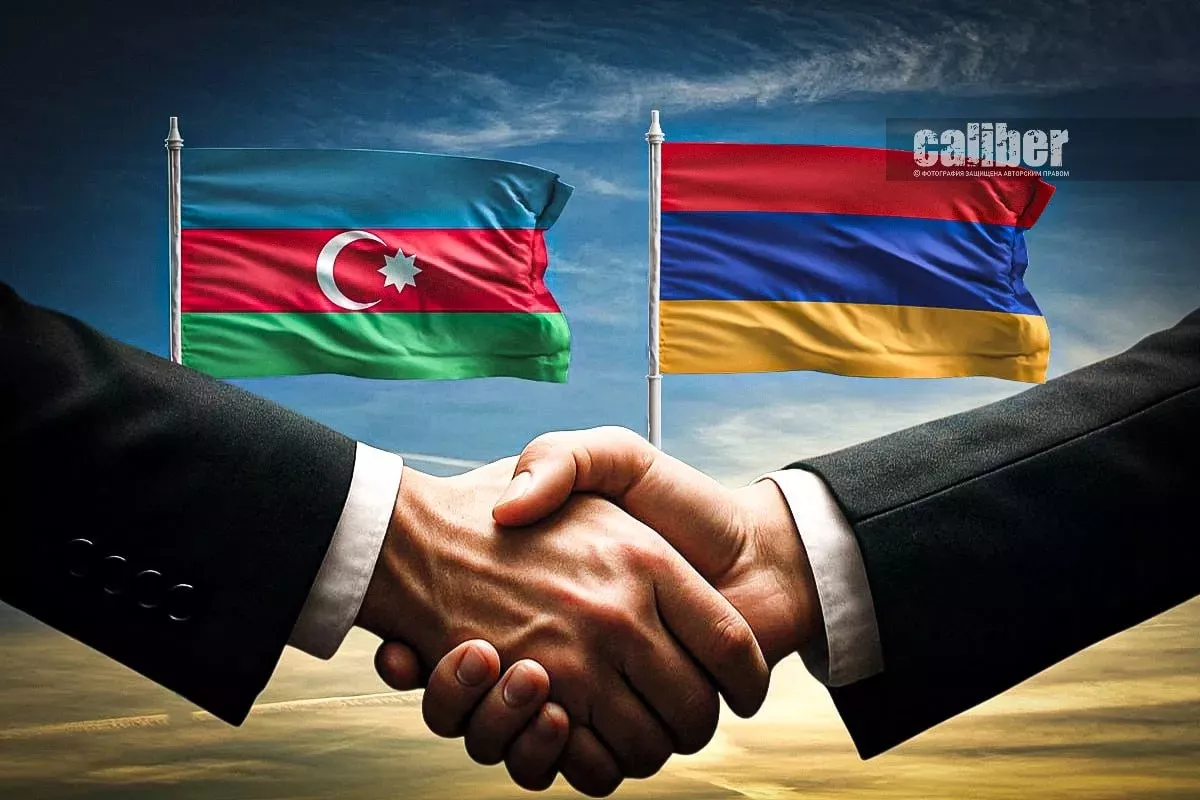
In this context, the position of the Élysée Palace regarding the two South Caucasus countries — Azerbaijan and Armenia — cannot be overlooked. The two states have left behind a decades-long conflict and are moving towards a final objective: the signing of a peace agreement. In this process, Baku and Yerevan are acting directly, without mediators, yet Paris, for reasons known only to itself, appears to have appointed itself a participant in this bilateral dialogue, undertaking actions that can hardly be described as anything other than destructive, even by the most impartial observer.
The first area of this activity is the large-scale arming of Armenia. At the Eurosatory defence exhibition in Paris in June 2024 — that is, already in the post-conflict period — a contract was signed for the supply of 36 Caesar self-propelled artillery systems to the Armenian side. In parallel, deliveries include 50 Bastion armoured vehicles, three Thales GM200 radar systems with a target detection range of up to 250 kilometres, Mistral air defence systems, anti-tank weapons, and night-vision equipment.
The total volume of defence contracts between Paris and Yerevan for 2023–2024 is estimated by a French parliamentary report at €274.5 million. This comes despite the fact that prior to 2022 there had been no military exports from France to Armenia at all. The official formulation is presented in favourable terms: assistance in strengthening the defence capabilities of the Armenian state. However, self-propelled artillery systems and long-range radar stations are not instruments of passive defence; they are tools that alter offensive capabilities, and the recipient is fully aware of the distinction.
The danger of these deliveries lies not only in the military sphere but also in the political one. By arming Armenia, France is not enhancing its security but rather laying a time-bomb of instability, while simultaneously moving peace further out of reach — peace without which the security of the Armenian state is impossible in principle.
Moreover, as reported recently by the French intelligence outlet Intelligence Online, France’s Directorate-General for External Security (DGSE) and the Directorate of Military Intelligence (DRM) are planning to expand channels for the exchange of satellite and electronic intelligence data with Yerevan. The publication notes that the French intelligence community views Prime Minister Nikol Pashinyan’s electoral victory as a signal to act, and believes that Paris can now supply Armenia with more sensitive defence technologies without fear that a political upheaval would immediately leak these secrets to Moscow.
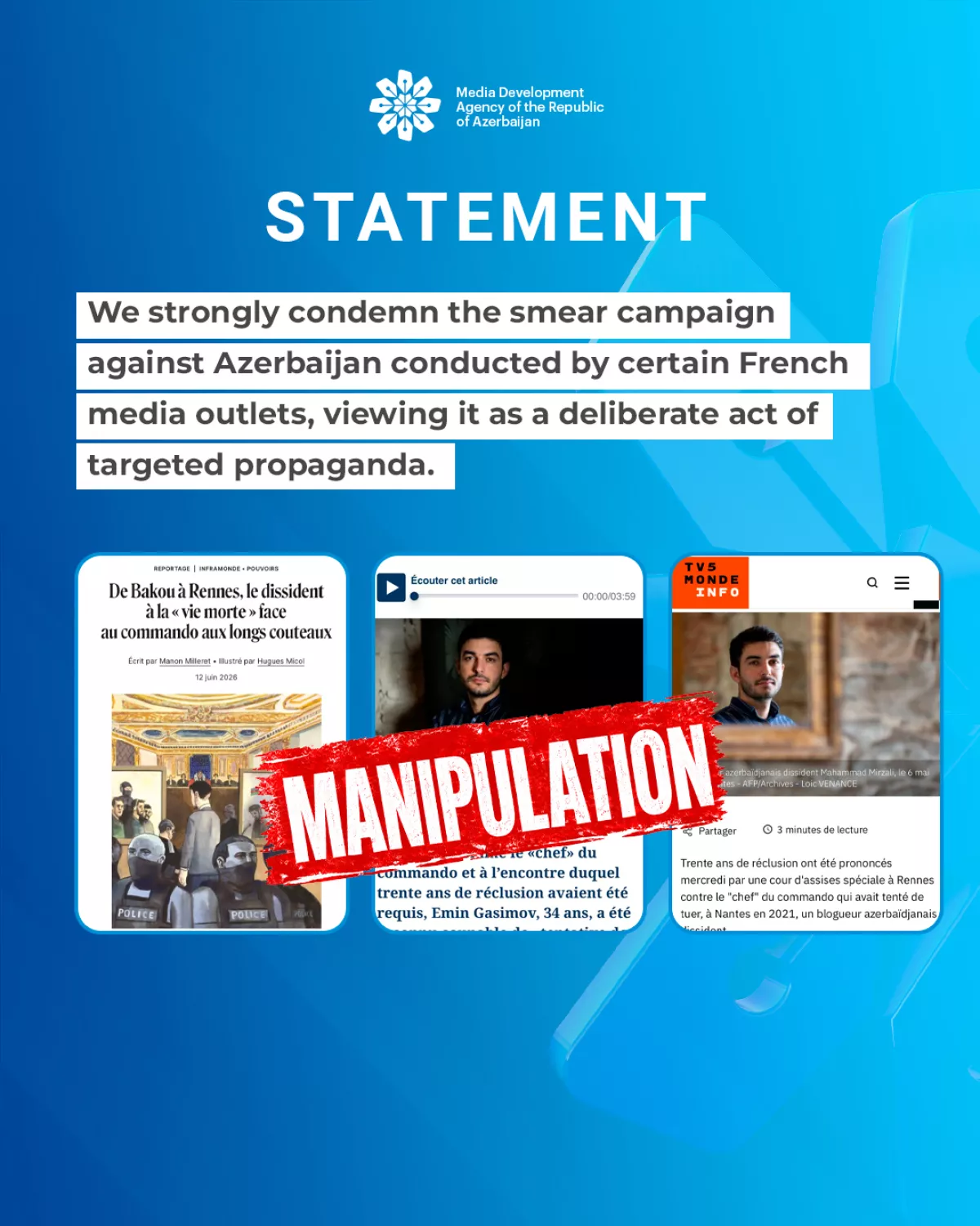
The second vector chosen by Paris lies in the media sphere, and here its approach is particularly recognisable. Recently, the Media Development Agency of Azerbaijan (MEDİA) issued a statement exposing the mechanics of this activity. The trigger was a routine criminal incident on French territory — the kind of event that normally forms part of everyday news coverage in any country.
However, several French outlets — notably Revue21, TV5 Monde, Le Figaro and Le Monde, all of which are known for their proximity to state circles and their previous campaigns targeting Baku — amplified a domestic incident into a matter of state significance, weaving in the names of Azerbaijani officials. Selective coverage before and after the judicial proceedings, artificial media hype surrounding the case, and a theatrical presentation of details all contributed, according to MEDİA, to a picture not of journalism but of a coordinated political campaign, in which individual editorial offices appear to operate as instruments of a unified agenda.
This media operation contains a layer that deserves separate attention, as it moves beyond the realm of propaganda into the realm of law. A crime, by any legal logic, is an act that entails the responsibility of a specific individual. When a state that presents itself as the cradle of democracy and the rule of law, through compliant media outlets, shifts the focus from the act itself to the national identity of a suspect, it is doing precisely what it would label unacceptable in any other context — encouraging ethnic stereotyping and collective attribution of responsibility based on origin.
France, which readily lectures others on human rights, in this case follows a path of institutionalised xenophobia, if such practices serve the purpose of discrediting Baku. This is all the more striking given that it comes from a country that positions itself as a moral arbiter of Europe.
Behind this construct lie motives that go far beyond the agenda of the South Caucasus. Paris’s increasingly aggressive focus on the region coincides with its systemic retreat from Africa, where the Fifth Republic is being steadily abandoned by its former colonies, which are closing French military bases and terminating defence agreements. In this logic, the South Caucasus becomes a compensatory arena — a space where it can attempt to reclaim a lost imperial status, as its traditional sphere of influence continues to erode. Alongside this external motive, there is also an internal one: the Élysée Palace’s reliance on the influential Armenian lobby in France.
Baku’s response to these actions has been asymmetric and, for Paris, particularly painful. Rather than becoming embroiled in a bilateral exchange of accusations, Azerbaijan has shifted the confrontation to the global level, turning France’s preferred language — the language of human rights — against it.
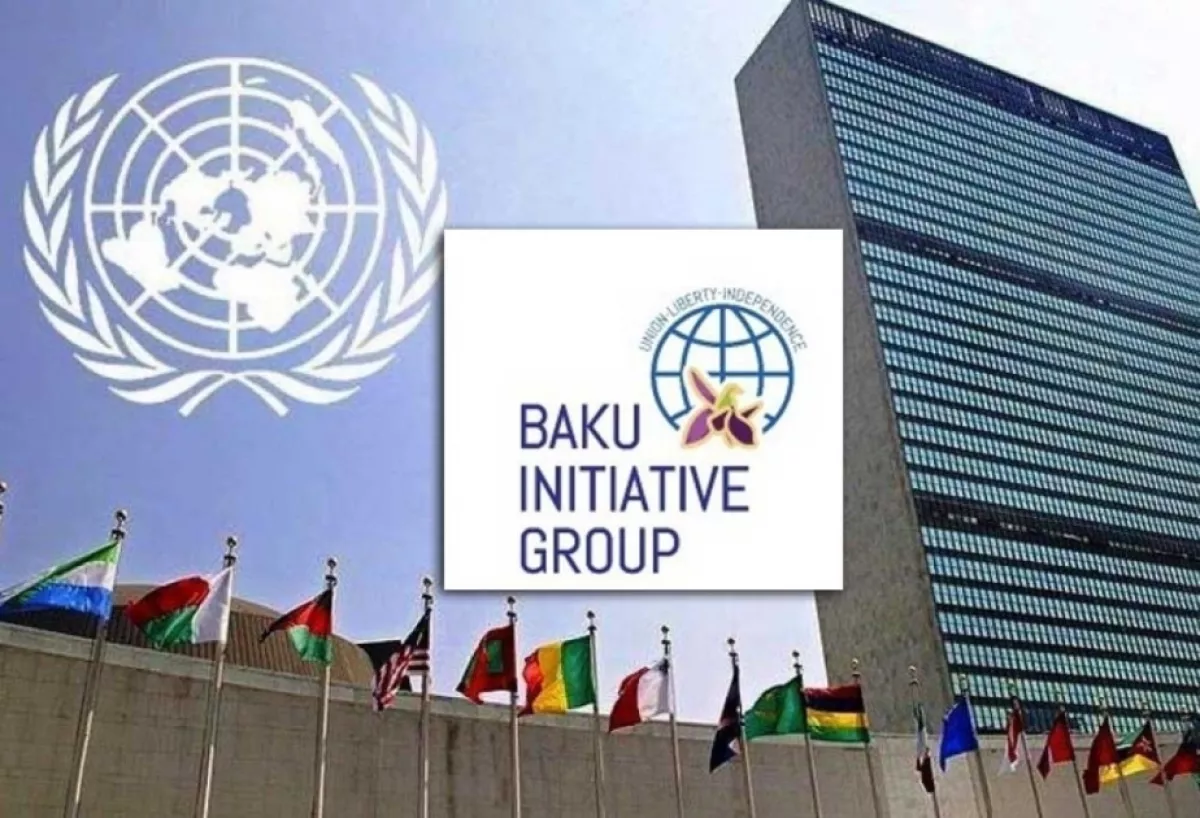
The Baku Initiative Group (BIG), established in July 2023 on the sidelines of the Non-Aligned Movement, has evolved into a coordinator of an international campaign on the rights of peoples living under French rule. The issue of overseas territories — New Caledonia, French Polynesia, French Guiana, Martinique, Guadeloupe and Corsica — has been elevated from the category of France’s internal affairs to platforms at the United Nations and other relevant international forums.
Conferences held in Istanbul, Geneva, Baku and New York, as well as the International Decolonisation Front — whose congress took place in New Caledonia itself in January 2025 — have all contributed to creating a sustained reputational challenge for France in precisely the domain where it has traditionally acted as an accuser rather than the accused.
The Kanak issue in New Caledonia has become particularly sensitive for Paris. Attempts by the French authorities to modify the local electoral franchise in their favour, as well as the suppression of protests by the indigenous Kanak population — which, according to participants in Baku-based conferences, was accompanied by mass arrests and casualties — have gained international visibility largely through the platform developed in Baku.
France responded predictably, accusing the Baku Initiative Group of interfering in its internal affairs. However, this argument is weakened by the fact that, under UN norms, decolonisation is not considered an exclusively internal matter of the metropolitan state. A mirror effect has emerged: a country that for decades has lectured others on how to treat minorities and overseas territories has, for the first time, found itself under the same scrutiny — and found the resulting perspective highly uncomfortable.
Stripping Paris of its monopoly on moral authority and its habitual didactic tone has been one of the key effects of the Baku platform.
The overall outcome is unfavourable for the Élysée Palace across all fronts simultaneously. On the ground, peace between Baku and Yerevan is being shaped without French mediation, and external interference may slow this process but cannot reverse it. In the military sphere, arms supplies to Armenia create risks but do not alter the balance. In the media domain, the campaign against Azerbaijan exposes not Baku’s weaknesses, but the partisan nature of French editorial structures. On the global stage, Paris’s attempt to act as a defender of values is undermined by its own colonial legacy, which Baku is systematically bringing to the attention of the international community.
This disruptive course has deprived France of the moral and political authority to claim any meaningful role in South Caucasus affairs. The future of regional security is being written not in Paris, but at the table of direct negotiations between two neighbouring states, and any attempts to insert external wedges into this process are destined to fail, as the balance of power in the region has already taken shape — and not in the way Paris, or many others, would have preferred.







 editor@caliber.az
 +994 55 444-88-98
 Азербайджан, Баку, ул. Низами, 203, Af Business House, 5-й этаж