










Peace on hold: Why Netanyahu is resisting Trump’s Gaza plan Foreign experts on Caliber.Az
In recent days, Prime Minister Benjamin Netanyahu demonstrated what he himself described as his ability to stand his ground, declaring that Israel rejects the 15-point document put forward by the Board of Peace to resolve the situation in the Gaza Strip and will not withdraw its forces until Hamas is fully disarmed.
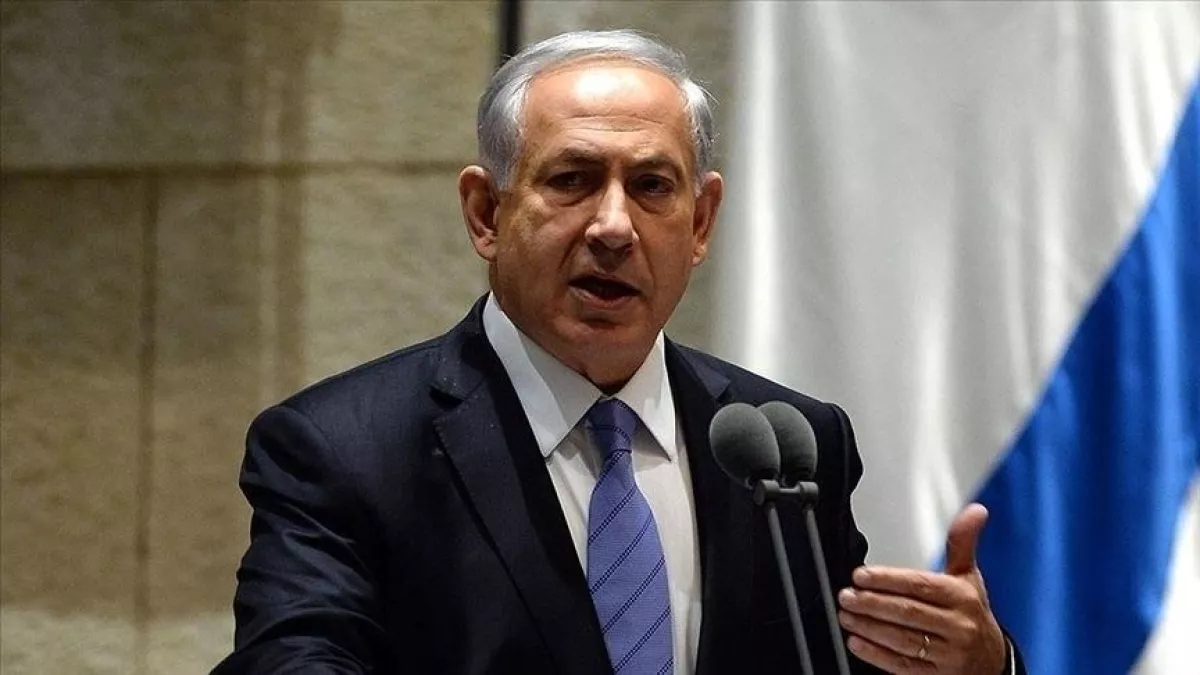
“The IDF will not carry out any withdrawal until Hamas is ‘genuinely disarmed.’ I want to be very precise. Israel rejects the 15-point document,” the prime minister said, clarifying that he meant the group’s complete renunciation of weapons, including heavy, less-heavy and small arms. At the same time, he opposed the creation of a Palestinian state, saying there “will be no Palestinian state, neither in the Gaza Strip nor in the West Bank,” as long as he remains prime minister.
Against this backdrop, a number of questions arise, particularly over how firm Netanyahu’s position really is and, more broadly, whether Israel can achieve the complete and comprehensive disarmament of Hamas. Regional experts shared their views on these issues with Caliber.Az.
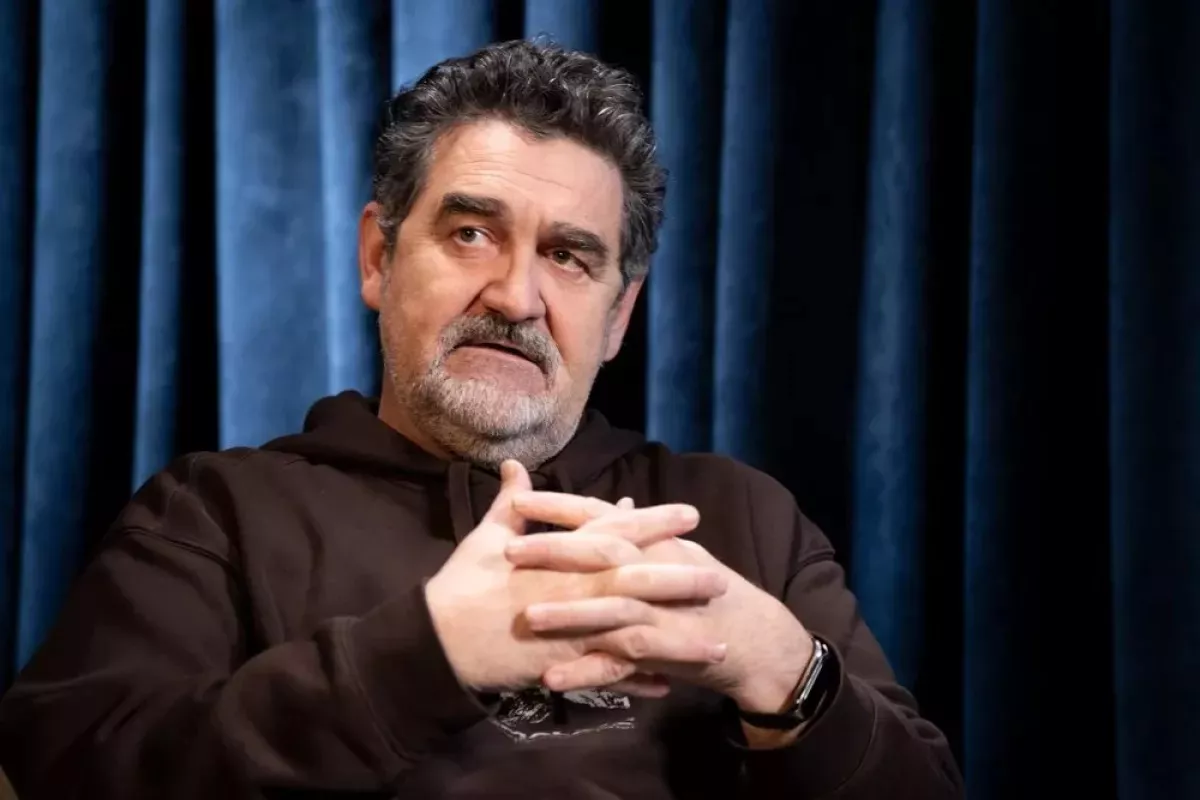
Thus, Ihor Semyvolos, Executive Director of the Center for Middle Eastern Studies (Kyiv), believes that Netanyahu’s position, reinforced by a statement from the Board of Peace that has largely sided with the Israeli prime minister on the issue of Hamas surrendering its weapons, gives him procedural cover: he can point not only to his own “toughness” but also to the fact that the Board of Peace itself has taken his side in the dispute with Trump.
“On the other hand, Netanyahu is avoiding steps that would demonstrate a willingness to fulfill his commitments. Since the ‘ceasefire’ in October last year, at least 1,258 people have been killed and 4,139 wounded, meaning that the ‘truce’ has de facto done little to change military activity, apart from changing its formal designation.
The domestic political context is also important. Netanyahu is competing with far-right ministers Bezalel Smotrich and Itamar Ben-Gvir for the far-right electorate. Another factor is the October 27 election, with polls showing that the coalition risks losing its majority. Therefore, any concession by Netanyahu at this point would amount to a gift to Smotrich and Ben-Gvir.
Can Israel achieve complete disarmament? The key structural problem is that Hamas has reaffirmed its commitment to the plan and called on mediators and guarantor states to ‘take responsibility’ to prevent ‘violations’ that could derail the process.
In other words, the movement is rhetorically accepting the plan, but it has previously stated that it would agree to lay down its weapons only after a complete Israeli withdrawal, while the surrender of heavy weapons is tied to the establishment of a Palestinian state — precisely what Netanyahu categorically rejects.
Thus, we have a classic sequencing deadlock: both sides are demanding that the other make the first move,” the expert said.
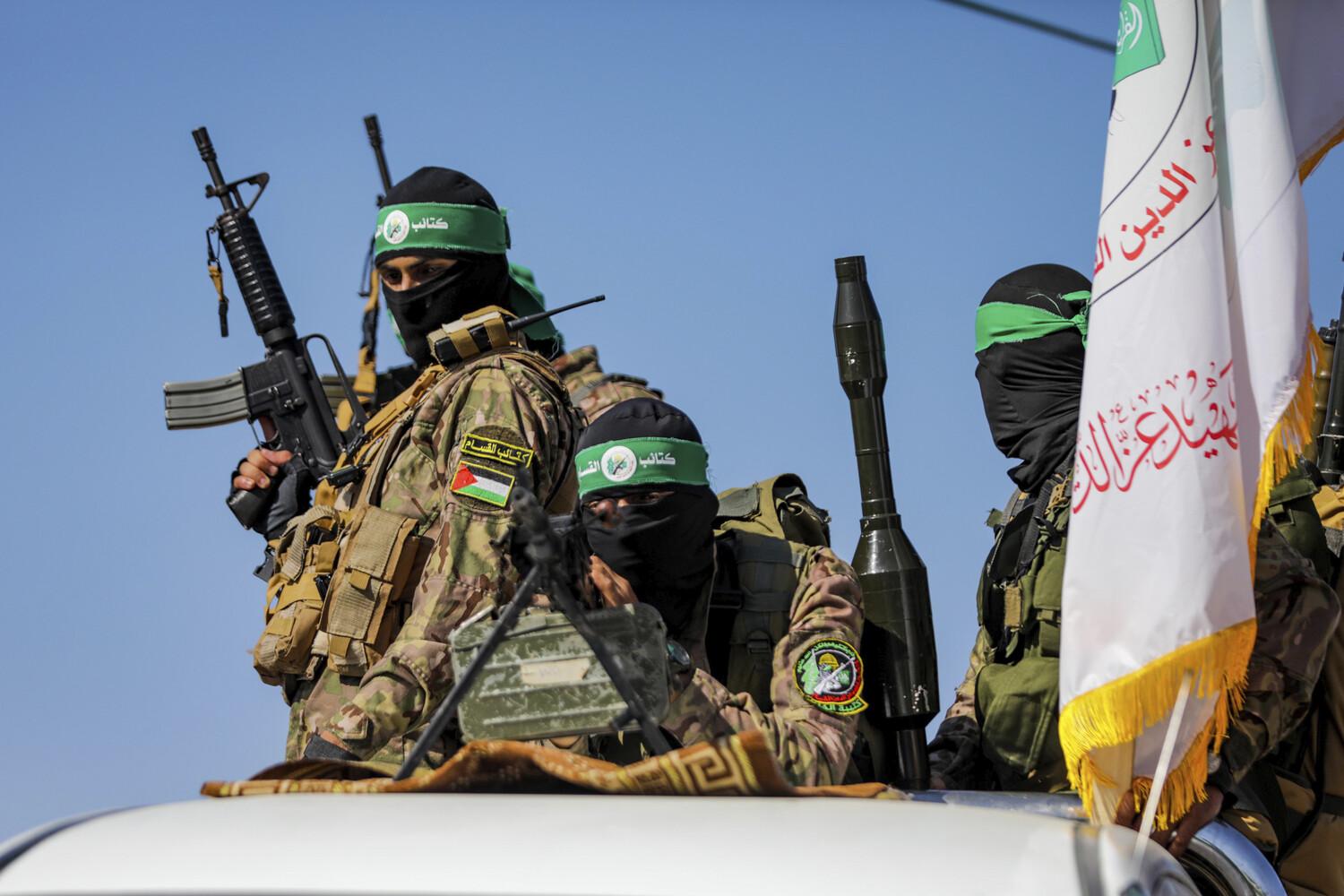
In his view, there is effectively no answer to the question of who should verify the disarmament and how.
“Under the Board of Peace plan, Hamas and other armed groups were supposed to hand over their weapons to vetted international police forces. However, this wording leaves the most difficult practical questions unresolved from the outset: Who will form these forces? Will they have a mandate to forcibly search weapons caches? Will Hamas agree to genuine access rather than merely surrendering the visible portion of its arsenal?
Historical experience with the disarmament of non-state armed groups, from the IRA to FARC, shows that verification always depends on the movement’s willingness to cooperate. External oversight without the organization’s internal political will can establish little more than a partial, symbolic surrender of weapons.
A realistic scenario for the further development of the situation is a protracted process of going through the motions: symbolic gestures by Hamas in the form of surrendering some light weapons under the supervision of mediators, accompanied by Israel’s continued refusal to recognize this as ‘genuine disarmament,’ while maintaining the status quo of control over roughly 70% of the Gaza Strip until the October 27 election.
After the election, the process could either gain momentum if Netanyahu’s position is strengthened by a victory for the far-right bloc, or receive a new impetus under a successor with different electoral calculations,” Semyvolos said.
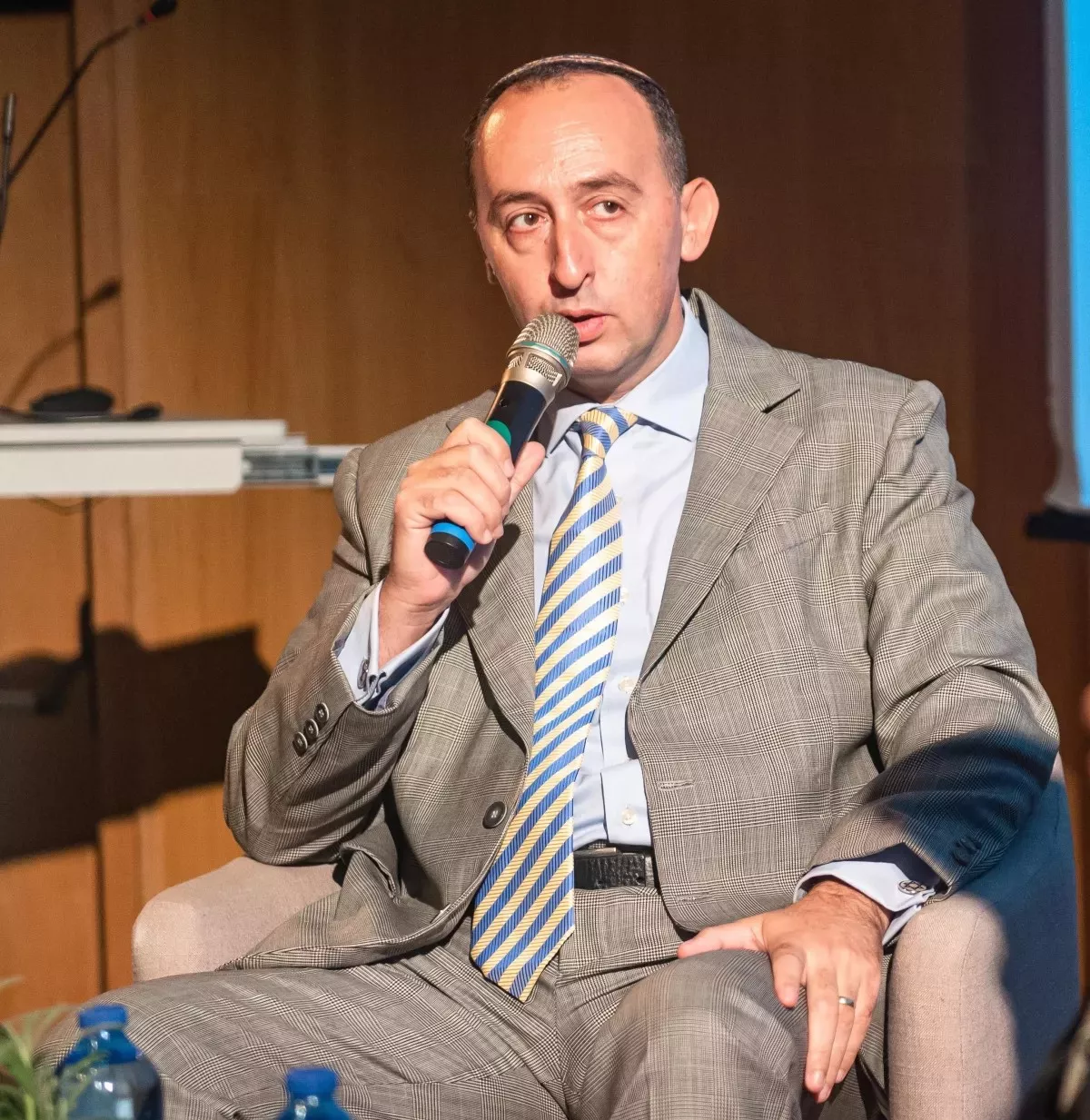
In turn, Israeli journalist and historian Shimon Briman noted that Netanyahu’s position reflects a new strategy adopted by the State of Israel, under which Israel will rely solely on itself to ensure its security rather than on institutions, even those with such appealing names as the Board of Peace or the UN. This is the case even if the Trump administration needs televised “peacekeeping successes” in the Gaza Strip ahead of the November elections, and even if senior international officials urge Israel to make concessions.
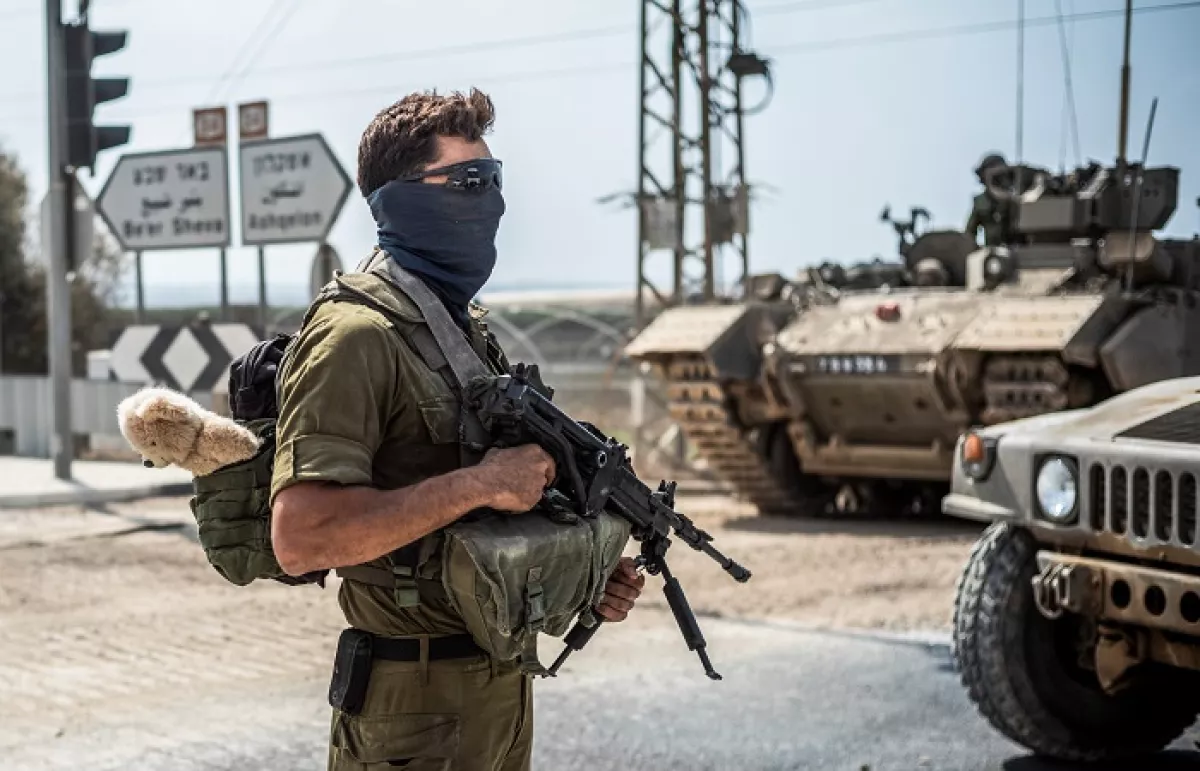
“For Netanyahu’s right-wing government, this is not simply a matter of the generals’ recommendations, but also one of ideology. At present, the IDF controls nearly 70% of the Strip, while the pro-Hamas enclave is squeezed into a narrow strip along the coast. Therefore, there is no reason for Israel to buy into stories about the ‘partial disarmament of Hamas’ or the transfer of power to a supposedly neutral ‘technocratic government’ in Gaza.
The Israeli army will not withdraw from a territory that has become the epicenter of the most brutal massacre of Jewish civilians since World War II — this is a matter of just retribution for Hamas’s October 7, 2023 attack.
The Knesset election scheduled for October 27 is also a factor: the right-wing government will never make concessions or withdraw IDF units from Gaza during this period. If power changes hands, a left-wing government could prove more accommodating toward the White House’s ‘peacekeeping’ efforts,” Briman concluded.







 editor@caliber.az
 +994 55 444-88-98
 Азербайджан, Баку, ул. Низами, 203, Af Business House, 5-й этаж