










Armenia’s EAEU price tag: What is Pashinyan signaling to Moscow? INTERNATIONAL EXPERTS ON CALIBER.AZ
Despite Yerevan’s ambiguous stance toward Russia-led integration blocs, Armenian Prime Minister Nikol Pashinyan attended a meeting of the Eurasian Intergovernmental Council in Cholpon-Ata, Kyrgyzstan.
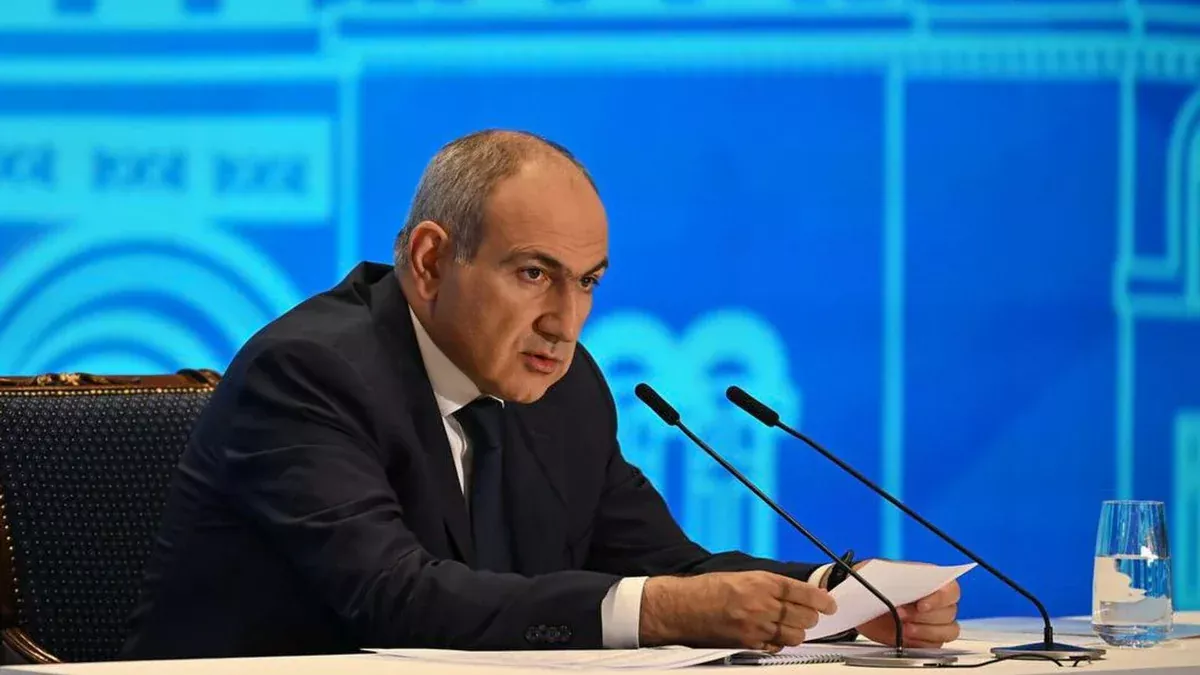
Addressing the meeting, Pashinyan acknowledged that Armenia cannot simultaneously be a member of the Eurasian Economic Union (EAEU) and the European Union. However, he said the issue of choosing between the two blocs was not yet facing the Armenian people because the country was not currently ready to join the EU.
Pashinyan nevertheless argued that the EAEU’s principles were not being fully implemented in practice. He stressed that Armenia consistently provides favorable, equal and non-discriminatory conditions for businesses from all EAEU member states.
The Armenian prime minister then highlighted what he described as a financial imbalance in Armenia’s participation in the bloc.
According to Pashinyan, Armenia transferred about $319 million in import customs duties to the EAEU’s common budget in 2025, while approximately $175 million was allocated from the common budget to Armenia.
The difference was therefore about $144 million, meaning Armenia contributed roughly that much more to the EAEU’s common budget than it received from it.
Pashinyan also cited trade figures. Last year, Armenia imported about $5 billion worth of goods from EAEU member states, while Armenian exports to the bloc amounted to approximately $3.2 billion.
That left Armenia with an import surplus of about $1.8 billion in trade with the EAEU, underscoring, according to the figures cited by Pashinyan, Armenia’s significant role as a consumer of goods and services produced within the economic bloc.
Taken together, the figures presented by the Armenian prime minister appeared intended to demonstrate that Armenia’s membership provides substantial economic benefits to the EAEU, rather than the other way around.
Pashinyan’s remarks raise questions about Yerevan’s broader strategy toward the Russia-led economic bloc. Do his criticisms signal that Armenia intends to leave the EAEU if a suitable opportunity arises, or is Yerevan pursuing a different objective by seeking to renegotiate or rebalance the terms of its participation?
Caliber.Az asked foreign experts to assess the implications of Pashinyan’s remarks and what they may reveal about Armenia’s future within the EAEU.
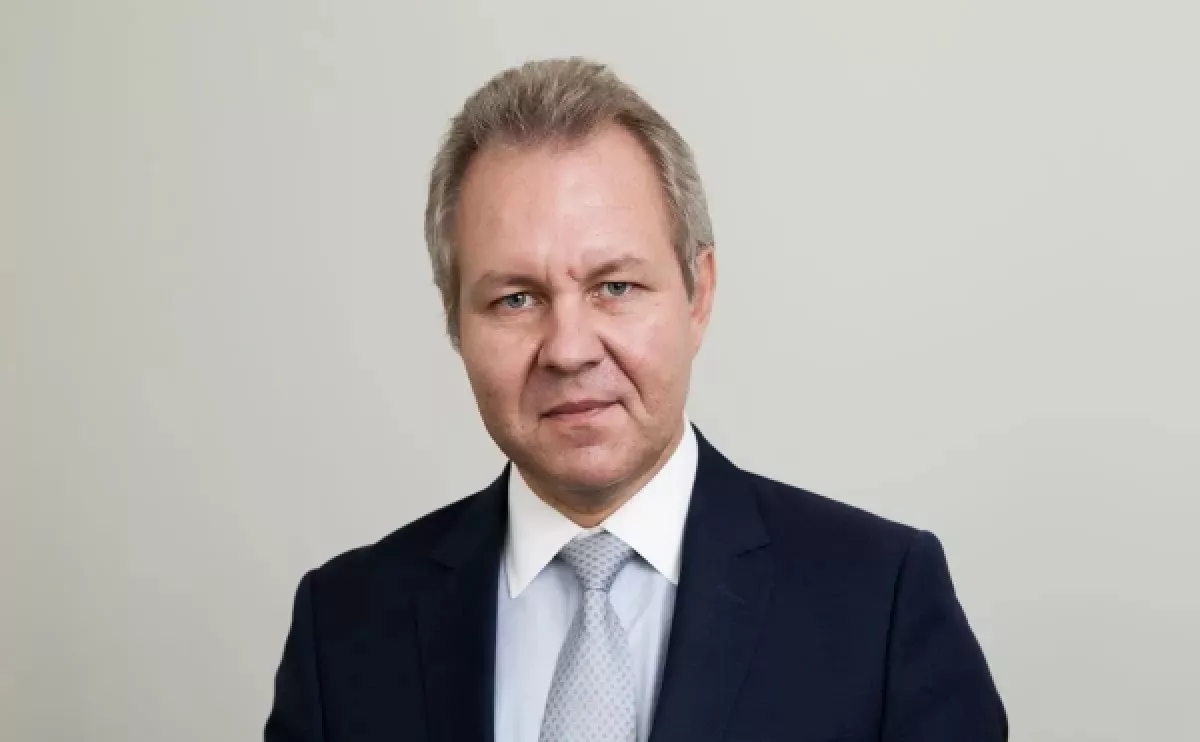
Russian political scientist, sociologist and Doctor of Economics Vladislav Inozemtsev, an associate researcher with the Russia and Eurasia Programme at Chatham House (the Royal Institute of International Affairs), said he found it difficult to assess Yerevan’s objectives regarding the Eurasian Economic Union (EAEU).
He said, however, that Moscow’s position did not surprise him, arguing that he had never regarded the EAEU as an economic union of equal partners.
“In my view, this union was created exclusively as an instrument for projecting Russia’s interests into the post-Soviet space, as a softer version of the Union State with Belarus, in which Moscow exchanged money for compliance with its geopolitical interests or the illusion of such compliance. For this reason, Pashinyan’s remarks, essentially amounting to ‘we buy your products, while you treat us badly,’ look, to put it mildly, ridiculous, because all attempts to call on Moscow to play by the rules, even those established by Moscow itself, are, in my view, tantamount to talking to a wall. And it is rather strange that Yerevan has still failed to realise this,” Inozemtsev said.
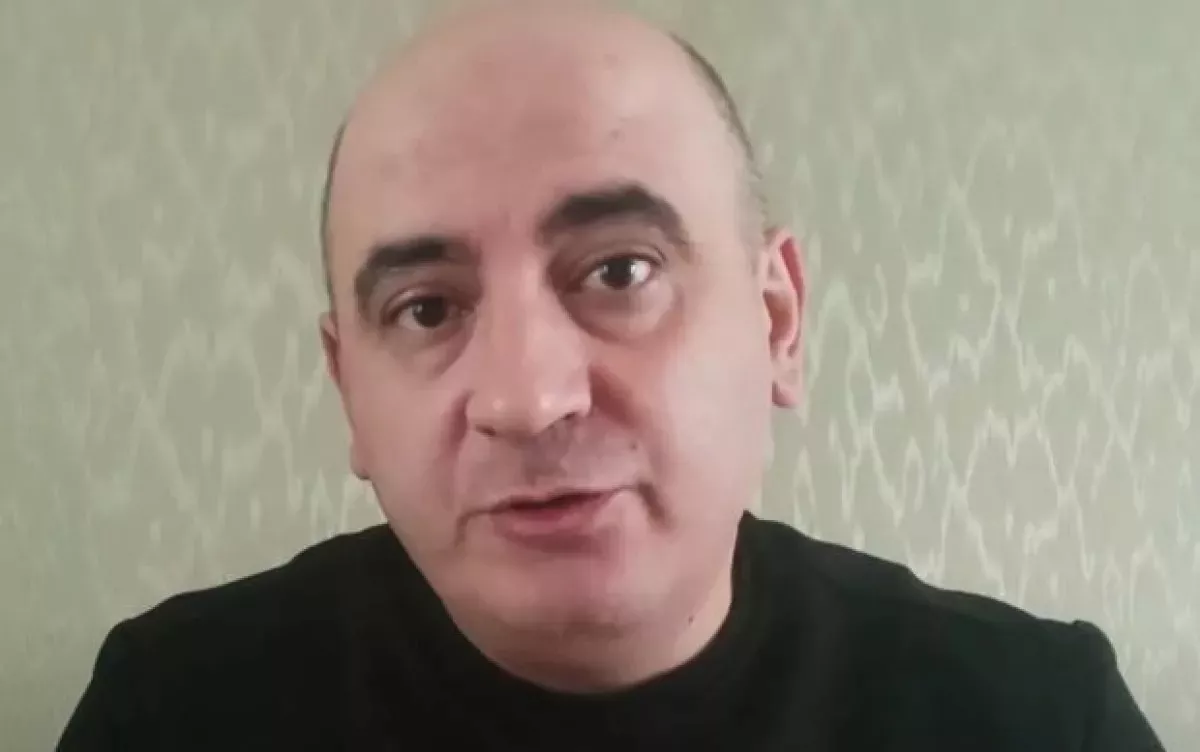
Armenian analyst and columnist Ishkhan Verdyan, for his part, said Pashinyan’s remarks should be taken at face value: Armenia’s vision and position are exactly as the prime minister presented them, with apparently no hidden agenda behind his statements.
“Of particular interest in this context is the fact that the so-called economic sanctions imposed on Armenia do indeed violate the charter and rules of the Eurasian Economic Union and, under the logic of the bloc, constitute a serious violation. From a legal standpoint, this gives Yerevan legitimate grounds to leave the EAEU when it deems it appropriate. In other words, Russia itself has created the legal basis for such a course of action.
“Pashinyan’s position is also noteworthy because he speaks about the need for an alternative for Armenia. I am confident that the prime minister means alternatives in terms of gas, grain, sugar, butter and other essential goods. At least, his self-confidence at meetings of the EAEU’s highest bodies creates precisely that impression. Such an approach can only be linked to regional agreements between Yerevan, Baku and Ankara, because without such cooperation, Armenia would face collapse if it left the Eurasian Union: the figures cited show that the country is bound to the organisation by vital ties, and severing them would mean its demise.
“At the same time, Pashinyan is absolutely right in saying that Armenia can be useful to the EAEU: given its geographical position and prospects, the bloc would indeed benefit from constructive engagement with Armenia. This is particularly true given that some member states, Kazakhstan for example, have also expressed an interest in close cooperation with the republic,” Verdyan concluded.







 editor@caliber.az
 +994 55 444-88-98
 Азербайджан, Баку, ул. Низами, 203, Af Business House, 5-й этаж