










Azerbaijan’s agricultural breakthrough: betting on technology and processing Review by Khazar Akhundov
During a recent meeting chaired by President Ilham Aliyev and dedicated to agricultural issues, the groundwork was laid for a major reform of Azerbaijan’s agro-industrial complex (AIC), aimed at placing the sector firmly on a path of intensive development. The large-scale introduction of water-efficient irrigation systems, alongside the expansion of processing and logistics infrastructure, is expected to boost productivity and increase exports of locally produced agricultural goods.
These and other priorities are outlined in the State Programme for the Development of Agricultural Production and Processing, Fisheries and Aquaculture in Azerbaijan for 2026–2030. To achieve the objectives set forth in this strategic document, a series of meetings and consultations has already begun in several regions of the country, focusing on the implementation of specific components of the State Programme.
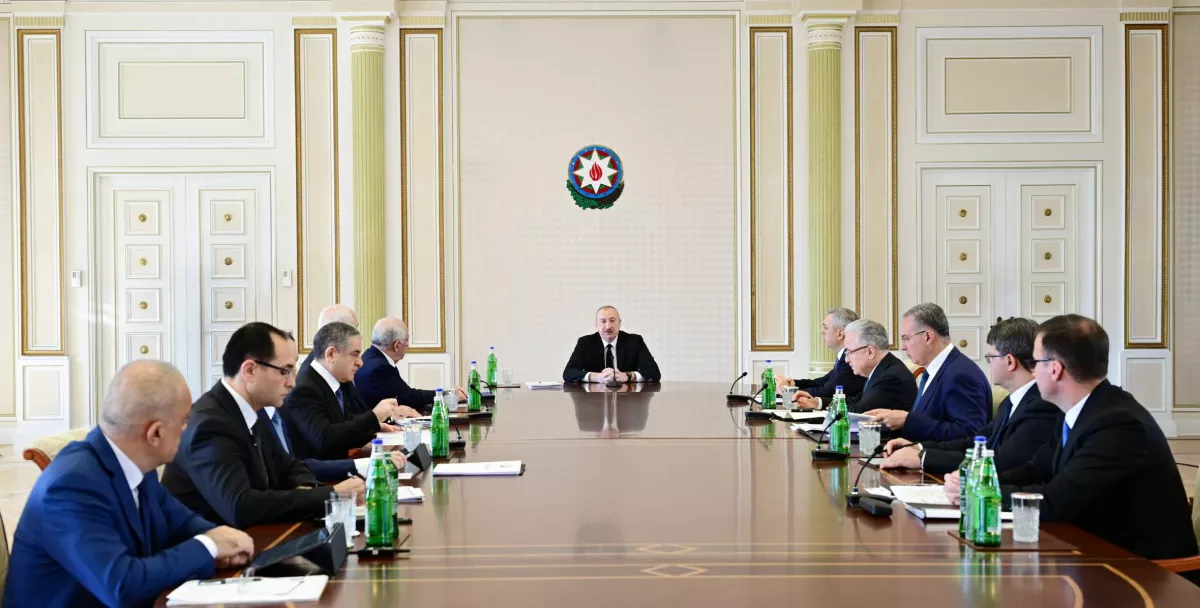
In his remarks at the meeting held on May 25, the head of state noted that current global trends are having an adverse impact on agricultural production. Wars and conflicts, disruptions to transport and supply chains, turmoil in the energy sector, and fuel-related challenges have placed many traditional agricultural producers under considerable strain.
The global agricultural sector has also suffered immense damage over the past decade as a result of climate change. In Azerbaijan, in particular, desertification has led to shortages of irrigation water, soil erosion and salinisation, and, consequently, a reduction in the area of fertile arable land and pastures. These climatic challenges have been a significant factor behind the noticeable slowdown in the development of the country’s agricultural sector.
According to the State Statistics Committee, agricultural output in Azerbaijan grew by 1.5% in 2024, but the growth rate slowed to 0.9% in 2025. In the first quarter of 2026, growth in agriculture, forestry and fisheries stood at 1.2% — a figure that can hardly be considered robust.
“[...] I am dissatisfied with the recent dynamics of agricultural production. A short while ago, instructions were given to the Presidential Administration and the Government to prepare and adopt a new State Program for the development of agriculture, which must be comprehensive and all-encompassing. It should include both public investment and private-sector investment. The program must be highly specific and short-term,” President Ilham Aliyev said during the meeting.
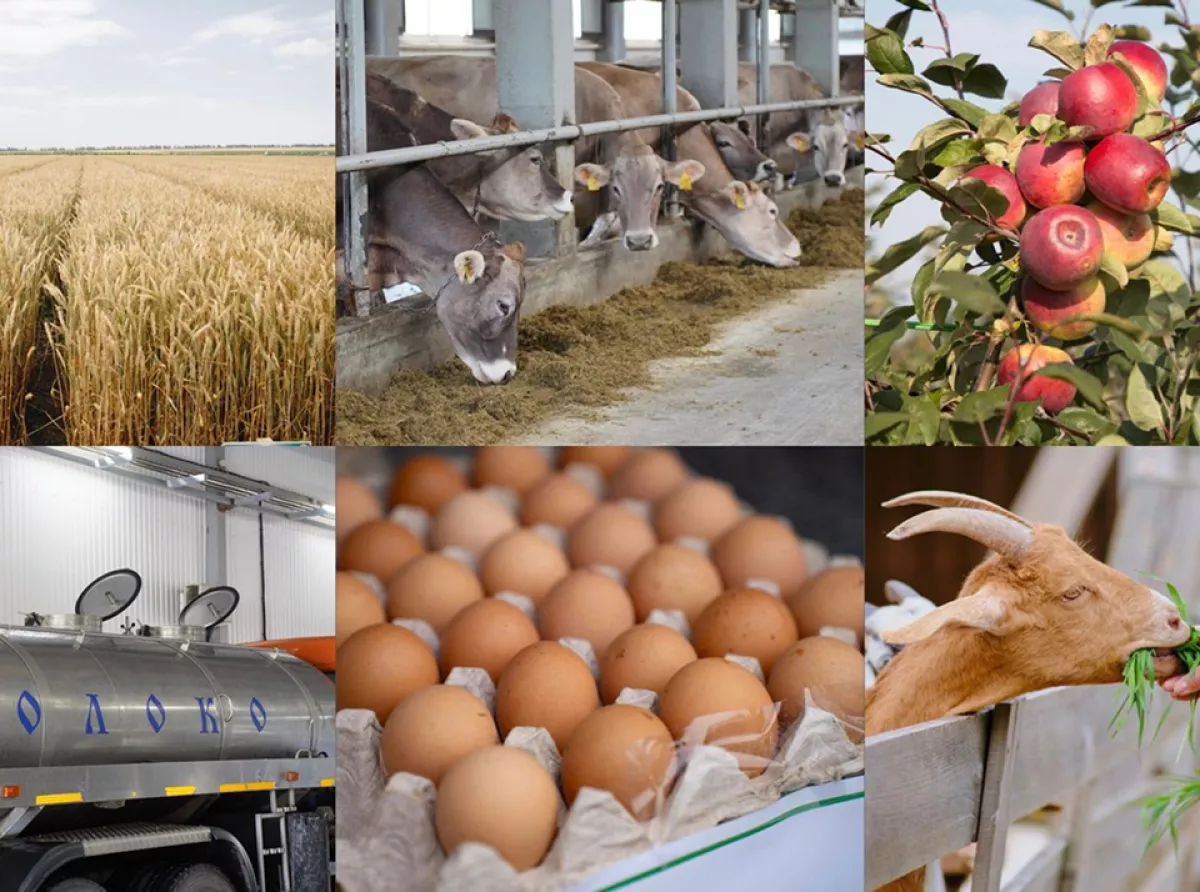
The President of Azerbaijan outlined the key priorities of the State Programme for 2026–2030, designed to overcome the stagnation that has characterised the agricultural sector in recent years. The focus is on boosting productivity in crop farming through the adoption of advanced irrigation systems and other modern agricultural technologies, as well as the use of digital management tools to map and classify land according to soil quality and maximise yields through the cultivation of the most suitable crops.
The programme also envisages expanding the processing of agricultural raw materials into high-value-added finished products, increasing both the range and volume of food production through the introduction of modern technologies, and localising production within agro-parks. These measures are expected to raise the share of processed goods in Azerbaijan’s exports. Other priorities include the establishment of new fertiliser production facilities and the development of related agricultural industries.
To streamline the implementation of the State Programme, a series of meetings has been launched across the country on the instructions of the head of state. These consultations will bring together presidential aides, representatives of the Ministry of Agriculture, officials from other government agencies and local authorities, as well as farmers and entrepreneurs, to discuss planned projects and the broader strategy underpinning the new wave of agricultural reforms.
The consultations are focused on the core priorities set out in the State Programme, including new support mechanisms for the agro-industrial sector, the efficient use of water and land resources, the development of agricultural processing and logistics infrastructure, and expanding farmers’ access to modern agrotechnical services. Through these regional discussions, the authorities aim to coordinate the efforts of government institutions and the private sector, thereby ensuring the flexible and effective implementation of the measures envisaged under the programme.
The first round of meetings is scheduled to take place in the Central Aran, Mountainous Shirvan, Ganja-Dashkasan, Karabakh and East Zangezur economic regions. Similar consultations will subsequently be organised in other parts of the country.
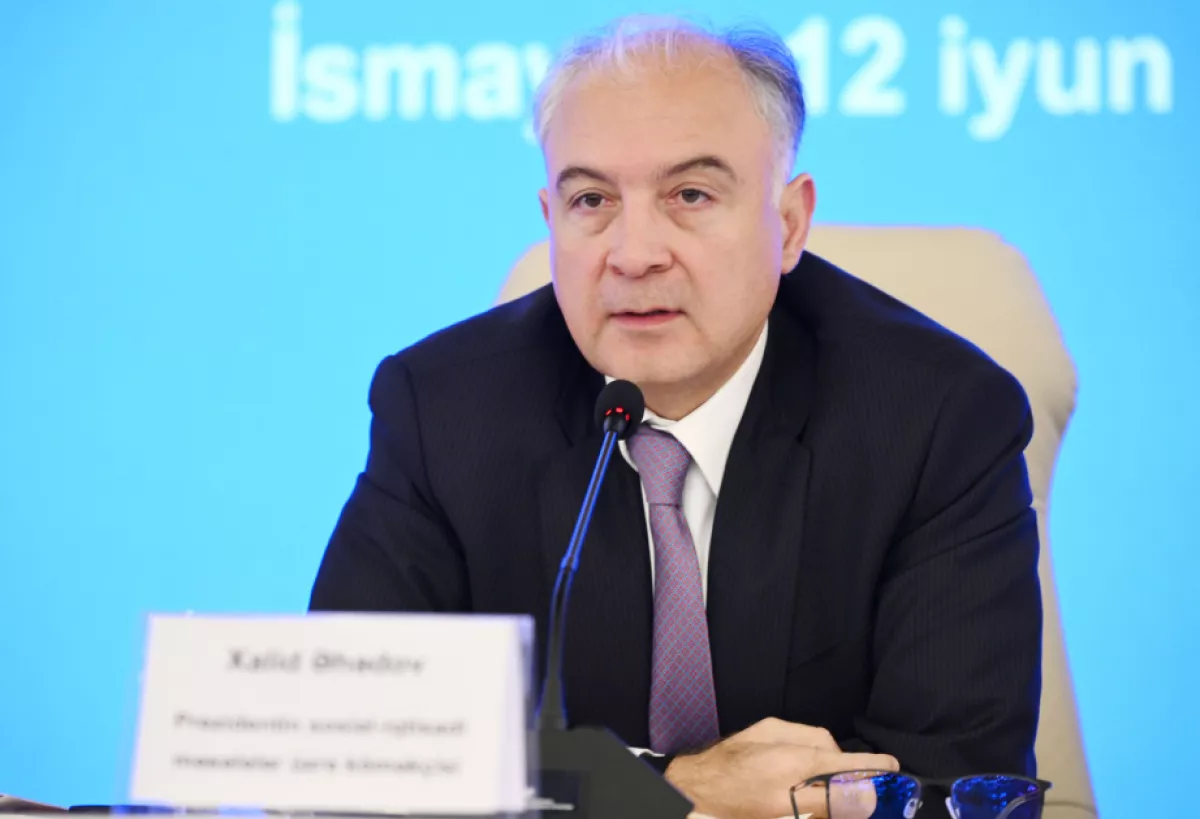
As Khalid Ahadov, Assistant to the President of Azerbaijan for Economic Affairs, stated during a regional meeting in Ismayilli dedicated to the Mountainous Shirvan economic region, “Between 2015 and 2025, under the direct leadership of President Ilham Aliyev, Azerbaijan adopted state programmes for the development of viticulture, tea growing, rice cultivation, tobacco farming, sericulture, cotton production and other agricultural sectors.”
He also noted that over the past decade, numerous large-scale projects had been implemented to improve irrigation infrastructure and introduce water-efficient irrigation systems. Major reservoirs have been constructed, irrigation canals have been rehabilitated and modernised, and this process continues today.
“Extensive work has been carried out to equip the agricultural sector with machinery, and the technical fleet has been almost completely renewed. The reforms implemented in our country have made it necessary to bring additional land areas into cultivation. According to the instructions of the President, 169,100 hectares of additional land have been returned into circulation. These lands had previously been privatised by individuals or leased on a long-term basis but were subsequently withdrawn from use and left completely idle.
By presidential instruction, 52 agro-parks have been established across 32 districts. The creation of agro-parks, while further stimulating entrepreneurship, has become particularly significant for producing competitive agricultural goods, including reducing import dependence in certain categories of agro-products and increasing employment,” said Khalid Ahadov.
At a regional meeting held in Zangilan, Emin Huseynov, Special Representative of the President of Azerbaijan in the Aghdam, Fuzuli and Khojavend districts, emphasised that comprehensive measures are being implemented in these territories to develop agriculture, expand investment and establish a modern agricultural production model.
“There are more than 95,000 hectares of arable land in total in the Aghdam, Fuzuli and Khojavend districts. Of this, over 45,000 hectares are planned to be allocated to local residents, while around 50,000 hectares will be assigned to entrepreneurs under investment projects. At present, approximately 24,000 hectares of the investment land fund remain unused, which creates broad opportunities for new agricultural projects,” Huseynov noted.
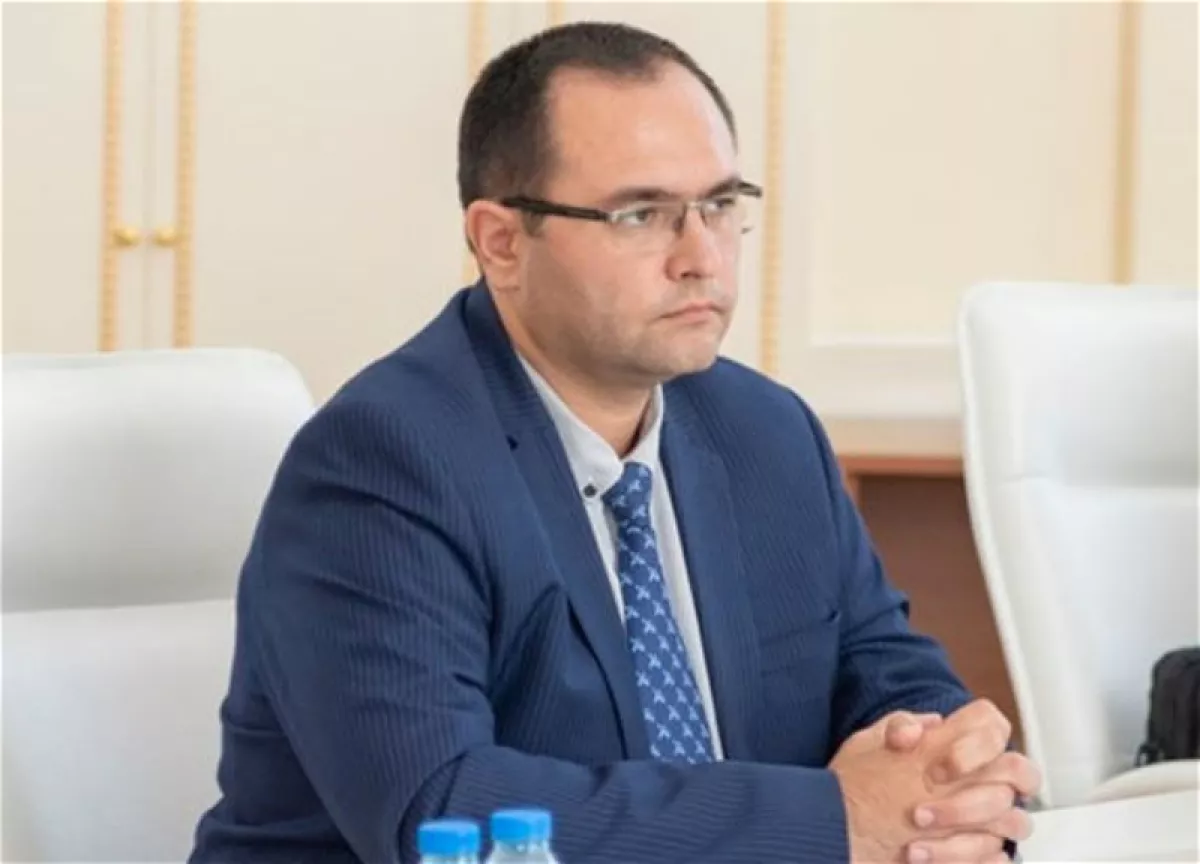
The trends outlined above are expected to remain relevant within the framework of the new agricultural reforms. At the same time, the implementation of the five-year State Programme envisages additional measures aimed at overcoming the inertia in the country’s agricultural development. These directions were presented last Thursday by Minister of Agriculture Majnun Mammadov during public hearings of the Milli Majlis Committee on Agrarian Policy.
According to the minister, around 50% of grain crops in Azerbaijan are currently grown in rain-fed (non-irrigated) areas, where significant yield increases are difficult to achieve under conditions of climate change. Therefore, a key priority will be improving water supply, the large-scale adoption of water-efficient irrigation technologies in farming, and the introduction of new drought-resistant grain varieties.
In particular, in 2025, farms participating in the food wheat programme and using modern irrigation systems achieved an average yield of 5.8 tonnes per hectare, significantly above the national average. While the programme covered 22,000 hectares of sown area last year, this figure increased to 29,000 hectares this year.
The Minister of Agriculture also noted that wheat, barley and maize are currently stored in various regions of the country in bulk form, sometimes even without bagging. As a result, during storage from one season to the next, losses due to humidity and other factors amount to 10–20%, and in some cases up to 30%.
In this context, measures are planned to expand the number of modern grain silos in elevators and to develop new refrigerated storage facilities in order to improve storage conditions and minimise post-harvest losses.
In addition, a comprehensive set of measures is expected to be implemented to encourage certification and ensure the alignment of local products with international standards. At a later stage, mechanisms for additional incentives aimed at boosting agricultural exports may also be introduced.
Under a new preferential financing scheme, the state will cover up to 19% of the annual interest rate on crop production loans. Concessional credit will be made available to farmers engaged in the cultivation of rice, maize, millet, sorghum and other grain and leguminous crops, as well as sunflower, potatoes, vegetables, melons and industrial crops.
Interest on one-year loans used for the purchase of fertilisers, seeds, pesticides and agronomic services will be subsidised by the Agrarian Credit and Development Agency (AKIA).
During the parliamentary hearings, Director of the Centre for Agricultural Research Rashad Huseynov emphasised that the new subsidy mechanisms will also cover poultry farming and livestock production. The measures envisaged under the State Programme are expected to increase egg production by 27% and poultry production by 30%, while raising the level of domestic self-sufficiency in poultry meat to 100%.
At the same time, subsidies, fiscal incentives and customs preferences are expected to increase the share of pedigree livestock in total milk production from the current 2.5% to 10%. Self-sufficiency in milk is projected to rise from 81% to 94%, while beef self-sufficiency is expected to reach 100%, up from 83.7%.
For the upcoming period, important regulatory initiatives are also planned in the fields of agriculture, fisheries and aquaculture. Minister Majnun Mammadov stated that new laws on “Agriculture” and “Fisheries” will be drafted, while the existing Law on “Seed Production” will be updated in line with international standards.
These reforms are expected to simplify support mechanisms for farmers and processors, optimise state subsidy and preferential financing systems, and expand digitalisation alongside the provision of e-services to rural producers.







 editor@caliber.az
 +994 55 444-88-98
 Азербайджан, Баку, ул. Низами, 203, Af Business House, 5-й этаж