










Europe’s military bluff: loud statements and empty arsenals Analysis by Serhey Bohdan
European countries are struggling to replace the United States even in the simplest military tasks. And so far, the results have impressed no one. Sometimes this becomes apparent in the most unexpected cases. For example, the Armenian leadership keeps repeating its rhetoric about integration with the EU, yet even in the context of the recent elections in Armenia, Pashinyan assured the public of his desire to reach an agreement with Moscow. While moving toward the EU, Yerevan clings to Russian military bases and is purchasing Iranian weapons. After all, even with all its Euro-liberal dogma and friendship with Macron, it is clear to it that Europe has serious problems in military terms. And these problems are rapidly worsening due to its current fundamental rupture with the United States.
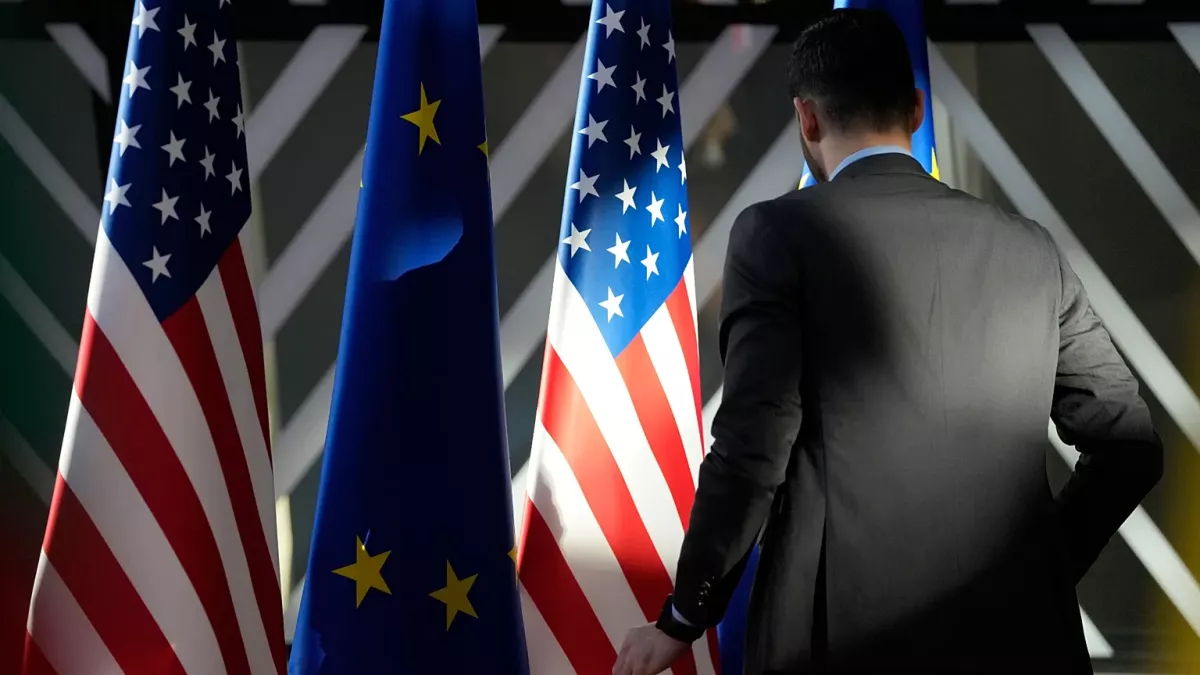
At the London summit, European leaders proceeded without the EU
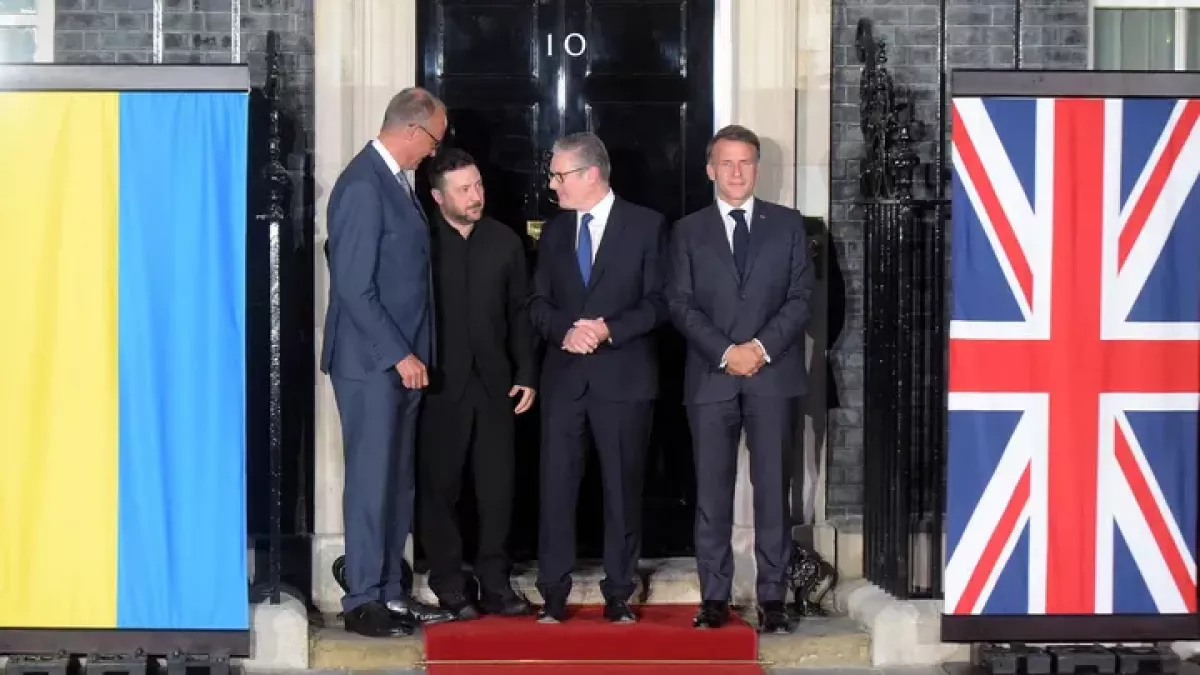
Last Sunday, the leaders of the United Kingdom, Germany, and France met first as a trio, and then together with the President of Ukraine, in order to agree on joint production of long-range weapons and air defence systems for Kyiv.
Officially, the talks are framed as the “integration of Ukraine’s defence-industrial complex into the European one,” but in reality they are more likely a demonstration of Europe’s willingness to replace the United States, whose leadership has reduced supplies while questioning the rationale of continuing a protracted and bloody conflict in Eastern Europe. For months now, there has been neither meaningful progress nor even clear ideas on any side — only increasingly cynical strikes on infrastructure and civilian targets.
A couple of weeks ago, Zelenskyy sent a letter to the President and Congress of the United States, in which, lamenting a shortage of ammunition, he called for an increase in supplies of air defence systems and missiles for them. He stated that he had received no response.
So, could the full-scale integration of the military-industrial capacities of three major European countries into the supply system of the Ukrainian army become a decisive factor — a game changer? It is probably not accidental that, at the same time, the British Prime Minister’s office issued a high-profile joint statement by the “Eurotroika” and Kyiv, outlining five conditions for a “just and lasting peace.” Moscow interpreted them as yet another ultimatum.
Are the Europeans confident in their ability to defeat Russia?
Yet even a first glance at the London meeting raises doubts in this regard. Let us begin with the political aspects.
First of all, the London events look like an open act of defiance within the EU. Brussels, which in recent years has been attempting to take control of military and arms-related issues, suddenly found itself not represented at this thematic meeting.
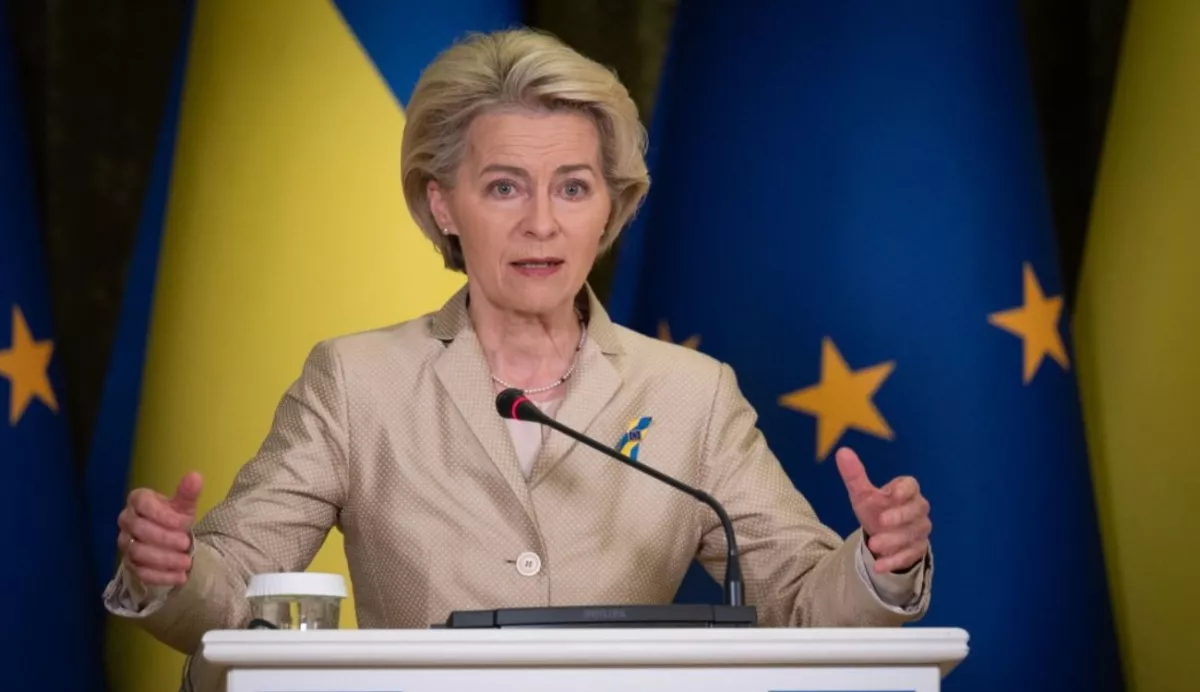
At the end of May, it was precisely the President of the European Commission who called for the urgent integration of Ukraine into Europe’s military-industrial system, outlining plans to continue placing the EU’s civilian infrastructure on a war footing by linking air defence systems with EU civilian satellite networks.
Her subordinate, former Lithuanian Prime Minister and now EU Commissioner for Defence and Space Andrius Kubilius, in an interview with the Financial Times, laid out plans to reorient Europe’s defence industry from producing expensive weapons systems toward manufacturing cheaper systems intended for warfare against Russia on Ukrainian territory.
On May 26, the head of the European Commission, Ursula von der Leyen, even travelled to Vilnius to discuss military issues with the leaders of the three Baltic states, particularly in connection with Ukrainian drones that have periodically been detected over their territories. In Vilnius, she was expected.
Yet when the leaders of Europe’s major powers gathered in London, neither Ursula nor Andrius were invited. Worse still, the participants of the summit chose the NATO Secretary General as the coordinator of their efforts to support Ukraine. The point was made quite emphatically, so to speak. This will inevitably create tensions with Brussels.
Furthermore, the composition of the participants raises questions about whether there is sufficient political momentum behind this initiative. There is no doubt that key European countries are represented. But the domestic political standing of all these leaders is hardly enviable.
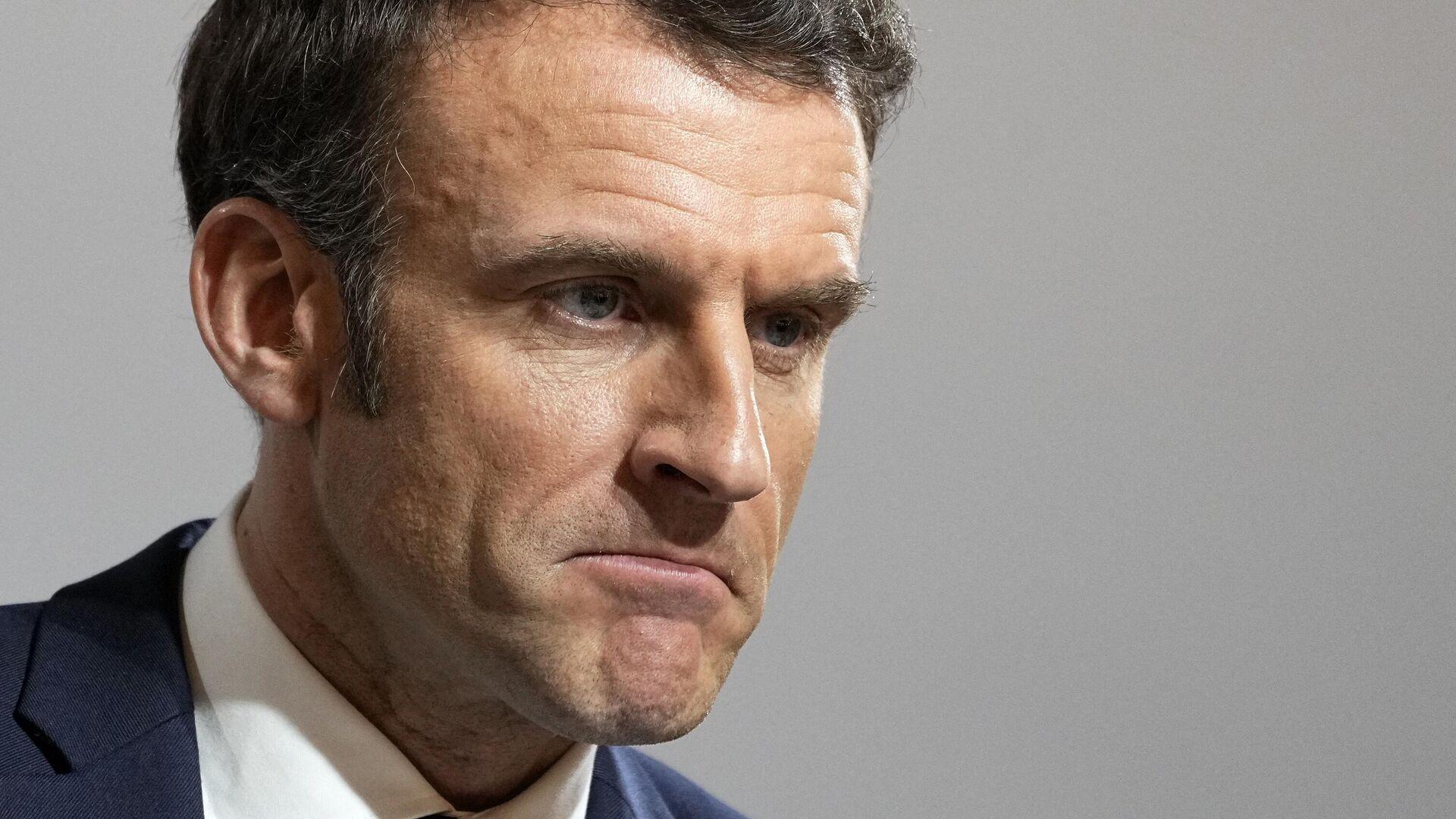
Macron is undertaking this step towards direct involvement in the war at the twilight of his presidency — with less than a year remaining in office. He cannot run again, and will be replaced by an opposition figure, after which he reportedly intends to move into a senior EU position in Brussels.
The British Prime Minister Starmer and German Chancellor Merz are barely holding on to their positions at all — setting records for low approval ratings. They may be forced to resign in the near future.
The EU is following in Russia’s footsteps
There are also technical nuances. What exactly are they planning to supply? On the battlefield in Ukraine, all major candidates for the role of a Western “wunderwaffe” have already been tested.
Nothing has worked — the systems praised by Western media and the film industry have proven rather modest in real warfare. The search for new “miracle weapons” will now become even more difficult, since Europeans will have to operate without the Americans, which significantly reduces their technological and industrial capacity.
Even when it comes to long-range weapons such as missiles and drones, the picture looks bleak for the participants of the London summit.
Yes, they may attempt to assemble more simplified versions of existing systems for the Ukrainian armed forces. But the reliance on cheaper variants in itself already resembles a caricature. One is reminded of how Palestinian groups or the Syrian opposition once boasted about their ability to produce rockets almost from improvised pipes — the so-called Qassam rockets and similar systems.
The result was primarily civilian casualties, which in turn led to harsh military operations by their opponents. There is no value in weapons if they only serve to provoke. Yet it appears that this is precisely the direction being discussed — the creation of weak, mass-produced copies of systems that have already proven ineffective, intended to instil fear among the civilian population.
This is a mirrored version of Russia’s tactic of purchasing crude “Shahed–Geran” drones capable of terrorising, but not capable of forcing Ukrainian capitulation. Such an approach will not work if the opposing side deploys similar systems in an attempt to compel the Kremlin to end its invasion of Ukraine.
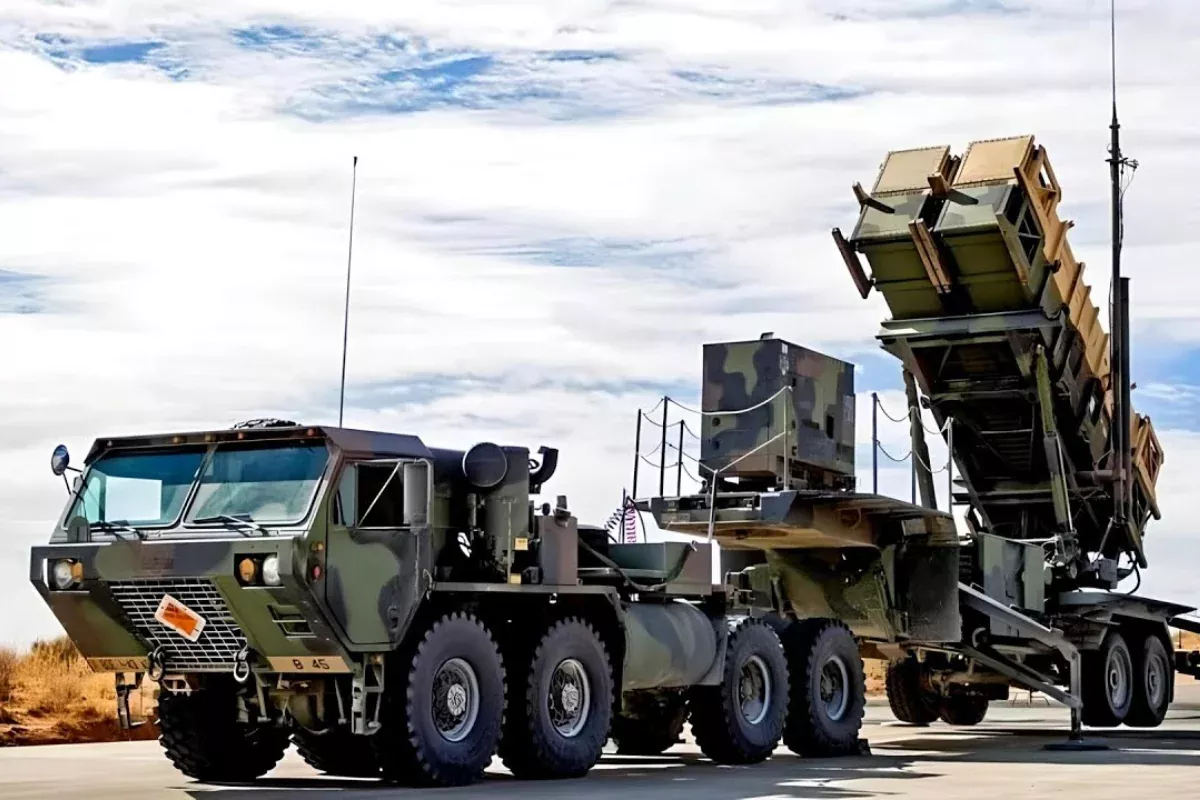
When considering the second priority category of weapons discussed in the decisions of the Eurotroika and Zelenskyy, the picture looks even worse.
Zelenskyy argues that the main problem of Ukraine’s air and missile defence concerns intercepting ballistic missiles. However, Europeans have no serial domestic alternatives. Kyiv therefore specifically requires American PAC-3 MSE missiles for the Patriot air defence system.
European states and Ukraine are hinting that the United States simply lacks sufficient production capacity, and therefore Washington should either allow licensed production in Europe or help manufacture a simplified version of these munitions for Ukraine. In any case, this requires the goodwill of the White House, which is not particularly well disposed towards any of the participants in the London summit.
As we can see, in military-technical terms, Europeans are unable to replace the United States as a source of weapons for Ukraine.
So what is the purpose of this show with elements of adventurism? The coalition that has gathered is attempting to play not a military, but a political game.
In the statement of the Eurotroika it is said: “Leaders commended President Zelenskyy’s call for an end to the war, negotiated by diplomatic means, as set out in his letter to the President of the Russian Federation of 4 June 2026. They supported the proposal for a direct dialogue between Ukraine and Russia - with active US and European participation - to bring about a ceasefire and support further negotiations. They confirmed they would continue to stand firmly with Ukraine.”
In other words, this is an attempt — noticing the deadlock in negotiations involving the United States — to take advantage of the confusion and insert themselves into the negotiating process, whose importance is growing amid the bloody military stalemate. And, just as the Eurotroika discussed missiles without mentioning the EU, it also proceeded without Kaja Kallas, Ursula von der Leyen, and other EU “heavyweights” when addressing the issue of negotiations. This is a very telling step, suggesting that Europe may soon be reconfigured outside the institutional framework of the EU.
A mountain of money produced nothing
However, the problems of the major European powers are not limited to finding a real alternative to American weapons for the war with Russia. They also face serious difficulties with their own arms production.
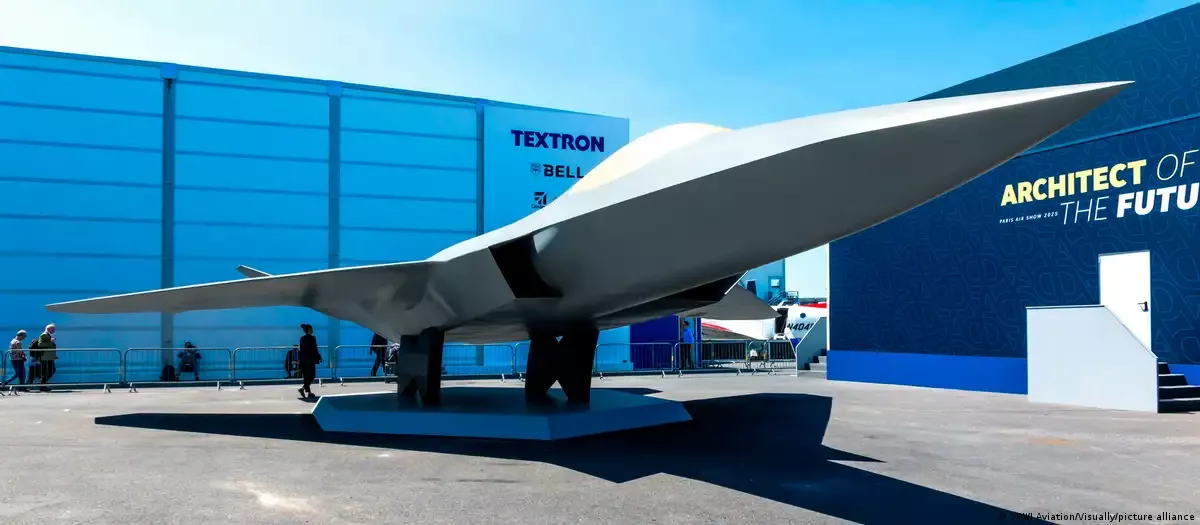
One example: back in 2017, President Macron and then-German Chancellor Merkel planned that the first prototype of the “European” combat aircraft developed under the Future Combat Air System (FCAS) programme would fly this year.
Under the same programme, drones and a so-called “combat cloud system” were also supposed to be developed, ensuring the integrated operation of fighter jets, UAVs, satellites, and sensors. The new aircraft was intended to replace Germany’s Eurofighter and France’s Rafale by 2040, freeing the EU from dependence on American F-35s.
However, it has long become clear that nothing of the sort will actually take off, and that a mountain of money has effectively been wasted.
On Monday, Berlin officially announced the termination of this joint project with France and Spain. Earlier, it had begun purchasing F-35s from the United States.
The European fighter jet project — the most ambitious arms programme in EU history — began to fall apart several years ago. It was launched with great fanfare in Berlin and Paris at the end of the last decade, and became part of the political legacy not only of Macron, but also of former German Defence Minister and current European Commission President Ursula von der Leyen, both of whom were involved in initiating the project. It was a high-profile launch, accompanied by Macron’s grand rhetoric about the “awakening of Europe” in the military sphere and hints that, under French leadership, Europe would no longer need the United States.
And here we see the collapse, illustrating the real political weight and foresight of the figures mentioned.
The reasons are straightforward: despite the Euro-liberal elite’s portrayal of the Franco-German tandem as the backbone of the EU, the French side refused to share technologies with Germany. In practice, the French government failed to convince the private company Dassault, which was the lead contractor of the project, to accept compromises with its German partners.
Its leadership demonstratively ignored government agreements and openly ridiculed the very idea of Belgium joining the project. This is worth remembering when assessing the effectiveness of Euro-liberal regimes and their ability to cooperate with one another even on strategically important issues.
Of course, Europe also has other fighter jet development programmes. After the breakdown of cooperation with the French, the British launched their own Global Combat Air Programme (GCAP) together with Italy. It has, however, already ceased to be “European” in a purely geographical sense, as Japan has joined it. But that is not the main point — the key issue is that it is also progressing only with difficulty.
Less high-profile joint European weapons projects face similar obstacles. For years, plans to develop new maritime patrol aircraft, next-generation tanks, and artillery systems between France and Germany have been stagnating. After France withdrew from the expensive Eurodrone programme — intended to support, among other things, the much-publicised “drone wall” concept promoted by Baltic states against Russia — the project has been left in limbo. Paris justified its withdrawal by citing repeated delays and rising costs.
Macron offers what he does not have
Given the real level of European military capabilities, the loud statements of its leaders only raise questions. For example, Macron has declared readiness to provide a “nuclear umbrella” for European countries. At the end of May, Norway became the ninth participant in France’s “advanced nuclear deterrence” programme, following the United Kingdom, Germany, Poland, the Netherlands, Belgium, Greece, Sweden, and Denmark.
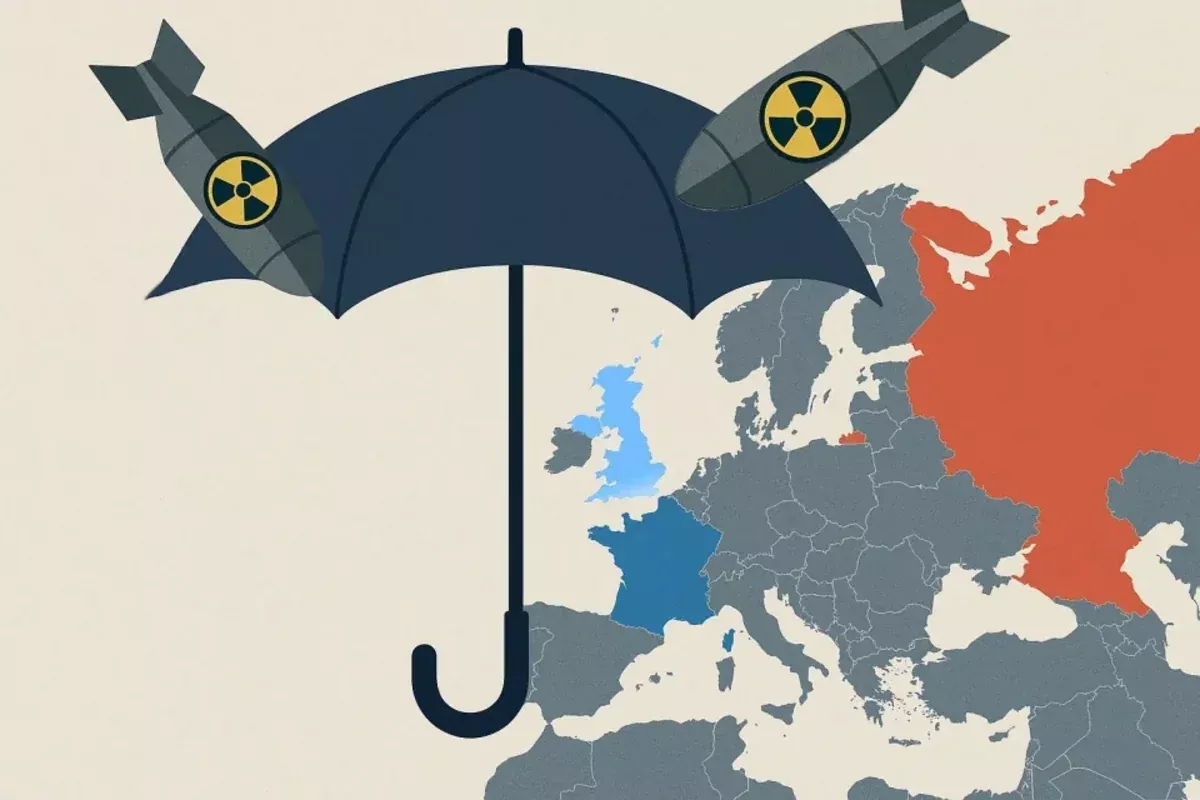
Its intention is clear. Macron is trying to exploit the uncertainty surrounding American security commitments, arising from divergences between Washington and Euro-liberal regimes, in order to attract external funding to support the extremely costly maintenance of France’s nuclear arsenal.
But where is this “umbrella”? Paris does not even possess a true nuclear triad (air-based, land-based missile forces, and submarines). It has only four submarines, each carrying 16 missiles, while the remainder of its roughly 200 warheads are simply stored.
Nor do the British have a triad. At present, their nuclear forces are in a rather unclear operational state, since none of their submarines are reportedly capable of deployment at sea, with all of them undergoing maintenance or repairs. And another inconvenient fact: both the missiles and the submarine-launched nuclear technology used by the UK are of American origin. Since 1998, all of Britain’s strategic nuclear weapons have relied on U.S.-supplied Trident missiles.
All talk about Europe’s ability (in any configuration — whether the EU alone or together with Britain) to manage without the United States in military terms ultimately turns out to be empty rhetoric. It is therefore not surprising that Trump views European leaders with such scepticism, seeing that instead of acknowledging the obvious, they continue to engage in bluff.
Euro-liberal games with fire
Their bluff is becoming less and less convincing. The European Union is promising to seize tankers carrying Russian oil in the Mediterranean Sea. This was announced in a stern statement by Kaja Kallas.
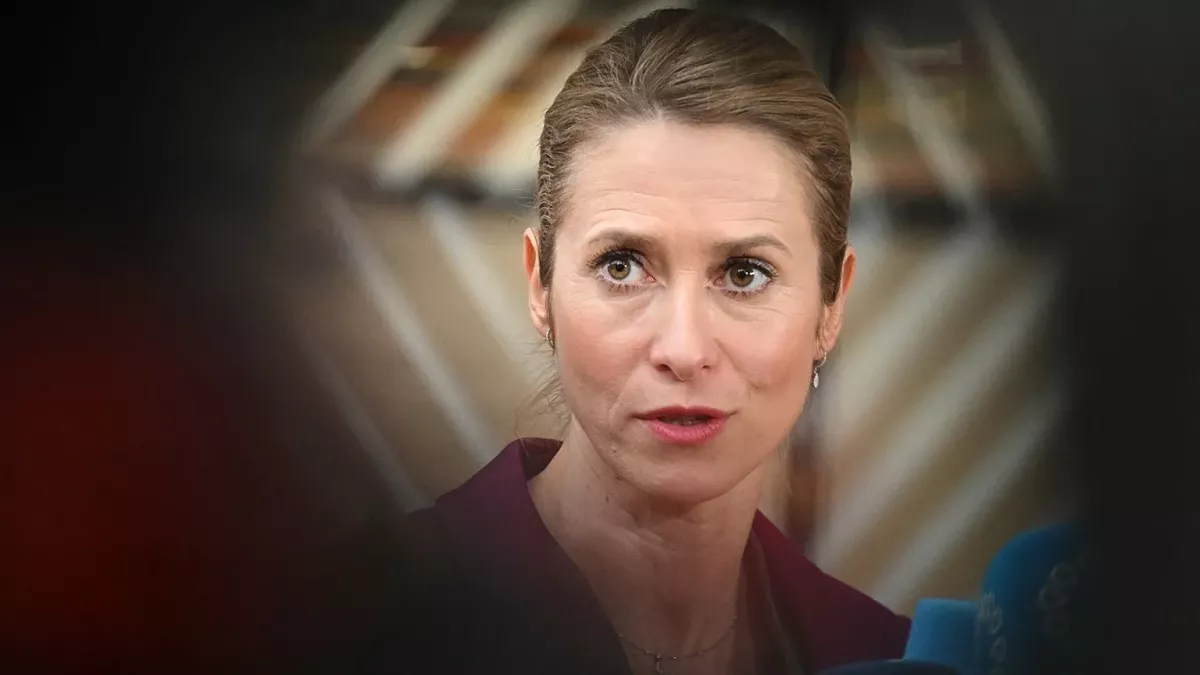
Indeed, such operations could in principle be carried out far from Russian shores — especially given that the oil market and the principles of maritime security in international shipping lanes have long since been undermined. But in reality, these are not demonstrations of strength, but rather a cheap substitute.
The same applies to another European move in the military sphere. Against the backdrop of the reduction of the American military presence in Eastern Europe, NATO countries in Europe agreed in late May to deploy an entire German–Dutch corps in the Baltic states. It was announced that the total number of troops involved would reach 40,000–60,000 personnel. This appears, at first glance, to more than compensate for the American withdrawal.
However, a closer look at the details shows that only limited supplies and a very small number of personnel and units will actually be stationed in the three Baltic republics. The rest will remain in the Netherlands and western Germany. The corps headquarters is located not in the Baltics, but in Münster, near the German–French border.
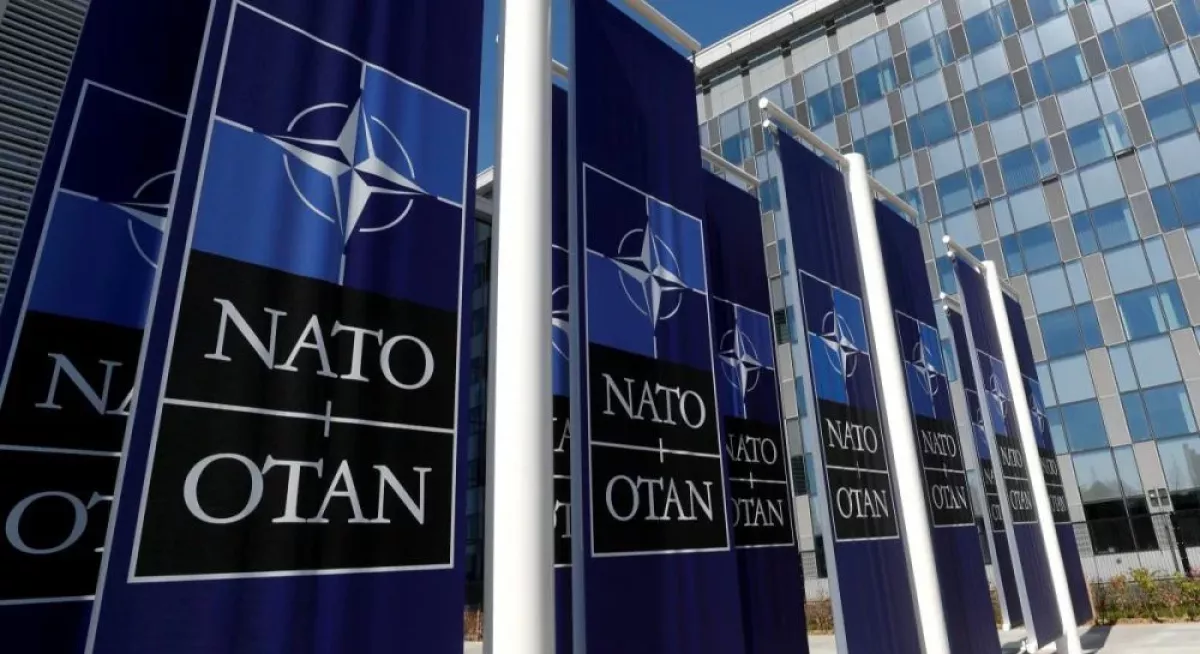
The “icing on the cake” is that NATO countries in Europe decided that it would be the corps headquarters in Münster that would coordinate all NATO forces in the Baltic republics. This already looks rather scandalous — since until now this was handled from the centre in Szczecin, Poland, while the command centre has now been shifted deep into the rear, several hundred kilometres to the west. Presumably, this is meant to be very convenient for operations against Russia located roughly 1,500 kilometres to the east?
Of course, there is an explanation: namely, that this arrangement is intended to preserve forces at the outset of a conflict, since the territory of the Baltic states is easily within Russian strike range. And once war begins, these tens of thousands of NATO troops would then be rapidly redeployed into the region.
At the same time, it remains something of a mystery why a wartime redeployment from continental Europe through a narrow Polish–Lithuanian corridor or across the Baltic Sea — which is also considered vulnerable — would be safer than forward deployment in peacetime.
The answer, however, is obvious. These are not military plans, but political bluff in a global bargaining process with Russia and the United States — an attempt to increase Europe’s weight in the absence of material foundations for such influence.
In virtually every case examined above, whenever Europeans attempted to act in the military sphere without the United States, they failed to achieve meaningful results.
Of course, the United States also operates primarily together with its allies, but it is nonetheless capable of acting independently when necessary. The EU, by contrast, is not. And instead of acknowledging this fact, Euro-liberal elites continue their dangerous bluff in opposition to Trump, effectively playing with fire.







 editor@caliber.az
 +994 55 444-88-98
 Азербайджан, Баку, ул. Низами, 203, Af Business House, 5-й этаж