










A new parable of Europe The Finnish president shakes the agenda
In his speech at an energy conference in Helsinki, Finnish President Alexander Stubb unexpectedly proposed expanding the European Union to 40 countries. In this scenario, Ukraine, Moldova, Georgia, the Western Balkan countries, the United Kingdom, Norway, Iceland, Türkiye, and even Canada would be included. Notably, the bloc currently consists of 27 member states.
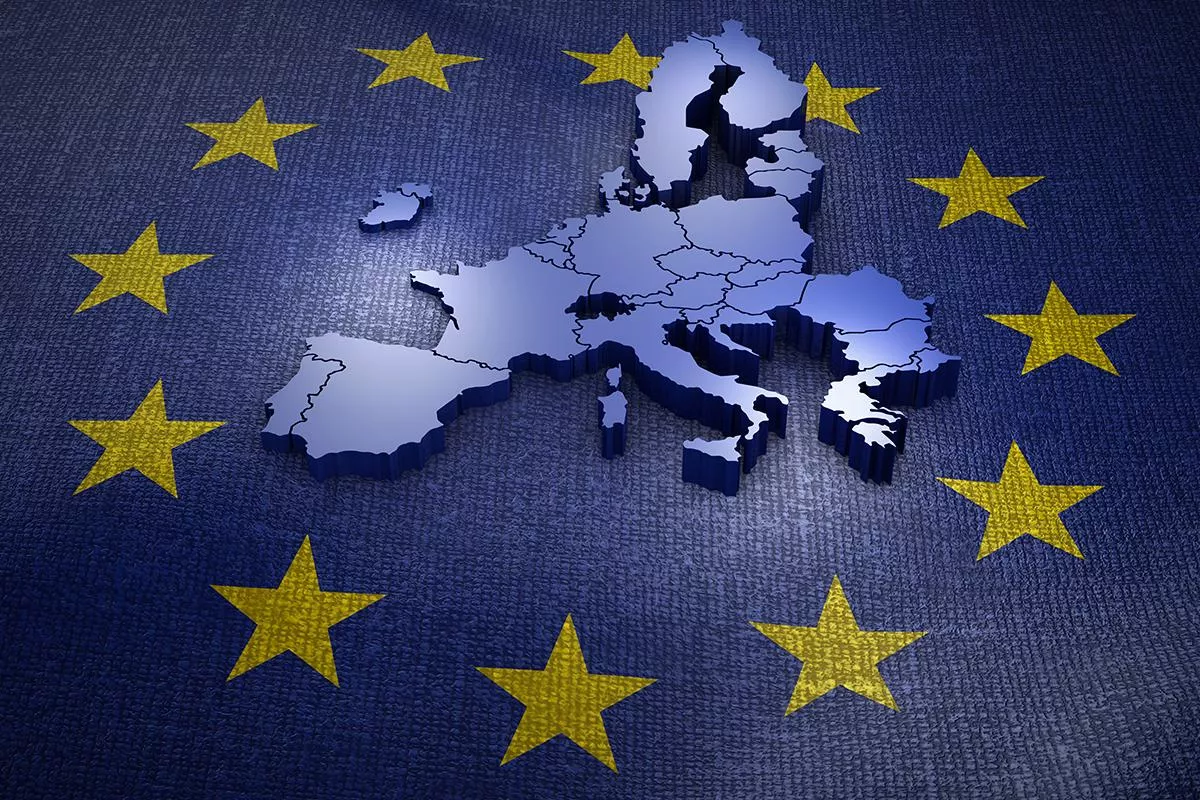
At first glance, such a combination may seem chaotic; however, there is a certain logic behind this proposal. Stubb speaks about a space united by shared security, economy, energy, and strategic interests. In recent years, European elites have, for the first time, seriously confronted the fact that the established order is no longer guaranteed.
Washington is gradually shifting its focus toward China; U.S. policy is becoming less predictable, and within NATO there are increasingly frequent questions about how long the United States is willing to remain the primary guarantor of European security. It is precisely at this moment that Stubb proposes that Europe stop viewing itself as a regional union centred on a common market and begin thinking in terms of an independent centre of power. And to make such a transition, unconventional solutions are undoubtedly required.
And indeed, if one sets aside the somewhat kitschy scale of the initiative, one can discern a rational core within it. Türkiye’s accession would mean the emergence of a combat-ready backbone of a future European army, around which “European muscle” could be built up.
Norway, in Stubb’s view, would presumably generously share its oil and gas revenues with other EU countries, thereby enabling the financing of numerous infrastructure projects. In turn, admitting the “Maple Leaf Country” into the EU would grant broader access to the Arctic — a region whose strategic importance is increasing almost day by day. This is driven by the vast diversity of its natural resources, access to which is expected to become significantly easier and cheaper in the near future due to the rapid loss of ice cover.
However, the problem lies in the fact that the EU has serious contradictions with many of the countries mentioned — and often these disagreements are mutual.
Türkiye’s accession is not currently desired either by a significant part of European elites, who fear a sharp increase in the share of Muslims in a “Christian club,” or by Ankara itself, which would have to constrain its own geopolitical ambitions within the strict framework of Brussels’ discipline.
Norway, as an oil and gas power, is also in no rush to join an organisation where it would have to share its revenues much more actively with its neighbours. Iceland, for which fishing has long been part of national identity, is likewise unwilling to submit to strict European quotas.
Meanwhile, Canada is too closely economically tied to the United States to rush into a union located on the other side of the Atlantic. And the United Kingdom, which left the EU not so long ago, is also not showing any particular desire to return.
Moreover, even within the European Union itself there is still no clear understanding of how to effectively govern its current 27 member states. The idea of 40 participants automatically raises the question of a profound overhaul of the entire decision-making system.
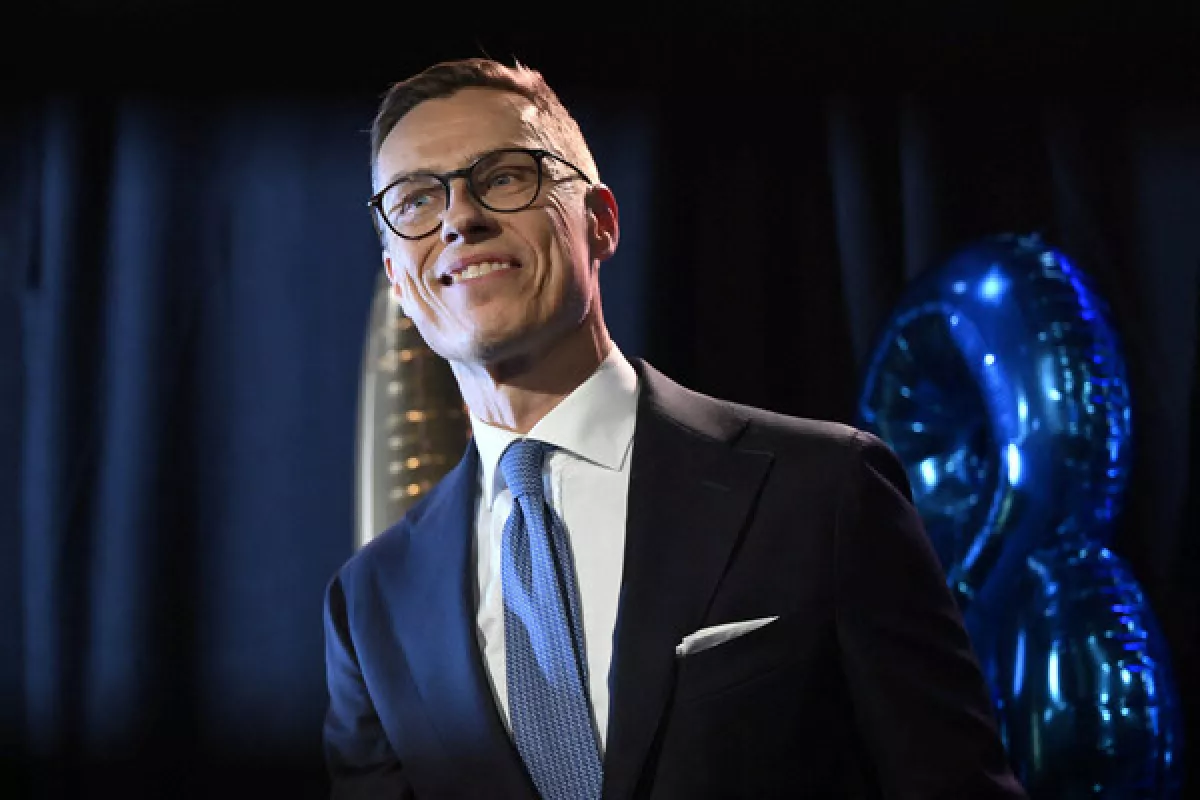
At the same time, there is a sense that for Stubb, the elegance of the gesture may matter more than the feasibility of the structure behind it. As a politician who thinks far beyond national borders, he is clearly positioning himself as one of the ideologues of a new European era.
While many EU leaders are preoccupied with internal crises and electoral challenges, the Finnish president is attempting to propose a broader historical vision. This reflects a desire to move beyond the role of the head of a single state and become a figure of pan-European significance. And, as is well known, in politics the bolder the statement, the more visible the politician becomes — regardless of how realistic the idea may ultimately be.
Stubb’s initiative can quite reasonably be interpreted as an act of vision. But if one looks a little deeper, it becomes clear that he himself is hardly likely to seriously believe in the imminent accession of Türkiye to the EU, and he is equally well aware that Canada, by definition, cannot become part of Europe. He also understands that an attempt to incorporate this entire diverse set of states could ultimately exhaust an already overburdened European mechanism.
In this respect, the Finnish leader’s proposal can be most interestingly interpreted as a rather subtle psychological manipulation. Here one is inevitably reminded of the well-known Eastern parable about a poor man who complained to a sage about his difficult life. The sage advised him to bring a donkey into his home. The family’s life quickly turned into misery, and in comparison, their previous problems began to seem almost like happiness. Then the sage told him to get rid of the donkey — and the poor man experienced an incredible sense of relief.
Stubb appears to be suggesting a similar mechanism for Europeans: to mentally “move” thirteen new members into the “European house,” become alarmed by the scale of potential chaos, and then realise that the current European Union is still a fairly manageable and viable construct, which — in the hands of knowledgeable and capable leadership — could function even better. And who is the most knowledgeable and capable in Europe? Naturally, the Finnish President, Alexander Stubb.







 editor@caliber.az
 +994 55 444-88-98
 Азербайджан, Баку, ул. Низами, 203, Af Business House, 5-й этаж