










Brussels’ paper shield: why a unified European army remains a political mirage Review by Teymur Atayev
Europe is lurching from one geopolitical corner to another. Yet it cannot find a firm footing anywhere — neither politically, nor economically, nor militarily.
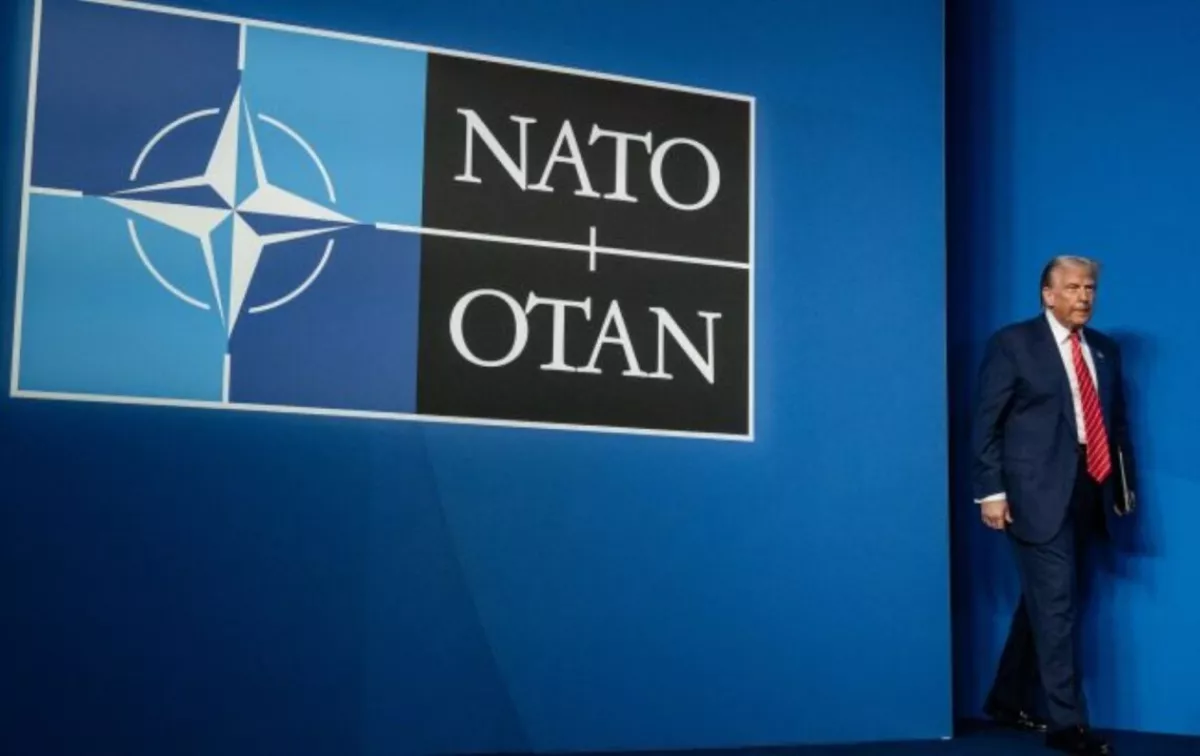
For decades, living under the US security umbrella (read: NATO), Europe steadily pursued a left-liberal agenda. However, this path has led it into a serious crisis. Therefore, when, during Donald Trump’s second presidential term, Washington began to deliver on its campaign promises and raise demands toward its allies, Brussels was caught off guard. What had been obvious to almost everyone in the United States came as a surprise to European politicians. Since then, Europe has remained in a state of confusion and has not been able to improve its situation even by a fraction.
But should one even expect positive outcomes for Europe? Especially in terms of strengthening its defence capability, particularly in the context of the lack of any coherent position on the creation of a pan-European army.
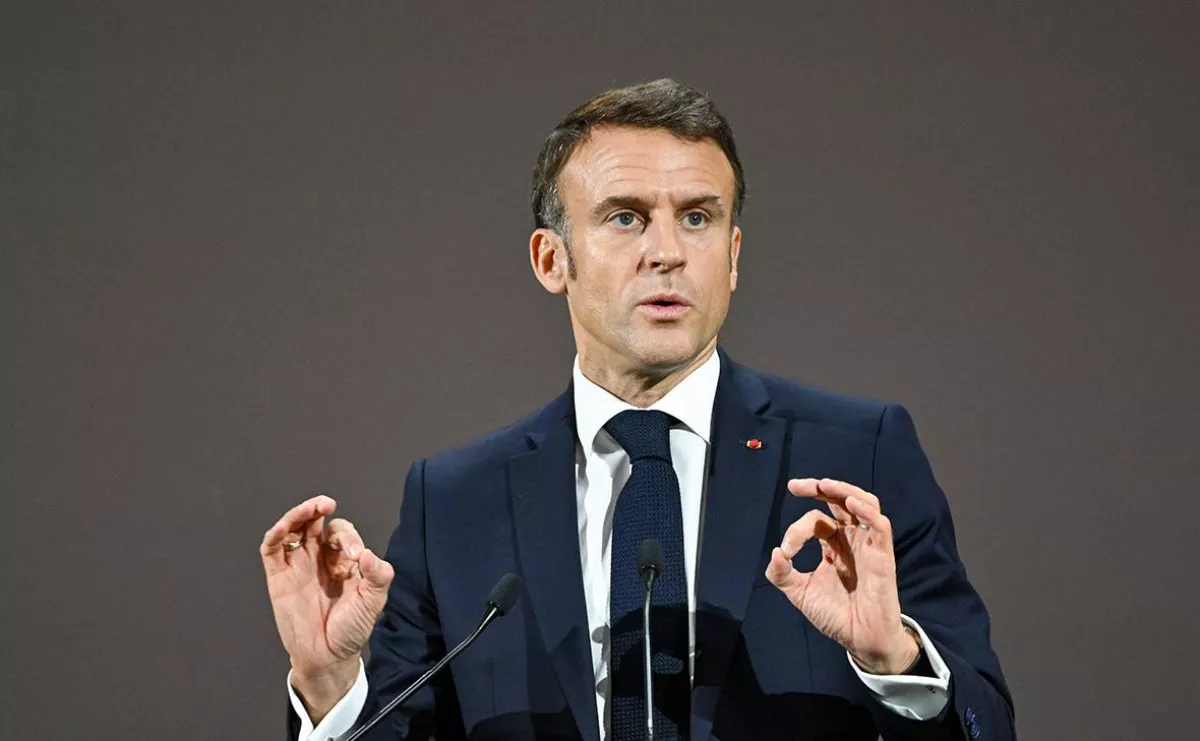
Once again, French President Emmanuel Macron’s famous slogan about achieving Europe’s “strategic autonomy” comes to mind, even though by the end of his second presidential term, this slogan has remained largely theoretical.
Today, the idea is no longer voiced by Macron alone. But what comes next? For instance, in an analytical article published on June 11 on the website of the European Council on Foreign Relations (ECFR), it is noted that Washington possesses powerful leverage to use Europe’s ties with America as a tool of pressure in the spheres of finance, energy (thanks to the EU’s growing dependence on US hydrocarbon supplies), and technology. At the same time, it is stated that Europeans have a considerable range of options for responding to US economic pressure. However, it is emphasised that only rational actions could help Europe “fend off a good chunk of American coercion attempts while buying time to build durable economic leverage the bloc is able to deploy towards the US and others.”
Without going into the details of what exactly is meant by “judicious actions,” it is worth noting the heterogeneity of Europe itself — a factor that prevents it from making clear and unambiguous decisions capable of lifting the declining continent. For example, just a few days ago, the EU’s High Representative for Foreign Affairs, Kaja Kallas, firmly opposed the idea of creating a pan-European army, arguing that alongside NATO forces it “could lead to confusion during crises.”
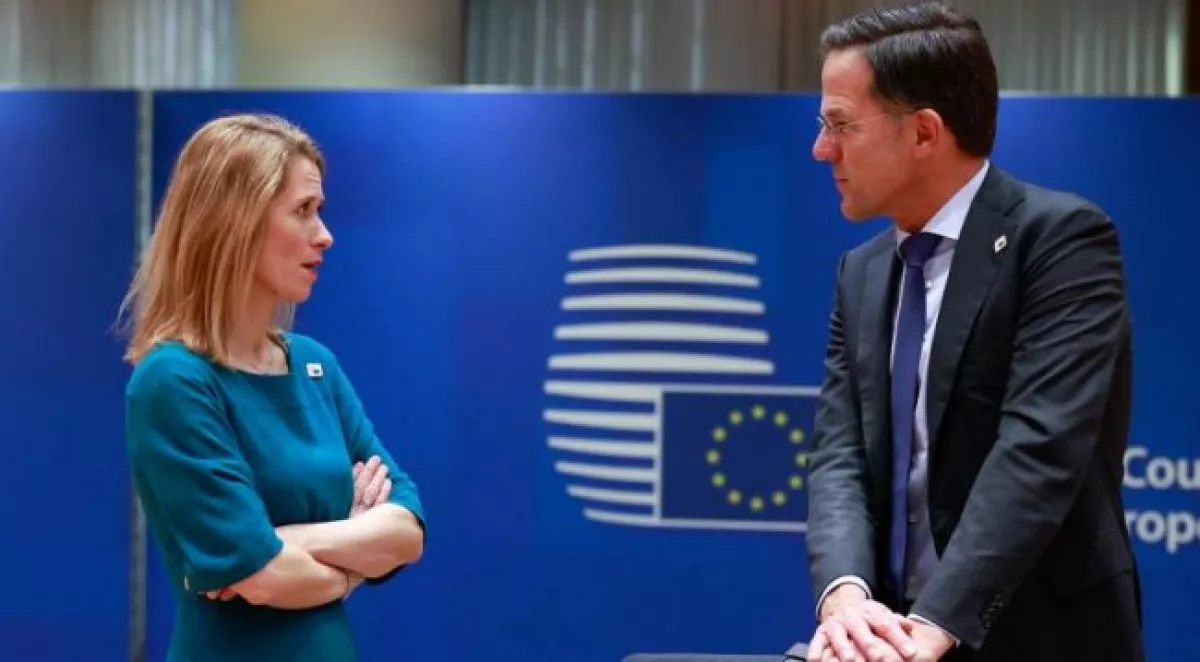
“Let’s not throw NATO out of the window,” Ms Kallas concluded, effectively aligning herself with NATO Secretary-General Mark Rutte, who has repeatedly insisted that Europe is unable to defend itself without US support. Although earlier Kallas had disagreed with Rutte on a number of issues.
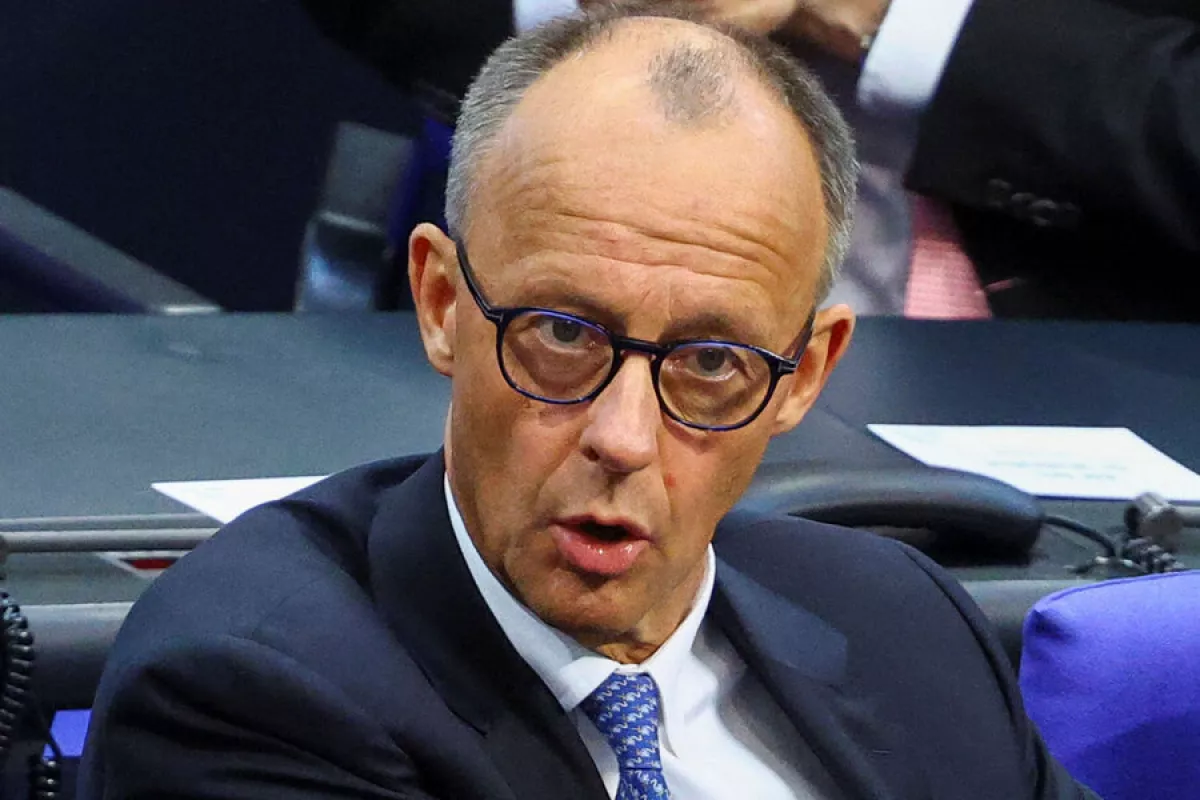
And yet, what often follows loud rhetoric is emptiness. As early as the beginning of 2026, German Chancellor Friedrich Merz declared that “If we want to be taken seriously again, we will have to learn the language of power politics.”
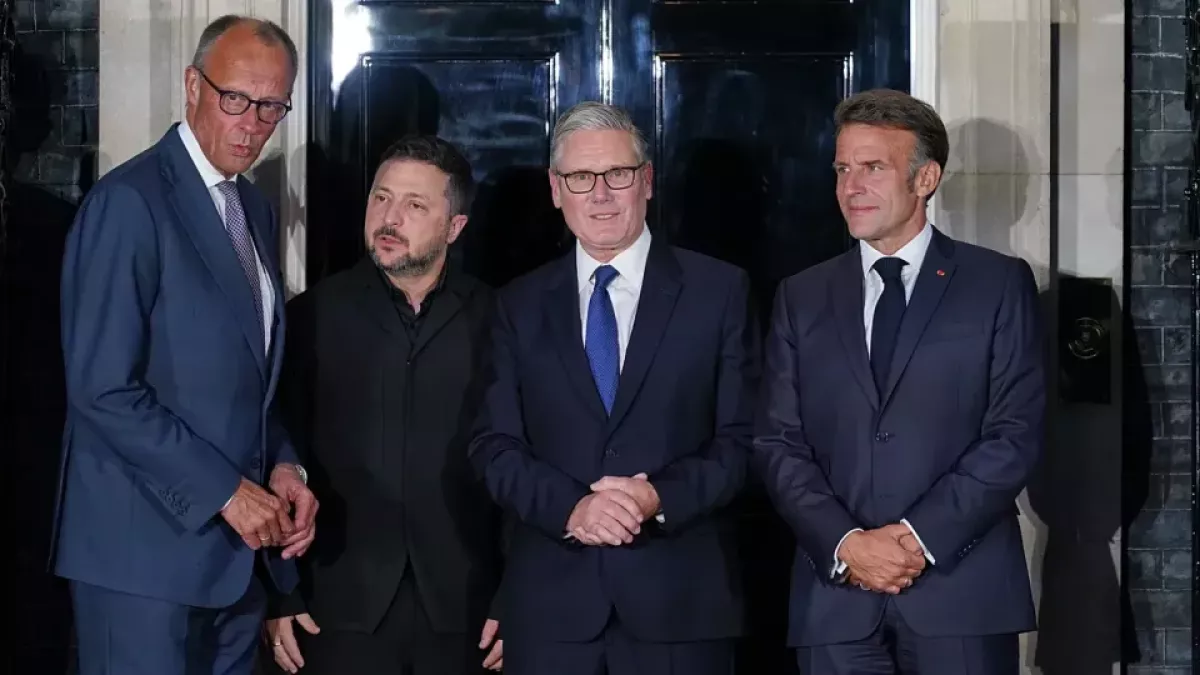
So what has changed? Have they learned it? Perhaps some may interpret Europe’s exercise of power politics as the fact that on June 7 a summit of the leaders of the United Kingdom, France, and Germany, together with Ukrainian President Volodymyr Zelenskyy, initiated a demand for European powers to be included as full participants — alongside the United States — in peace negotiations with Russia, with Europeans granted veto rights over any US–Russia agreement. As was noted at the time, “European security interests must be defined in any deal.”
Let us assume the leaders gathered and reached an agreement among themselves. But how feasible is what has been stated?
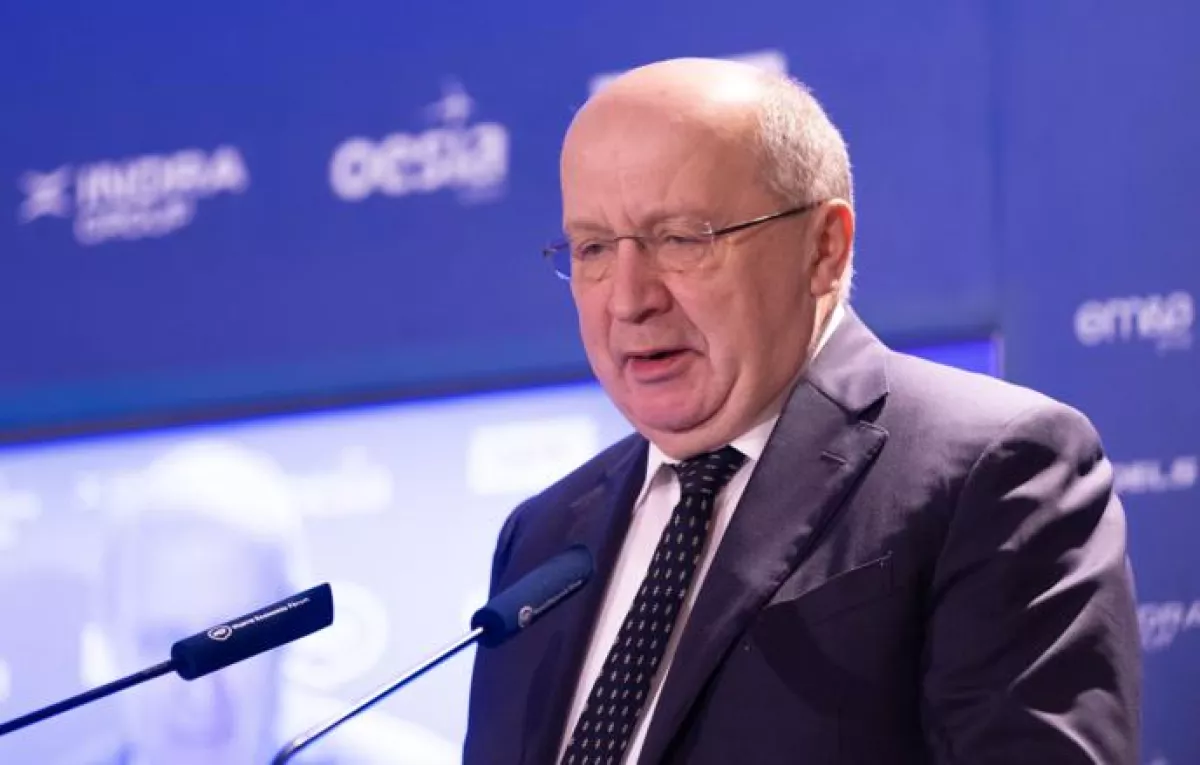
On June 9, EU Commissioner for Defence Andrius Kubilius warned that achieving positive results in this direction — including strengthening Europe’s defence capabilities — would require not only cooperation but also readiness for substantial expenditure. According to him, Europe would need to scale up the production of major weapons systems for its own defence. As noted in the report, “Significant progress toward sovereignty can be achieved within 3-5 years, and a high degree of autonomy can be reached in most areas within 5-10 years – provided these are pursued as a political priority.”
In this context, the Atlantic Council also highlighted a priority approach centred on “mitigating immediate operational risk, while building the structural capacity.”
However, the key question remains: what is the real feasibility of these ideas, and within what timeframe can they be implemented?
Thus, Kaja Kallas’s negative reaction to the idea of a pan-European army once again demonstrated how much Europe lacks not only unity but also clarity and concrete substance. And if these components are missing, then how can the idea of European strategic autonomy be advanced — especially in opposition to the United States? As noted above, such ideas are frequently voiced in Brussels and beyond. But how can they be translated from theory into practice — that is the central question.
As things stand, it is difficult to argue that the current generation of European political leaders is capable of consistently pursuing such a course or engaging in an equal dialogue (to use this term deliberately) with Donald Trump.







 editor@caliber.az
 +994 55 444-88-98
 Азербайджан, Баку, ул. Низами, 203, Af Business House, 5-й этаж