










EU vs Kallas: a diplomatic coup brewing in Brussels Article by Matanat Nasibova
Another major scandal is brewing in the upper echelons of the European Union, one that could overshadow all previous controversies in both scale and political impact. The bloc’s leading member states have begun openly discussing the removal of the EU’s top diplomat, Kaja Kallas, while simultaneously pushing for a sweeping reform of the Union’s foreign policy apparatus.
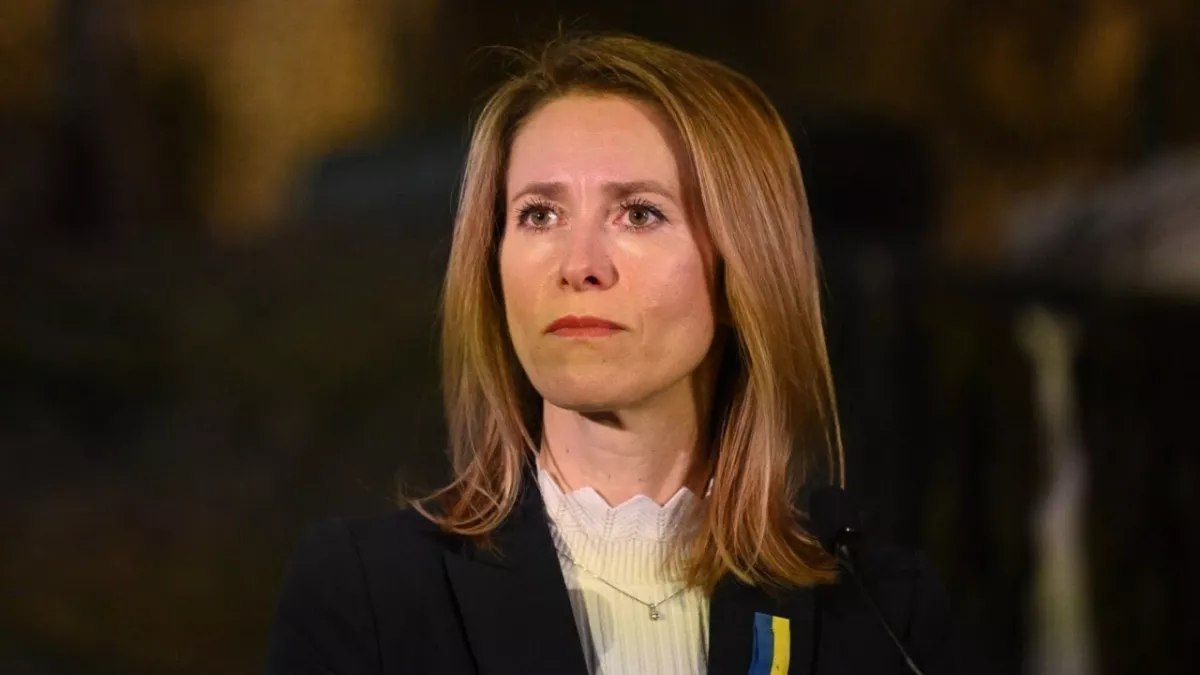
According to international media reports, behind-the-scenes manoeuvring in Brussels has escalated into a full-fledged bureaucratic battle, with not only Kallas’s political future at stake but also the future of European diplomacy itself. As the British newspaper Financial Times reports, France and Germany are considering stripping Kallas of her powers while seeking to save €1 billion annually.
“Paris, Berlin and other capitals are weighing options that include stripping powers from the bloc’s chief diplomat Kaja Kallas and her €1bn-a-year External Action Service (EEAS) and returning them to the European Commission and member states, according to five senior officials briefed on the discussions,” the newspaper noted.
For her part, Kaja Kallas appears unwilling to back down. Politico reports that in an internal letter she responded to the media coverage and firmly defended the institution she leads. Emphasising the EEAS’s workforce of 5,000 employees, she argued that the service generates significant added value for the European Union as a whole and stated that she intends to discuss reform proposals at an upcoming informal meeting of EU foreign ministers.
So what factors have brought about the current crisis, with Europe’s chief diplomat finding herself at its centre? Several explanations immediately come to the fore.
The first is that Kallas’s priorities and diplomatic approach increasingly diverge from those of the administration of President Donald Trump, creating growing dissatisfaction in Washington. In her view, Western attention and resources should remain focused on Ukraine and not be diverted elsewhere. She has argued that the conflict in the Middle East is drawing global attention away from European security, despite the fact that the primary threat to Europe continues to come from Russia. Kallas has also repeatedly stressed the importance of maintaining diplomatic channels with Iran in order to prevent a full-scale regional war.
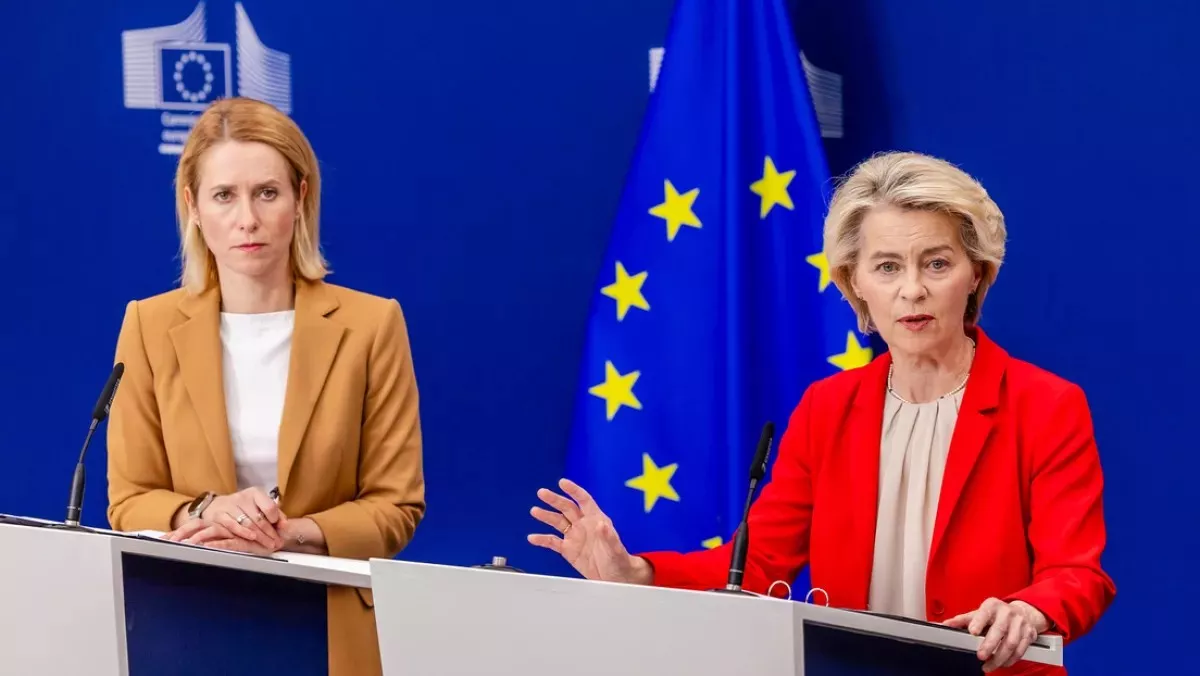
A second factor stems from growing tensions between the European External Action Service and the European Commission — in other words, between Kallas and Ursula von der Leyen — over how to address the EU’s most pressing challenges. These differences have become particularly evident in the debate over the creation of a unified European army, an idea that has gained renewed momentum following NATO Secretary General Mark Rutte’s remarks that Europe remains incapable of guaranteeing its own security.
The EU’s foreign policy chief has taken a markedly different position. Kallas argues that establishing a pan-European army would blur lines of responsibility and create overlapping structures. Instead, she advocates strengthening the defence capabilities of individual member states within the NATO framework while ensuring the closest possible coordination with the Alliance.
Von der Leyen, however, has consistently supported the concept of a common European military force, repeatedly stressing the need for deeper defence integration and cooperation across Europe.
The clash of interests between von der Leyen and Kallas became even more pronounced when the President of the European Commission proposed the creation of a separate intelligence unit within the Commission itself. Kallas strongly opposed what she viewed as an unnecessary duplication of functions, pointing out that an analytical and intelligence assessment centre is already operating effectively under her authority.
Against this backdrop, their internal rivalry has also extended to the question of who should lead and coordinate the European Union’s response to the escalating crisis in the Middle East.
Taken together, the current crisis engulfing the EU’s chief diplomat can be seen, at least in part, as the result of deep disagreements between the leadership of the two institutions over fundamental questions of the Union’s foreign policy. Personal tensions have further intensified the situation. Politico, for example, previously reported that Kallas has privately referred to von der Leyen as a “dictator.” This is one side of the story.
Secondly, it cannot be ruled out that the catalyst for the current controversy has been Kallas’s increasingly independent approach to EU foreign policy. Many European capitals are dissatisfied with what they perceive as her tendency to launch initiatives and make statements on behalf of the European Union before they have been formally approved by the bloc’s member states.
The issue of EU–China relations provides a striking example. Europe’s top diplomat has consistently adopted a hard-line stance towards Beijing. In May of this year, she sparked controversy by describing China’s trade relationship with Europe as a “cancerous growth,” a remark that provoked a distinctly negative reaction within the European Commission. “This is not the position of the European Commission,” Commission spokesperson Paula Pinho stated at the time.
In light of all the above, it is reasonable to conclude that the scandal surrounding Kaja Kallas could ultimately lead to a far-reaching revision of the powers of the institution she heads and even to her removal from the post of High Representative of the European Union for Foreign Affairs and Security Policy.
Such an outcome would undoubtedly deal a blow to the European Union’s own credibility and standing at a time when the bloc is already facing considerable reputational challenges on the international stage.







 editor@caliber.az
 +994 55 444-88-98
 Азербайджан, Баку, ул. Низами, 203, Af Business House, 5-й этаж