










Iran tests the limits of what is permissible Analysis by Shereshevskiy
Iranian media have published the provisions of a possible future agreement with the United States. Its main points make it highly unlikely that Washington would agree to sign such a deal.
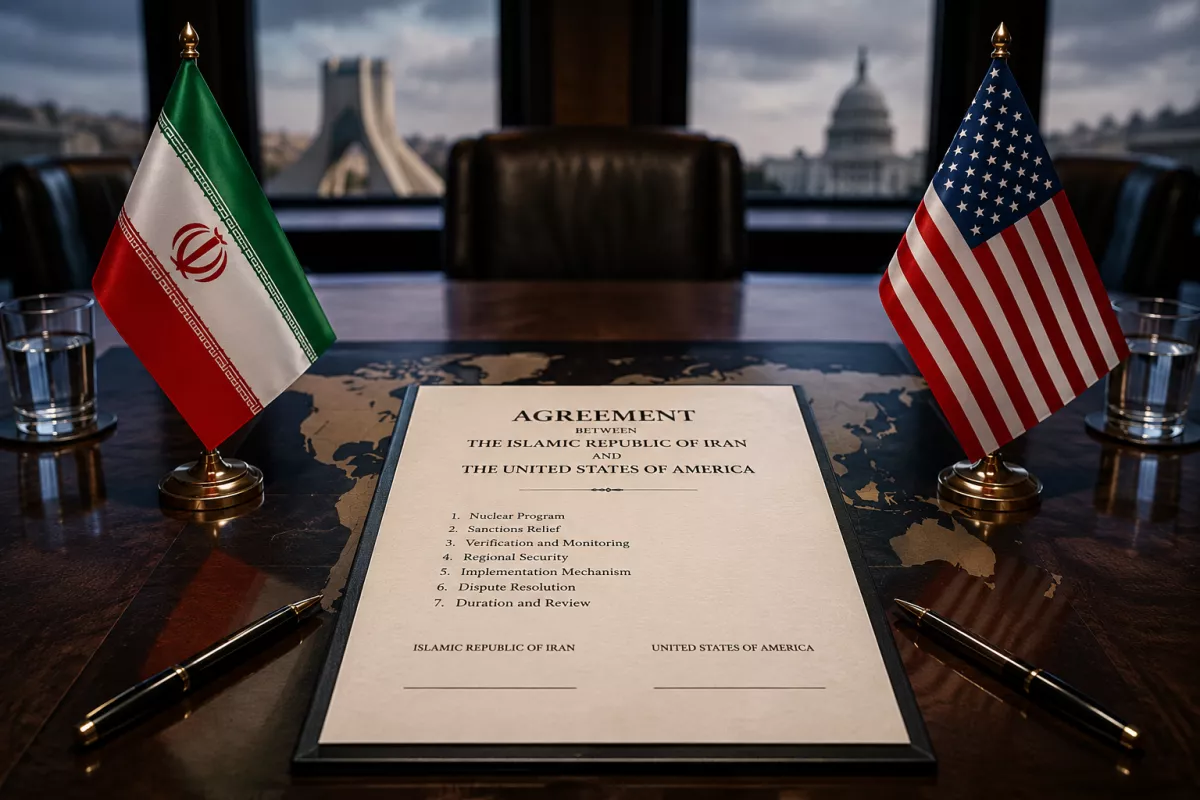
In essence, these are the same demands Tehran has put forward before — demands that the American side has repeatedly rejected:
— immediate and permanent ceasefire on all fronts, including Lebanon (referring to the cessation of Israeli operations in Lebanon);
— a US commitment not to interfere in Iran’s internal affairs;
— lifting the US naval blockade of Iran within 30 days;
— withdrawal of US forces from areas surrounding Iran;
— reopening of the Strait of Hormuz within 30 days under terms acceptable to the Islamic Republic;
— suspension of US sanctions on Iranian oil and petrochemical exports;
— full access for Iran to its financial assets;
— sixty days of negotiations to reach a final nuclear agreement;
— unfreezing of $24 billion in Iranian assets, half of which must be released before negotiations begin;
— exclusion of Iran’s missile programme and support for “resistance forces” from the negotiation agenda;
— ratification of the final agreement by the UN Security Council.
Implementation of such a plan would amount to a de facto political defeat for the United States and a significant strengthening of Iran’s position. It would demonstrate that the Tehran regime has not only withstood US-Israeli pressure, but has also succeeded in securing the rollback of the most sensitive sanctions, as well as the unfreezing of tens of billions of dollars in assets.
At the same time, negotiations over a future nuclear deal — involving Iran’s renunciation of uranium enrichment in exchange for the full lifting of sanctions — could last for years. Tehran has repeatedly demonstrated its ability to prolong such processes.
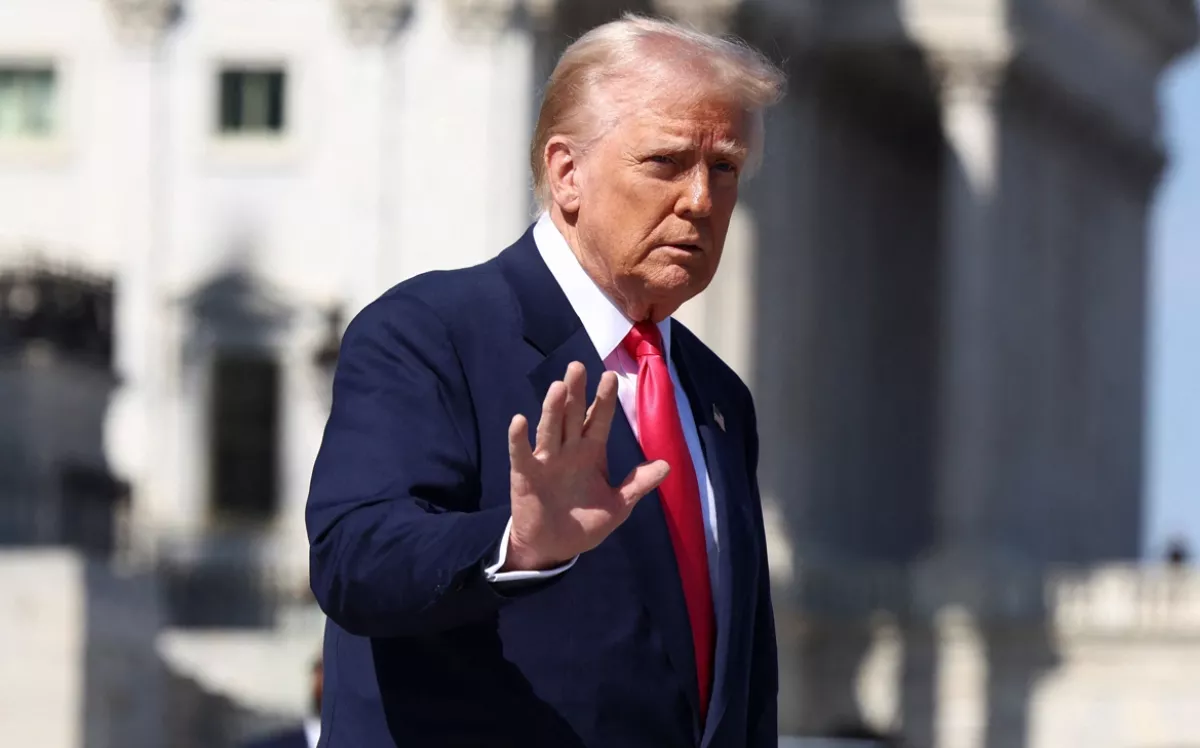
It is therefore unlikely that Donald Trump would agree to such a deal, as it would be perceived as an obvious political defeat in the eyes of American voters.
Why, then, is Iran adopting such a hardline position? There may be several reasons.
First, Tehran perceives weakness in the American administration. Trump allows for limited clashes with Iran, which occur periodically, but avoids large-scale bombardments. Such strikes would inevitably lead to rising oil prices and, consequently, higher fuel costs in the United States. This is a key factor capable of undermining Donald Trump’s approval ratings and those of the Republican Party just months before the midterm elections.
The current question is not whether Republicans will suffer a defeat, but how significant it will be. Of particular importance is the fate of the Senate. Tehran expects that after the elections, the White House’s position may weaken further, increasing the likelihood of additional concessions at the negotiating table. Whether such calculations are justified remains uncertain.
Second, despite concerns about potential protests and unrest, the Iranian regime appears to feel relatively confident in its internal stability.
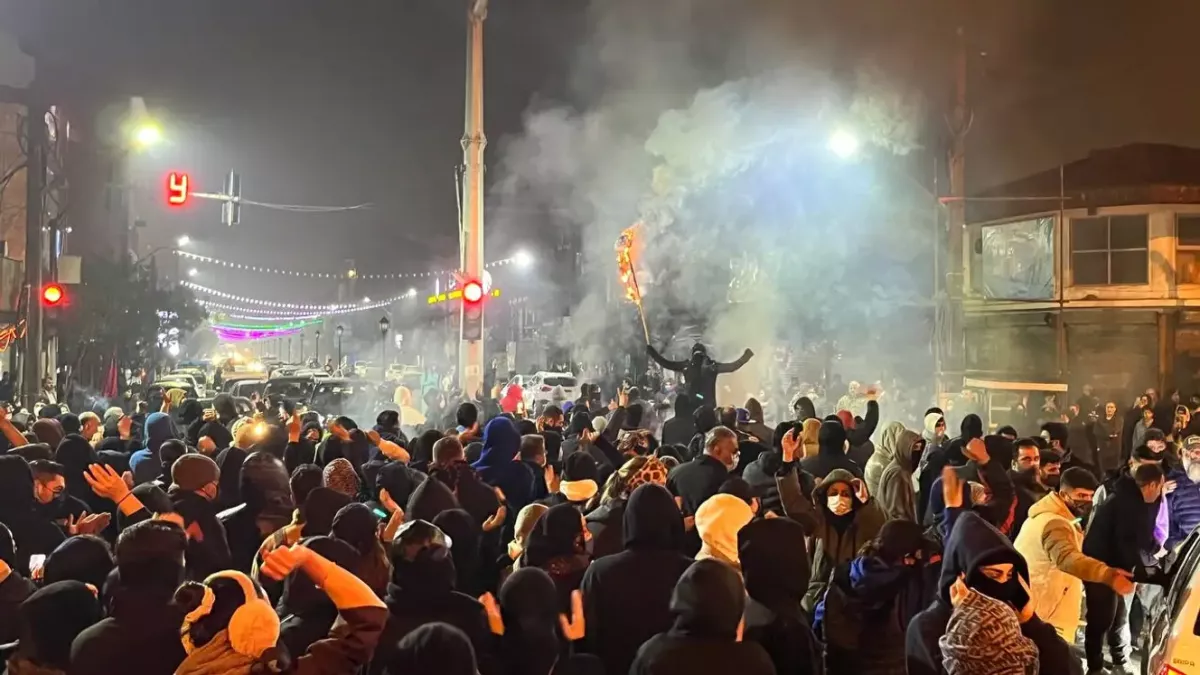
Indeed, millions of Iranians oppose the Islamic Republic. The scale of the protest movement significantly exceeds the number of participants in pro-government rallies, which are often mobilised through public-sector employees.
Moreover, even representatives of the regime have acknowledged the seriousness of the situation. Mehdi Kharatian, head of the official think tank “Political Renaissance”, which is close to the security structures of the Islamic Republic of Iran, stated that during periods of protest the authorities temporarily lost control over approximately one hundred cities.
Another regime figure, Hossein Marashi, has admitted the existence of a deep divide between society and the authorities. Whereas large-scale protests were previously attributed to foreign powers or opposition movements, more recent assessments have taken a markedly different tone.
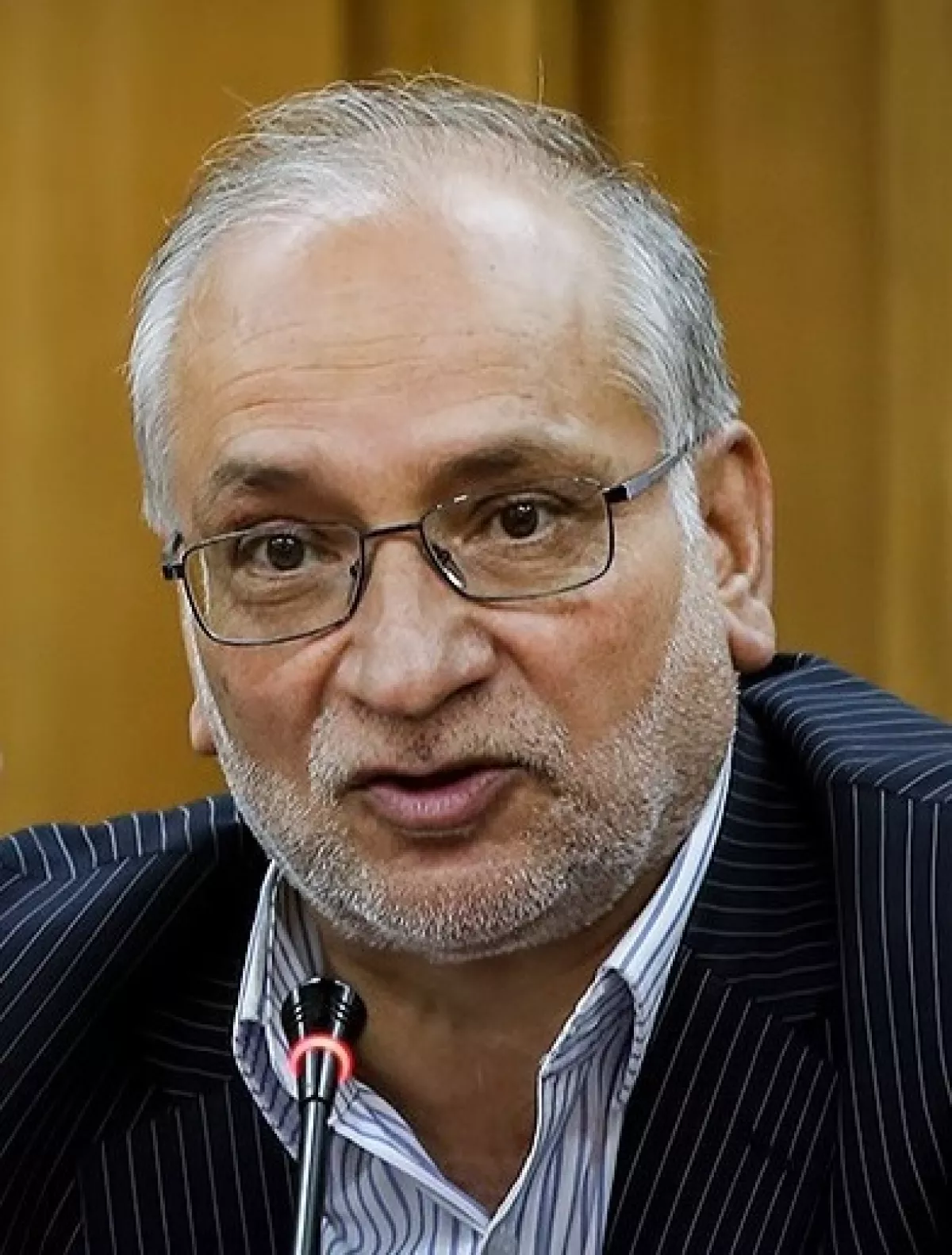
In one interview, Marashi openly referred to the inefficiency of the country’s economic and legal-political institutions. According to him, had the Islamic Republic succeeded in creating a system perceived by the majority of the population as effective and free of corruption, public attitudes towards the political order would be entirely different.
Corruption, economic deterioration, and a lack of trust in state institutions have led a significant portion of Iranians to distance themselves from the government. Marashi emphasised that no authority can remain in permanent confrontation with the majority of society while simultaneously expecting long-term stability.
However, the regime has also demonstrated its capacity to suppress mass protests through force, while the protesters themselves possess virtually no access to weapons. The country increasingly resembles a system in which power is maintained primarily through coercion and fear. Many citizens are dissatisfied with the existing order, yet lack a clear understanding of how change could be achieved without armed resistance, while a relatively small group continues to retain control through the use of violence.
The situation could have developed differently had Donald Trump supported a plan that has recently been actively reported in Israeli media.
According to this project, Israel allegedly considered transferring thousands of weapons previously seized from Hezbollah and Hamas — groups allied with Tehran — to Iranian Kurdish opposition formations. These Kurdish groups are based in neighbouring Iraq and could potentially launch operations from there.
It was further suggested that, under the cover of US and Israeli air support, Kurdish forces might advance towards Tehran. Such a scenario would resemble events in Afghanistan in 2001, when relatively small Afghan opposition forces, backed by US air power, were able to advance on Kabul and take the capital.
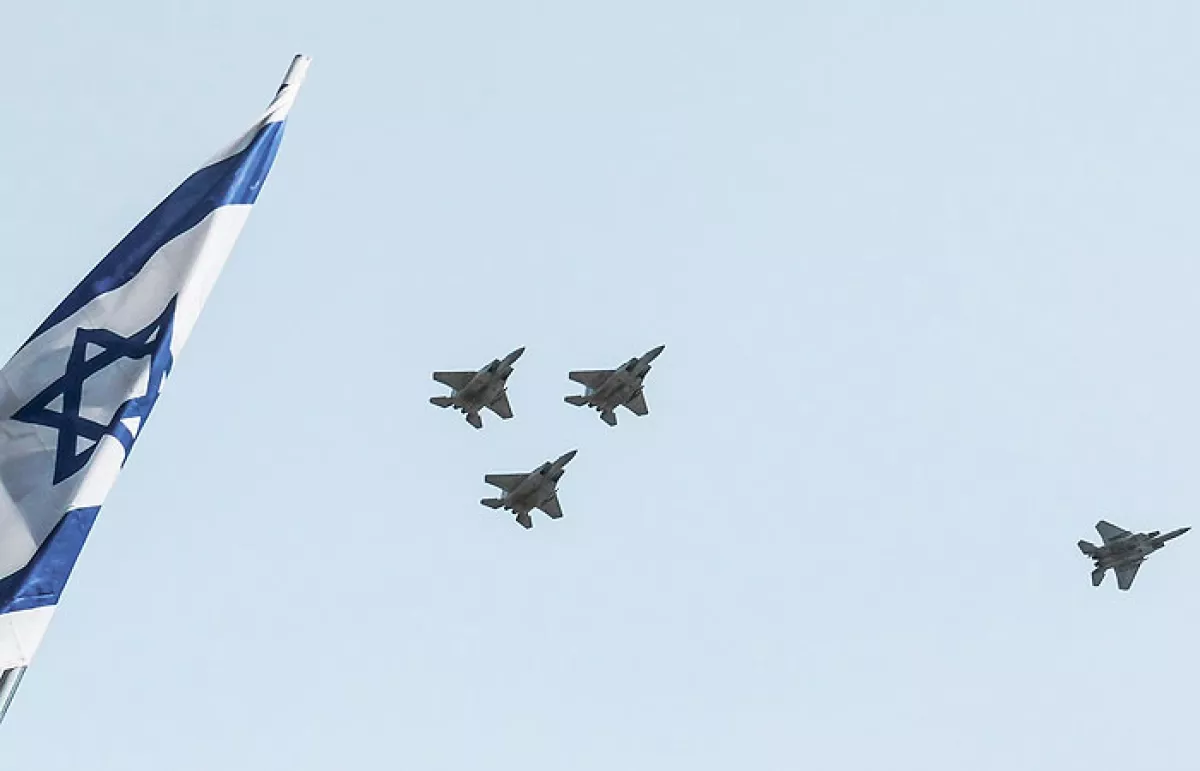
Moreover, the Israeli Air Force has already begun striking Iranian military facilities in border areas adjacent to Iraq, effectively clearing the way for a potential advance. However, Trump reportedly rejected this project, as it was strongly opposed by Türkiye, which is highly sensitive to any strengthening of Kurdish armed formations.
Third, Iran’s new leadership — with real power today largely concentrated in the Islamic Revolutionary Guard Corps (IRGC) and its commander General Ahmad Vahidi, representing the most hardline wing of the regime — has likely concluded that there is no room left for retreat.
Apparently, the IRGC leadership believes that only two possible trajectories remain. Either Iran will succeed in compelling the United States to take its interests into account by inflicting significant political and economic damage on it, or the current Iranian elite will still remain a target for Israel and the United States.
In Tehran’s assessment, the threat of a large-scale strike may persist even in the event of major concessions in negotiations. From the perspective of many within the regime, any display of weakness would only increase the likelihood of further attacks.
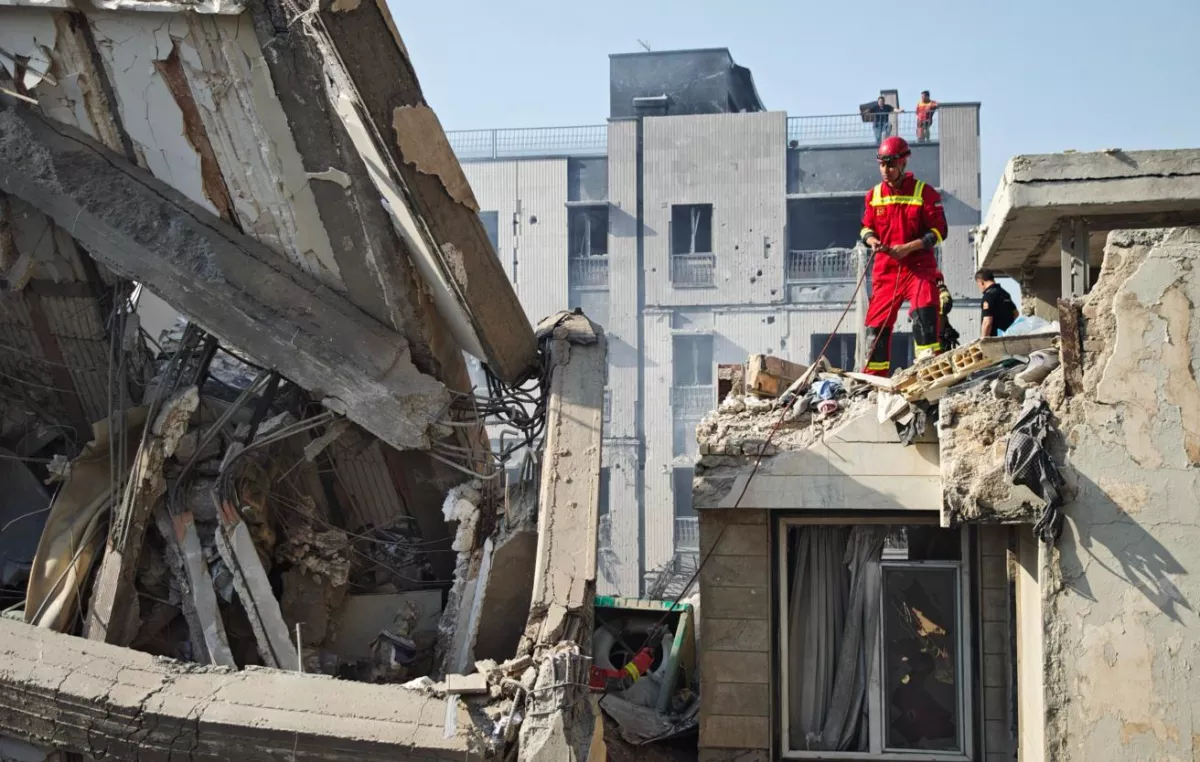
Israel and the United States have already demonstrated their capability to eliminate senior Iranian officials, carrying out strikes on Iran in June 2025 and subsequently repeating similar operations in March of the current year.
At the same time, Israel — whose military, intelligence, and technological capabilities significantly surpass those of Iran — has openly stated its intention to continue such operations, systematically weakening the Islamic Republic, destroying its defence and nuclear infrastructure, and eliminating key figures within its leadership.
It is precisely for this reason, perhaps, that IRGC generals have concluded that further concessions are meaningless. In their view, either Iran will succeed in delivering such a painful lesson to Washington that it will be forced to restrain its ally Israel, or the current leadership of the country will remain under threat regardless.
Moreover, observing Trump’s reluctance to pursue radical escalation, the Iranian leadership appears to feel increasingly confident and ready to impose its own terms.
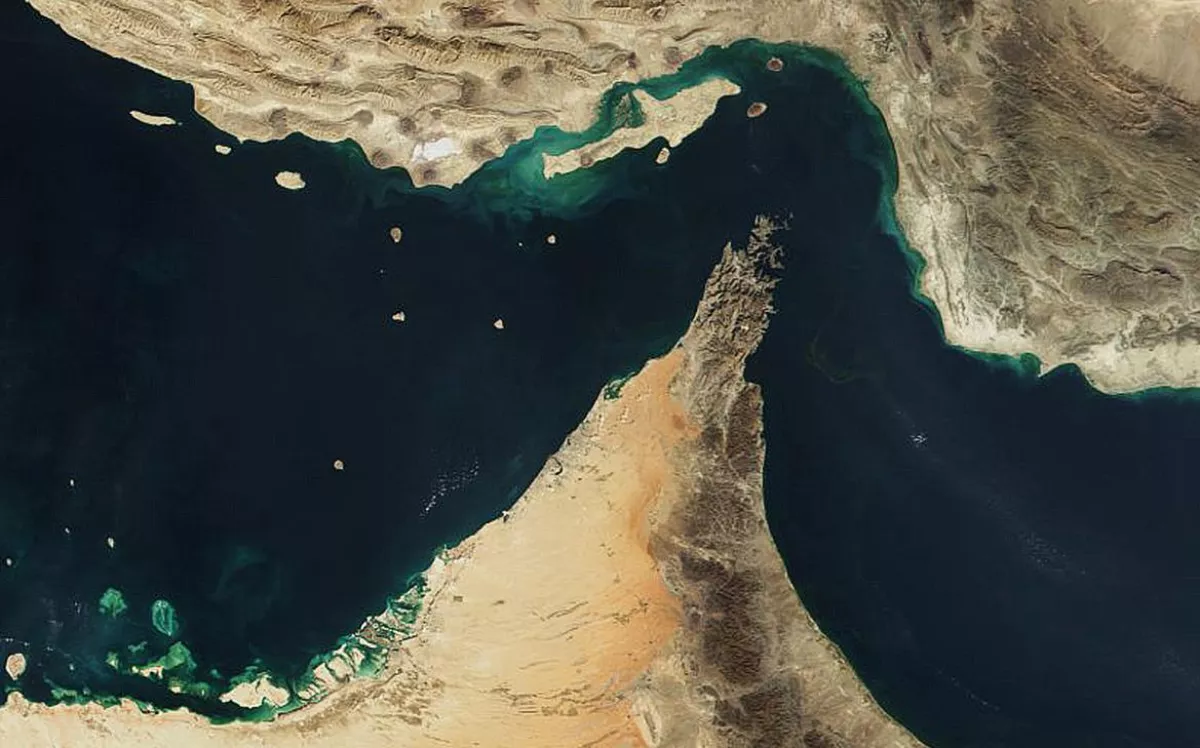
Having acquired a powerful instrument of influence over the global economy in the form of the Strait of Hormuz — and the ability to potentially disrupt a route responsible for roughly 10–15% of the world’s oil supply — Tehran has obtained a significant leverage mechanism. Such a move could trigger a global recession while simultaneously affecting Trump’s political standing through rising fuel prices in the United States.
For this reason, the Iranian leadership is attempting to use the situation as a tool of pressure on Washington. The perceived hesitation of the American administration, according to many regime figures, is pushing General Vahidi towards more assertive actions and an expansion of Iran’s regional sphere of influence.
As analysts at Al Monitor note, Iran now presents its recent missile strikes on Israel not merely as a response to Israeli bombardments in Lebanon, but also as a demonstration of its willingness to defend the entire network of allied armed structures across the Middle East, including Hezbollah in Lebanon.
Tehran is carrying out missile strikes against Israel in an effort to limit its ability to target Hezbollah, while simultaneously demonstrating the restoration of its own capabilities and renewed confidence after months of confrontation.
Iran is openly speaking about the formation of a so-called “security belt of resistance forces,” stretching “from the Strait of Hormuz to Bab el-Mandeb, and from the Persian Gulf to the Red Sea.” This system includes Iran’s regional allies — Hezbollah in Lebanon, Shiite formations in Iraq, and the Houthis in Yemen.
Iran no longer treats Lebanon, Yemen, Iraq, or the Gulf states as separate theatres of confrontation. Instead, official Iranian rhetoric increasingly frames them as part of a unified strategic space, in which conflicts across different countries are elements of a single overarching struggle.
This represents an important shift. Previously, Iran did not position itself as a state willing to directly strike Israel in order to defend Hezbollah or other allies. Today, however, such an approach is increasingly becoming part of its official strategic outlook.

Israeli technology and geopolitical analyst Jonathan Adiri believes that Iran has moved onto the offensive and is attempting to shape a new regional reality in the Middle East.
In his view, Tehran has entered a phase of aggressive foreign policy, testing the limits of what is permissible in its relations with Israel, the United States, and the Gulf states. In response to US strikes, Iran periodically targets critical infrastructure in regional countries, signalling its readiness to further escalate tensions.
Adiri argues that Tehran is currently engaged in intense competition with several Middle Eastern states and is prepared to escalate further in order to test both the limits of its own power and the scale of potential responses from its adversaries.
According to the analyst: “Iran is prepared for very significant friction. The Iranian attack on the nuclear reactor in the United Arab Emirates is a dramatic event with enormous economic implications.”
The problem, however, is that neither Israel nor the Gulf states — particularly the UAE, which maintains close cooperation with Israel while simultaneously being in sharp confrontation with Tehran — are willing to accept an expansion of Iran’s regional influence.
Accordingly, any attempt by Iran to consolidate its presence in the region is likely to lead to further escalation. This, in turn, increases the probability of a new full-scale war in the Middle East.







 editor@caliber.az
 +994 55 444-88-98
 Азербайджан, Баку, ул. Низами, 203, Af Business House, 5-й этаж