










The winner outside the ballot box The main outcome of Armenia’s elections
On June 7, parliamentary elections were held in Armenia, which many — and rightly so — considered the main domestic political event in the country. Although the vote count is still ongoing, a fairly clear picture is already emerging: according to preliminary data from the Armenian Central Election Commission, Nikol Pashinyan’s “Civil Contract” is securing 55% (latest result: 49.81% — ed.) of the vote and is set to form a government on its own.
The pro-Russian “Strong Armenia” led by Samvel Karapetyan is in second place (around 23%), followed by the “Armenia” bloc of Robert Kocharyan with about 9–10%. The party of Gagik Tsarukyan is also crossing the electoral threshold with just over 4%. Overall voter turnout reached 58.97%, marking a record for recent electoral cycles.
Thus, the revanchist triumph that some external forces had anticipated did not materialise.
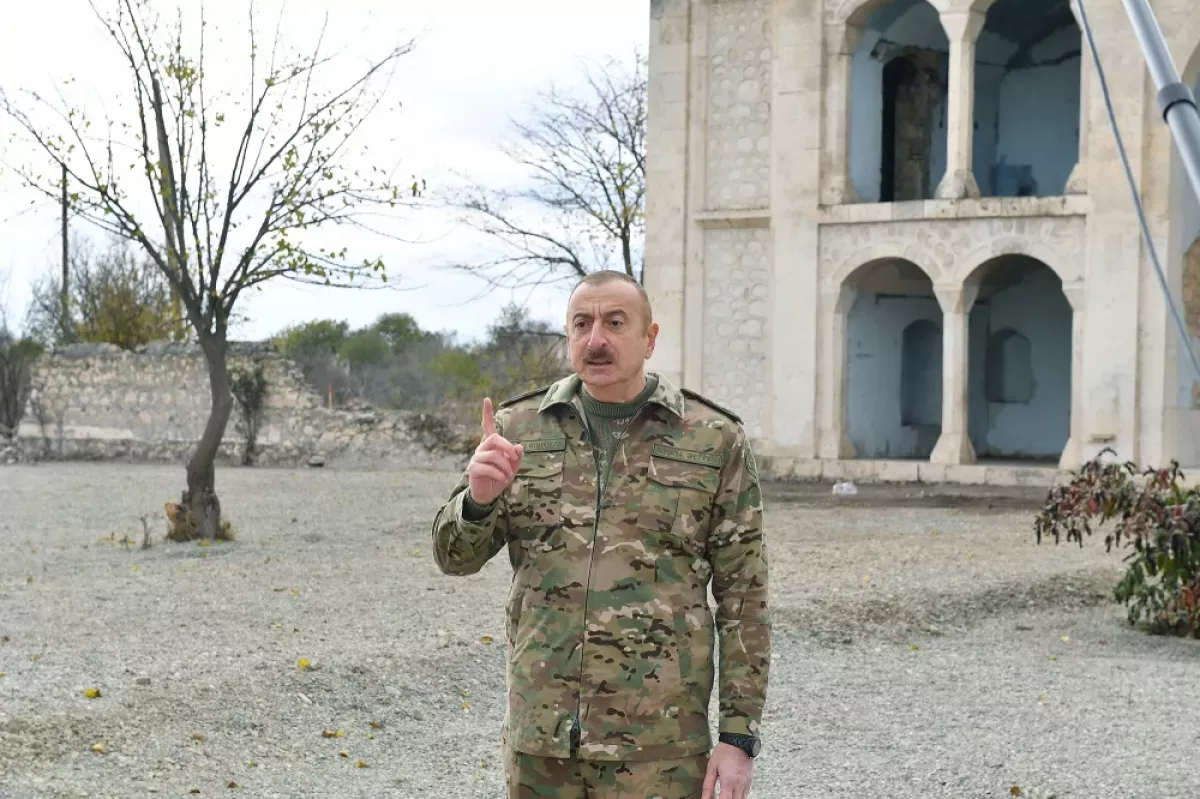
The first point to be made about the results of the parliamentary elections in Armenia will likely sound unusual in the context of a vote held in another country: their winner is a political figure who was not, and could not be, on the Armenian ballot. That figure is the President of the Republic of Azerbaijan, Ilham Aliyev. And this statement only appears paradoxical at first glance. The realities of the South Caucasus today speak to its validity.
The reason is that the Armenian electoral campaign, from beginning to end, revolved around a single axis — relations with Azerbaijan — and this centrality was not set by Yerevan. On the eve of the vote, Speaker Alen Simonyan put forward a very clear formulation: the elections featured two forces — the party of war versus the party of peace. However, the latter was able to emerge as the electoral favourite only because, by June 7, peace in the region already existed de facto, and it was made tangible by Baku, which in autumn 2020 liberated its territories from occupation and consolidated this outcome in September 2023. As a result, the South Caucasus has entered a phase in which the principle of territorial integrity is no longer a subject of dispute, and the Armenian establishment has been forced to pivot toward normalising relations.
The logic confirmed by Armenian voters at the ballot box deserves to be restated plainly and without euphemisms. A nation that lost a war drew a sober conclusion: it rejected those who promised a return to the past and a replay of the conflict, and instead supported those who accept the new reality as a given. This is a rational acknowledgement of the inevitability of peace, and it carries significant weight because it was not an easy adjustment for Armenian society.
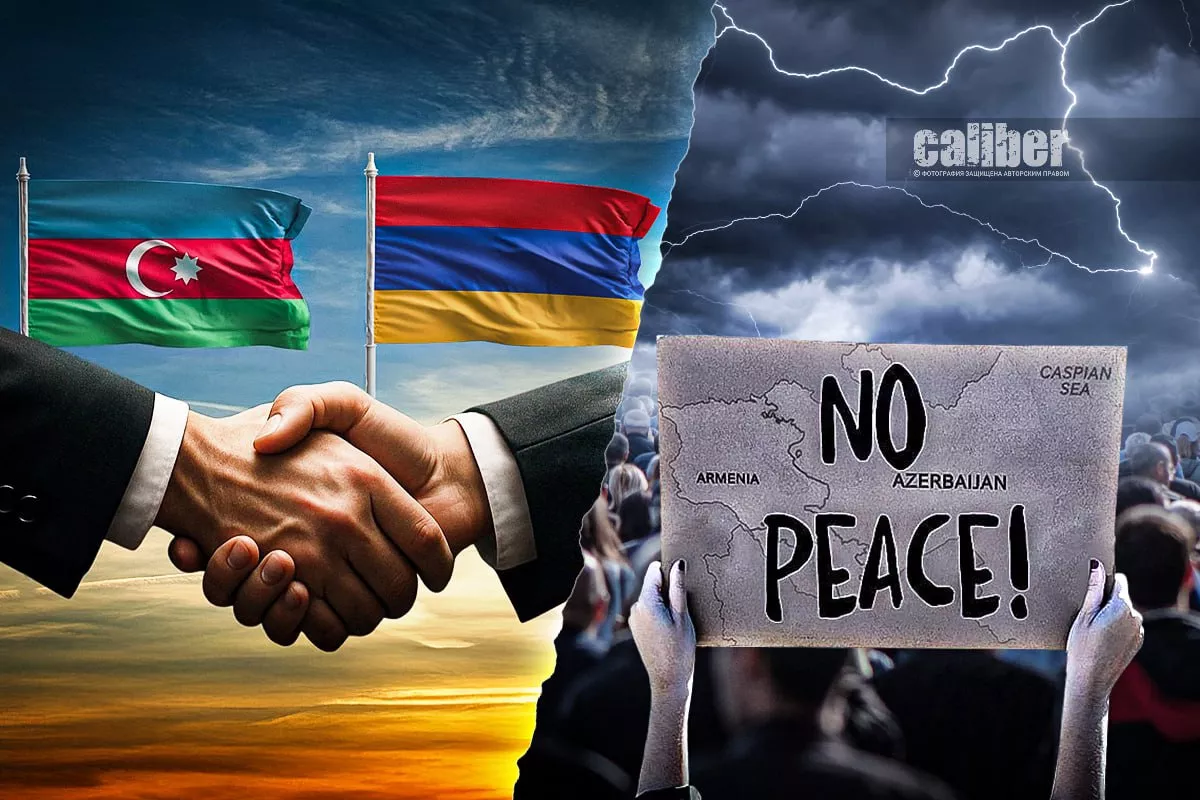
The revanchist alternative was on the table, backed by financing, external media support, and its own electorate — and it lost decisively. What was defeated was not only specific figures such as Kocharyan or Karapetyan, but the broader model of political behaviour that kept Armenian society trapped in illusions for three decades. The voter who cast their ballot chose to distance themselves from this approach, having recognised that promises of revanche are supported by little more than nostalgia and the interests of third countries, for whom instability in Armenia serves external agendas rather than Armenia itself. In many ways, the vote for the “party of peace” was also a vote against the use of the country in someone else’s games.
At this point, it is worth recalling something that is often downplayed in the Armenian public discourse: the peace initiative was put forward by the side that won the war. The victor proposed not diktat, but negotiations, and outlined the basic principles of a future peace framework — mutual recognition of territorial integrity, renunciation of claims, delimitation of the border, and the unblocking of communications. In the history of post-war settlements, this is not a common scenario: usually, peace terms are dictated unilaterally by the victor, while the defeated side either accepts them or attempts to sabotage them. Baku chose a different path, and this choice proved strategically far-sighted. A peace process in which both sides take part in shaping the outcome has a chance to outlast changes of government; a peace imposed by force lasts only until the next attempt at revenge.
It is also important that the peace rhetoric of Nikol Pashinyan over these years was sustained by concrete steps taken by the Azerbaijani side, which made it tangible for Armenian society. Following the historic meeting in Washington, the border between the two countries remained calm — without shelling or incidents, without the kind of background tension that fuels any “party of war.” The lifting by Baku of restrictions on the transit of goods for Armenia through Azerbaijani territory effectively opened a way out of the communications blockade for Yerevan.
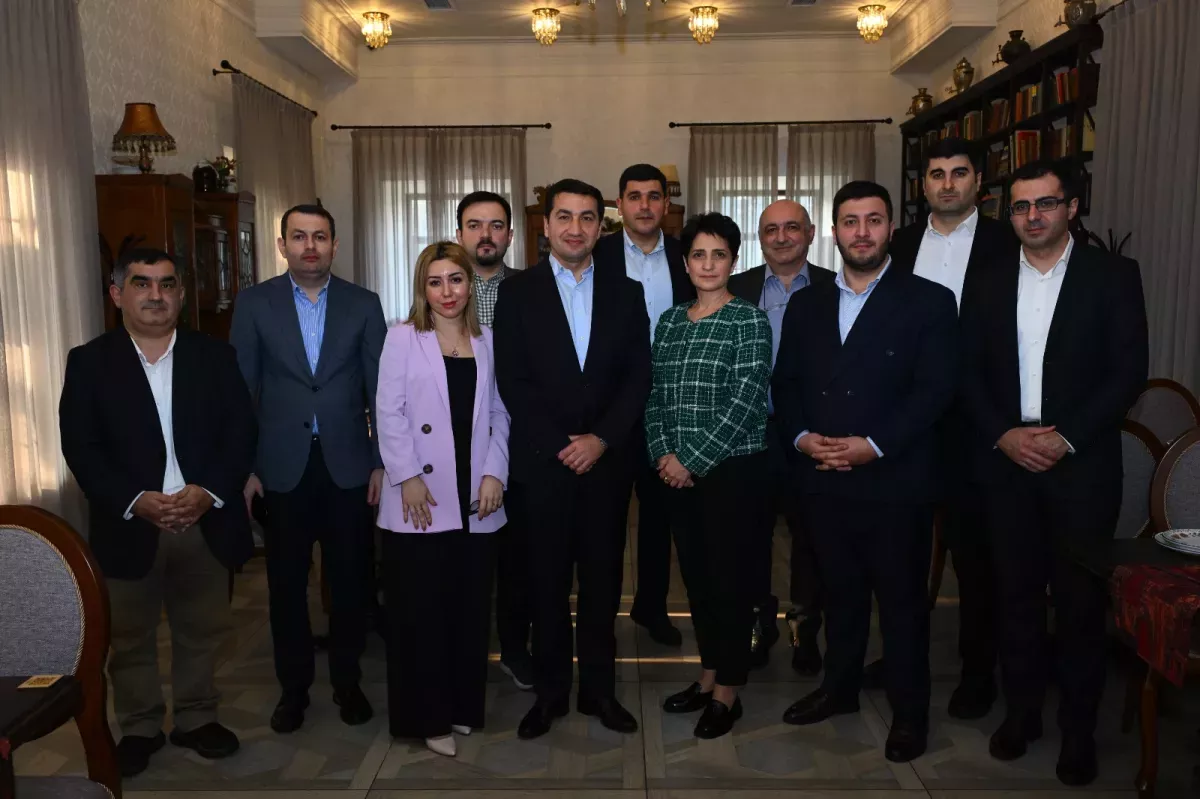
A tangible opportunity for trade and direct contacts has emerged: Azerbaijani fuel has begun to flow into the neighbouring country, and meetings between civil society representatives have been held in Baku, Yerevan, and Gabala within the framework of the “Bridge of Peace” initiative. Each of these steps has served as proof for the Armenian electorate that peace is not a trap, but a workable environment in which one can live and build. Pashinyan spoke about peace, but it was the Azerbaijani side’s actions that gave this peace substantive content.
However, while the election results close one question, they open the next chapter: Armenian society has expressed its support for a peaceful trajectory — now Baku expects the Armenian state to complete this course in a practical and legal dimension. And the first task facing the new government is to definitively dismantle the remnants of structures linked to Karabakh separatism, which continue to exist in Armenia in a semi-legal form. As long as these fragments of the so-called “NKR,” which has long ceased to exist and is unrecognised by anyone, physically remain within Armenia’s political space, they will serve as a rallying point for any future revanchist wave. Their elimination within the republic is a key indicator of the irreversibility of the chosen path.
The same logic extends beyond Armenia’s borders as well. Separatist “representations” and “institutions” that have operated for years in Russia, France, the United States, and a number of other countries as façade structures of a never-existing statehood should be dismantled at the initiative of Yerevan. At present, the Armenian state officially distances itself from them, but does not take concrete steps to shut them down. In other words, there remains a gap between declaration and practice — a space in which an infrastructure for the potential revival of the conflict continues to exist: Swiss initiatives, European Parliament resolutions, nostalgic monuments on foreign soil. Only the Armenian authorities themselves can seal this gap.

The key point is, without a doubt, the reform of Armenia’s Basic Law. In the near term, Yerevan will have to hold a referendum and adopt a new constitution without references to the declaration on which the entire idea of “miatsum” was based, thereby legally closing the chapter on territorial claims against Azerbaijan. This is the threshold beyond which peace becomes irreversible. All previous steps — statements, meetings, and the Washington-initialled text — are certainly important, but the final defining point must be constitutional amendments.
Thus, the Armenian voter has done their part; now the responsibility lies with the Armenian government holding a parliamentary majority, which has received a mandate specifically for peace, and with whether it has the resolve to see the process through to the end rather than stopping, as has happened before, halfway between a war that was lost and a peace that was never fully consolidated.







 editor@caliber.az
 +994 55 444-88-98
 Азербайджан, Баку, ул. Низами, 203, Af Business House, 5-й этаж