










Memory, politics, and miscalculation What lies behind the crisis between Warsaw and Kyiv?
A highly alarming signal for the entire Polish–Ukrainian partnership has recently come from Warsaw, at a time when Ukraine remains heavily dependent on Poland's support—political, military, logistical, and humanitarian alike.
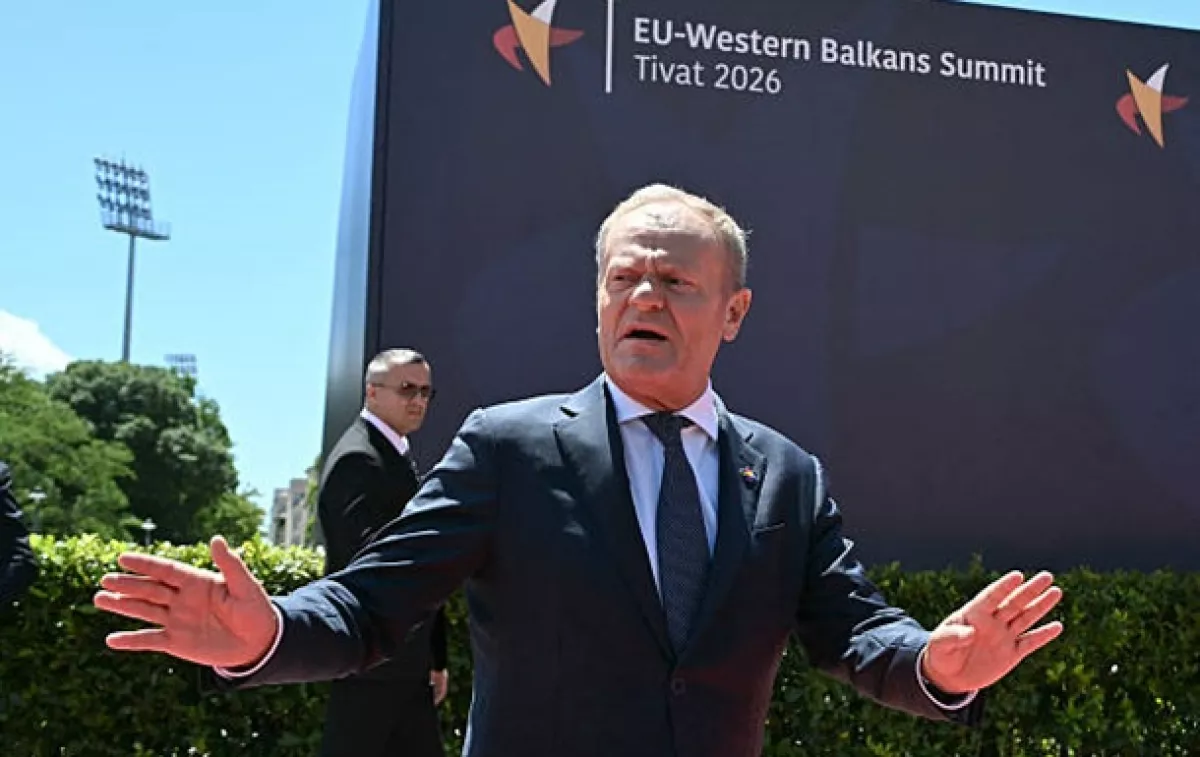
Prime Minister Donald Tusk stated that Kyiv itself bears responsibility for the deterioration of relations between the two countries. His warning that, in the absence of a compromise, “empathy will be replaced by hard business” effectively signals a shift toward a more pragmatic and less amicable model of cooperation.
The immediate trigger for the crisis was President Volodymyr Zelenskyy’s decision to confer upon the Separate Special Operations Center North of Ukraine’s Special Operations Forces the honorary title “Heroes of the Ukrainian Insurgent Army.” The unit in question has been actively engaged in combat operations since 2014 and has earned a reputation as a capable and effective military formation. However, the symbolic significance of this move has proven far more consequential than its military dimension.
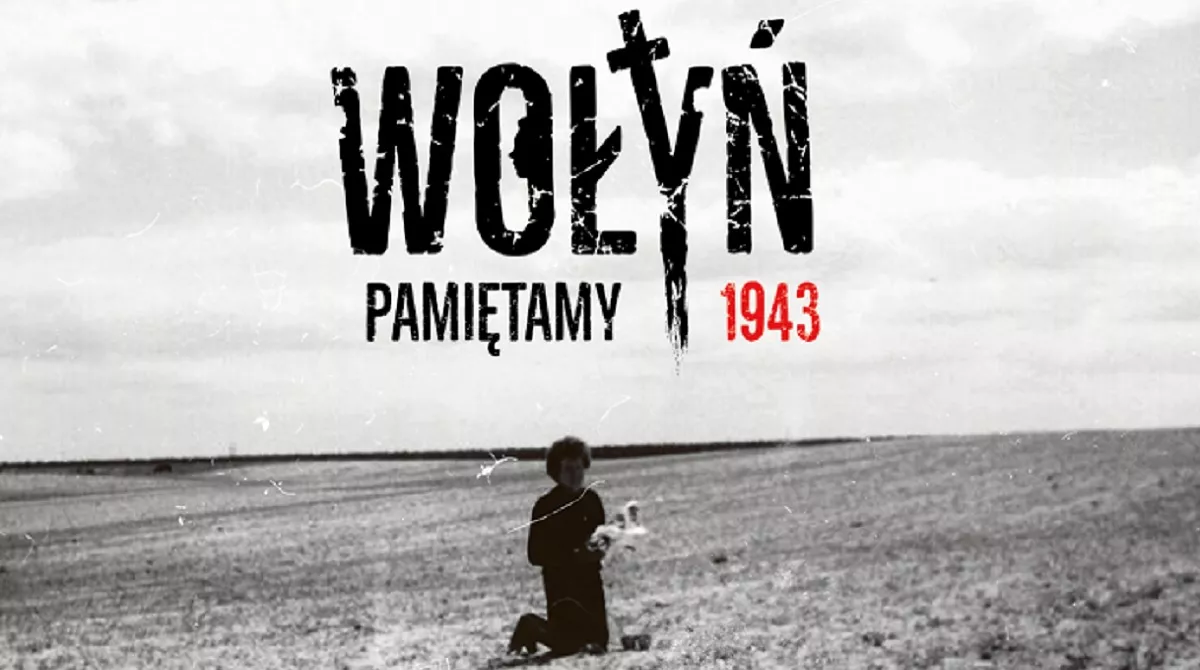
For Poland, the issue of the Ukrainian Insurgent Army (UPA) remains deeply painful and politically sensitive. Collective memory of the Volhynia Massacres, in which tens of thousands of Poles lost their lives, is firmly embedded in Polish society and continues to play a significant role in political discourse.
Against this backdrop, Warsaw’s reaction was both predictable and, as subsequent developments have demonstrated, remarkably forceful. President Karol Nawrocki raised the possibility of stripping Volodymyr Zelenskyy of Poland’s highest state distinction, the Order of the White Eagle. His spokesperson, Rafał Leśkiewicz, described the Ukrainian decision as “scandalous” and characterized the UPA as a “criminal organization.” Meanwhile, Lech Wałęsa publicly withdrew his support for Zelenskyy and symbolically removed the Ukrainian flag from his clothing in protest.
All of this suggests that the issue is not merely an isolated diplomatic misunderstanding, but rather a deep-seated clash of historical narratives that has been deliberately brought to the forefront at a highly unfavorable moment for Ukraine. The country has been engaged in a full-scale war with Russia for more than four years and remains critically dependent on external support.
Within this framework, Poland occupies a pivotal position. Its territory serves as a key transit route for military supplies and humanitarian assistance, making it an essential hub in the logistical networks that sustain Ukraine’s defense capabilities. Under such circumstances, any action capable of provoking irritation or triggering a political crisis in relations with Warsaw should have been assessed with the utmost care and strategic foresight.
Official Kyiv should, by all accounts, have anticipated the reaction that a decision involving the glorification of the UPA would provoke. The historical context surrounding this issue has been well known for decades, the positions of both sides have long been clearly defined, and the sensitivity of Polish society to such matters is beyond dispute. Yet the situation has unfolded as it has. Compounding the problem is the fact that the Polish side is not merely reacting to the controversy but is also using the crisis as a means of exerting political pressure.
Against this backdrop, it is particularly revealing that the Ukrainian authorities now appear to be seeking a way to walk back their original decision. During a visit to Poland by Kyrylo Budanov—who, notably, received a rather cool reception—the parties discussed the possibility of modifying the unit’s honorary title. One compromise proposal involved limiting the reference to those members of the UPA who fought against the Soviet Union. However, the very fact that such discussions have taken place suggests that the initial decision may have been politically miscalculated.
Notably, within Ukrainian political discourse, there have previously been attempts to soften one-sided interpretations of the history of the Second World War. For example, former head of the Ukrainian Institute of National Remembrance, Volodymyr Viatrovych, emphasized that collaboration was a phenomenon characteristic of the entire occupied Europe, and that representatives of many nations ended up in various formations for different reasons. A similar position was held by former Ukrainian Ambassador to Poland, Andrii Deshchytsia, who stressed the need for a comprehensive approach to historical memory. However, such arguments, even if they are academically grounded, have very limited impact in the political sphere, especially when it comes to national trauma. In Poland, as noted above, the issue of the UPA has long moved beyond academic discussion and has become part of national identity, which is why any attempts to reinterpret it from the outside are perceived as a challenge.
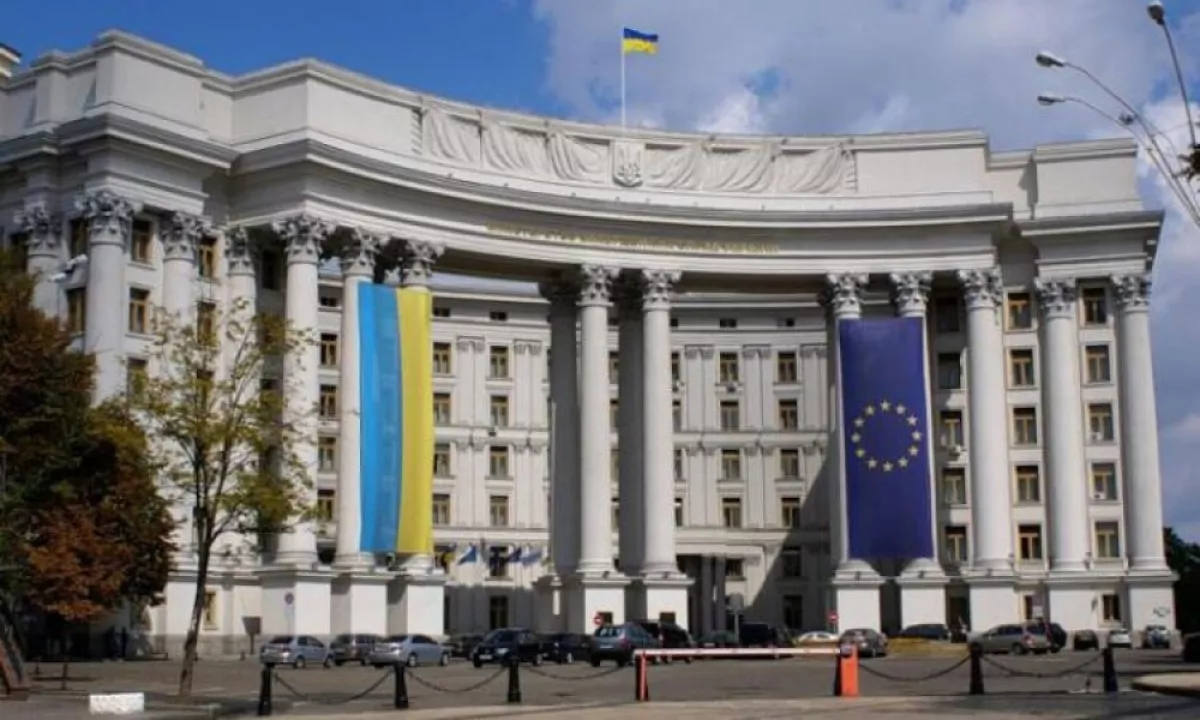
Thus, we are dealing with a classic example of a political miscalculation resulting from an underestimation of the symbolic factor. A decision that could have sparked an active debate even in peacetime has, under wartime conditions, acquired a critically dangerous character and has not only provoked a diplomatic crisis but also created additional risks for Ukraine’s national security.
The only beneficiary of this situation is Russia, which is interested in a split between allies. The weakening of Polish-Ukrainian partnership is a strategic bonus for Moscow, which it would hardly have been able to achieve by other means. Under such circumstances, one can only hope that Kyiv’s ongoing efforts will lead to a compromise that will preserve the strategic partnership between the two states.
However, the very fact of what has occurred should serve as a serious lesson, since in wartime even symbolic decisions can have consequences comparable to military and political failures. Accordingly, such steps must be taken not only with regard to domestic considerations, but also with an understanding of their international resonance. Otherwise, the cost of error may prove excessively high.







 editor@caliber.az
 +994 55 444-88-98
 Азербайджан, Баку, ул. Низами, 203, Af Business House, 5-й этаж