










Africa in Ankara’s focus: energy, security and a new geopolitics of partnership Analysis by Artem Kirpichenok
The visit of Niger’s President Abdourahamane Tchiani to Türkiye once again highlighted the recent shifts in Ankara’s African policy agenda in recent years. According to Turkish media, the arrival in the Turkish capital on a working and friendly visit by the leader of this country is seen not only as a protocol diplomatic event, but also as one of the signs of a new era in the Republic of Türkiye’s relations with Africa as a whole.
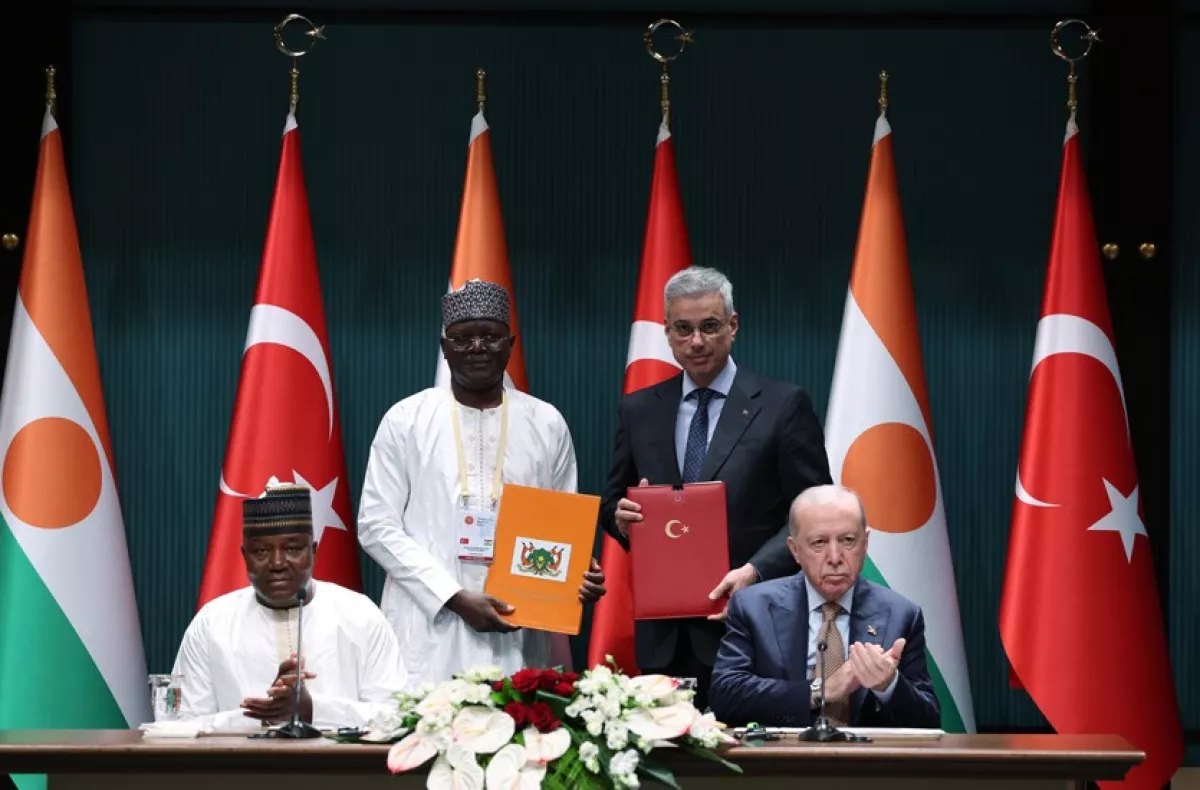
The above-mentioned point was vividly reflected in the official welcoming ceremony: Recep Tayyip Erdoğan received his counterpart at the Presidential Complex in Beştepe, while Tchiani’s convoy was escorted to the ceremonial gates by a mounted honour guard. The ceremony included the playing of the national anthems of both countries and a traditional 21-gun salute.
The Nigerien delegation included ministers of defence – Salifou Modi, foreign affairs – Bakary Yaou Sangaré, economy and finance – Maman Laouali Abdou Rafa, public health – Garba Hakimi, and mining – Ousmane Abarchi, as well as other senior officials. The Turkish side was represented by the ministers of energy and natural resources – Alparslan Bayraktar, national defence – Yaşar Güler, health – Kemal Memişoğlu, industry and technology – Mehmet Fatih Kacır, and other officials. All of this collectively further underscored the significance of the visit by the leader of one of the African states.
During Tchiani’s visit, a number of agreements were signed in the fields of education, healthcare, trade, and diplomacy. These agreements include the establishment of a Commission on Economic and Trade Partnership, joint activities in the development of higher education, research and innovation, the joint management of the Niger–Türkiye Friendship Hospital, and the strengthening of cooperation between the diplomatic structures of the two countries under a memorandum of understanding between the Turkish Ministry of Foreign Affairs Diplomatic Academy and the National Institute for Diplomatic and Strategic Studies of Niger. In addition, during the talks, the parties discussed cooperation in defence, security, investment, and trade. In this context, particular attention is given to energy and mineral extraction, driven by a number of factors.
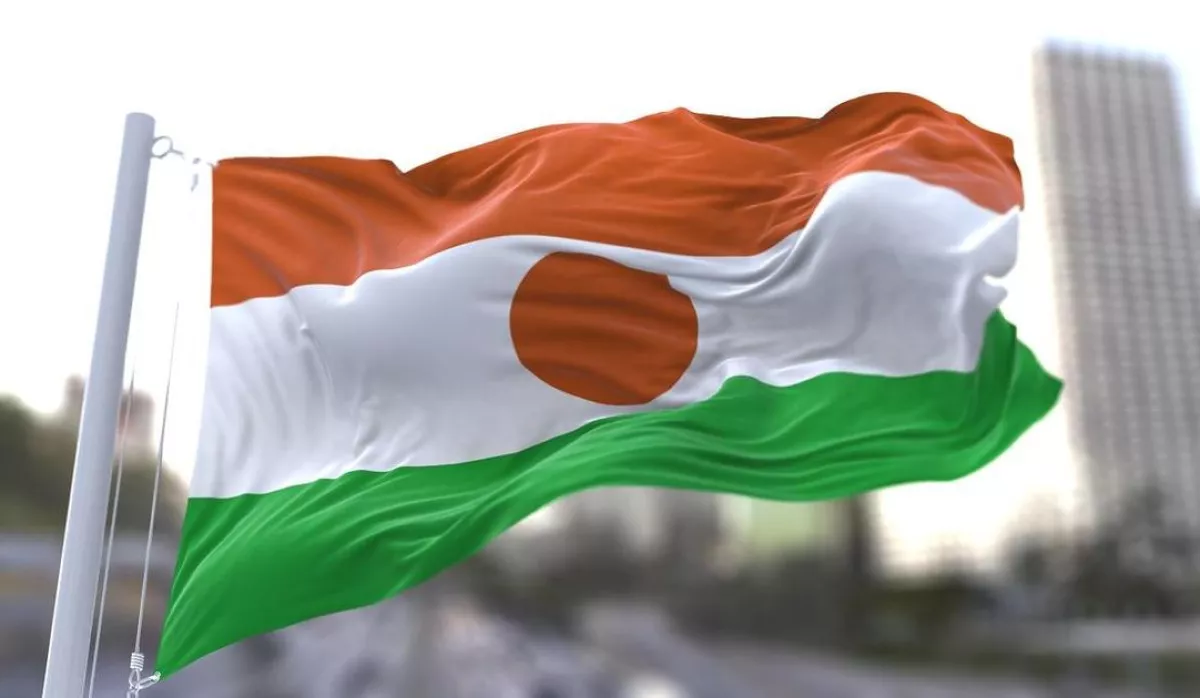
Located in the heart of the Sahel region, which in recent years has been associated with military coups, weakening state institutions, the activity of organisations linked to Al-Qaeda and ISIS, and local public backlash against Western military presence, Niger is one of the world’s major producers of uranium. In this context, given Türkiye’s strategic goals in nuclear energy and the construction of the Akkuyu Nuclear Power Plant, cooperation with Niger is of significant importance for the long-term energy security of the Turkish state.
In addition, Niger possesses critical minerals essential for the transition to clean energy, such as lithium, cobalt, nickel, tin, tantalum, and rare earth elements. However, the country’s government does not want these resources to be extracted and exported solely as raw materials. For this reason, it seeks to expand local processing capacities, gain access to technology, and increase the value added in mineral extraction. In this context, deepening ties with Türkiye is viewed in Niamey as a tool for national development and for diversifying its external partnerships.
At the same time, Niger is part of a broader transformation in Türkiye’s Africa policy, which has designated relations with Africa as one of the key directions of its multifaceted foreign policy. Importantly, Ankara places strong emphasis on the principle of “African solutions to African problems”, seeking to act not as a dictating hegemon, but as a reliable intermediary and partner supporting peace initiatives of the African Union. This position stands in contrast to Western countries and their policies of active intervention in the internal affairs of states.
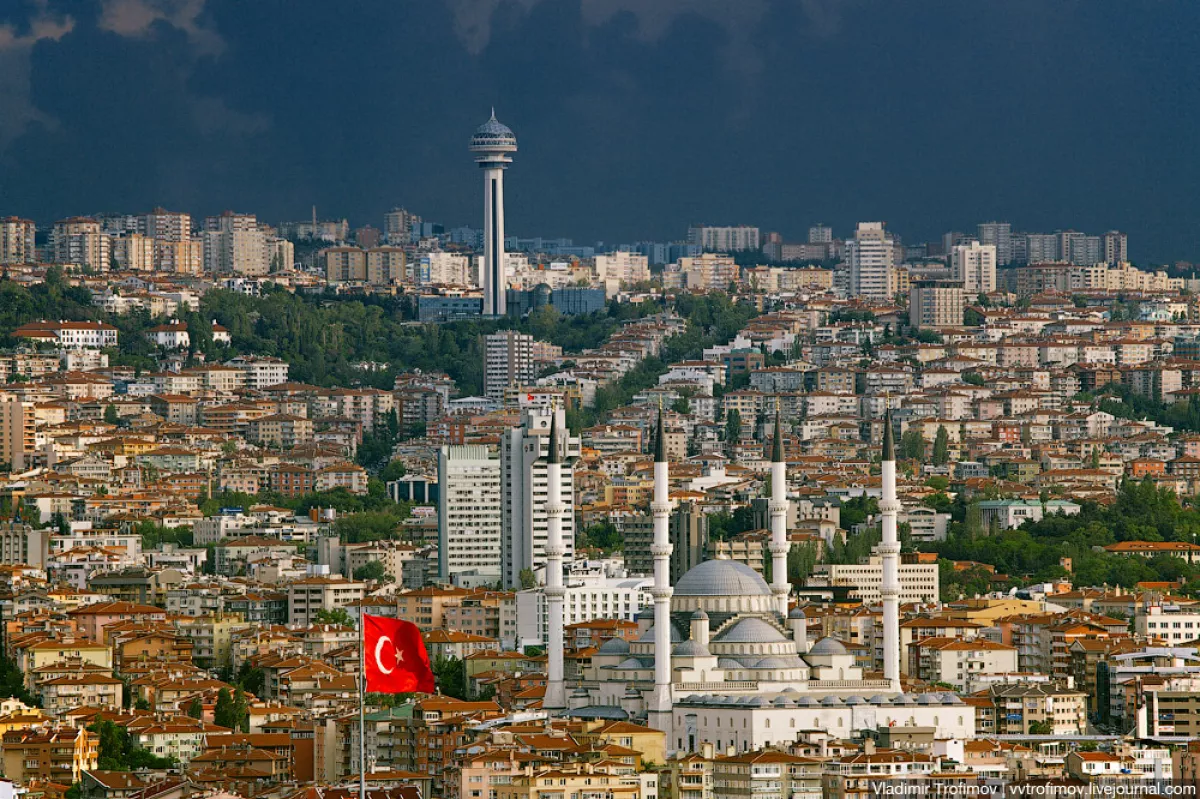
At the same time, the Republic of Türkiye does not limit its relations with African countries to intergovernmental diplomacy. The private sector and non-governmental organisations are also among the actors strengthening its presence in Africa. This approach demonstrates that Ankara is shifting its Africa policy from the concept of short-term humanitarian assistance towards long-term projects.
In this context, Tanzania can be cited as an example illustrating how relations are being diversified through trade, infrastructure, institutional development, and cultural engagement. The fact that Turkish companies are actively involved in infrastructure projects in this East African country allows Türkiye to be viewed as a partner interested not only in trade, but also in making a meaningful contribution to development and modernisation. Soft power also plays a significant role, particularly cultural influence; in this regard, the popularity of Turkish television series in Tanzania is seen as one of the factors strengthening Ankara’s position in the country.
However, and this should not be overlooked, the process of expanding Turkish influence in Africa is associated with risks: security- and defence industry-oriented business associations are strengthening the Republic of Türkiye’s weight on the continent, and this may provoke dissatisfaction and countermeasures from other states in the international arena.
Overall, in conclusion, it can be said that President Tchiani’s visit to Ankara is an indicator of a shift in Türkiye’s African foreign policy vector—from openness to partnership, from humanitarian assistance-oriented relations to corporate and business-driven engagement, and from limited economic contacts to full-scale cooperation covering a wide range of sectors. Thus, relations along the Türkiye–African countries axis are becoming increasingly multidimensional, which also reflects the growing geopolitical significance of the African continent itself.







 editor@caliber.az
 +994 55 444-88-98
 Азербайджан, Баку, ул. Низами, 203, Af Business House, 5-й этаж