










Xi Jinping visits North Korea China’s strategic coordination in a changing Asia
The two-day state visit by Xi Jinping to Pyongyang, which concluded recently, has become one of the most significant diplomatic events in East Asia in recent times. Formally, the trip was timed to coincide with the 65th anniversary of the Treaty of Friendship, Cooperation and Mutual Assistance between China and the DPRK, but its significance proved to be far broader than its anniversary symbolism.
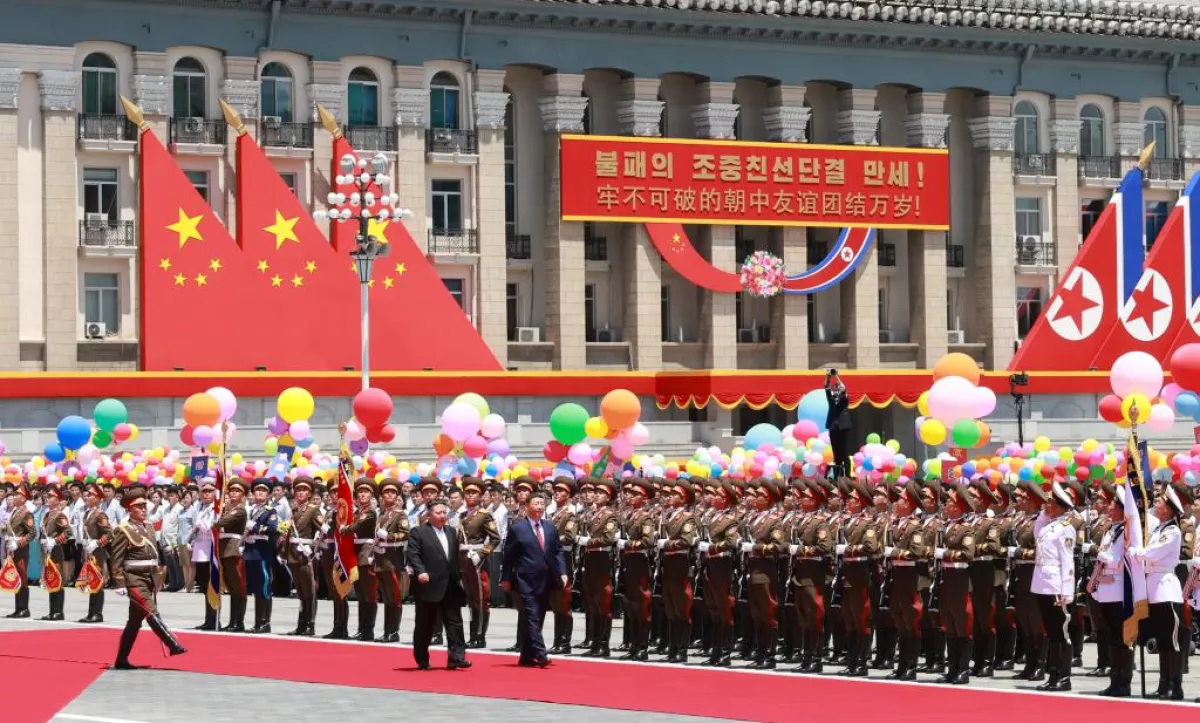
During the talks, the two sides agreed to deepen strategic coordination, expand cooperation in trade, agriculture, technology, and construction, and intensify contacts between ruling parties and armed forces, as well as hold joint events marking the anniversary of the alliance treaty. Xi Jinping stated his readiness to elevate relations to a “new historical stage,” while Kim Jong Un described the development of ties with China as Pyongyang’s “most important strategic direction.”
This was the first visit by a Chinese leader to North Korea in seven years, and the very fact of it underscores that, after a period of noticeable cooling, Beijing and Pyongyang are seeking to adapt their relations to the changing international environment. Only a few years ago, many analysts were inclined to speak of a serious deterioration in China–North Korea ties. This was driven by Pyongyang’s nuclear tests, which irritated Beijing, and Kim Jong Un’s efforts to reduce dependence on China. Against the backdrop of the pandemic and sanctions, contacts between the two countries sharply declined, and following North Korea’s rapid rapprochement with Moscow, Western observers began to argue that China was gradually losing its monopoly of influence over the DPRK.
It is no coincidence that during the visit, the issue of denuclearisation was virtually absent, although as recently as 2019, Xi Jinping had openly spoken about the need to advance towards a nuclear-free Korean Peninsula. In other words, the current visit reflects a more complex picture. Beijing understands that it is impossible to fully control Pyongyang, but at the same time recognises that neither Russia nor any other actor is capable of replacing China’s role in North Korea’s economy. China remains the DPRK’s main trading partner and a critical source of food, textiles, fuel, and other elements of the country’s external economic lifeline. For Pyongyang, this means that even with expanding cooperation with Moscow, a strategic break with China is impossible.
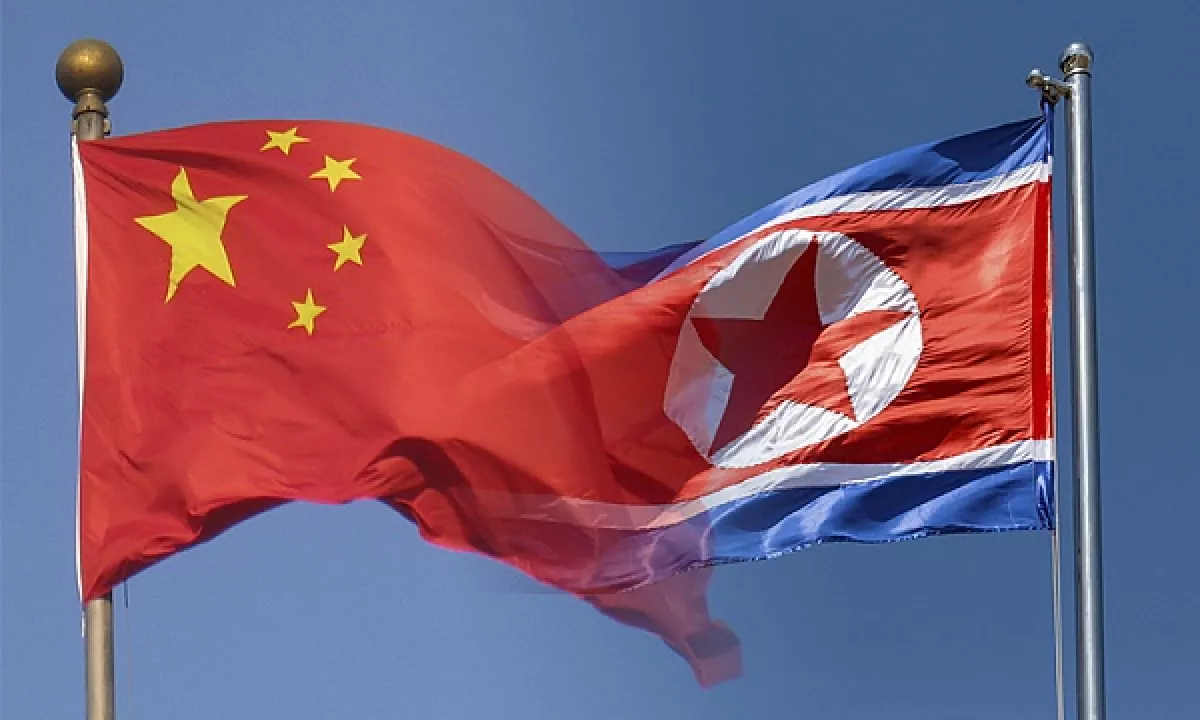
Thus, China is demonstrating a willingness to temporarily set aside its previous demands in order to preserve its strategic partnership with the DPRK, which Beijing increasingly views as an element of the regional balance of power amid intensifying confrontation with the United States. This perception is reinforced by the strengthening of U.S. alliances in Asia, Washington’s cooperation with Japan and South Korea, and tensions surrounding Taiwan. In this context, the existence of a difficult but allied regime in Pyongyang acquires particular value for Beijing. North Korea diverts the attention of the United States and its allies, forcing Washington to allocate resources across multiple fronts simultaneously.
At the same time, Xi’s visit can be seen as a “coordination check” following his May talks with Donald Trump and Vladimir Putin. China is seeking to avoid a scenario in which the future of the Korean Peninsula is discussed without its participation. This is especially relevant to the possible resumption of dialogue between Washington and Pyongyang, which the U.S. president has mentioned on several occasions.
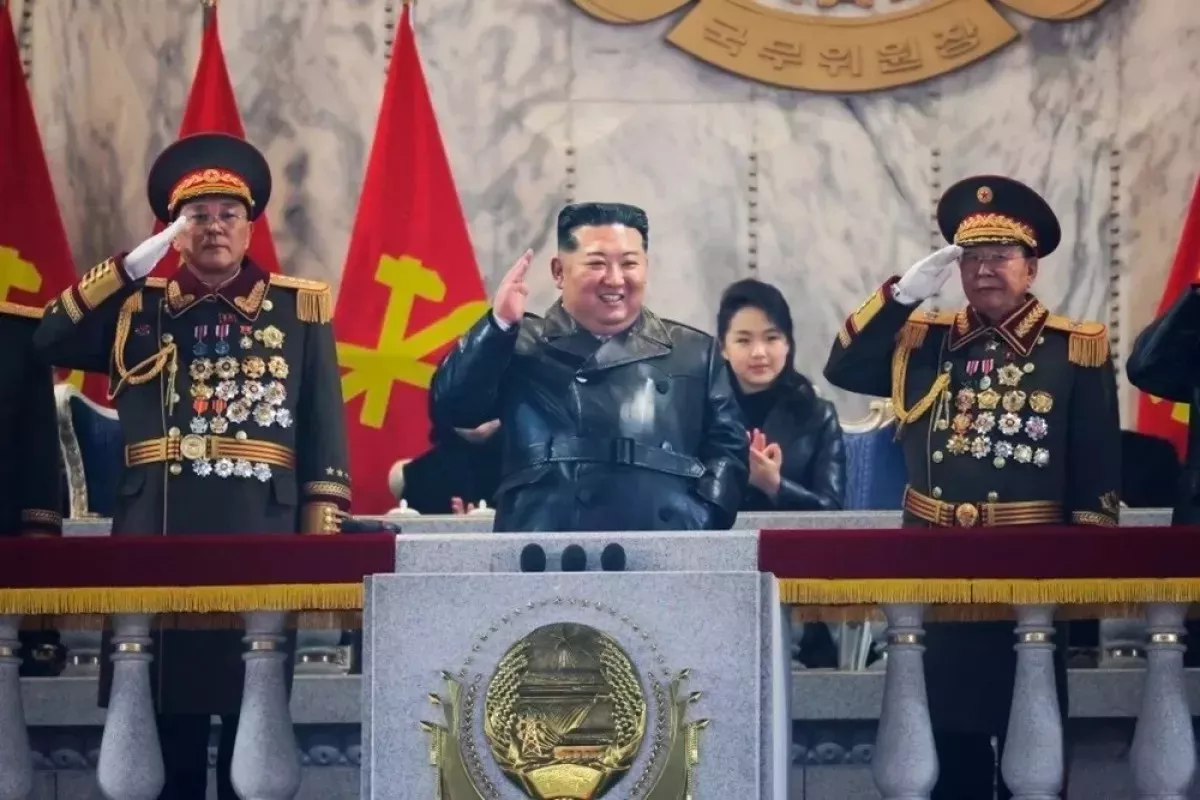
However, it is still premature to speak about the formation of a fully-fledged anti-Western bloc comprising China, Russia, and North Korea. The interests of the three countries do not fully coincide. China remains more cautious about North Korea’s nuclear programme than Russia and is not interested in excessive escalation near its borders. Pyongyang, in turn, has traditionally sought to preserve maximum autonomy even in its relations with allies.
After several years of uncertainty, China and North Korea are beginning to find common ground for cooperation that is based less on ideology and more on overlapping geopolitical interests. Beijing needs a stable partner on its northeastern frontier, while Pyongyang requires economic support and diplomatic cover. As a result, North Korea is gradually emerging from isolation and becoming a more consequential player in the wider geopolitical game in which the interests of China, Russia, and the United States intersect.







 editor@caliber.az
 +994 55 444-88-98
 Азербайджан, Баку, ул. Низами, 203, Af Business House, 5-й этаж