










Poland beyond prejudice: A journey that changed my mind Report from Warsaw
There are some prejudices we inherit without ever realising where they came from. Mine was about Poland. Despite being a European country and a member of the European Union, I had long regarded Poland through the outdated lens of its communist past. In my mind, it remained a country that had not quite caught up with Western Europe in terms of development and prosperity. Having lived in Germany for five years and travelled extensively across Europe, I had somehow never felt an urge to visit Poland. It simply did not seem like a destination that would surprise me.
I was wrong.
Sometimes all it takes is one journey to dismantle years of assumptions. My five-day study visit to Poland did exactly that.
From July 11 to July 16, I joined a group of four Azerbaijani journalists on a study tour organised by the Polish Embassy in Baku. The aim was to introduce us to modern Poland—its economy, culture, history and society. I expected to learn about the country. I did not expect the country to challenge my own perceptions.
First impressions
Our journey began with a flight through Istanbul to Warsaw. Waiting for us at the airport was our guide, Michał Bajorek—a remarkably knowledgeable, multilingual Pole whose fluent English and Russian immediately made communication effortless. Warm, energetic and genuinely passionate about his country, he would become much more than a guide over the following days; he became a storyteller who helped us understand Poland beyond statistics and guidebooks.
As our minibus drove toward the city centre, I instinctively looked outside, expecting to confirm my old stereotypes. Instead, they collapsed almost instantly.
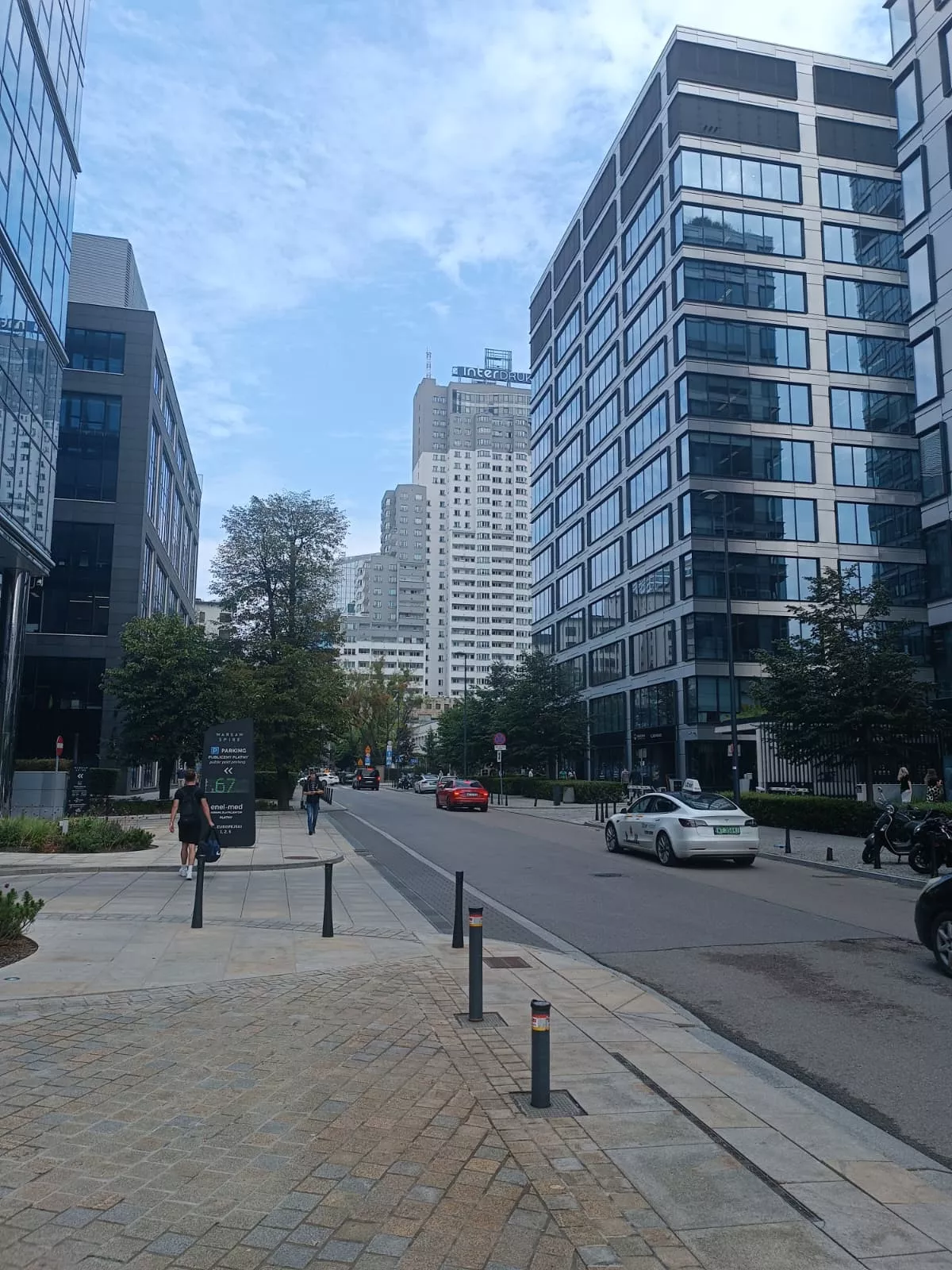
Warsaw appeared remarkably clean, orderly and modern. Wide boulevards, efficient transport, carefully maintained public spaces and contemporary architecture blended naturally with restored historic buildings. Nothing resembled the outdated image I had unconsciously carried for years. Rather than feeling like a country "catching up," Poland projected the confidence of a nation that had already found its place among Europe's developed economies.
Our hotel, a comfortable four-star property in the heart of Warsaw, became our base for the days ahead. After leaving our luggage, there was little time to rest. The city itself was waiting.
Where history breathes among trees
Our first destination was the Royal Łazienki Park. Approaching the park along Ujazdów Avenue, Michał pointed to government buildings that today house the Chancellery of the Prime Minister and other state institutions. During the German occupation, he explained, this elegant avenue became an exclusive district reserved for Nazi officials, while ordinary Poles were pushed away from their own capital.
The contrast between that dark history and today's peaceful boulevard was striking. Inside the park, Warsaw seemed to exhale.
Royal Łazienki is not merely a city park—it is an oasis where history and nature coexist in remarkable harmony. Ancient trees shaded winding paths, squirrels darted across the lawns, and ponds mirrored clouds drifting lazily across the summer sky.
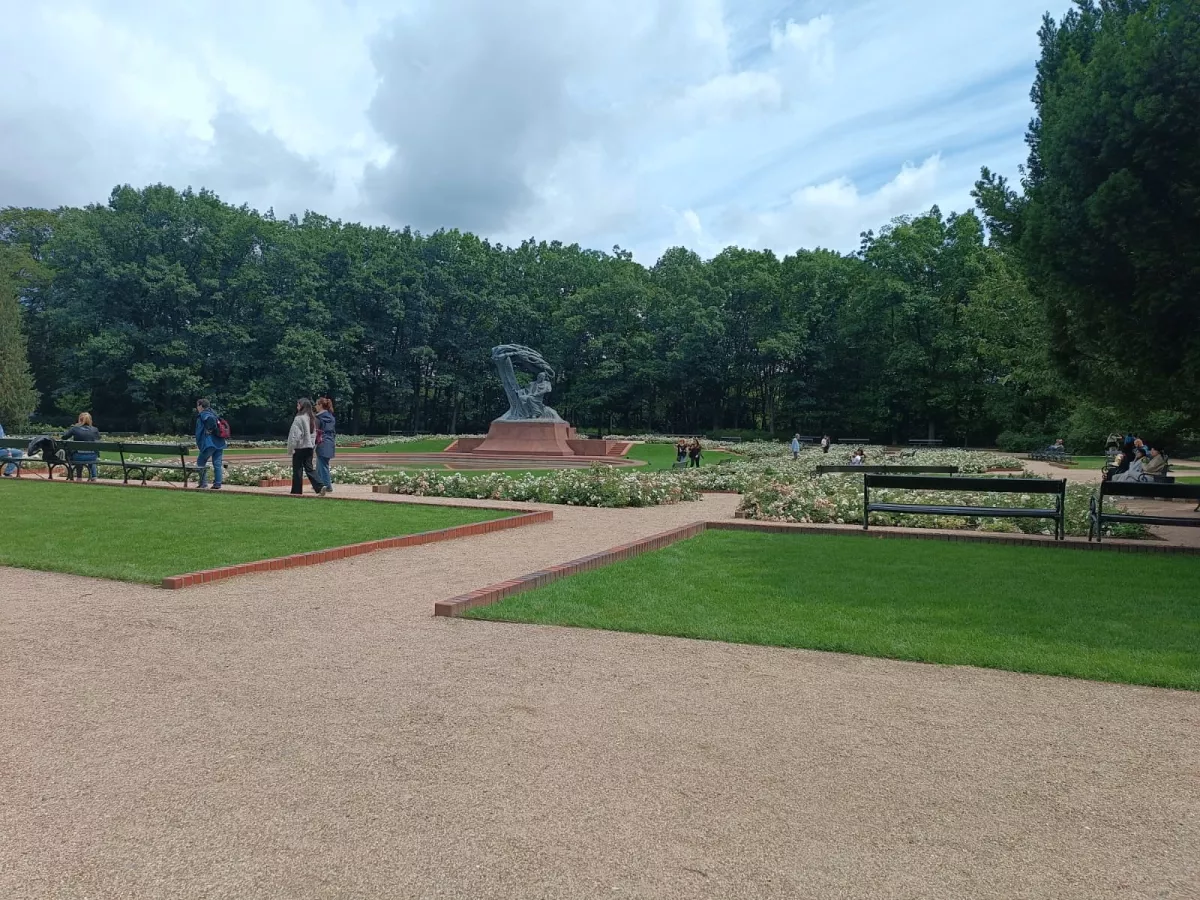
We stopped before the monument to Frédéric Chopin, Poland's greatest composer. Every summer, free open-air piano concerts are held here, allowing his music to float through the same park where generations of Varsovians have sought peace. It seemed a fitting tribute to a man whose compositions remain inseparable from the Polish soul.
Nearby stood the Palace on the Isle. Built in the eighteenth century for Poland's last king, Stanisław August Poniatowski, the elegant neoclassical residence appears almost to float upon the water. Reflections ripple beneath its graceful façade, creating the illusion of a palace suspended between earth and sky.
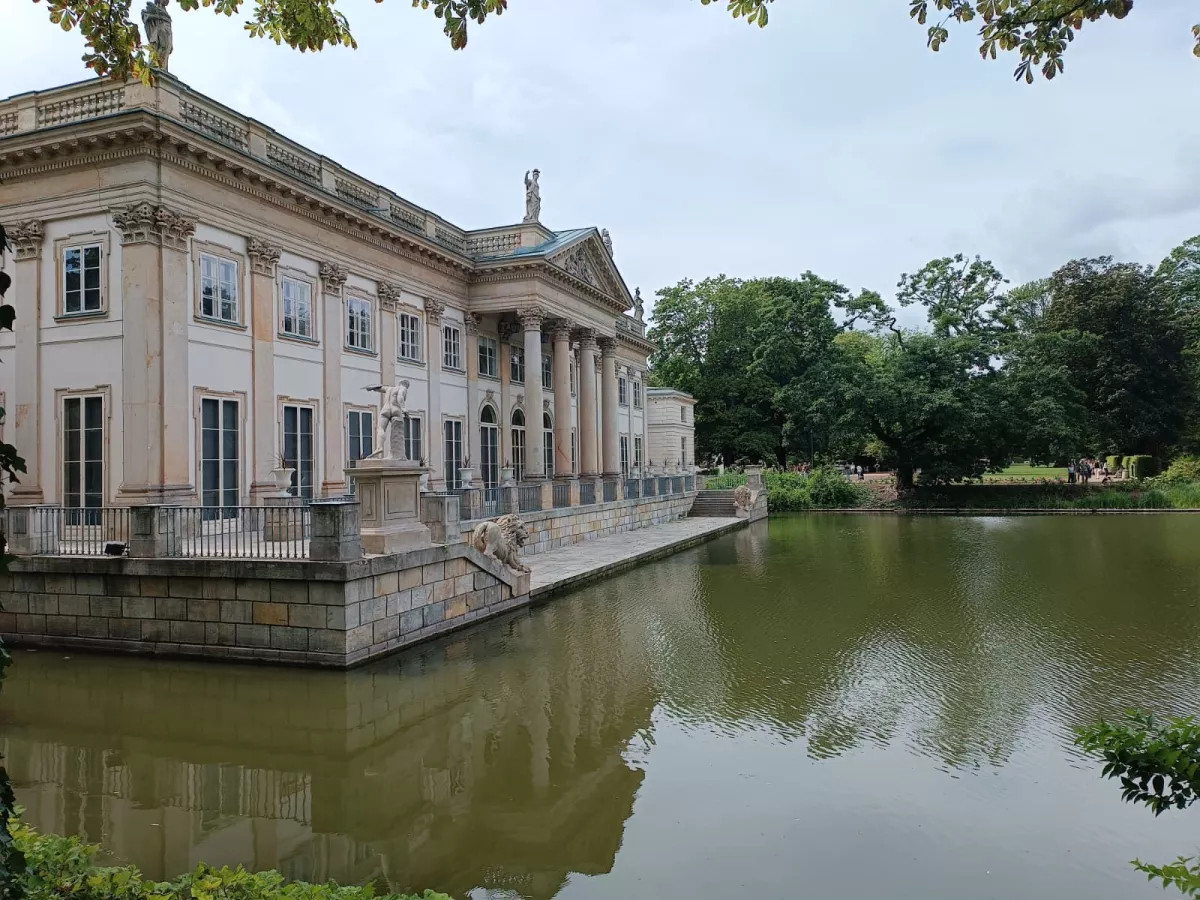
Yet beneath its beauty lies another story. When Nazi Germany systematically destroyed Warsaw after the 1944 Warsaw Uprising, the city was subjected to one of history's most deliberate campaigns of urban annihilation. Adolf Hitler ordered the Polish capital erased from the map. Block by block, monument by monument, church by church, German engineers planted explosives to reduce the city to rubble. The Palace on the Isle survived almost by miracle.
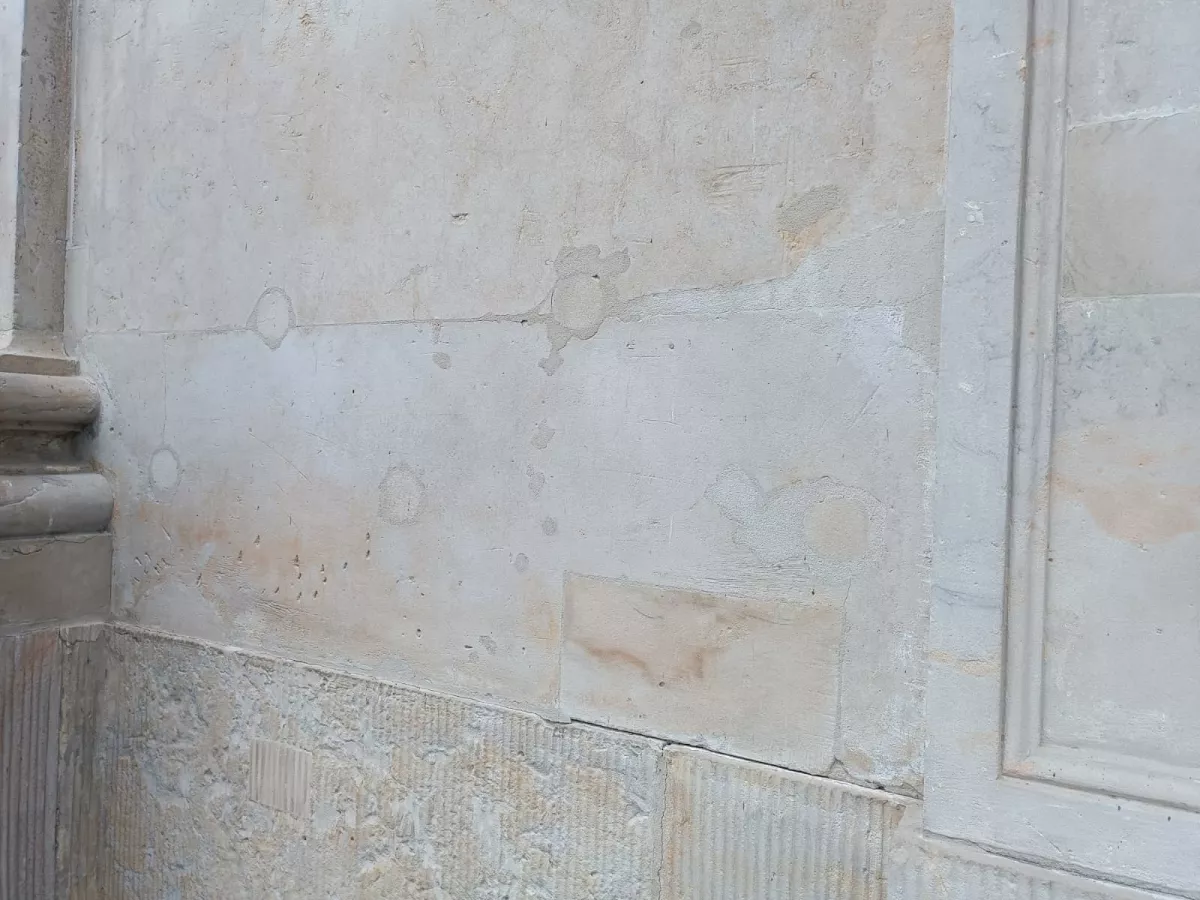
Today, careful visitors can still see small holes drilled into its walls—silent scars left by explosives that were prepared but never detonated before German forces retreated. They are tiny marks on magnificent architecture, yet they speak louder than many monuments.
Standing there, I realised that in Poland, history is not confined to museums. It is etched into stone.
A nation that refuses to forget
One impression remained with me throughout the entire visit. Poland remembers. Not in a way that seeks revenge, but in a way that insists on preserving memory.
Throughout our stay, we encountered museums, memorials and historical exhibitions dedicated to the victims of the Second World War, the Warsaw Uprising and the Holocaust. The suffering endured by both the Polish nation and Poland's Jewish community remains deeply embedded in the country's collective consciousness. For visitors, these places are educational. For Poles, they are moral obligations.
Perhaps this commitment to remembrance explains something deeper about modern Poland. A nation that remembers the price of losing its freedom is unlikely to take its independence for granted.
Where knowledge has no borders
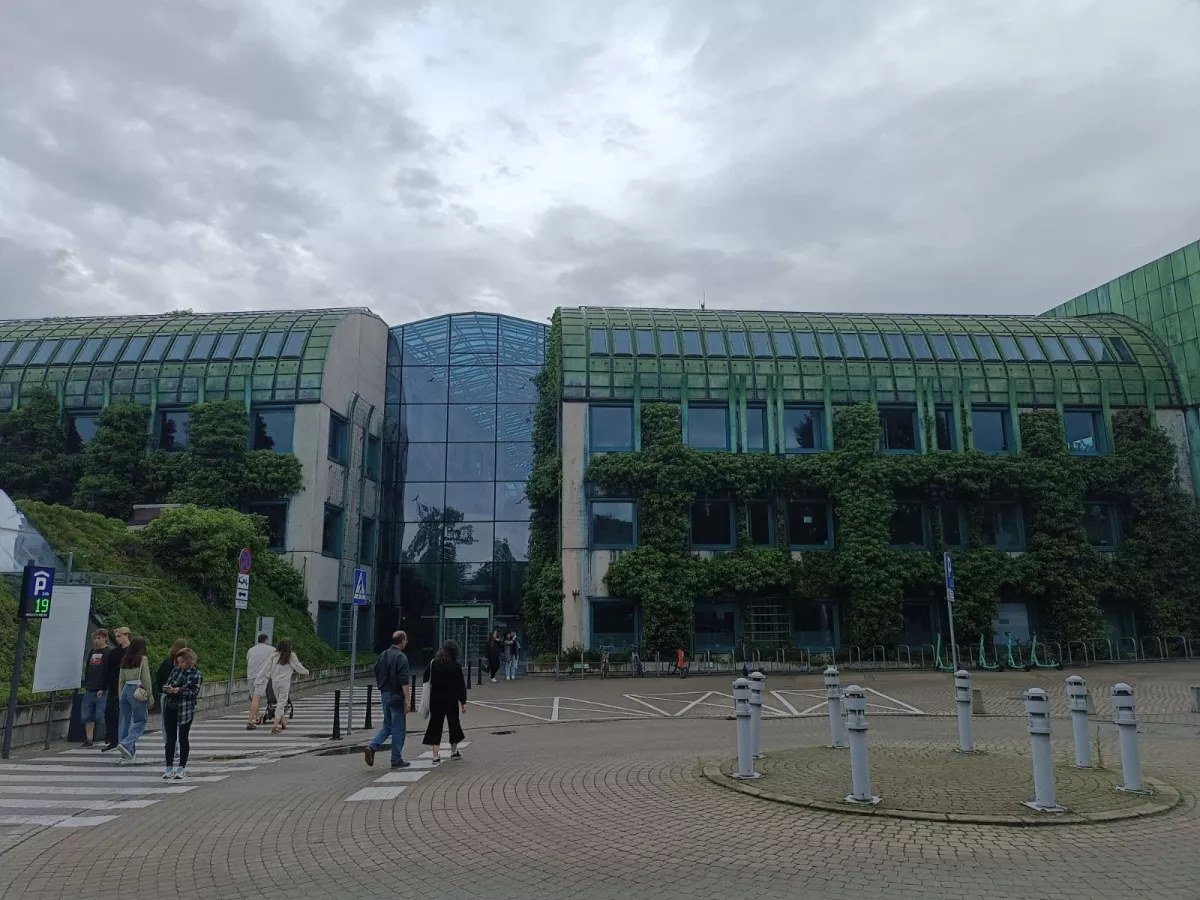
Later that afternoon we visited one of Warsaw's most unexpected landmarks—the rooftop gardens of the University of Warsaw Library. Far more than simply a university library, the building is a celebration of knowledge itself.
From its rooftop terraces, lush with greenery, Warsaw unfolded before us. The Vistula River curved gently through the city while church spires, glass office towers and residential districts blended into one harmonious panorama. The sky happened to be overcast.
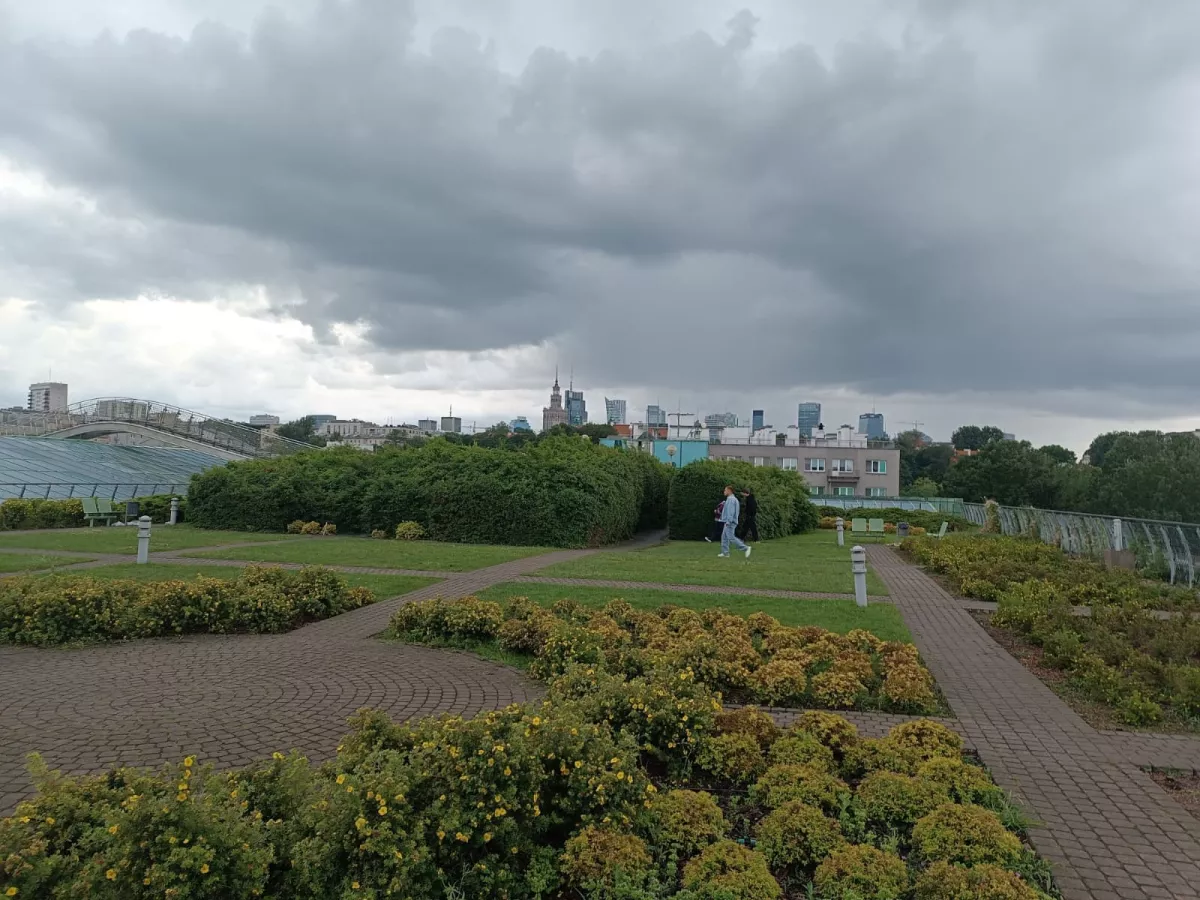
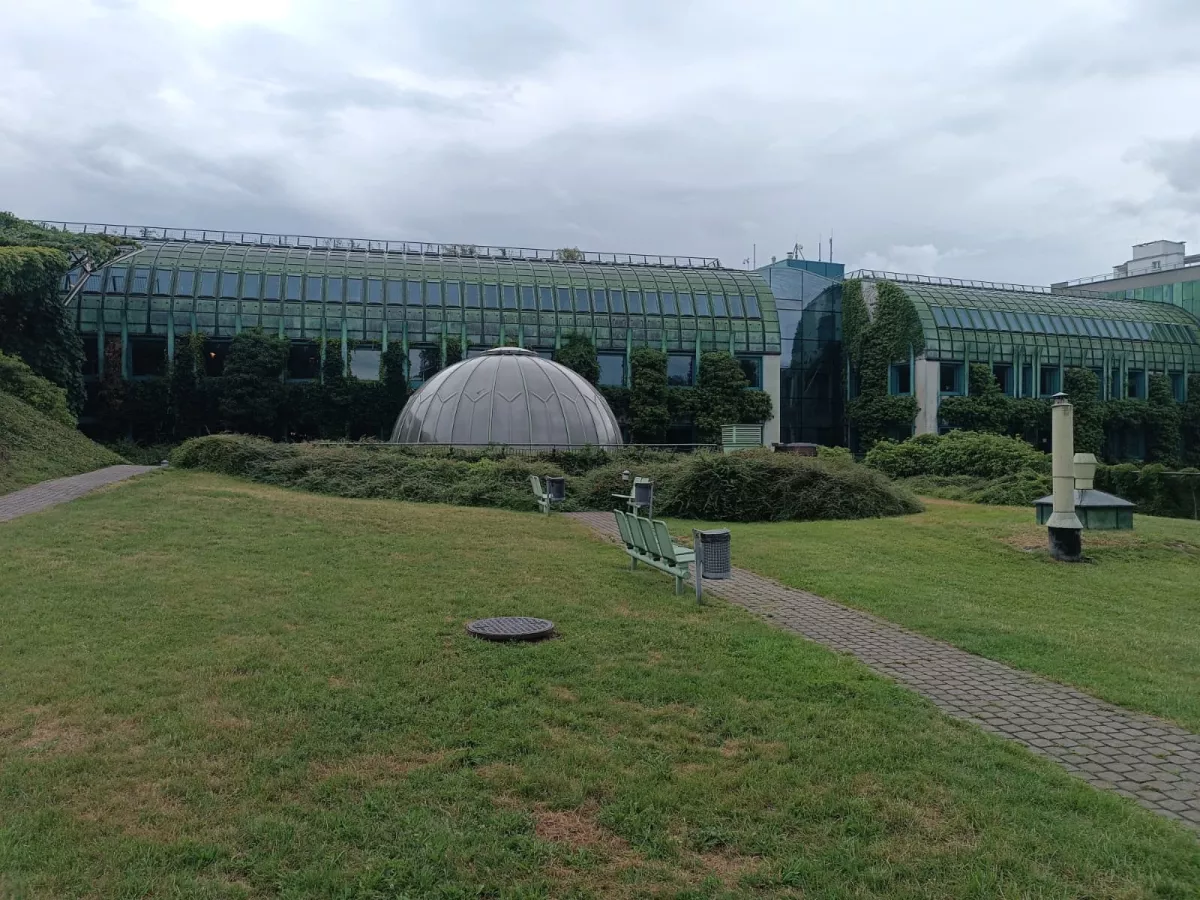
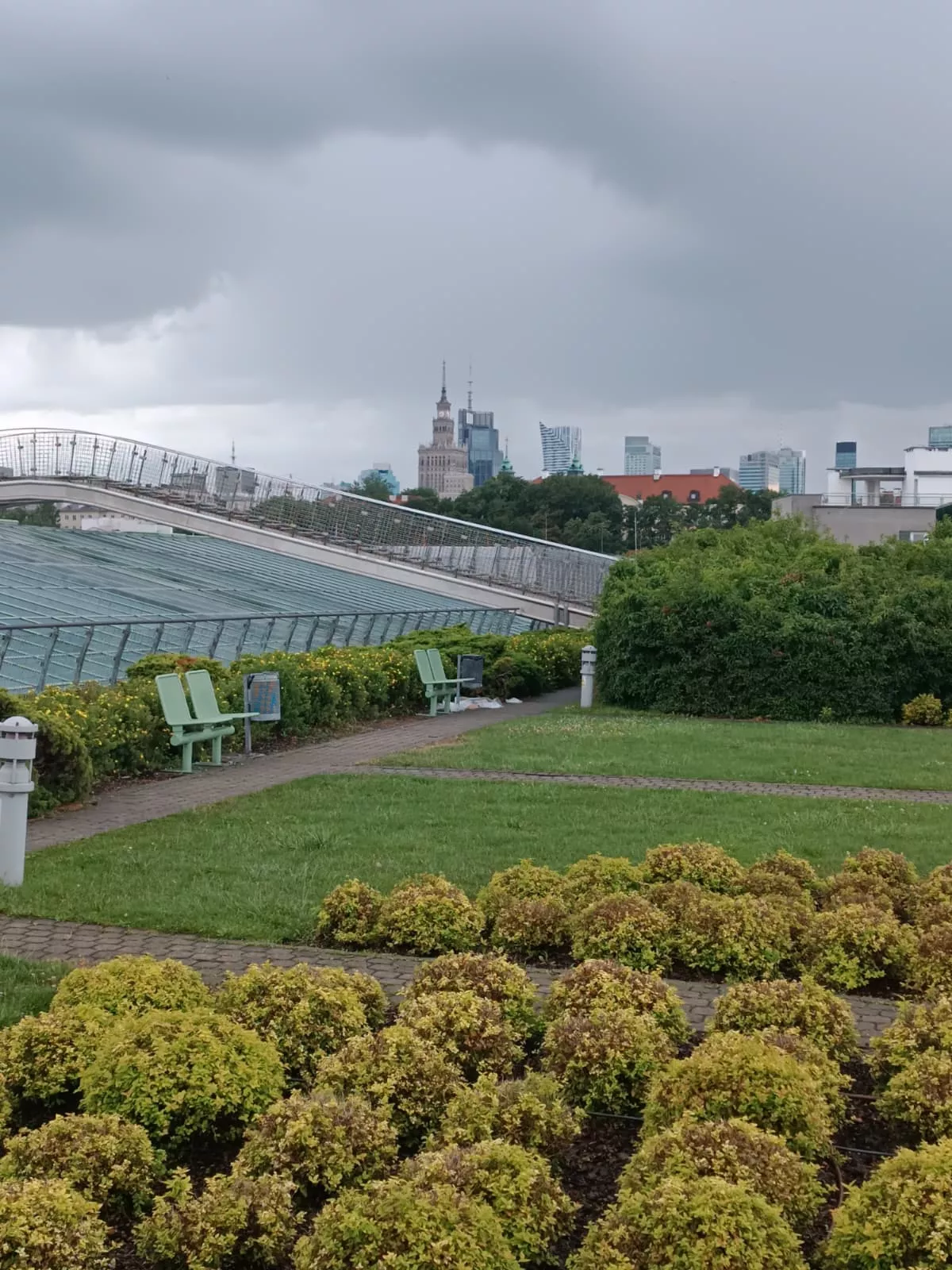
Normally tourists hope for sunshine, yet the gathering clouds gave the city an almost cinematic atmosphere. Soft light washed across rooftops while the river reflected shades of silver and blue.
Equally fascinating was the building's façade. Its monumental copper panels resemble the pages of giant books and feature excerpts from works spanning multiple civilizations, including Jan Kochanowski's Exposition of the Virtues (Old Polish), the Primary Chronicle (Old East Slavic), Plato's Phaedrus (Greek), Al-Jahiz's Book of Animals (Arabic), the Book of Ezekiel (Hebrew), and the Rig Veda (Sanskrit), alongside mathematical-physical and musical notation. Together, they convey a clear message: knowledge is the shared heritage of humanity, shaped by diverse cultures, languages and disciplines rather than any single civilisation. In an era increasingly marked by division, the symbolism felt quietly but profoundly powerful.
The city that rose from ashes
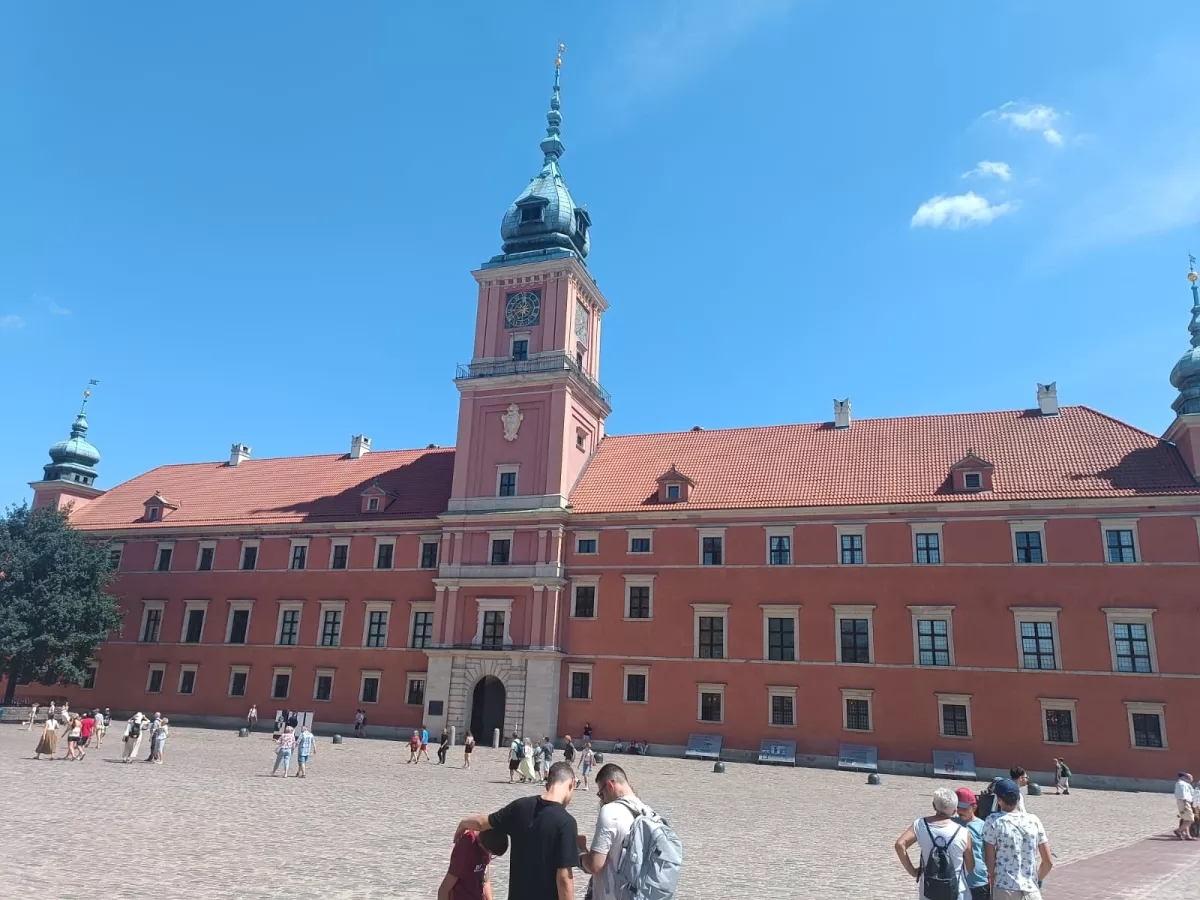
Our final stop of the day was Warsaw's Old Town. Walking through its colourful streets, it would be easy to believe that centuries of history had unfolded uninterrupted here. The truth is almost unbelievable.
By the end of the Second World War, nearly the entire historic centre had been destroyed. After the war, Polish architects, historians and craftsmen painstakingly reconstructed it using pre-war paintings, architectural drawings and photographs. The reconstruction became one of the greatest heritage restoration projects in modern history and later earned UNESCO World Heritage status. Today, the Old Town feels astonishingly authentic.
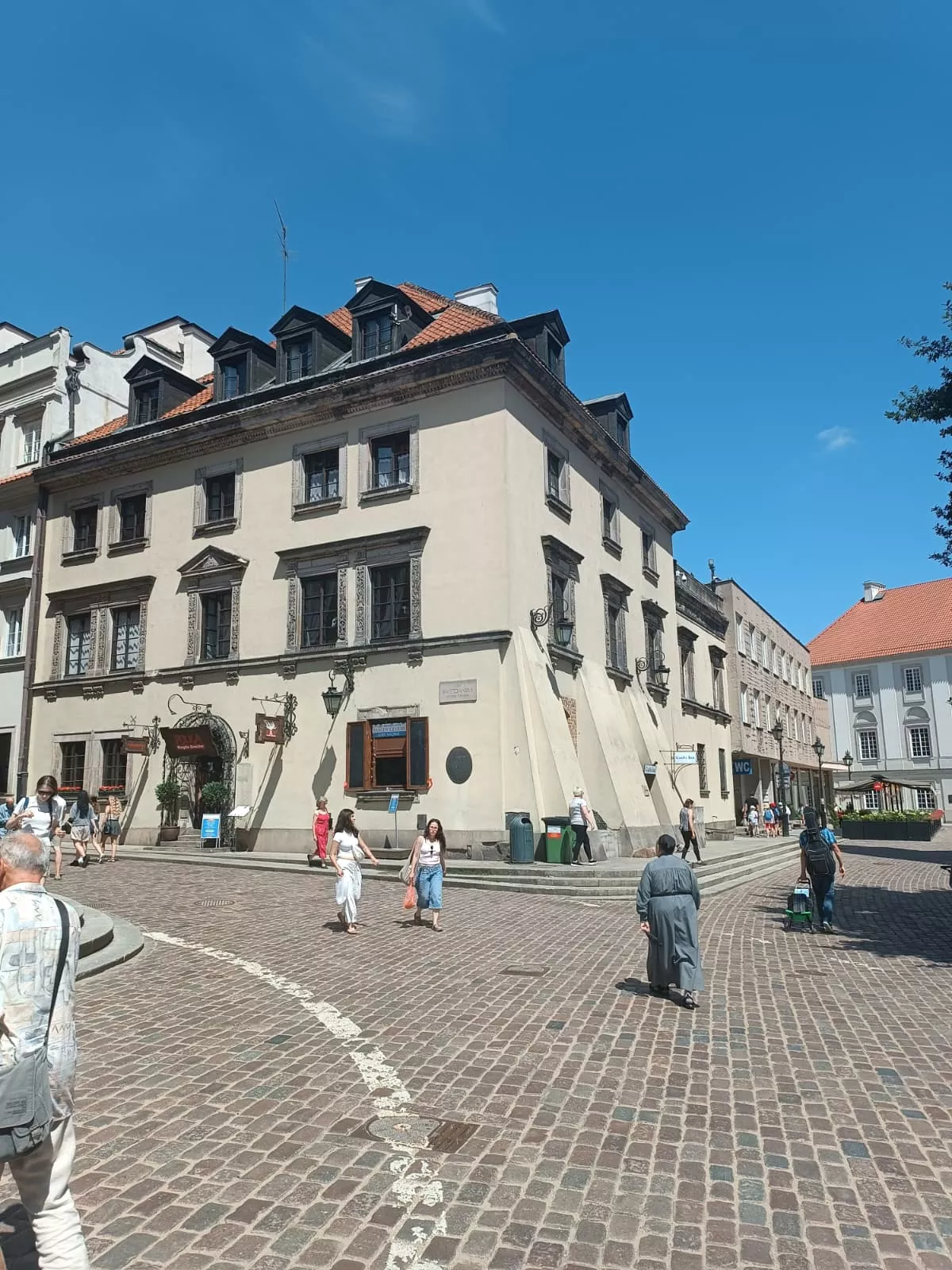
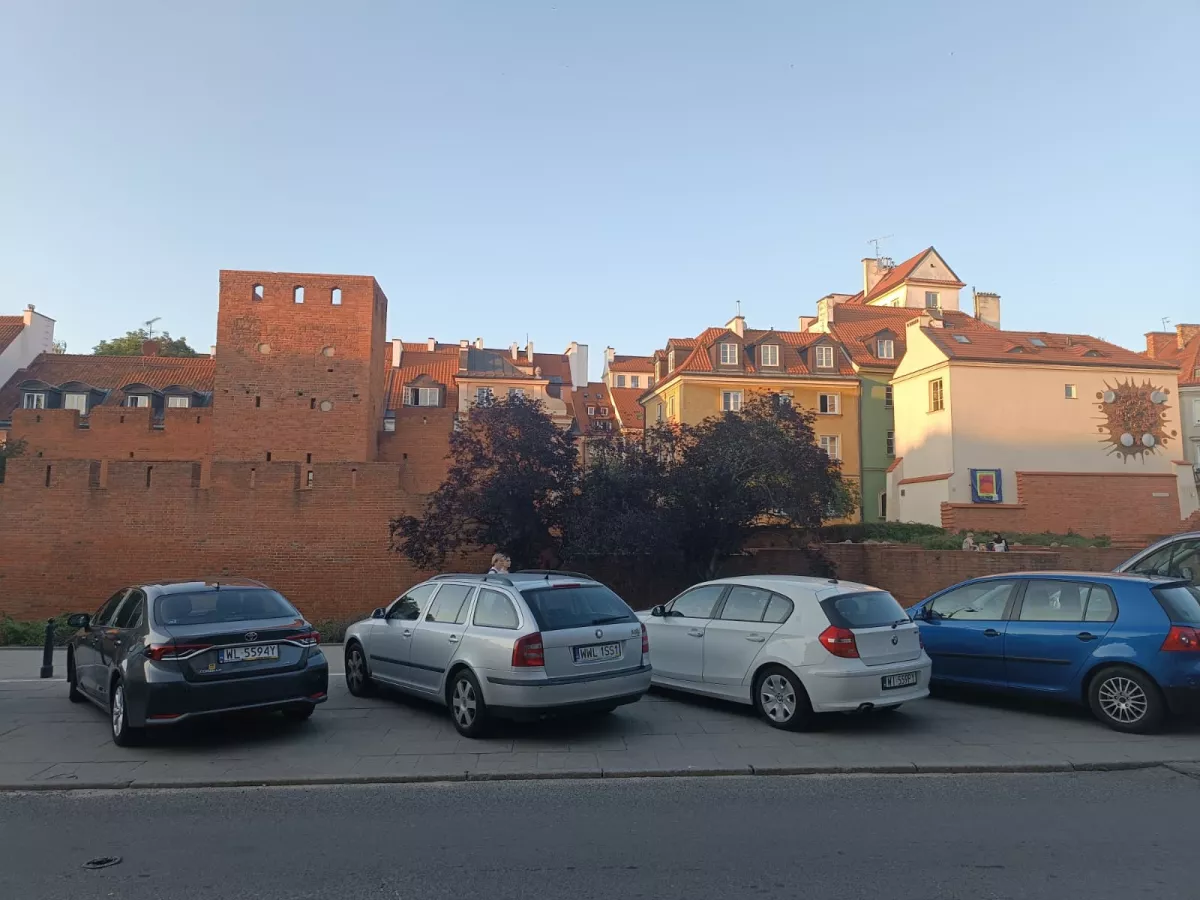
Red brick defensive walls embrace narrow cobbled streets. Pastel-coloured merchant houses lean gently toward bustling squares filled with cafés and street musicians. Church bells echo through medieval alleys where flowers spill from windows overlooking centuries-old façades that are, paradoxically, younger than many people imagine.
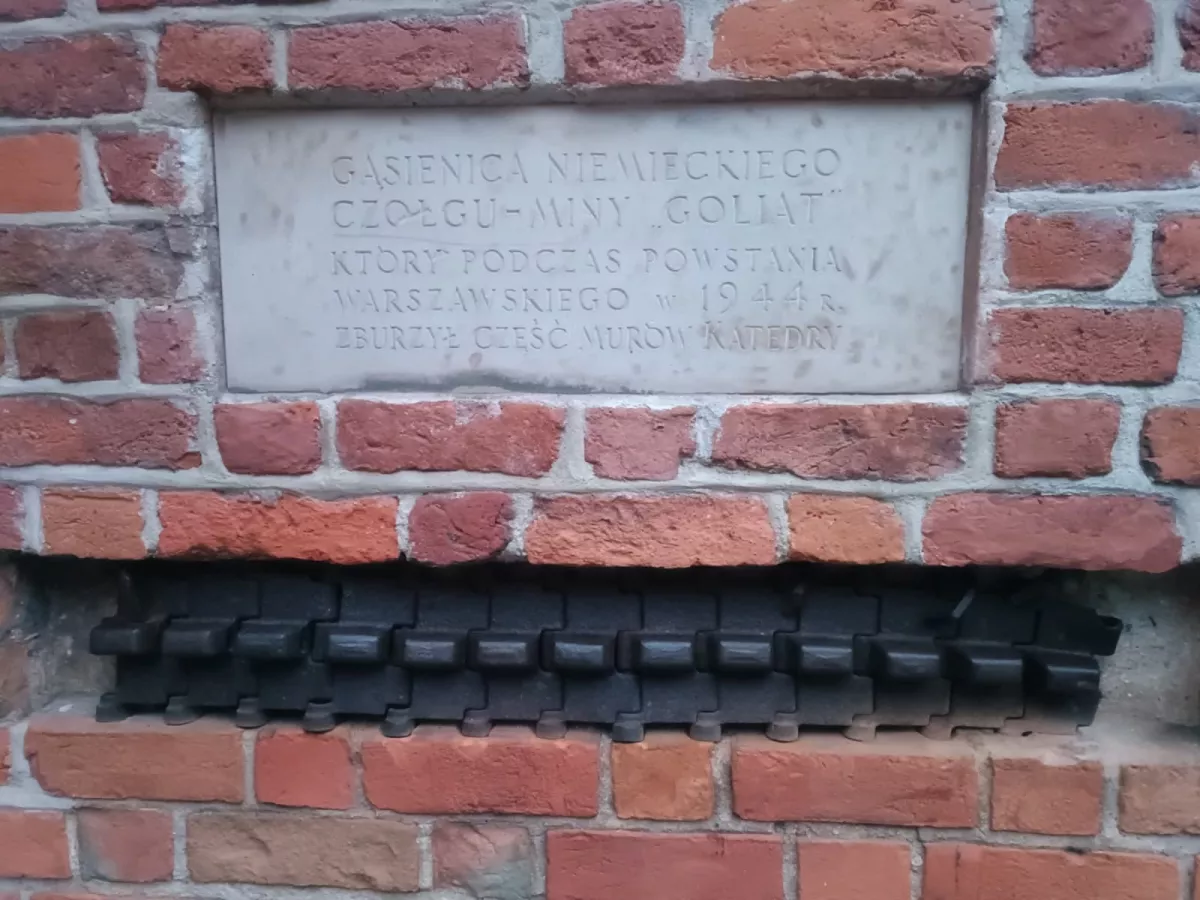
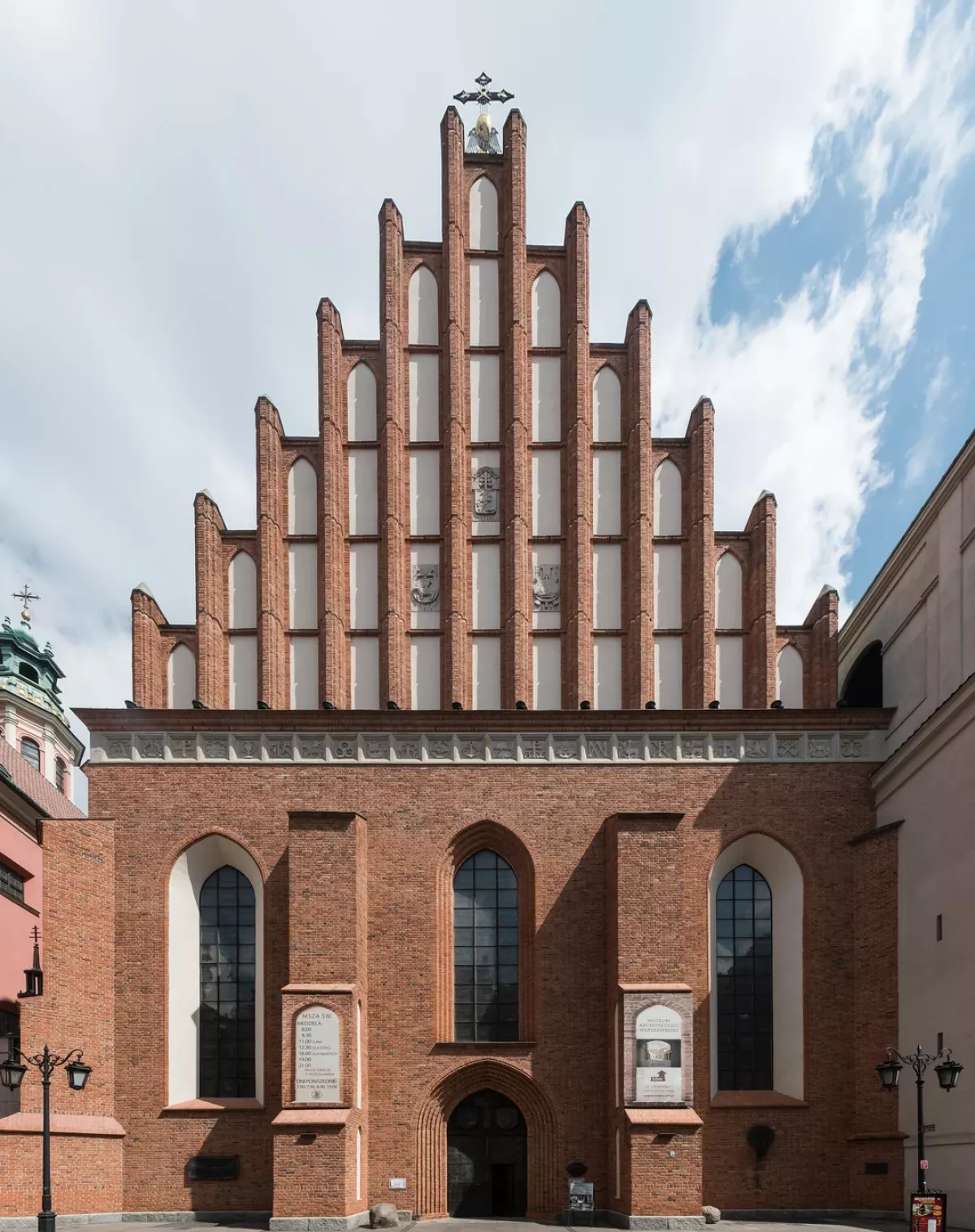
Among the most moving places was St. John's Archcathedral. Destroyed during the war and rebuilt almost entirely from scratch, it stands today not only as a place of worship but as a monument to resilience. During archaeological excavations, workers discovered the caterpillar track of a German Goliath remote-controlled demolition vehicle—one of the machines used by Nazi forces to destroy buildings across Warsaw. Rather than hide this relic, the cathedral incorporated it into its wall. It remains there today. Not as a trophy. Not as a symbol of hatred. But as evidence. As proof of what happened. As a reminder of what must never happen again.
A perfect ending to the first day
As evening settled over Warsaw, we finished our first day in an elegant restaurant overlooking one of the city's charming streets.
Traditional Polish cuisine surprised me almost as much as the city itself. Every dish was prepared with care, combining hearty Central European flavours with remarkable refinement. The meal was delicious, but more importantly, it became another piece of a larger picture.
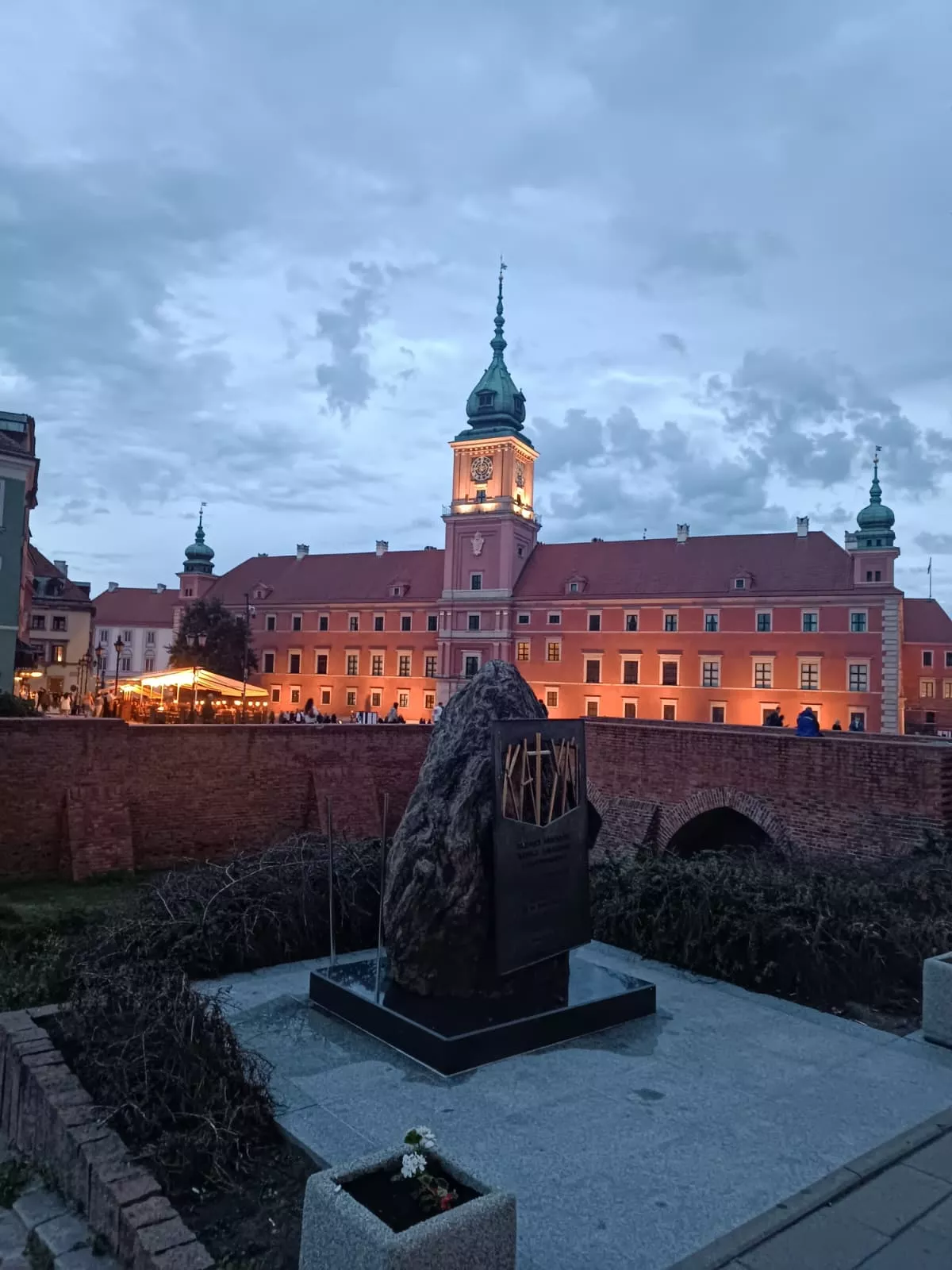
Everything I had experienced during those first hours—the hospitality of our hosts, the city's cleanliness, its efficient organisation, its reverence for history and its confident modernity—stood in direct contradiction to the image I had carried for years.
Sometimes travel teaches us about geography. Sometimes it teaches us about history. And sometimes it teaches us something far more valuable: how wrong our assumptions can be.
Warsaw did not simply welcome me. It quietly dismantled my prejudice, replacing it with admiration for a nation that rebuilt itself from ruins without allowing the memory of those ruins to disappear.
Read the second part of the article here.







 editor@caliber.az
 +994 55 444-88-98
 Азербайджан, Баку, ул. Низами, 203, Af Business House, 5-й этаж