










Infantino, Pinocchio, Cipollino… A fairy tale gone wrong
FIFA and scandals have long been inseparable companions. From time to time, troubling events have shaken the governing body of the world’s most popular sport. It all began under João Havelange, who led the organisation from 1974 to 1998, and continued during the presidency of Joseph Blatter (1998–2015). Yet, despite the abundance of warning signs and open accusations of bribery in the processes of electing FIFA’s top officials and selecting host countries for previous World Cups, the organisation’s former leaders managed for a long time to preserve the image of tough-minded managers capable of making difficult decisions in the interests of football (and therefore often unpopular among those who opposed them).
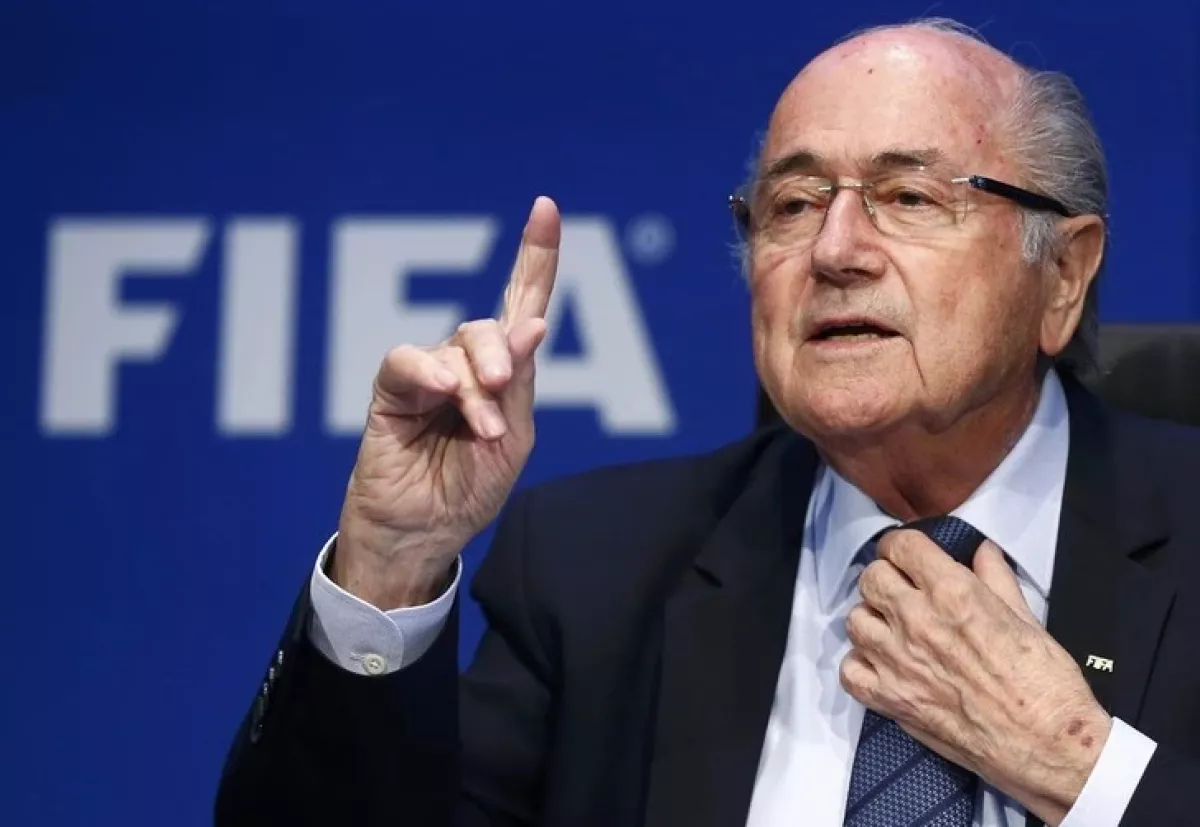
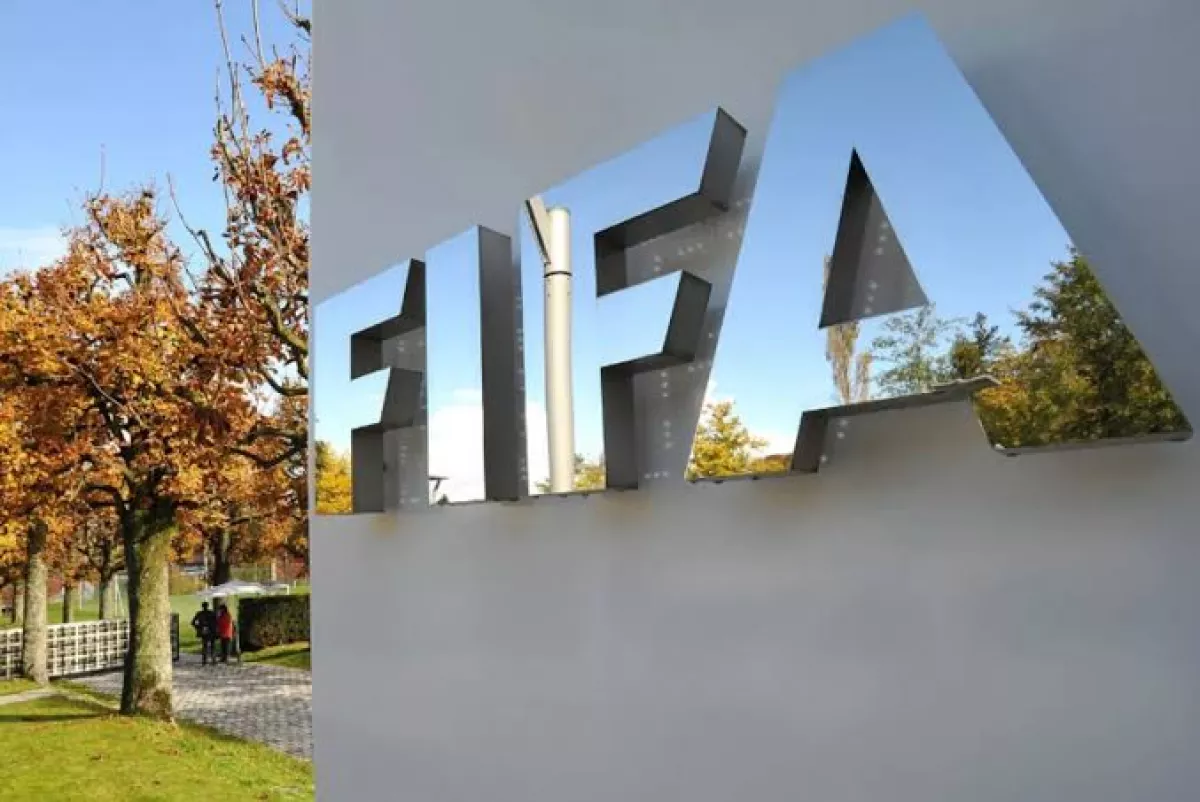
Blatter carefully guarded the legacy of his predecessor, one of the accusations against whom was his alleged clear sympathy for Sepp (Blatter’s nickname) during the 1998 FIFA presidential election. FIFA’s headquarters are located in Zurich — a remarkable complex consisting largely of underground structures. The building’s “bunker-like” design (two floors above ground and five below) is explained by laws prohibiting construction higher than two storeys within the park area where the office is located. But there is also a certain symbolism to it. In some areas, FIFA’s work became very much underground — if not outright clandestine.
This does not diminish the achievements of an organisation that has done much to develop football on a planet that often resembles a football itself. However, between 2010 and 2014 alone, the Swiss parliament addressed issues related to misconduct within FIFA 25 times. The lawmakers listened, but nothing went beyond hearings.
That changed only when the individuals accused of wrongdoing were either present on US territory or used the American banking system for illegal activities. In May 2015, a federal court in Brooklyn charged 14 people, nine of whom were FIFA officials. The US Department of Justice stated that corruption within FIFA was systemic and that this system had existed for more than 25 years.
A wave of criticism followed. Although Blatter managed to win another term, he announced his supposedly voluntary resignation just four days later. But the story did not end there. Caught up in the turbulent waves of investigations and legal proceedings were such iconic figures as Michel Platini and Franz Beckenbauer, along with dozens of less famous figures from the world of football.
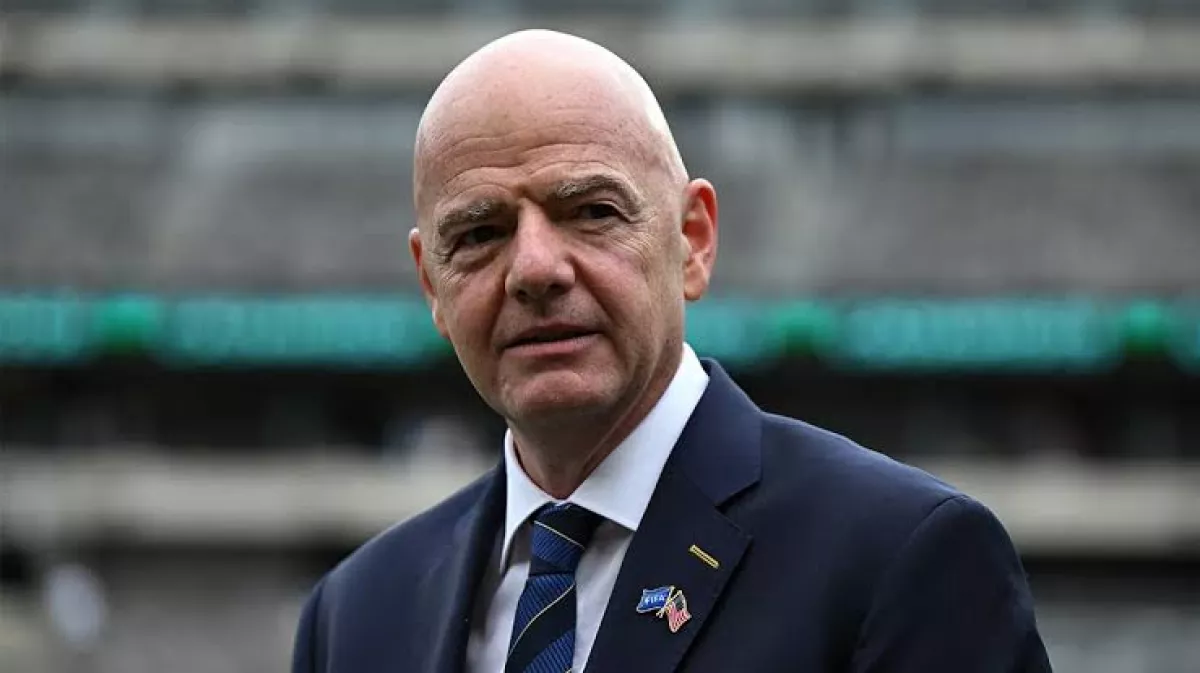
Against this, frankly toxic backdrop, Gianni Infantino appeared on the horizon. Or rather, he had appeared much earlier, having held a number of key positions in football leagues in Italy, Spain and Switzerland, as well as at UEFA. In February 2016, he became FIFA president on a wave of promises to reform the organisation.
Somewhat resembling Cipollino (a character from the children’s story by Italian writer Gianni Rodari — who, coincidentally, also shared the same first name as Infantino), Infantino did not set his goals in an infantile manner and pursued them relentlessly, sweeping obstacles aside. Cipollino in Rodari’s tale was a little boy made of an onion, and Infantino seemed to share some of his traits. Like that fictional character, Gianni was brave and determined, yet at the same time humorous and skilled at building relationships with people — very different people, including US President Donald Trump. The personal charm of FIFA’s leader helped resolve many issues surrounding this year’s World Cup.
Many issues, but not all of them. The exclusion of a Somali referee, endless private jet flights and, of course, the cancellation of the red card given to American footballer Balogun after a conversation with Trump were all widely discussed. It was a classic example of cronyism in its worst form — the use of personal connections and influence to secure privileges that others would not receive. Public discontent grew. But after the idea of privatising the World Cup and other major tournaments emerged, the grumbling turned into an angry roar. The events of recent days have shown that even in a world where the powerful often enjoy broad impunity, there are certain lines that are better left uncrossed.
Having spent recent years communicating almost exclusively with the “heavenly elite”, Infantino was forced to return to the real world, where he was reminded of all his shortcomings — authoritarianism, arrogance, unwillingness to consult colleagues on decisions, and much more. Infantino began to resemble Pinocchio from Shrek — whose nose grew every time he lied. Infantino’s nose did not grow, but the level of distrust towards him is rising — and rising rapidly.
Infantino turned to Trump for help. But, judging by appearances, the US president is in no hurry to come to the aid of FIFA’s embattled leader. Perhaps Trump was not pleased that, through his ill-considered actions, the FIFA president placed one of his relatives in an awkward position. The private company that, according to Infantino’s plan, was supposed to manage the world’s leading football tournaments was reportedly being created with the involvement of the brother of Trump’s son-in-law, who was presented as the main investor.
Donald Trump already has more than enough on his plate — or rather, on his little plate: the Strait of Hormuz.
They say that winners are not judged. Infantino’s plan is almost certainly dead and buried, but even if it somehow manages to resurface, it is simply too cynical — even by the standards of today’s highly pragmatic world.
What took place was an attempt at bribery — perhaps an open one, but no less repugnant for that. The calculation was simple: riding on the success of a World Cup that brought FIFA enormous revenues, national football associations were to be tempted with promises of extraordinary financial gains in exchange for making the “right” choice on a specific issue.
It was like buying an apartment at the construction stage: those who invest when the foundations are still being laid receive special terms. Those who join later get a smaller share of the profits. And the possibility that some might refuse to join altogether was something that the reality-detached Cipollino simply failed to consider.
In his plans, smaller federations eager for financial benefits were meant to neutralise potentially defiant major associations, such as those of England and Spain.
But it did not work. There are still some things in this world that cannot be entirely sold — and cannot be fully bought.
The little onion boy decided he could do whatever he wanted. The football world decided otherwise.
What will happen to Infantino? Even if he manages to remain in office for some time, the unfortunate reputation of a man who tried to sell football will follow him forever.







 editor@caliber.az
 +994 55 444-88-98
 Азербайджан, Баку, ул. Низами, 203, Af Business House, 5-й этаж