










As the world unravels, Baku speaks of a new security order Overview by Teymur Atayev
The world is at a crossroads, with established rules — both written and unwritten — governing geopolitics, economics and culture increasingly coming under strain. In some parts of the world, they appear to be breaking down altogether. This turmoil is widely described as the emergence of a new world order. Meanwhile, civilians, including children, continue to be killed, while entire regions are being devastated. The consequences, however, extend far beyond the immediate areas of conflict, affecting stability and security across the wider world.
In his address to participants of the 4th Baku Security Forum, which brought together around 600 heads and senior representatives of security agencies from more than 100 countries, Azerbaijani President Ilham Aliyev emphasised that a crisis or source of tension emerging in one region can quickly spread beyond its immediate surroundings, undermining political and economic stability elsewhere. Such disruptions can also threaten energy and food security and interfere with the uninterrupted operation of transport and communication links.
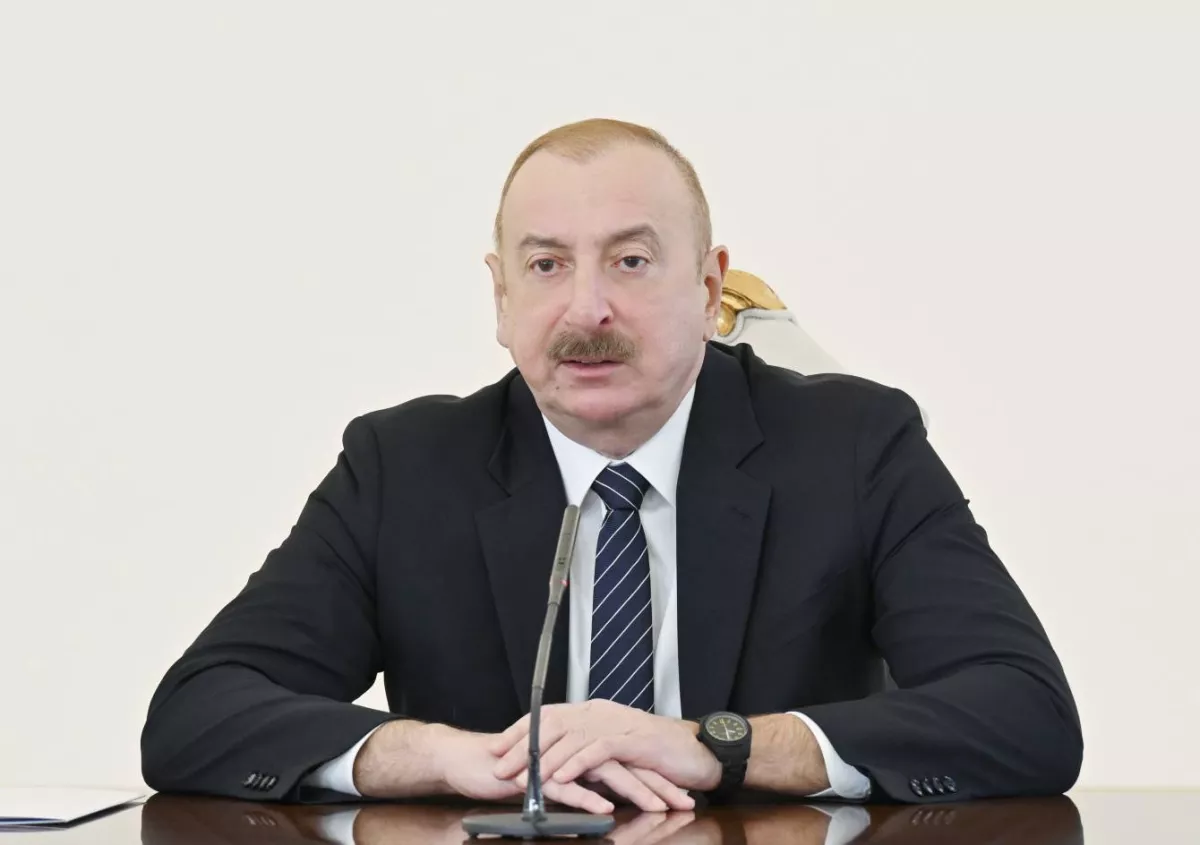
What the head of state said is of particular importance for Azerbaijan. Last year, President Ilham Aliyev identified the country as one of Eurasia’s indispensable transport hubs. At the same time, he noted that such status is typically associated with countries that have access to the open seas. Although Azerbaijan is landlocked, it has emerged as a key transport hub because of the steps it has taken to capitalise on its strategic location at the intersection of the East–West and North–South transport corridors. The Zangezur Corridor, which has already become part of the international agenda, is also in close proximity.
Another important point is President Ilham Aliyev’s consistent emphasis on the geopolitical significance of transport, logistics and connectivity through the prism of C6 and the Organisation of Turkic States (OTS). In an address last year to participants of the international conference “The Role of Special Service Agencies in Ensuring the Security of International Transport Lines”, the president stated that these transport and communication routes should be viewed not merely as sources of economic prosperity, but also as an important foundation for deeper integration among Turkic states — not only politically and culturally, but also in defence and security.
This is particularly relevant given that “the growing role of our transport hubs also makes them targets for destructive forces.” The president therefore stressed the importance of coordinated operational measures to prevent external forces from acting against Azerbaijan’s transit routes.
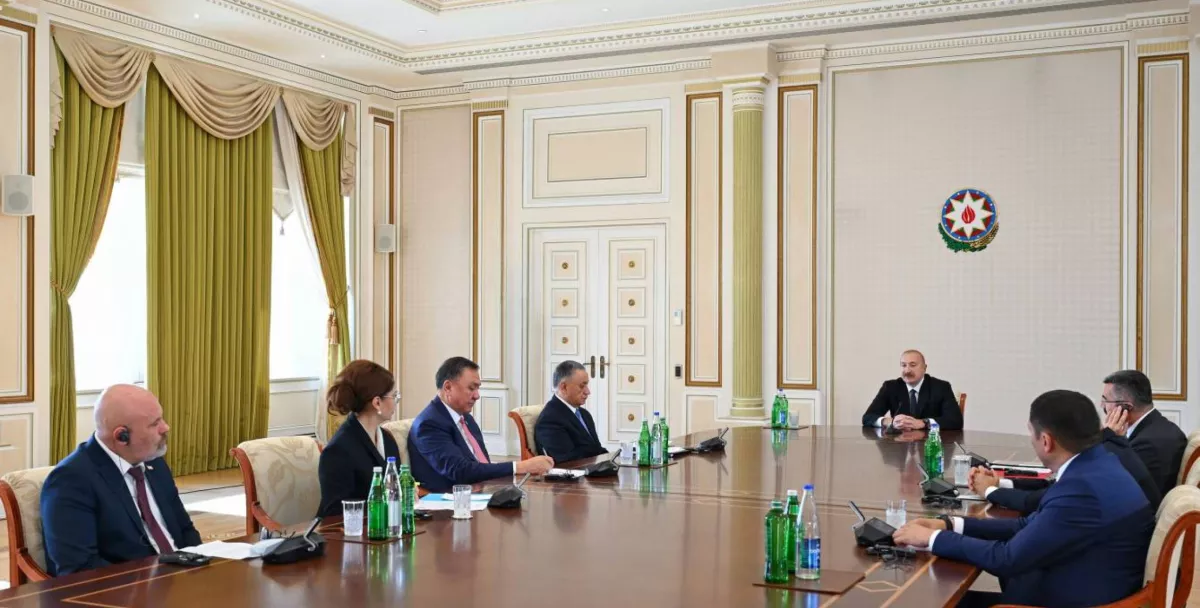
The President of Azerbaijan developed this theme further several days ago at a meeting with the heads of security agencies of the OTS member states, emphasising that the key energy and transport routes and corridors running through our territories play a significant role not only for our countries, but also across a much wider geography. Accordingly, we need to maintain stability, without which neither investment, nor technology, nor innovation will flow into any country.
Against this backdrop, the importance of security once again comes to the fore. In his address yesterday, President Ilham Aliyev described security, alongside the protection of peace and stability, as a matter of shared responsibility for all states. After all, security itself is not confined to the borders of individual states, given the international nature of such threats as the misuse of digital capabilities, including artificial intelligence, the spread of radical ideas, the expansion of financial resources available to terrorist networks, and so on. It is in this context that strengthening mutual trust between states becomes particularly important, including through the development of professional ties between security agencies and more effective data exchange.
As for the distinguished line-up of participants at the 4th Baku Security Forum, there is no doubt that it demonstrates the confidence of various countries in the Baku platform, which has established itself over the years as an authoritative forum for dialogue among intelligence and security agencies. Amid geopolitical turmoil, this takes on particular significance, as close cooperation is becoming one of the key conditions for effectively addressing contemporary risks and challenges. Baku already has a positive track record of facilitating dialogue between, for example, the US and Russian intelligence services.
Current issues facing the world are consistently addressed at major international forums held in Azerbaijan. This year, in March, the 13th Global Baku Forum was held under the theme “Bridging Divides in a World in Transition”. The central theme of the 31st Baku Energy Week in June was “A New Era of Energy Connectivity and Cooperation”. The slogan of the 4th Shusha Global Media Forum in July was “The Mission of the Media in Promoting Peace: Restoring Truth and Rebuilding Trust”. And the theme of the 4th Baku Security Forum — “New Challenges in Global Security Architecture and the Formation of Effective Cooperation Mechanisms Against Terrorism” — speaks for itself.
Official Baku is confidently continuing its efforts to promote the idea that peace and security must be ensured not only through words, but also through practical steps.







 editor@caliber.az
 +994 55 444-88-98
 Азербайджан, Баку, ул. Низами, 203, Af Business House, 5-й этаж