










Azerbaijan’s realities and Spain’s empty wallet The flip side of the European dream
For decades, in Azerbaijan, Ukraine, Georgia, and many other post-Soviet countries, there has been a widespread perception of Europe as a land of universal prosperity, high living standards, and virtually unlimited social opportunities. In the public consciousness, the image of a European is firmly established as someone who earns a high salary, lives in a comfortable home, travels regularly, and hardly ever worries about everyday expenses. At the same time, many people believe that simply moving to an EU country will make financial problems disappear on their own.
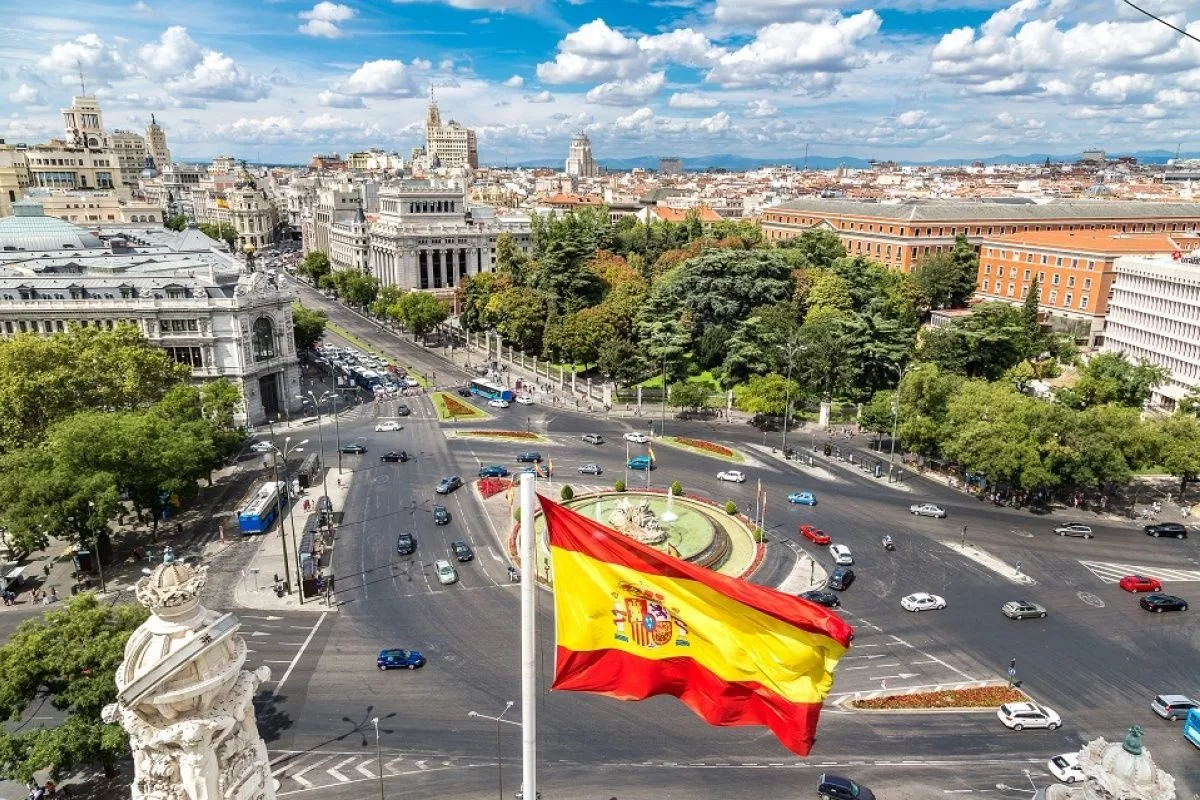
However, reality is far more complex than such stereotypes suggest, and this is clearly illustrated by the situation in Spain—one of the largest economies in Europe. The country is among the leading states of the European Union in terms of gross domestic product, has modern infrastructure, a developed banking system, and is considered one of the most attractive destinations for both living and tourism. Yet the presence of a strong economy does not automatically translate into a high standard of living for all citizens.
Moreover, Spain today reflects one of the most striking social paradoxes in modern Europe. The country is actively developing, and its tourism sector is breaking records, yet a significant part of the population is unable to benefit from this growth. The situation is especially difficult for the younger generation, and recent data from the Spanish Youth Council (CJE) is genuinely alarming.
For instance, the rate of independent living among young Spaniards aged 16 to 29 has fallen to 14.5 per cent. This is the lowest figure in the entire history of observations. In practical terms, only one in seven young Spaniards can afford to live independently from their parents.
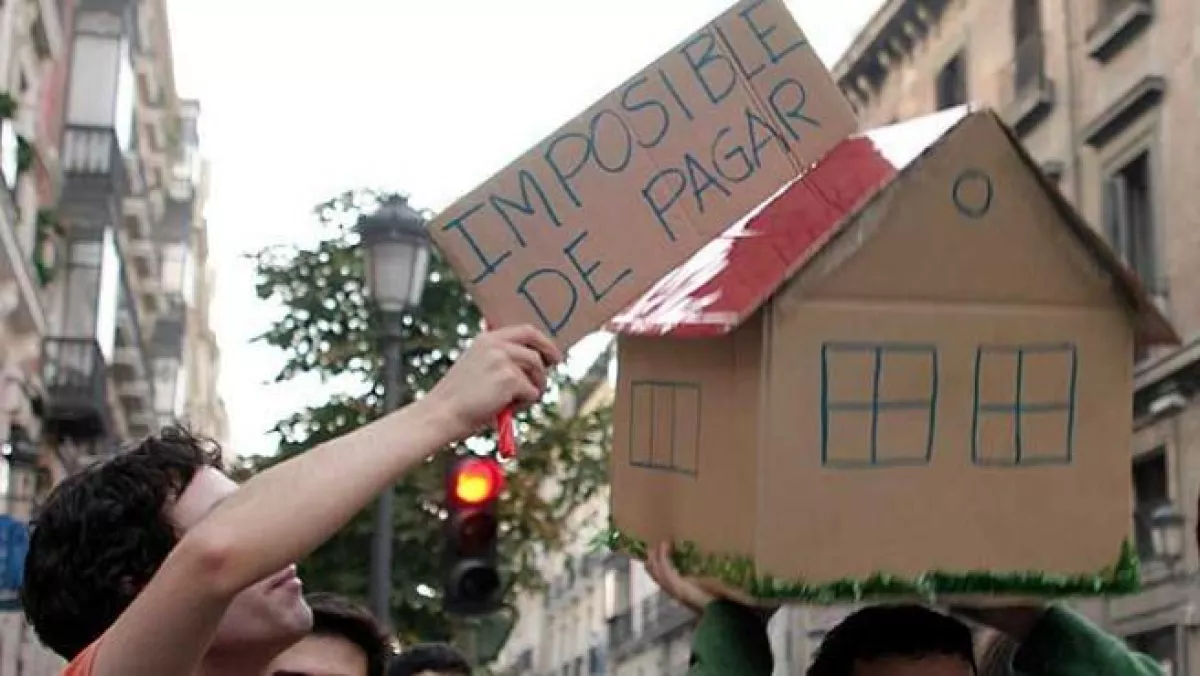
The reasons behind this situation are quite clear. The average net salary of a young worker in Spain is around €1,190 per month, while the average cost of renting a home is €1,176. As a result, an almost absurd situation emerges: to rent an apartment, a young Spaniard would have to spend virtually 99 per cent of their salary, leaving no money for basic necessities such as food, clothing, transportation, and utility bills.
Because of this, the average age at which young people begin independent living in Spain has already exceeded 30. For millions of young Spaniards, living with their parents is no longer a matter of convenience or family tradition—it has become an economic necessity.
This problem is particularly acute in the country’s tourist regions. The situation in Málaga and along the Costa del Sol, for example, is especially telling. Tourism brings enormous revenue to the local economy: hotels are fully booked, cafés and restaurants operate at maximum capacity, and the flow of visitors continues to grow. Yet at the same time, restaurant and bar owners are facing labor shortages, as workers simply cannot afford to live in the cities where they are employed.
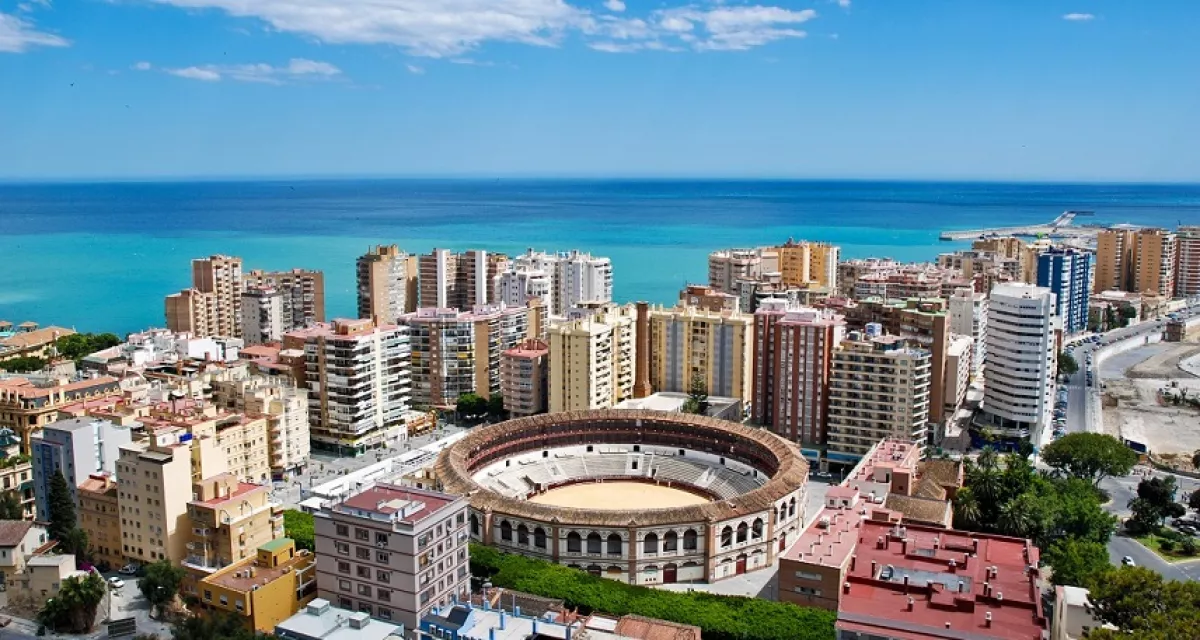
A few years ago, a net salary of €1,450 after taxes was considered quite decent. Today, however, renting a home in Málaga often ranges between €1,100 and €1,300 per month. It is not difficult to calculate that after paying for housing, a Spaniard is left with an amount that makes it extremely hard to live on. As a result, hospitality businesses are being forced to reduce opening hours, close on additional days, and turn away part of their clientele.
The anomaly of modern Europe lies in the fact that economic growth and a tourism boom do not always translate into improved living standards for ordinary citizens. On the contrary, in many cases they contribute to rising housing prices and widening social inequality. A key role in this process is played by the rapid expansion of short-term rental housing through online platforms. For property owners, it is often more profitable to rent apartments to tourists on a daily basis than to local residents on long-term contracts.
As a consequence, available housing supply decreases while prices continue to rise. This is precisely why the head of the Spanish Youth Council, Andrea Henry, stated that for many young people, moving out from their parents today effectively means falling into poverty. And it is difficult to disagree with this assessment.
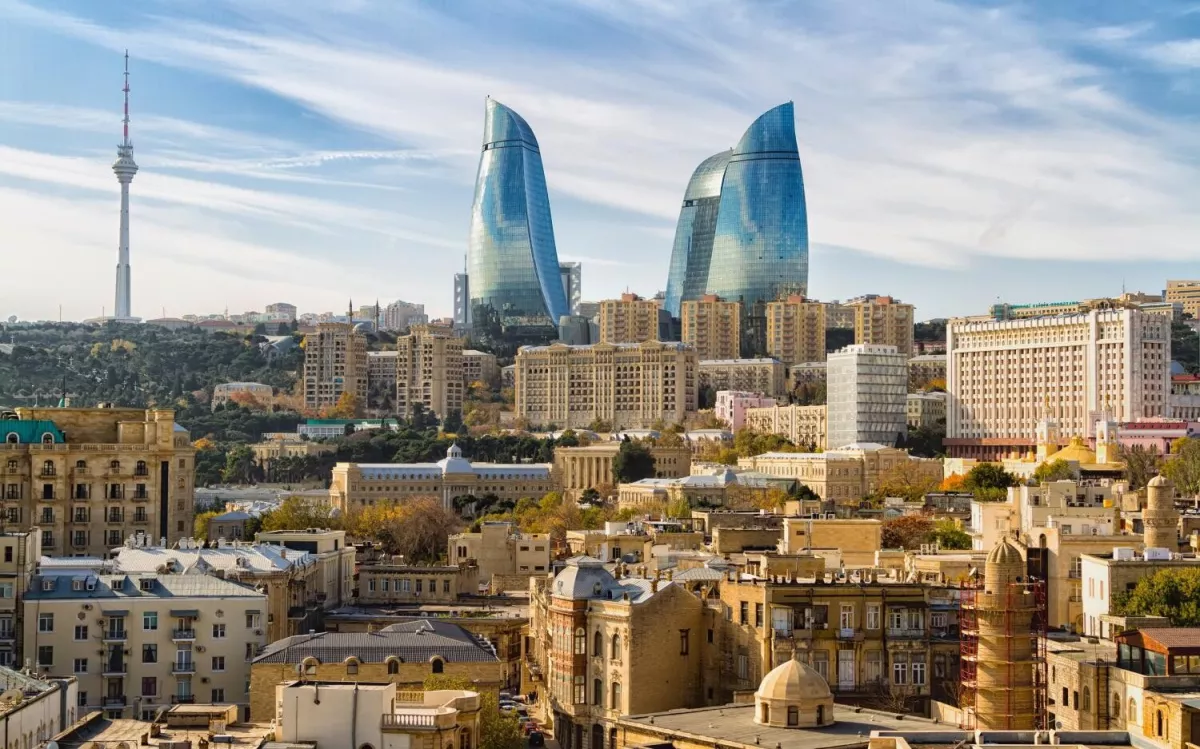
Against this background, it is interesting to compare the situation with Azerbaijan. Of course, average salaries in the country are lower than in Spain. According to the State Statistical Committee, in the first quarter of 2026 the average nominal monthly wage of employees amounted to 1,151.5 manats ($677). Many note that this is not particularly high; however, the standard of living is determined not only by the size of one’s salary.
It is equally important to understand how much money remains after covering basic expenses. And this is where things become especially interesting. One of the legacies of the Soviet period, which is often criticized, was the widespread ownership of housing among the population. Many citizens in Azerbaijan are homeowners in Baku, Ganja, Sumgayit, and other cities, or own private houses. A significant number of people also possess summer homes.
Many families have property inherited from parents or grandparents. As a result, the vast majority of working residents in cities like Baku or Ganja do not spend a large portion of their income on rent. This represents a substantial economic advantage. If a Spaniard is forced to allocate up to 90 per cent of their income to renting a home, an Azerbaijani can direct these funds toward children’s education, home renovation, leisure, or savings.
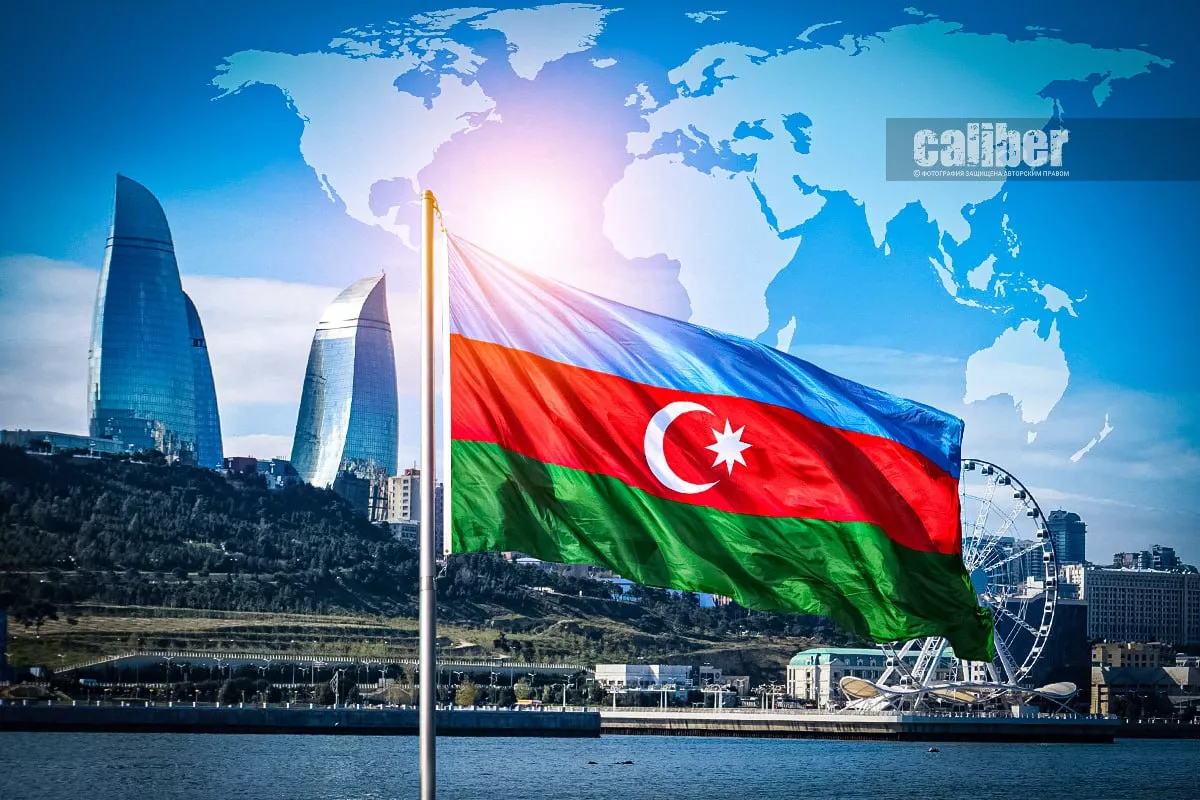
In addition, there is another important factor. The cost of living in Azerbaijan is significantly lower than in Spain in many respects, especially when it comes to food. Local fruits and vegetables are much cheaper. The same applies to bakery products. Many types of cheese and dairy products are also considerably less expensive than in most European countries. Utility bills and public transport fares are also substantially lower in Azerbaijan.
As a result, an interesting situation emerges: formally, the average Spaniard earns more, but in practice, their real disposable income is not necessarily higher than that of an Azerbaijani citizen. In this context, it is also important to note that Azerbaijan continues to strive to further improve the well-being of its citizens—economic development, wage growth, and increases in pensions and social benefits remain priorities of state policy.
Thus, when assessing the situation in one’s own country, it is important to look not only at salary levels in absolute terms, but also at people’s real living conditions, and to avoid illusions that Europe is a kind of fairy-tale space where financial problems do not exist and life is automatically easier and more comfortable. This is nothing more than a myth. The reality is much more complex, and often harsher. And the case of today’s Spain illustrates this particularly clearly.







 editor@caliber.az
 +994 55 444-88-98
 Азербайджан, Баку, ул. Низами, 203, Af Business House, 5-й этаж