










Leadership in conditions of global turbulence Reflections on Kobakhidze’s thesis
The statements made by leaders of several countries at the 5th Antalya Diplomacy Forum, currently taking place in Türkiye, have attracted significant attention from both global media and the expert-analytical community.
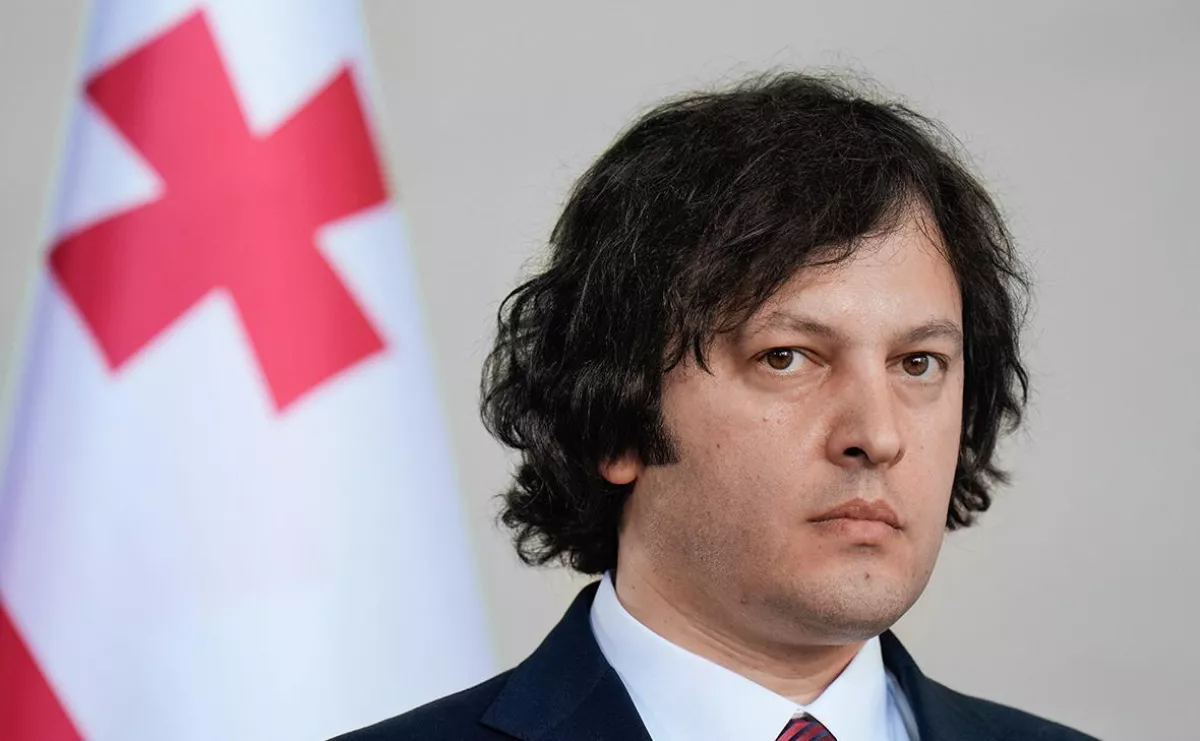
In particular, Georgian Prime Minister Irakli Kobakhidze, speaking at this high-profile event, touched upon a topic that has long been in the air but is rarely formulated so directly: global politics is in urgent need of genuine leadership. His thesis on the deficit of outstanding leaders sounds like a diagnosis of the entire modern international system, and it is difficult to disagree with it.
Indeed, if we look back at the 20th century, we see an era of political giants who shaped the course of history not only in their own countries but across the world. In the United States, figures such as Franklin Roosevelt and Ronald Reagan were at the helm—personalities capable of making strategic decisions amid crises of global scale. In the United Kingdom, the country was led by Winston Churchill and Margaret Thatcher, whose political will and conviction shaped not only the domestic agenda but also the global one.
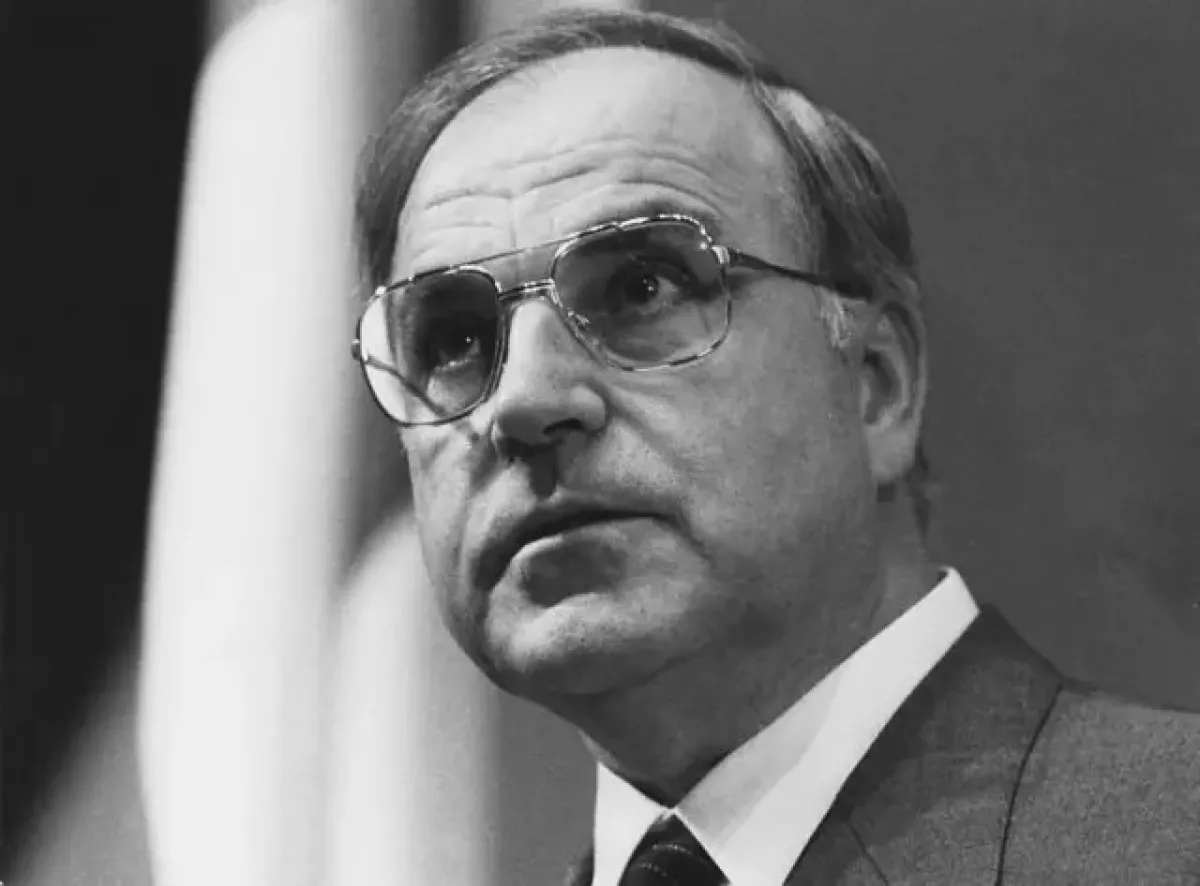
A similar picture was observed in continental Europe as well. Germany was associated with the names of Konrad Adenauer, Willy Brandt, and Helmut Kohl—statesmen who did not merely govern the country but also laid the foundations of European integration.
In France, such figures were Charles de Gaulle and François Mitterrand, who thought in terms of historical epochs.
Unfortunately, today, there are very few statesmen of such calibre in global politics. Many countries are led not by strategists, but rather by administrators—clerks, managers, and at times, outright political showmen, who merely react to events rather than shape them; who follow trends rather than create them. As a result, political leadership is turning into a technology, losing its status as the art of statecraft.
This largely explains the growing turbulence in the world, where an escalation of multiple conflicts can be observed—military, trade, and political alike. The international system, practically deprived of strong leaders, is becoming incapable of effectively responding to challenges. Hence the crisis of trust, the weakening of institutions, and the rise of global instability that already directly threatens the future of the planet.
Against this backdrop, those few politicians who can be described as exceptions to the general rule stand out particularly clearly.
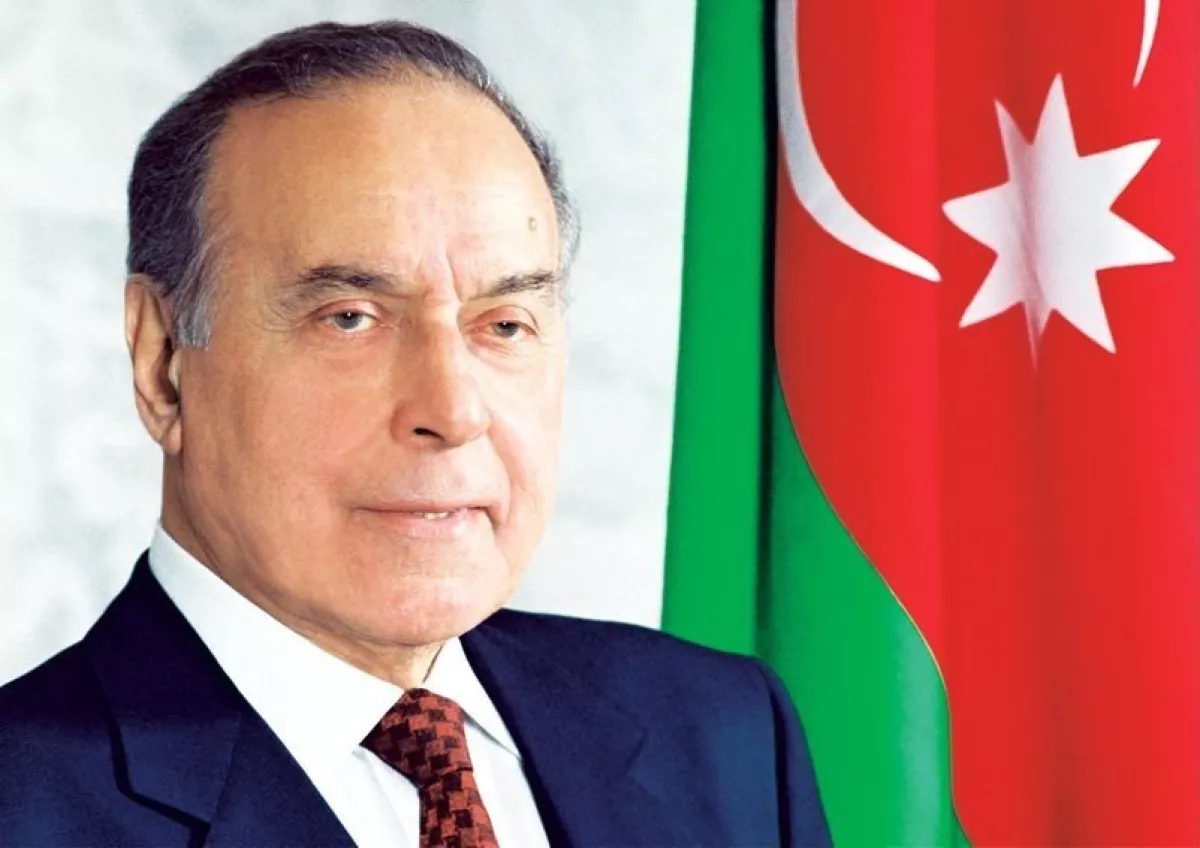
Azerbaijan has always been renowned for its sons whose names are inscribed in the annals of our country’s history. However, a special place in Azerbaijan’s past belongs to the leader whose contribution ensured the very existence of an independent Republic of Azerbaijan on the world political map—Heydar Aliyev. He was a statesman of global stature, recognised by the leaders of many countries as a patriarch of politics, a personality capable of changing the course of history. It was about him that former French President Jacques Chirac once said: “Azerbaijan is fortunate to be led by such a wise, far-sighted and authoritative statesman as President Heydar Aliyev, who possesses strong political will and rich experience of state governance.”
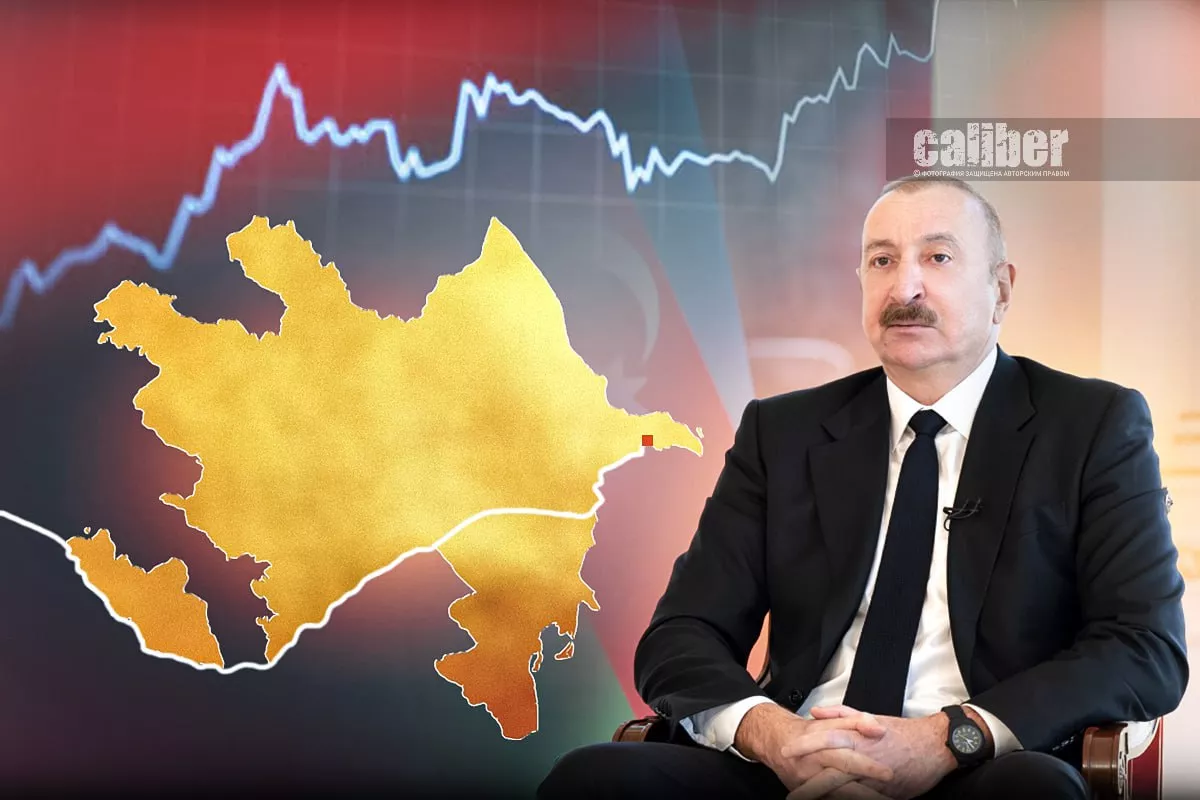
Today, a figure of comparable global political significance is President Ilham Aliyev, whose activity has become part of the history not only of our country but of the entire South Caucasus region. Under Ilham Aliyev’s leadership, Azerbaijan’s territorial integrity was restored—a task that for decades had seemed unattainable. The Second Karabakh War and subsequent developments demonstrated Baku’s ability to act decisively, consistently, and in strict accordance with international law.
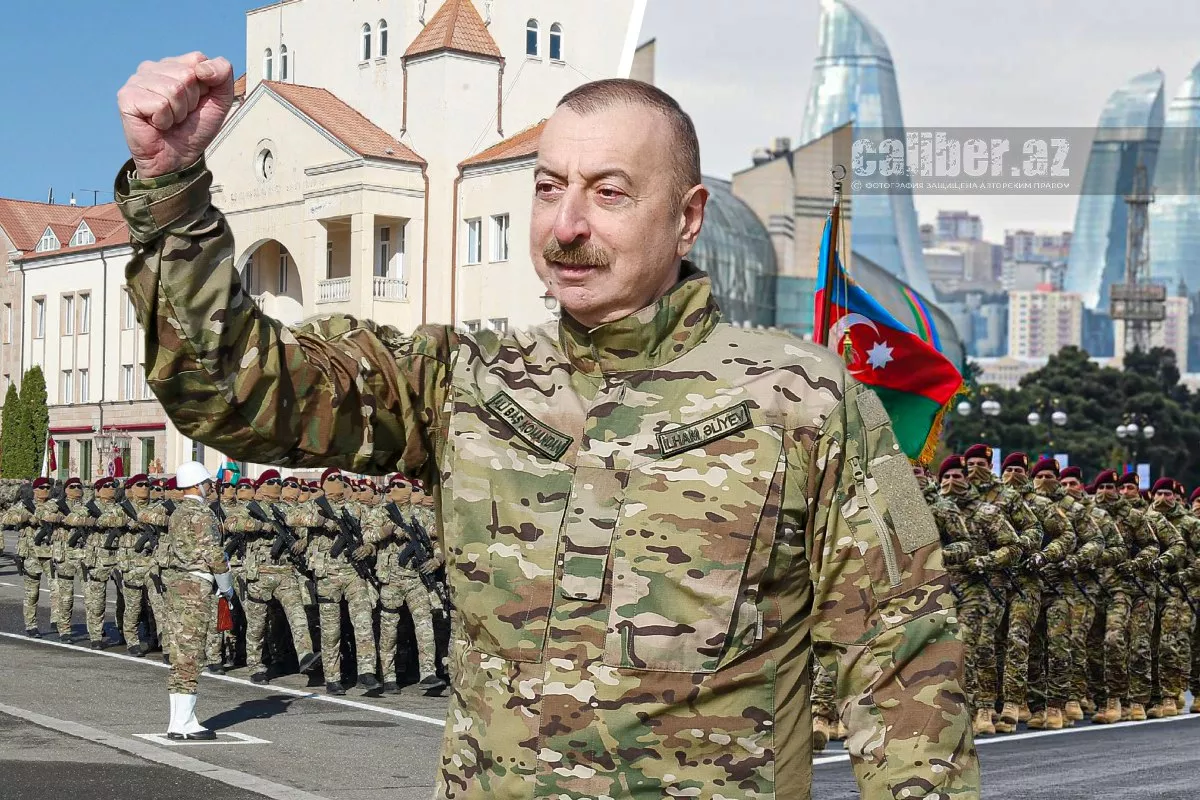
At the same time, one must not forget the enormous pressure exerted on Azerbaijan during and after the Patriotic War of autumn 2020, as well as following the brilliantly conducted counter-terrorism operation in September 2023. Withstanding such pressure, consistently defending national interests, and bringing the undertaken course to its logical conclusion required not only political experience but also exceptional personal qualities.
Today, the result of President Ilham Aliyev’s strategic vision, principled stance, and leadership is the rapid revival of the liberated territories of Karabakh and East Zangezur.
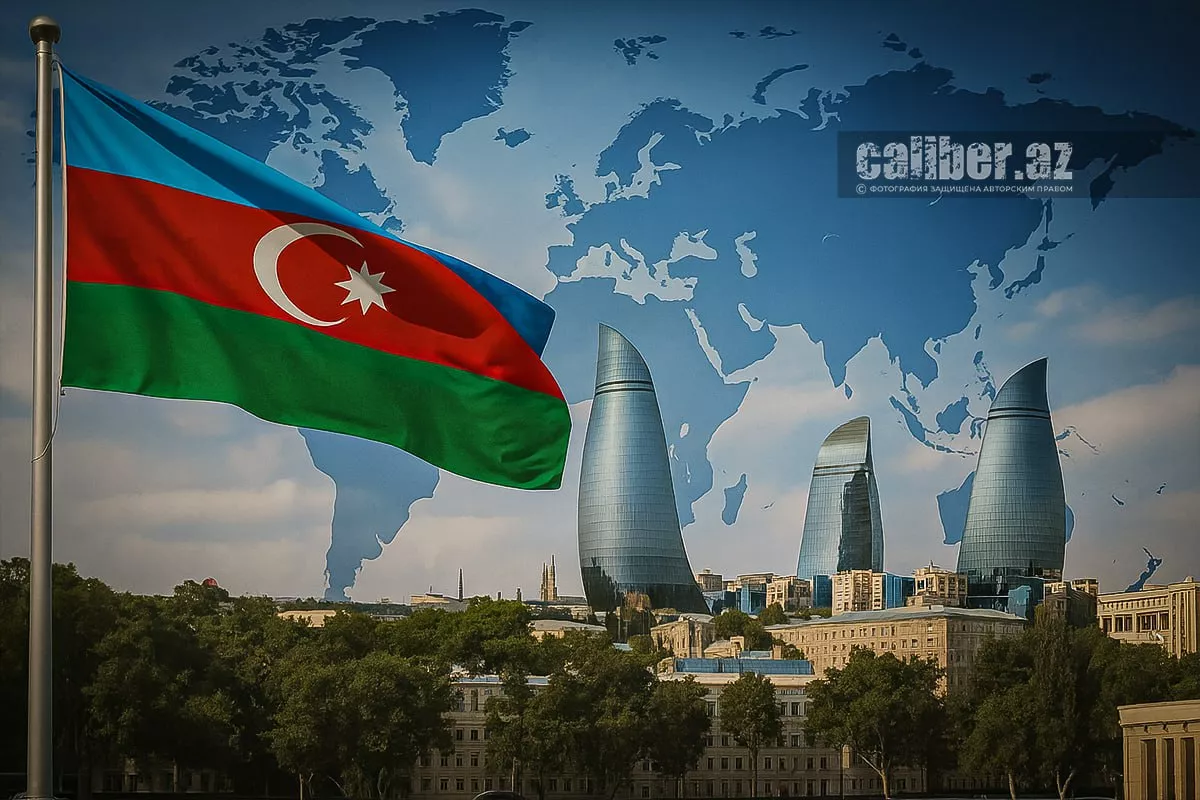
However, Ilham Aliyev’s role is not limited to military and political achievements. Under his leadership, Azerbaijan has become a major energy and transport hub of Eurasia. Strategic projects such as the Baku–Tbilisi–Ceyhan oil pipeline, the Baku–Tbilisi–Erzurum gas pipeline, and the Baku–Tbilisi–Kars railway have been implemented, significantly strengthening the country’s economic independence and its importance on the international stage.
In parallel, official Baku has been pursuing an independent, strategically calibrated, multi-vector foreign policy, enabling the country to maintain stable and pragmatic relations with various centres of power.
Another politician who can be described as an exception to the general rule is the President of the Republic of Türkiye, Recep Tayyip Erdoğan. During the years of his leadership, Türkiye has significantly strengthened its international standing, transforming into a key actor in both regional and global politics. Ankara pursues an independent foreign policy, actively participates in conflict resolution processes, and consistently defends its national interests, regardless of external pressure.
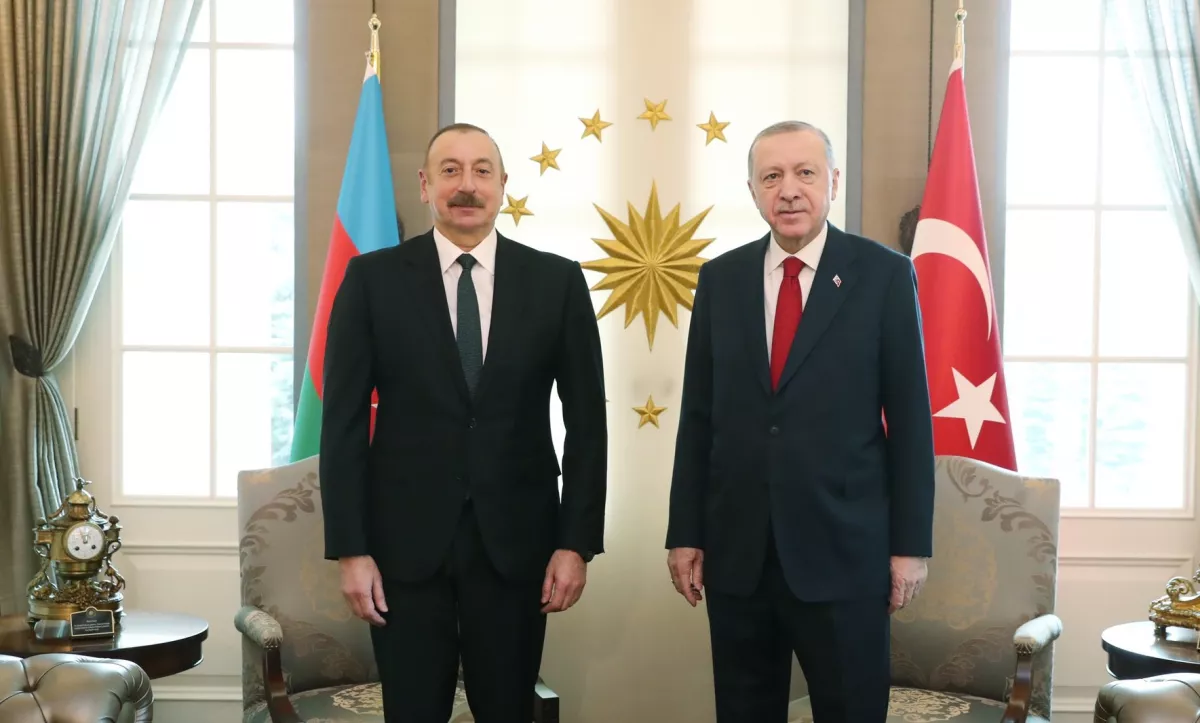
Thus, in the contemporary world, Azerbaijan and Türkiye serve as examples of how strong leaders—capable of strategic thinking, decisive action, and taking responsibility for the fate of their countries—shape the successful development of the state, ensuring its stable present and confident future.







 editor@caliber.az
 +994 55 444-88-98
 Азербайджан, Баку, ул. Низами, 203, Af Business House, 5-й этаж