










Denial of the obvious Angela Merkel’s legacy and the Ukraine war
Former German Chancellor Angela Merkel has once again found herself at the centre of public and political debate following her statements on the WDR television podcast 0630.
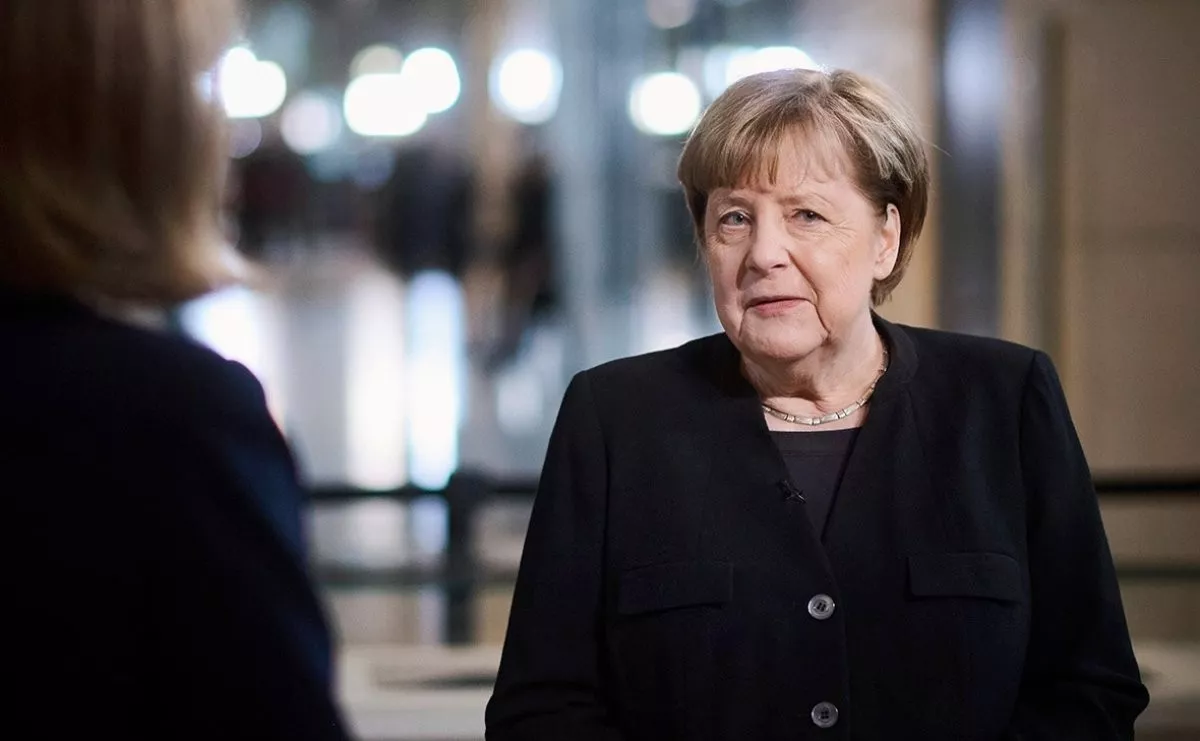
In particular, commenting on the Russian–Ukrainian war, Merkel stated that Germany and the European Union had done everything necessary to help Ukraine in its struggle against the Russian Federation: “Personally, I believe that everything that was done in terms of military support is absolutely right. I also believe it is right that we are doing much more to create a deterrent effect, in addition to supporting Ukraine.”
These remarks by the former chancellor triggered strong criticism both within Europe and beyond, as an increasing number of politicians, experts, and military analysts conclude that Germany’s policies during Merkel’s tenure largely shaped the conditions under which the Old Continent found itself poorly prepared for confrontation with Russia. In this context, reference is made to a deep systemic crisis in European security, the consequences of which became evident after the start of the full-scale Russian–Ukrainian war.
In particular, during Merkel’s chancellorship, Germany gradually lost its status as a fully-fledged military power: over many years, Berlin consistently reduced defence spending, cut army modernisation programmes, and effectively relied on the concept of “peace through economic cooperation.” This strategy was based on the belief that close trade and economic ties with Russia would make war in Europe impossible. However, reality proved otherwise, as demonstrated by the events in Georgia in August 2008, when Russia for the first time openly showed its readiness to use military force to change borders in the post-Soviet space.
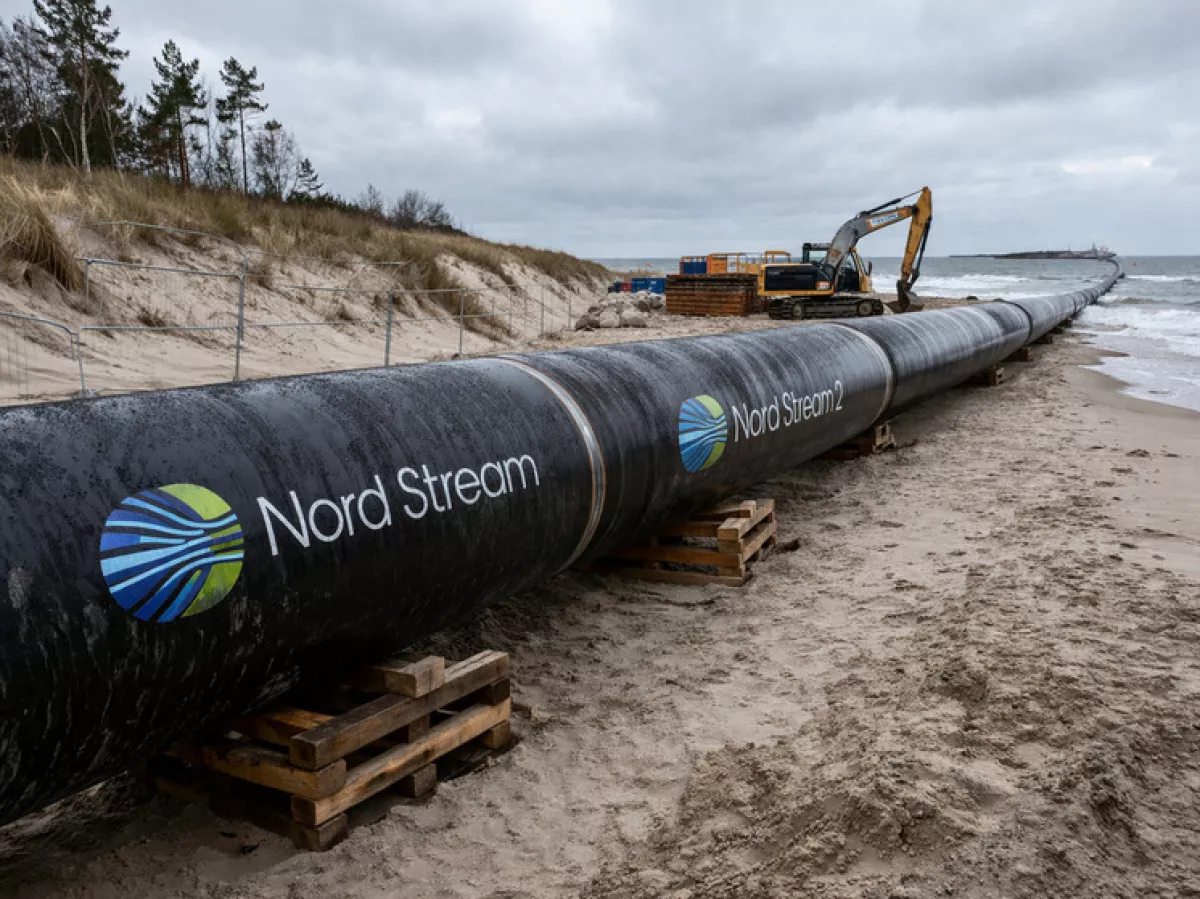
In 2014, Russia annexed Crimea, and the confrontation in Donbas escalated into an armed conflict. In response to these actions, the European Union imposed sanctions on Moscow. Germany supported the restrictive measures; however, no fundamental conclusions were drawn. In fact, the opposite occurred: Germany continued to deepen its energy cooperation with Russia, actively developing Nord Stream, which many Eastern European states described not as an economic, but as a geopolitical project of Moscow. In essence, a paradoxical situation emerged: Europe publicly condemned Russia while simultaneously financing the Russian economy, channeling billions of euros into it.
Today, many EU politicians openly acknowledge that the previous approach to Russia was a strategic mistake, but this admission carries little weight, as valuable time has already been lost. If, after Georgia or Crimea, NATO countries had properly assessed the Russian threat, increased rather than reduced defence spending, and if Germany under Merkel had not reduced the Bundeswehr’s military capabilities or scaled back its defence industrial capacity, then today the European Union would not be paying the price for the political short-sightedness of previous decades.
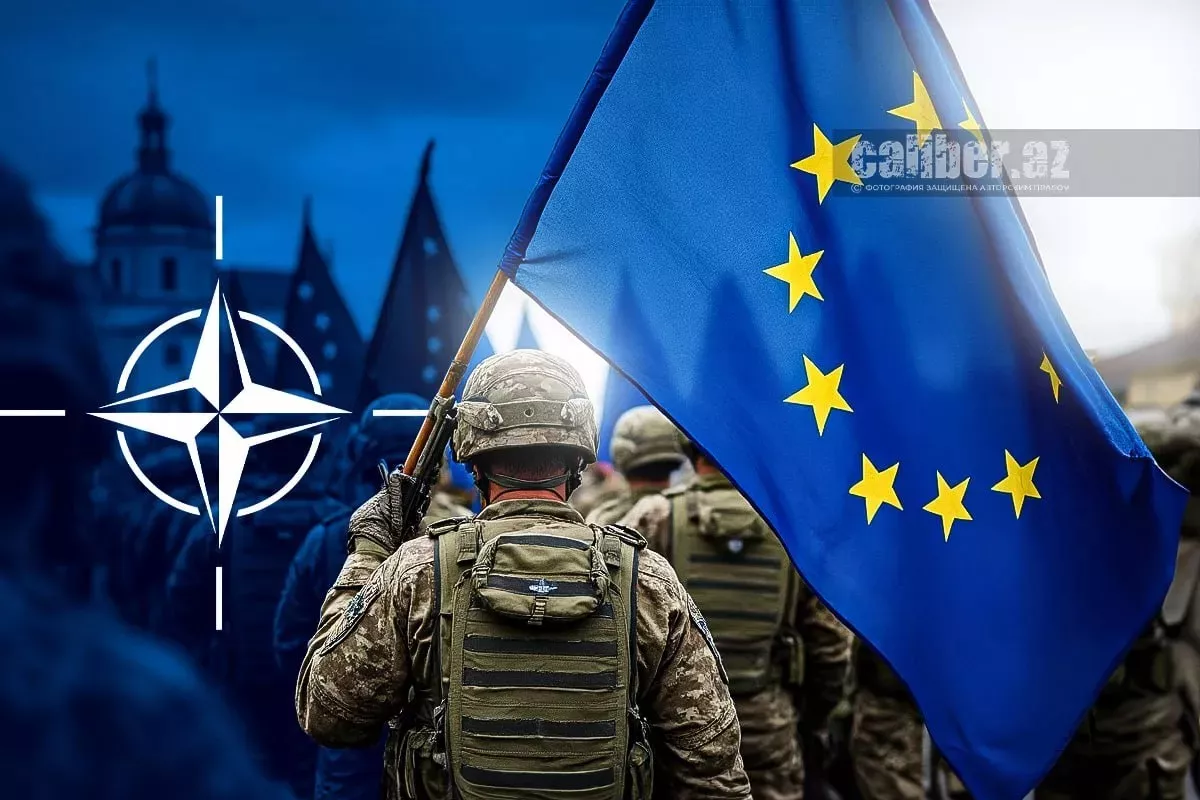
Today, amid discussions in many European countries about the risk of a direct confrontation with Russia in the future, calls for an urgent strengthening of NATO’s defence capabilities are growing louder. However, the defence industry is not a sector that can be rebuilt within a few months: closing a factory may require a political decision, but restoring production chains, bringing back specialists, rebuilding infrastructure, and restarting arms production takes years.
Against this backdrop, many are asking a number of legitimate questions: “Why did Europe fail to recognise an obvious threat after 2008?”; “Why did Germany continue its energy partnership after 2014 with a state that had already seized part of a neighbouring country’s territory?” In this context, Merkel’s current statements, particularly her remark that the goal of the conflict is the existence of a “sovereign Ukraine that can independently and freely make decisions,” sound striking.
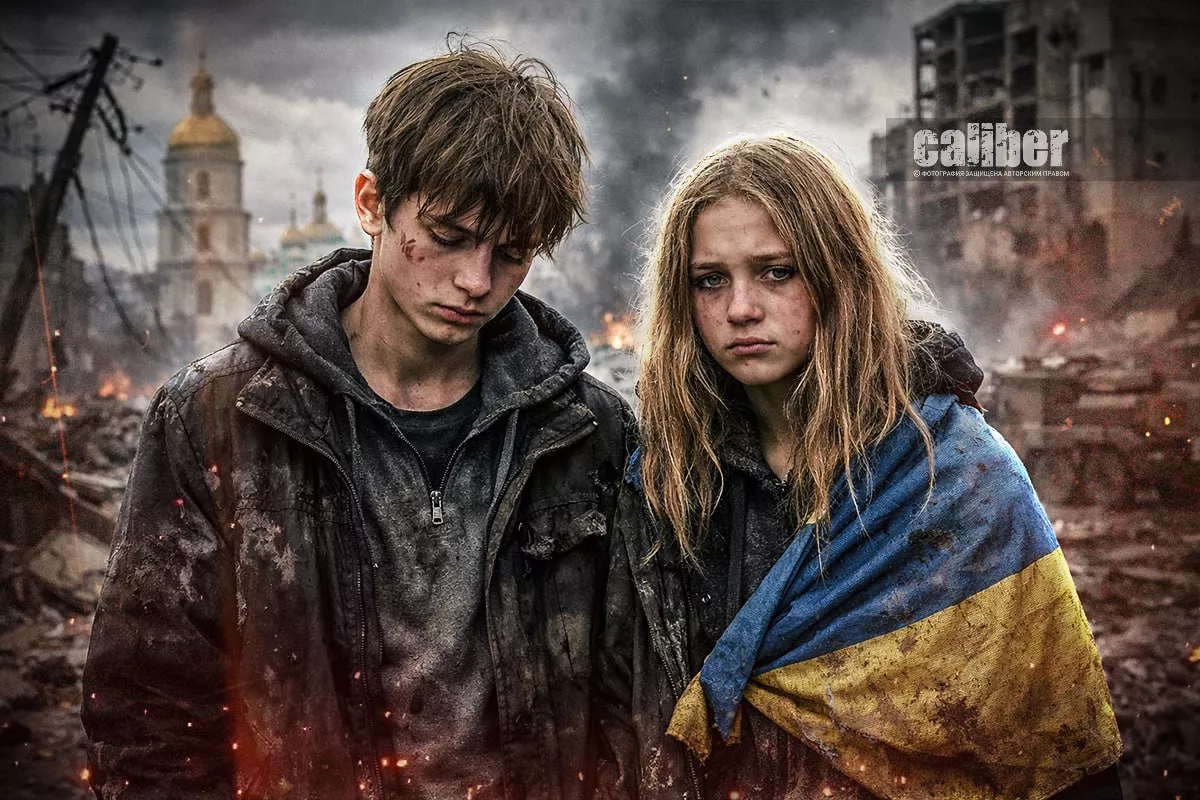
Moreover, her forecast that the war will, “hopefully,” end in ten years is seen by many as political cynicism. For millions of Ukrainians, the war is not abstract geopolitics—it is destroyed cities, hundreds of thousands of dead, millions of refugees and displaced persons, daily missile strikes, and constant fear for the lives of their loved ones. And when European politicians speak of a decade-long war as a kind of strategic reality, more and more people begin to interpret this as a willingness to “fight to the last Ukrainian.”
It creates the impression that part of the Western elite views the current conflict primarily as a tool for the long-term weakening of Russia; in other words, the longer the war continues, the more resources Moscow loses and the weaker Russia’s economy and military potential become. Consequently, Europe gains time to rearm and prepare for a potential future confrontation with the Russian Federation.
However, within this logic there is almost no place left for Ukraine. What will the country’s borders look like after the war? How many citizens will remain living on its territory? How many cities, towns, and villages will still be destroyed? These questions are left unanswered by Merkel. The former chancellor also does not acknowledge that the strategy of “appeasement through trade” has failed, nor does she admit that years of defence spending cuts significantly weakened both Germany in particular and Europe as a whole.
Nevertheless, even without such acknowledgment, it becomes increasingly evident that this is the main historical legacy of the Merkel era, during which the Old Continent preferred to believe in the possibility of stability through compromise with Moscow. Meanwhile, Russia was preparing for the largest war on the continent since the Second World War.







 editor@caliber.az
 +994 55 444-88-98
 Азербайджан, Баку, ул. Низами, 203, Af Business House, 5-й этаж