










A life of hatred The Armenian separatist ideologue meets his end
Upon receiving news of Adolf Hitler’s suicide, Joseph Stalin reportedly reacted with the words: “He played himself out, the scoundrel! It’s a pity we couldn’t capture him alive.” The author of these lines experienced similar emotions upon learning of the death of the seasoned villain Zori Balayan, sincerely regretting that he was not brought to Azerbaijan and subjected to a fair trial for all the crimes he had orchestrated.
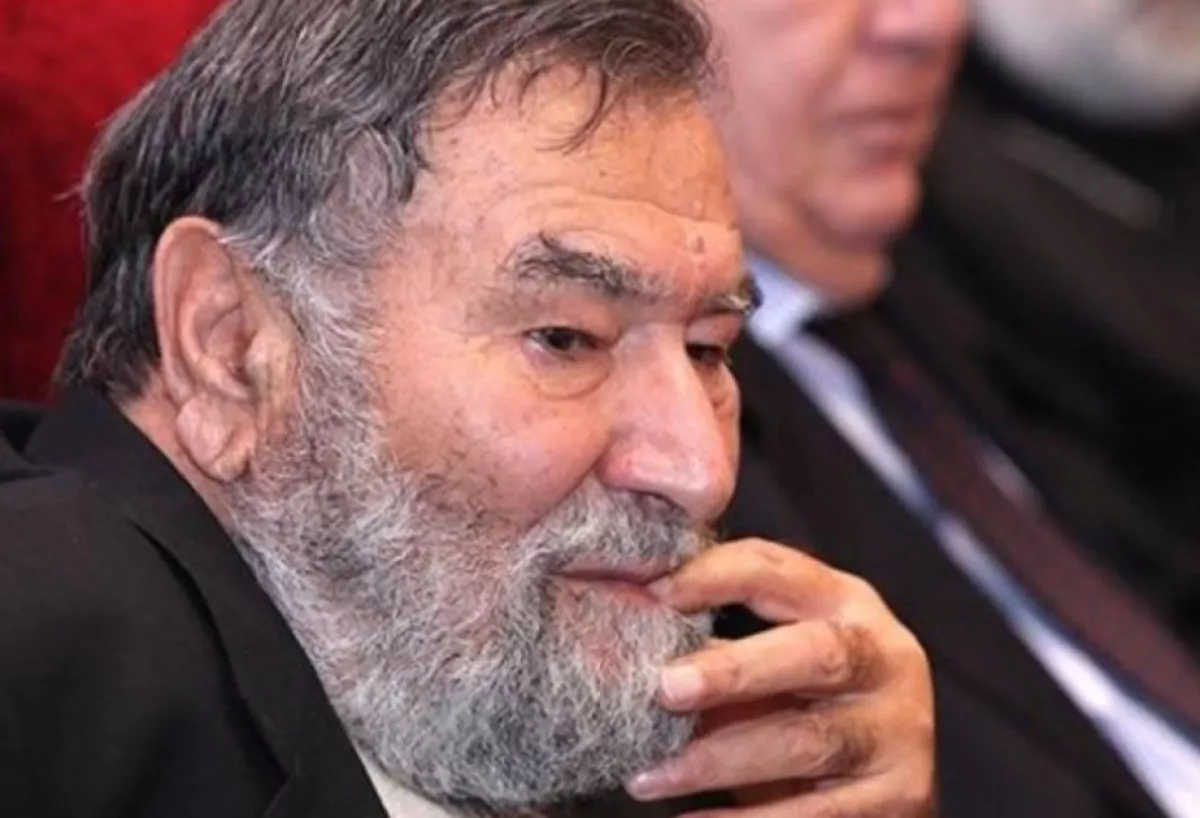
Balayan’s entire biography stands as an example of extreme Azerbaijani-phobia. He was born in Khankendi, where he completed local school—though, curiously, he did not receive his secondary education diploma until the age of 22. Zori apparently relished studying so much that he stayed behind in grades more than once. He later graduated from the Ryazan Medical Institute and worked for ten years as a doctor in Kamchatka. In 1974, he moved to Yerevan and became a correspondent for Literaturnaya Gazeta. In 1981, he wrote a provocative essay titled Ochag, which is filled with overtly anti-Azerbaijani assertions. According to Balayan’s reasoning, “historical Armenia includes Nakhchivan, Baku, Nagorno-Karabakh, Gulustan, Dashkasan, Khanlar, Georgia, and even Central Asia.” Furthermore, he claimed that the Aras River is “an ancient Armenian river that speaks the Armenian language.”
Regarding this hatred-filled manifesto, the Soviet and Russian historian and ethnologist Mikhail Guboglo noted in his book Languages of Ethnic Mobilisation: “In Balayan’s book, offensive remarks against Azerbaijanis are allowed: ‘barbarians,’ ‘vandals,’ ‘wild nomads,’ ‘belligerent nomads.’ There is no need to argue that such ‘labels’ do not foster ethnic tolerance but rather create tension between two neighbouring peoples. It is unnecessary to remind what this tension ultimately led to!”
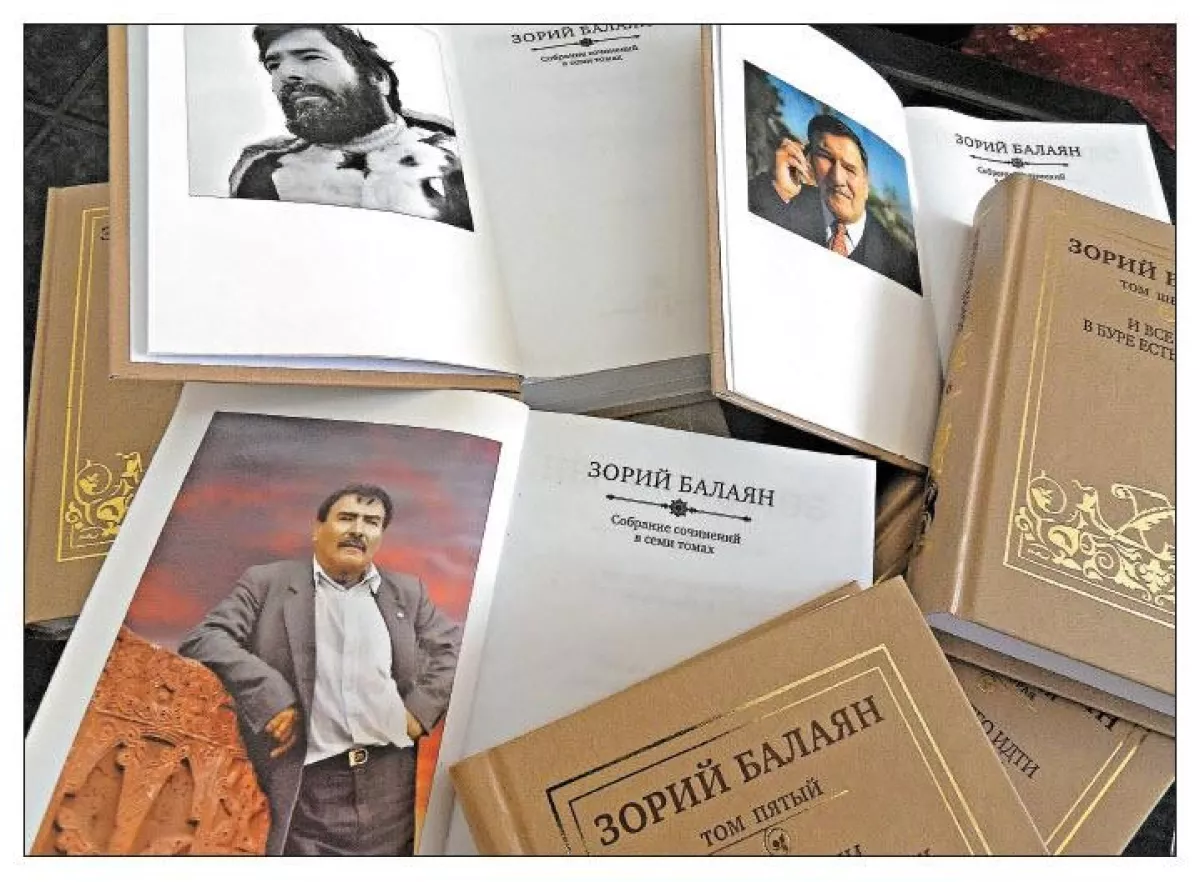
However, in Armenia, instead of sending the author of this “opus” to a psychiatric hospital for appropriate treatment, the opposite happened: in 1981, this “work” was published as a standalone book, and in 1984 it was even reissued.
This occurred during the pre-Gorbachev era, at a time when the Soviet Committee for State Security (KGB) was still a highly influential force, actively combating any phenomena that could threaten the “brotherhood of Soviet peoples.” This fact lends credibility to the claims of experts and conflict analysts who later argued that the KGB itself supervised Armenian nationalists, who subsequently ignited the Armenian–Azerbaijani conflict.
One of the ideologues of this policy—which ultimately led to the occupation of Azerbaijani territories, the mass killings of peaceful Azerbaijani civilians, and the displacement of hundreds of thousands from their homes—was none other than Balayan himself.
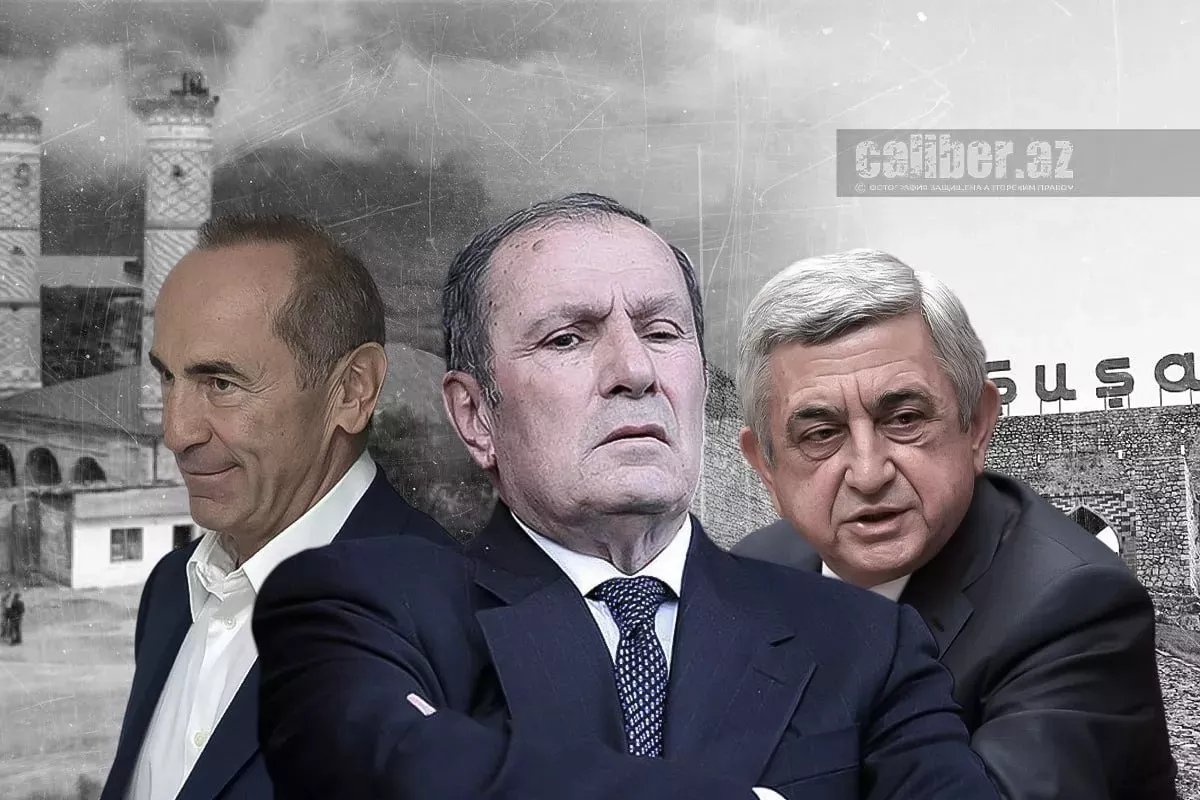
In 1987, the “Karabakh Committee” was established, with its core formed by a group that had coalesced around Igor Muradyan, an employee of the Institute of Economics of the State Planning Committee of the Armenian SSR. He established ties with Armenian academics in Moscow, including those close to the first and last President of the USSR, Mikhail Gorbachev.
All of this led to the first refugees from the Armenian SSR beginning to arrive in Azerbaijan. This was part of a cynical plan by Armenian nationalists—something also reflected in the words of Armenia’s first president, Levon Ter-Petrosyan. Speaking at a meeting with members of the “Yerkrapah” terrorist organisation in July 1993, he stated: “If everything had not begun in 1988, there would be no Karabakh today. We organised the effort, formed detachments, and gained experience. Armenia and ‘Artsakh’ were completely cleared of other nationalities.”
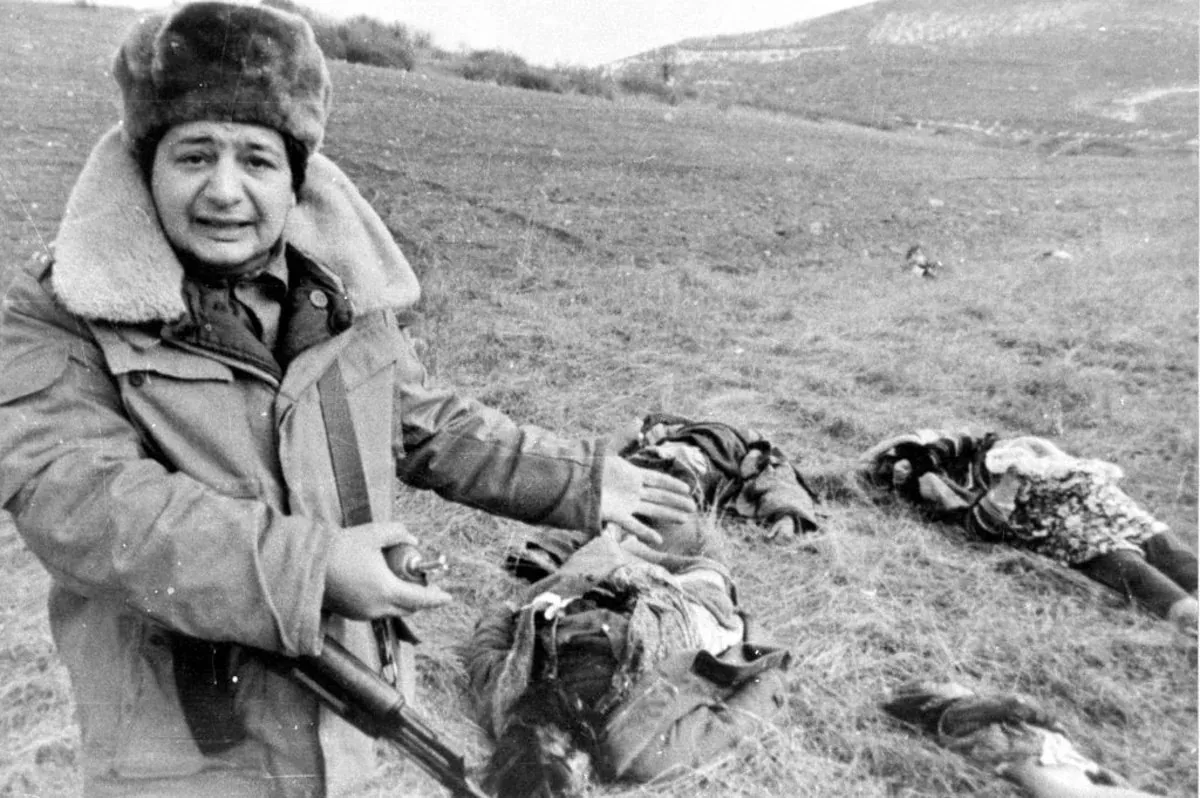
The consequences of the Azerbaijanophobic policies promoted by Balayan and those like him are starkly reflected in the figures: as a result of Armenian aggression, more than one million Azerbaijanis became refugees and internally displaced persons; over 20,000 were killed during the course of military operations; more than 50,000 were left disabled; and thousands went missing, including women, children, and the elderly.
One of the most horrific crimes committed by followers of a Nazi-like ideology at the end of the twentieth century was the Khojaly Genocide, in which 613 civilians from this Azerbaijani town were killed, including 63 children, 106 women, and 70 elderly people. This atrocity, along with all other crimes committed by the occupiers on Azerbaijani soil, was the result of the toxic Azerbaijanophobia instilled in Armenian society by Zori Balayan—someone who, by all accounts, should have faced justice in a Baku courtroom.
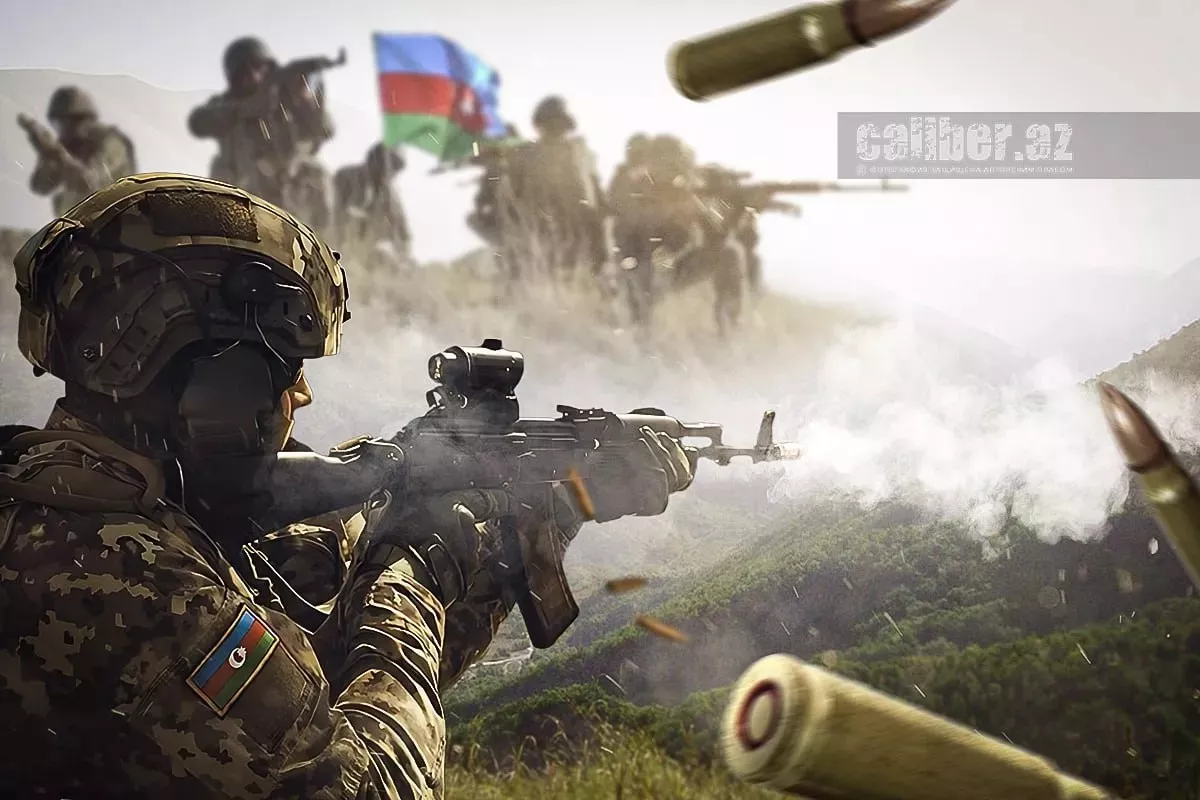
However, this native of Khankendi was, unfortunately, not in the city in September 2023 during the Azerbaijani Army’s anti-terror operation. The instigator of the Armenian–Azerbaijani conflict—about whom even in Armenia it is said that he drove two nations apart while enriching himself and acquiring luxurious property in central Yerevan at the expense of ordinary Armenians—chose instead to watch its finale from afar.
Yet one can readily imagine the inner turmoil this long-time provocateur must have experienced when Azerbaijan fully restored its territorial integrity, and the Azerbaijani tricolour was raised over Shusha, Lachin, Aghdam, Khankendi, and Khojaly—liberated from occupation.







 editor@caliber.az
 +994 55 444-88-98
 Азербайджан, Баку, ул. Низами, 203, Af Business House, 5-й этаж