










“Qarabağ” and the psychology of a victorious nation When spirit conquers all
We have long been convinced that in any speech or interview by the President of Azerbaijan—regardless of the audience—key messages are conveyed to all interested parties. Moreover, these messages are formulated with utmost clarity and precision. It is precisely in this vein that certain nuances of the head of state’s congratulations to Aghdam’s Qarabağ should be viewed, following the club’s victory over Germany’s Eintracht in the main stage of the Champions League.
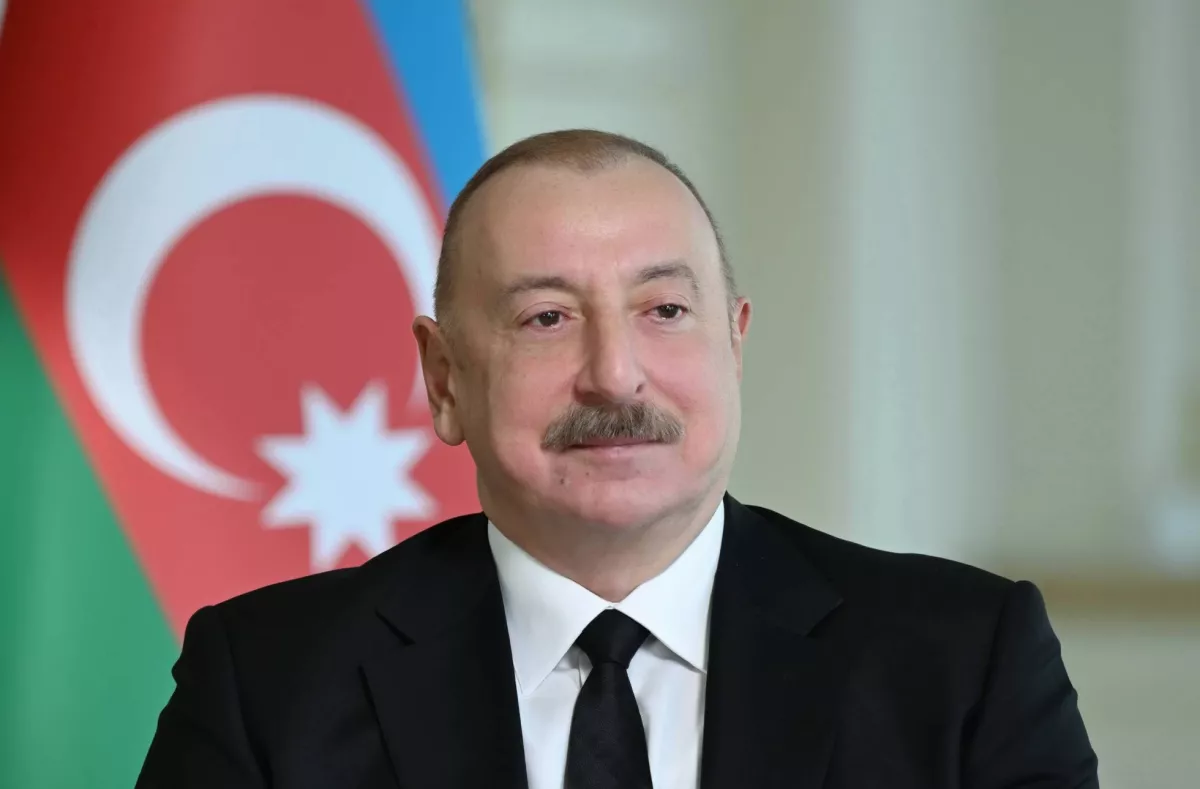
Calling the achievement brilliant, the President of the country emphasised that “despite the unfair and biased decisions of the referee, justice prevailed.” The head of state also noted that this was not the first time UEFA-appointed officials had attempted to block Qarabağ’s path to victory through unfair and prejudiced rulings.
Stating that “it is impossible to defeat justice and an unbreakable spirit," the President expressed hope that UEFA would clarify who had appointed this referee. “Long live Qarabağ!”—this was how the Azerbaijani leader voiced his admiration for the performance of the “Steeds.”
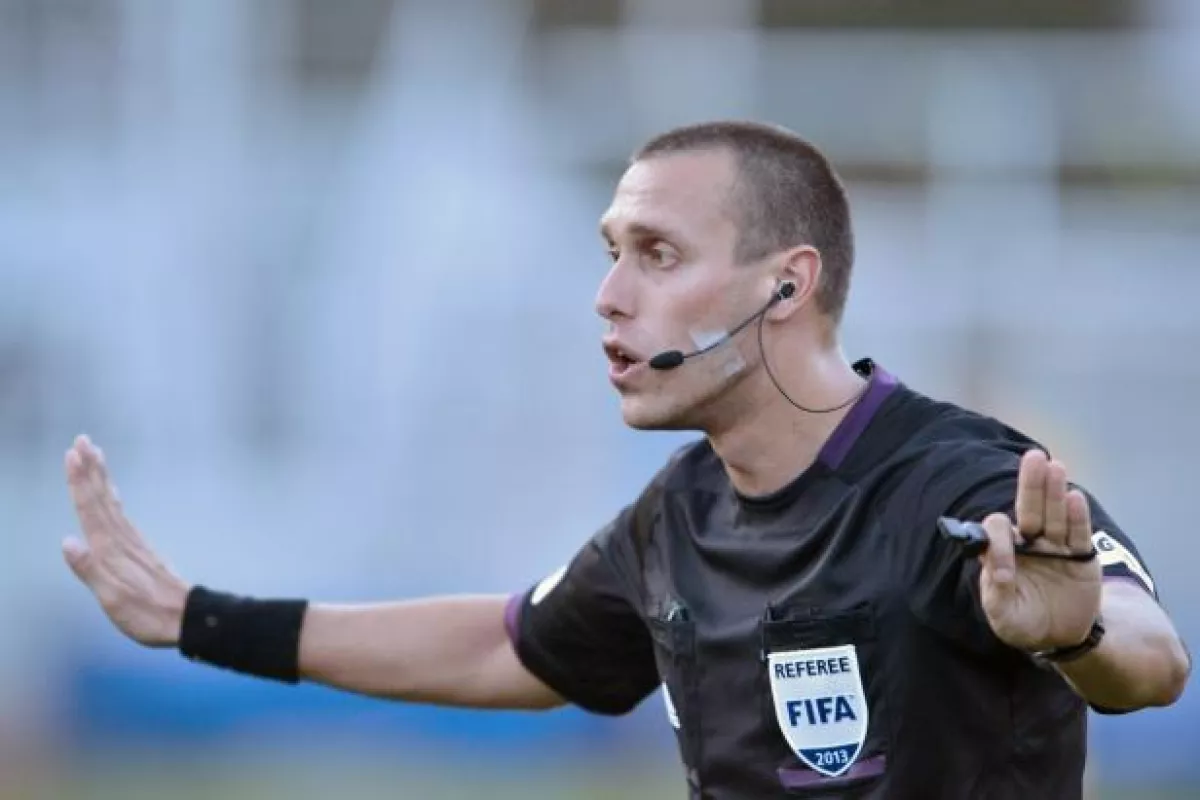
We all remember well how, in 2014, Czech referee Miroslav Zelinka disallowed a one-hundred-per-cent legitimate goal scored by Qarabağ against the renowned Italian club Inter—a goal that would have sent the Aghdam side into the Europa League play-off stage. “The referee disallowed a clean goal. I did not understand why he made such a decision,” Qarabağ’s head coach Gurban Gurbanov said at the time. Although UEFA acknowledged the Czech referee’s mistake, it did not order a replay of the match, limiting itself to a vague promise to punish Zelinka without any specific clarification. As a result, justice was not restored.
Reflecting on Qarabağ’s recent unique comeback, President Ilham Aliyev once again spoke of the triumph of justice, highlighting the team’s unbreakable spirit as one of the key factors. This point is fundamentally important in terms of understanding the Azerbaijani people’s broader approach to this issue. It is precisely for this reason that the head of state’s disclosure of repeated instances of bias and injustice towards the Aghdam club should be viewed far more broadly than within the confines of sport alone.
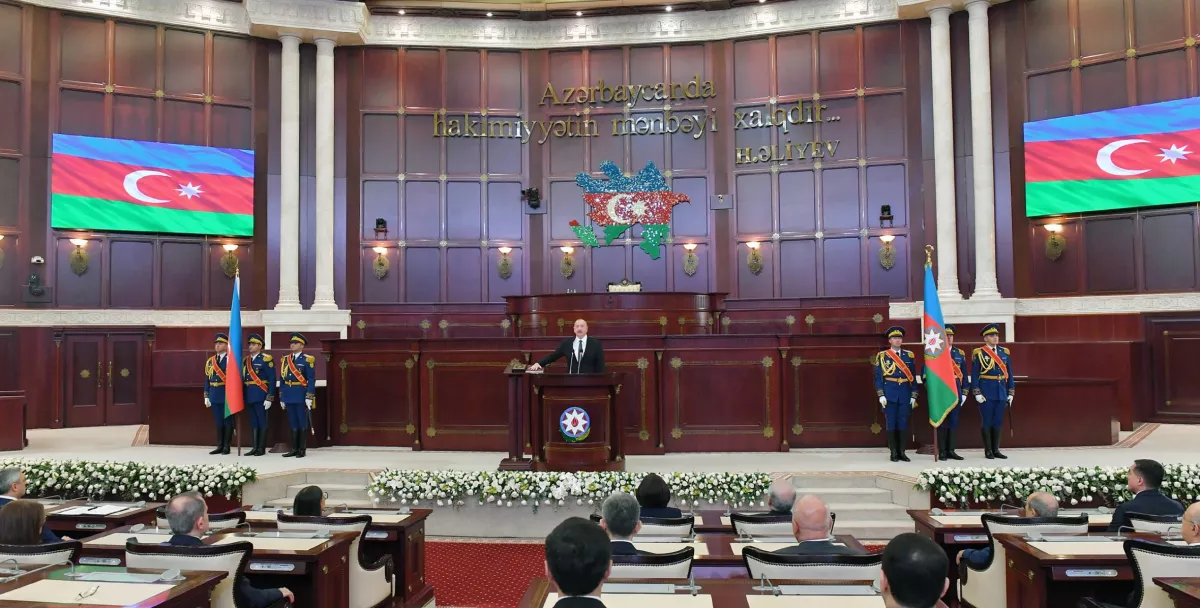
In his inaugural address in February 2024, President Aliyev emphasised that providing schoolchildren with knowledge “about our independence, national dignity, the injustices committed against us over the centuries, not just in the last 30 years, the loss of lands at different times, and our heroic history are of tremendous importance.” In other words, one must learn one’s own history from the school bench. In his congratulatory message, the head of state effectively demonstrated that this applies both to the country’s history as a whole and to individual spheres of public life.
This was clearly reflected in the context of the repeated injustices committed against the Aghdam club on the sporting stage.
At the same time, the President stressed that, despite all the efforts and insinuations on the part of the referee, “justice prevailed.” In this way, Qarabağ once again entered world football history. Yet even here, the emphasis placed by the head of state can be interpreted in a far broader sense.
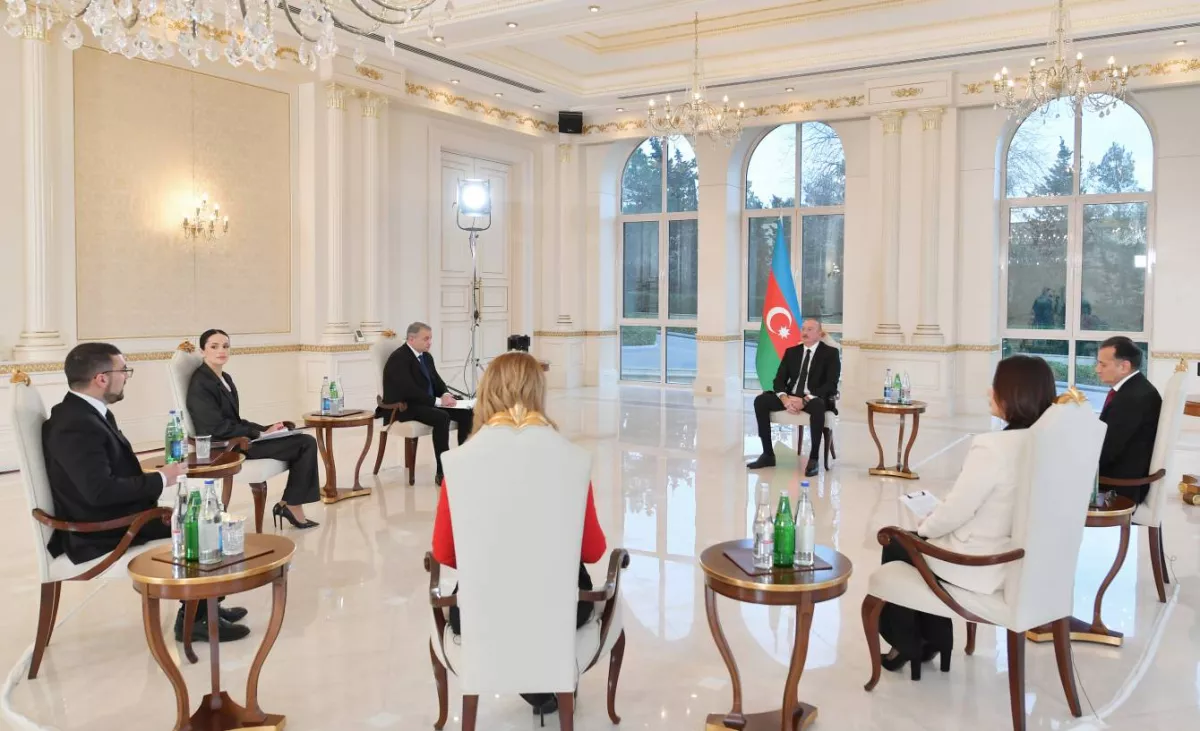
After all, in 2024, he noted: “We should all know that justice does not appear out of the blue and that you have to secure justice. In the modern world, we had long understood this. If you look at my speeches, perhaps for the last 10-15 years, I have repeatedly said that international law does not work. These mechanisms are deployed only for the weaker countries. Bigger states ignore them. For them, it is as if law is not law, international law is not law. Under such circumstances, countries that demand justice, and rightly so, must secure this justice themselves.”
Yes, in this case, he was speaking about the brilliant victory of the valiant Azerbaijani Army in the Patriotic War. But let us agree that similar justice has been achieved not only on the battlefield, but also in diplomacy, the economy, culture, and, as we saw recently, in sport. This is by no means accidental.
Several years ago, Gurban Gurbanov admitted: “After the liberation of the occupied territories, I feel much calmer and more confident; it has become easier for me. The return of the lands is a great victory.”
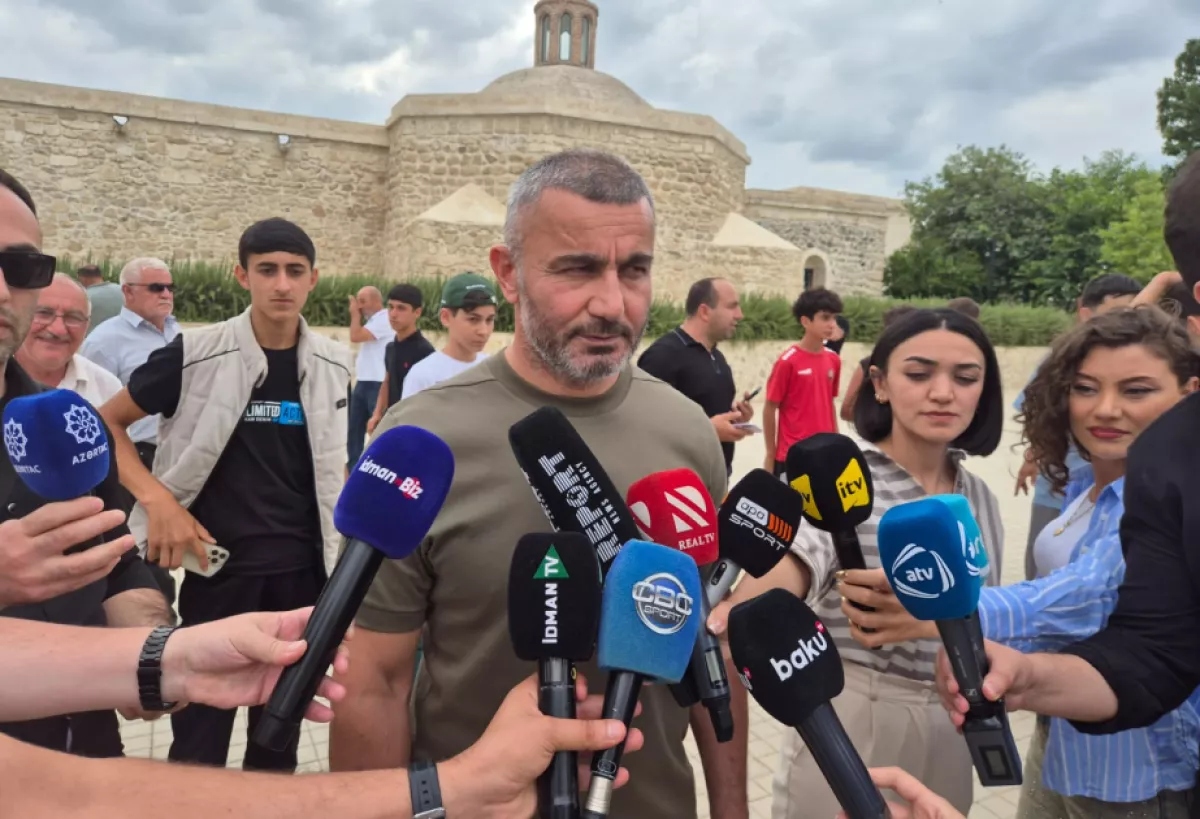
And in 2025, following the team’s trip to Aghdam, Shusha, Khankendi, and Fuzuli, the head coach of Qarabağ pledged: “We will strive to achieve better results in the period ahead. As I always say, our responsibility grows with each passing day.”
Thus, the point repeatedly emphasised by President Ilham Aliyev—that we are a victorious nation and possess the psychology of winners—has been vividly confirmed in practice.
That is precisely why, after equalising against Eintracht, the Qarabağ players did not waste time, but immediately ran to the centre circle, eager to restart the match as quickly as possible and score the winning goal. And they succeeded.
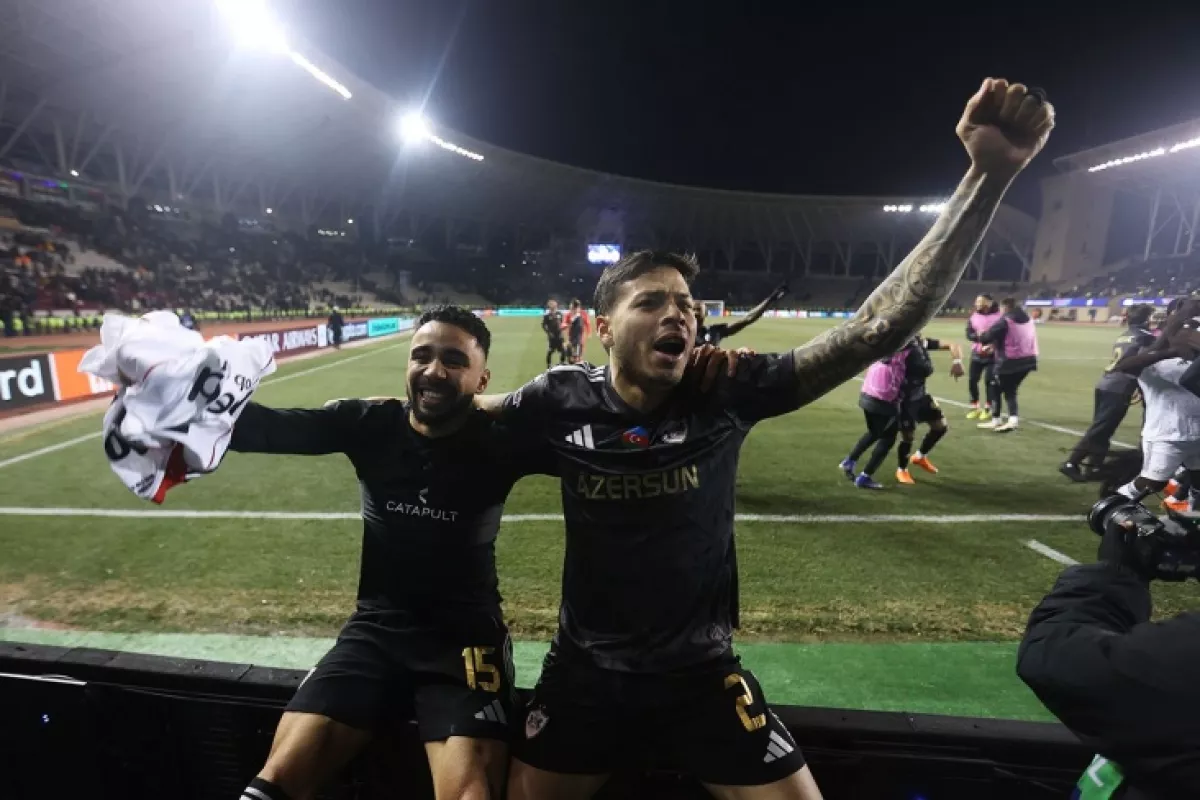
As a result, the Swiss referee was humiliated, and the entire football world was stunned by the goal scored by the Aghdam team just seconds before the final whistle. It is also noteworthy that almost none of the fans left the stadium, even after Qarabağ conceded a goal ten minutes before the end due to an unfairly awarded penalty.
Let us echo President Ilham Aliyev: justice prevailed. Today, every member of the Azerbaijani nation possesses the psychology of a winner—and this was clearly reflected in the performance of the Qarabağ players, who represent different countries and continents.
Thank you, Qarabağ, for this brilliant and truly symbolic achievement!







 editor@caliber.az
 +994 55 444-88-98
 Азербайджан, Баку, ул. Низами, 203, Af Business House, 5-й этаж