










America’s global takeover Goodbye, traditional UN
There’s an old saying: when small nations quarrel and the UN steps in, the dispute usually ends. When a small nation clashes with a large one, the small nation disappears. And when two giants go head-to-head, it’s often the UN itself that vanishes. I once joked that the US is becoming a new UN. At first, it sounded absurd—but these days, it feels more like a slow-moving reality.
The US has been quietly assuming roles traditionally reserved for international organisations. This didn’t start with Donald Trump. The first obvious nail in the coffin of international law was hammered by President Bush in 2003, when the US invaded Iraq without Security Council approval. Today, the trend continues. Look at the Venezuelan tanker incident—or, before that, boats accused of transporting drugs.
Step back from the headlines, and the pattern is clear: the US is acting as a one-stop international authority. Maritime security, port control, anti-drug enforcement—all rolled into a single, unilateral operation. And who cares that no international body has a mandate to be prosecutor, judge, and executioner all at once? In practice, the US has taken over that role—and the world is watching.
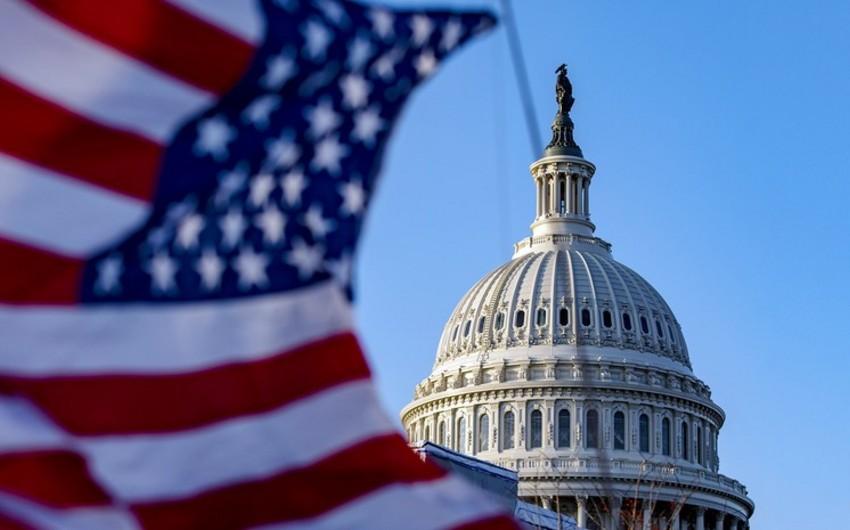
By taking control of Venezuela’s oil, the United States acts partly like OPEC and partly like the WTO. By removing Maduro, it assumes the role of both an International Tribunal and the International Criminal Court at once. Openly telling Mexico and Colombia how to live – or how not to – Washington is taking on the functions of the Organisation of American States (OAS), whose headquarters are already in Washington, while discarding the ideas behind the Community of Latin American and Caribbean States, originally conceived as a counterweight to the OAS.
By the way, has anyone noticed the mind-boggling contrasts in how the U.S. president interacts with Colombia’s president? Just a few days ago, Trump told the Colombian leader to “watch his ass”—literally. Petro responded with a tirade about readiness to take up arms, and so on. On the surface, Gustavo Petro seemed like a candidate for a second Maduro. Yet, after a phone call this week, the U.S. president said it was an honour to speak with Petro and that they had resolved the matter. At the height of the conflict, the Colombian president even accused the U.S. president of being part of a pedophile ring (!). Yet in the end, the White House got everything it wanted from Bogotá. Without it, there would have been neither a phone call nor an “honour.”
Now it’s Mexico’s president’s turn to explain herself. And I’m sure this, too, will “be resolved.” No one wants—or can afford—to argue with Americans who are ready to use force. The U.S. military budget exceeds ten times the combined budgets of the next ten largest countries. If the U.S. spends $100, countries ranked 2nd through 11th together spend less than $100. Draw your own conclusions!
What’s happening in the U.S. with illegal immigrants mirrors the international model of agencies like the UNHCR and the International Organisation for Migration. While those organisations focus on providing shelter and support, the American counterpart, ICE (Immigration and Customs Enforcement)—a name that, ironically, also means “frozen water”—is tasked primarily with deporting individuals without legal status.
The United States is deliberately restructuring the international aid system—without consulting the existing framework. It’s cinematic in its simplicity: if something goes wrong, they just turn off the funding. And that’s exactly what’s happened—first USAID’s role was curtailed, followed by the decision to cut support for NGOs. Washington now prefers to work directly with foreign governments.
Is there a risk of corruption in this approach? Certainly. But was the old system—whether through USAID or international and local NGOs—immune? Hardly.
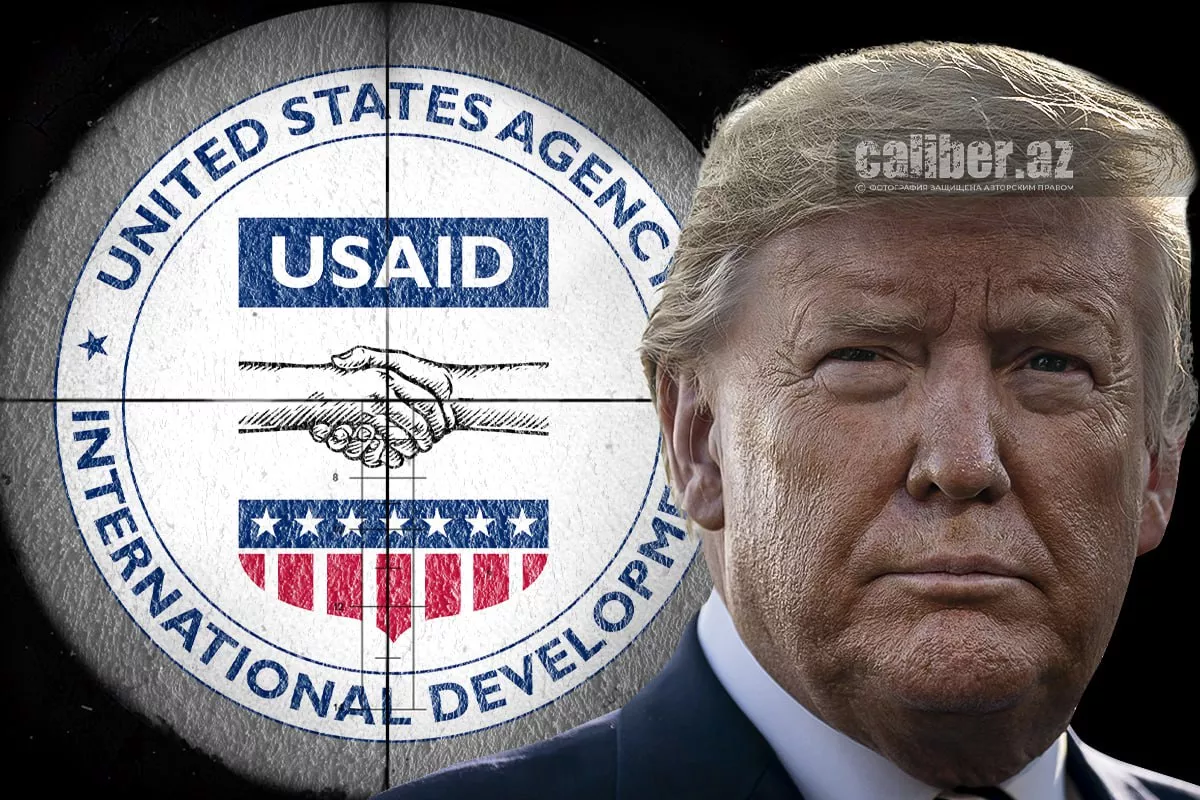
The United Nations welcomed the allocation of $2 billion for humanitarian needs. A sizeable sum—on paper. Yet compared with previous levels of U.S. funding, it is little more than pocket change.
A few months ago, I mentioned what appears to be a three-tier classification of UN bodies in the eyes of the White House: useful (they will receive funding), neutral (neither helpful nor harmful—let them survive if they can), and harmful (shut them down, period). The latest U.S. decision to withdraw from 66 international organisations, including many UN-affiliated bodies, vividly confirms this utilitarian approach—once again, it seems, accurately.
In reality, the second and third categories are in the same boat: almost any organisation deprived of U.S. funding is doomed. As for peacekeeping, it is hardly worth discussing—few take the UN seriously in that role anymore. Meanwhile, the United States is increasingly presenting itself as an exclusive peacekeeper, even something of a monopolist. And, at times, it does so with notable effectiveness.
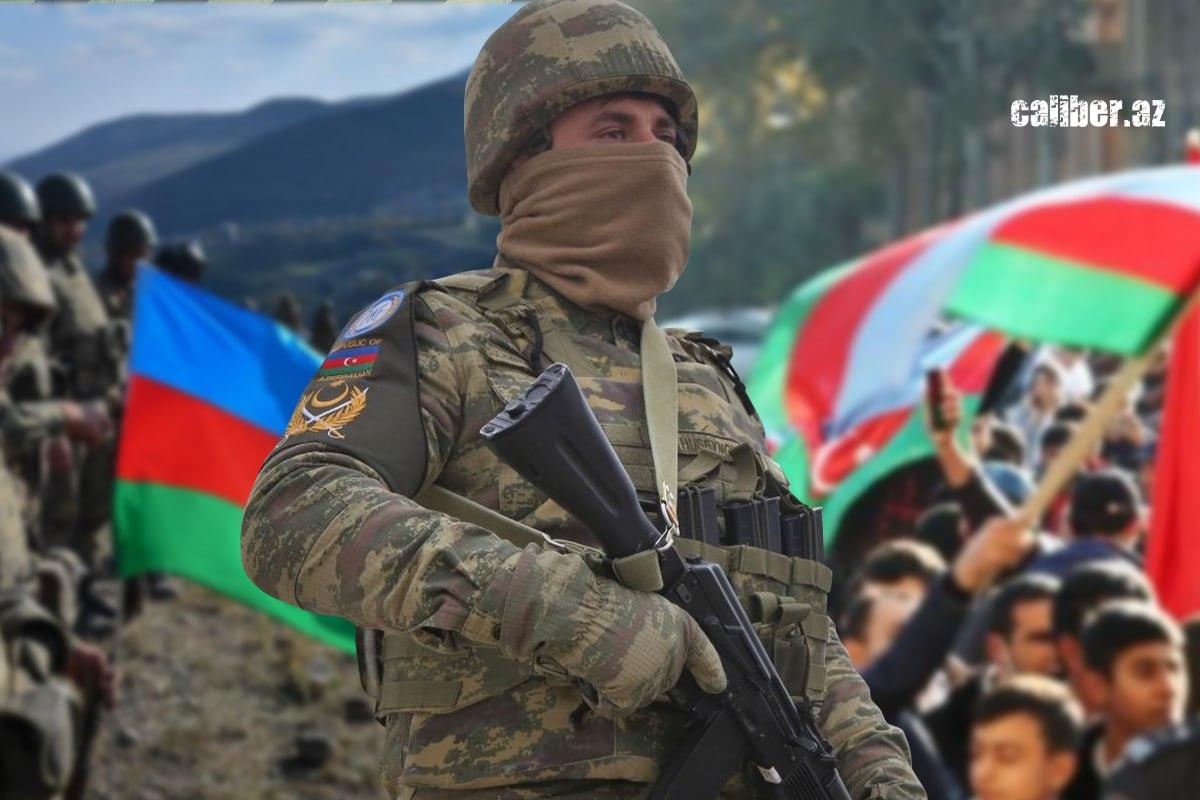
Some may think I welcome this. God forbid. Not at all. But denying the obvious is pointless. We have long spoken about the atrophy of traditional international law—a point the Azerbaijani president stated with exceptional clarity just days ago. He also demonstrated, practically, how to force a dysfunctional system to work. Remember the saying: if you want something done, do it yourself? That is exactly what we did in 2020 and 2023, after realising that international law moves nowhere unless it is dragged. One can be right a thousand times—de jure and de facto. No one cares. Until you start beating the drums and playing victory marches.
Saying goodbye to the traditional UN, as we once knew it, is like bidding farewell to youthful dreams—to hopes that never came true. Everyone wants to believe in a fairy tale, and in many ways, the UN was exactly that. Despite its flaws, it stood as a symbol of hope.
Dag Hammarskjöld, the UN Secretary-General and the only person in history to receive a Nobel Prize posthumously—killed in a plane crash during a peacekeeping mission to Congo in 1961—once said that the UN was not created to lead humanity to paradise, but to save it from hell. Focusing on that purpose, the rumours of the UN’s death are not just exaggerated—they are wildly overstated. Today, of course, the lines between hell and paradise are a bit blurred.







 editor@caliber.az
 +994 55 444-88-98
 Азербайджан, Баку, ул. Низами, 203, Af Business House, 5-й этаж