










Ukraine: From the Holodomor to the “Coldomor” Frost, missiles, victims
Ukraine’s history contains many tragic chapters filled with pain, mourning, and sorrow. One of them is the Holodomor—the famine inflicted on the Ukrainian people by the leadership of the Soviet Union in 1932–1933. Today, in the 21st century, Ukrainians are facing a new nightmare: the absence of heat in homes and apartments during bitter winter frosts, a consequence of Russian missile and drone strikes on Ukraine’s energy infrastructure.
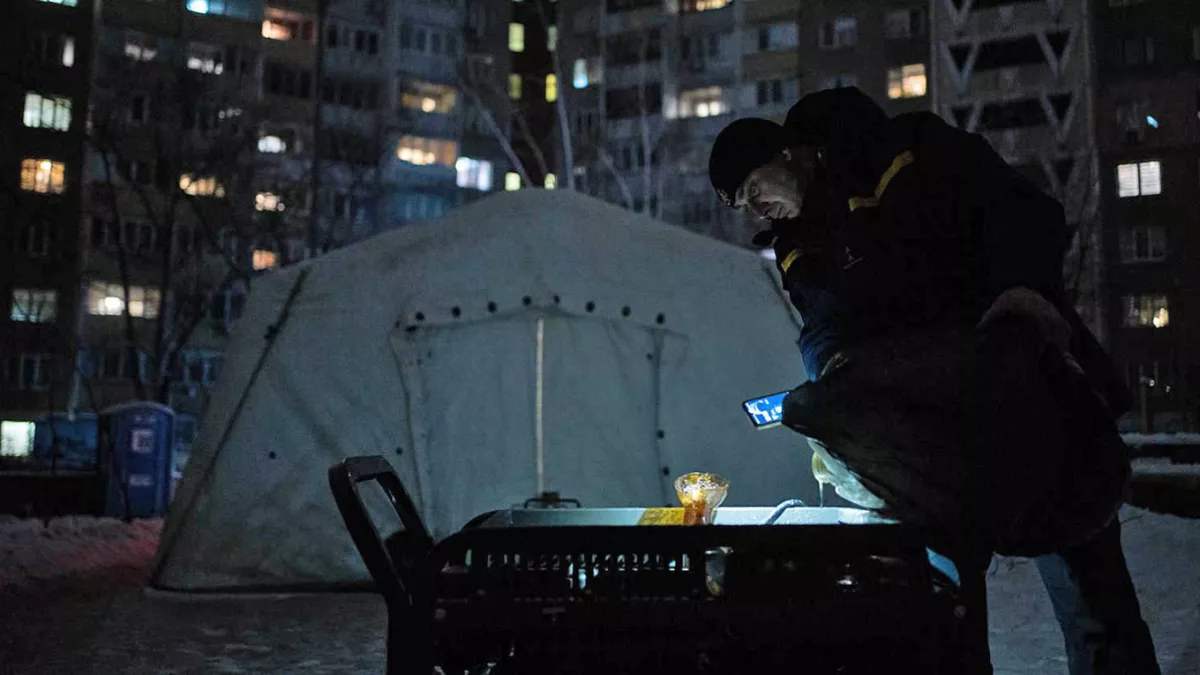
According to Ukraine’s State Emergency Service (SES), citing data from the Ministry of Health, 63 people have died from hypothermia across the country over the past six days. Of these, eight died in hospitals, 41 were found outdoors, and another 14 died in their homes. During the same period, 1,146 people sought medical assistance for frostbite or hypothermia, 945 of whom were hospitalised.
It should be noted from the outset that these figures reflect only official statistics. In reality, the number of people who have died from exposure to the cold in Ukraine is likely to be significantly higher. There are strong reasons for this assessment. Ukraine is a vast country, with many villages located far from major infrastructure and emergency services. The fate of residents in such areas during this severe winter period—when the state is grappling with serious electricity and heating shortages—often remains unknown.
Moreover, even in large cities, many people live alone without relatives or close contacts, a situation that is regrettably common. It is entirely possible that some of them have died from the cold without their deaths being promptly discovered or reflected in official records.
Meanwhile, in Kyiv, at the time of writing this article, the air temperature stood at minus 22°C, but due to strong winds it felt like minus 34°C. Such severe frosts are expected to persist across the country until February 5, and no one can predict how many people will die during these days. What is known is that 244 residential buildings in the capital remain without heating following a major breakdown in the energy system.
All this is happening against the backdrop of a statement made late last week by US President Donald Trump, who said that Vladimir Putin had agreed to a temporary halt to strikes on Ukrainian cities starting from the night of January 30. The White House said this so-called “energy truce”, implying a suspension of attacks on Ukraine’s energy infrastructure, would last for one week.
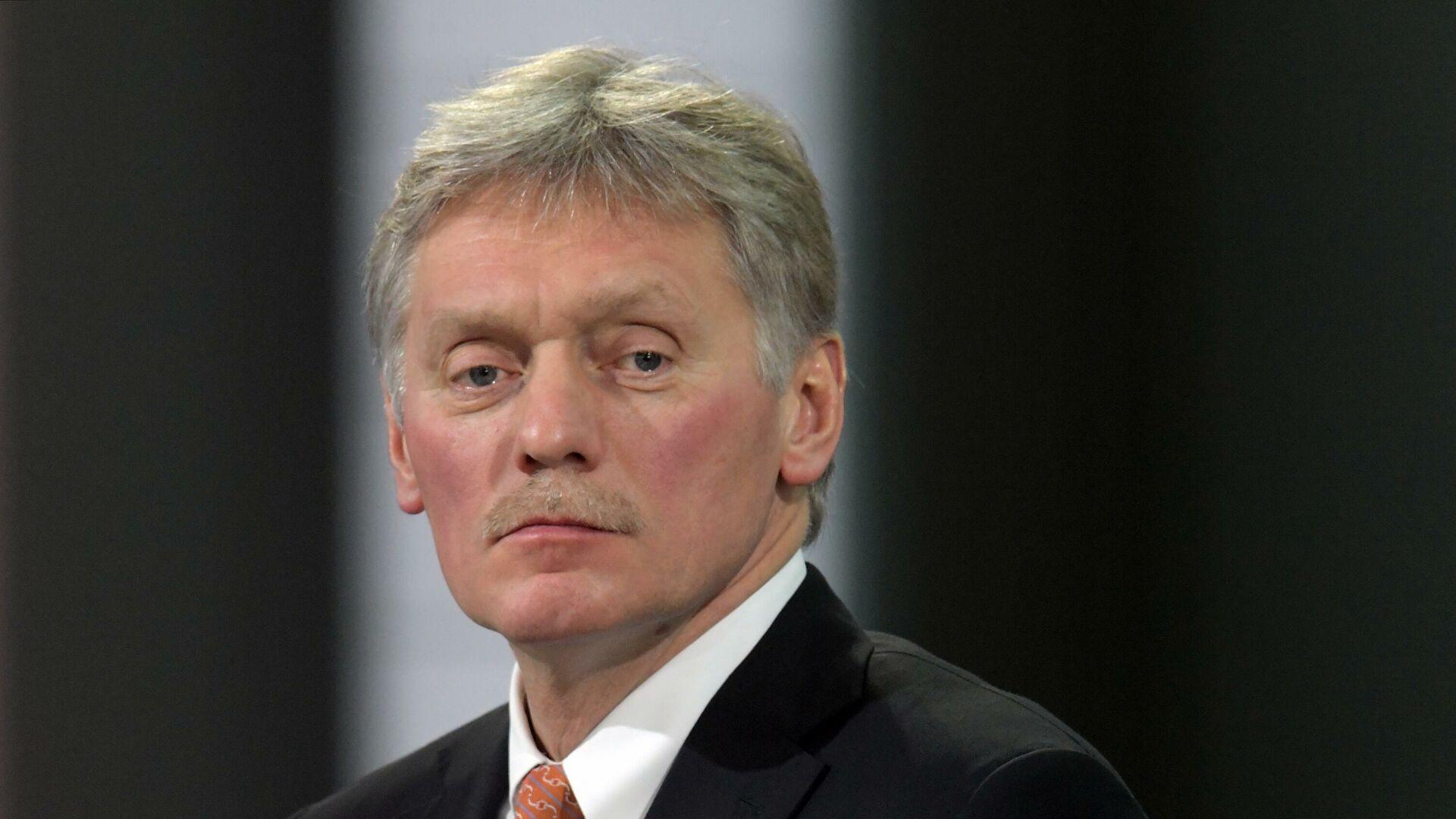
However, adjustments were introduced the very next day. Kremlin spokesperson Dmitry Peskov stated that “Russia agreed to suspend strikes on the Ukrainian capital until February 1 in order to ensure ‘favourable conditions’ for the peace process.” In other words, he is attempting to portray Russia’s actions as little short of an act of mercy. And this comes after missile strikes on Ukraine’s energy infrastructure, hospitals, schools, kindergartens, and residential buildings.
After the “energy truce” came into force, Russia refrained from striking energy facilities, yet it continued attacks on Ukrainian cities. Thus, on the night of January 30, Russian forces launched 111 drones and an Iskander-M missile at Ukraine. “A ballistic missile strike and 25 attack UAVs were recorded at 15 locations, as well as the fall of downed UAVs at two locations,” Ukraine’s Air Force reported.
In addition, Russian troops stepped up drone attacks on logistics routes along the Bohuslav–Petropavlivka section, using Starlink communications.
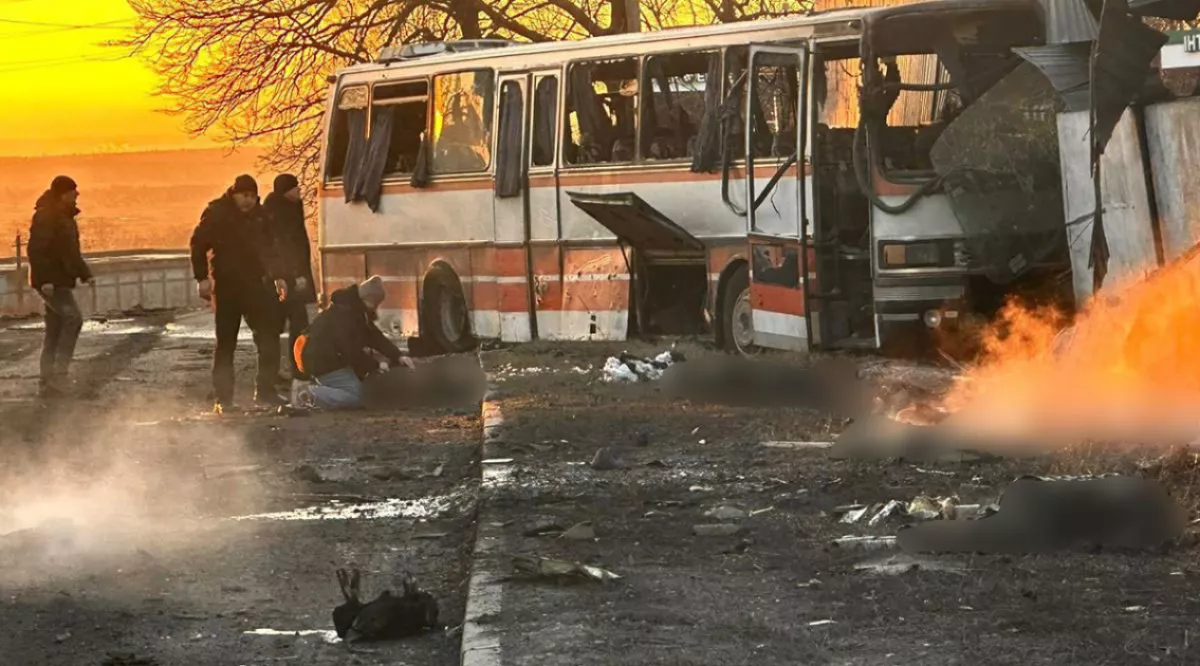
According to Ukraine’s Vice Prime Minister for Restoration and Minister for Communities and Territories Development, Oleksii Kuleba, at least 16 people were killed as a result of shelling of a bus in the Dnipropetrovsk region that was transporting workers home after their shift at an enterprise.
Against this backdrop, the findings of a survey conducted by Russia’s Levada Centre draw particular attention. The poll, carried out between December 11 and 19, 2025 and covering 1,618 respondents across 50 regions, shows that 73% of Russians support the actions of the Russian army in Ukraine, while only 18% consider them wrong. As we can see, the majority of those surveyed approve of the destruction of Ukrainian cities, missile and drone strikes on residential buildings, schools, kindergartens and hospitals, as well as the adoption of the “Coldomor” tactic, the number of whose victims is growing daily.







 editor@caliber.az
 +994 55 444-88-98
 Азербайджан, Баку, ул. Низами, 203, Af Business House, 5-й этаж