










Ukraine between darkness and light Stories of resilience amid Russian attacks
Since the start of the current heating season, the Russian Federation has carried out 256 strikes against Ukraine’s energy sector, according to the Security Service of Ukraine (SBU). These figures do not include the attacks that took place on January 20 and January 24.
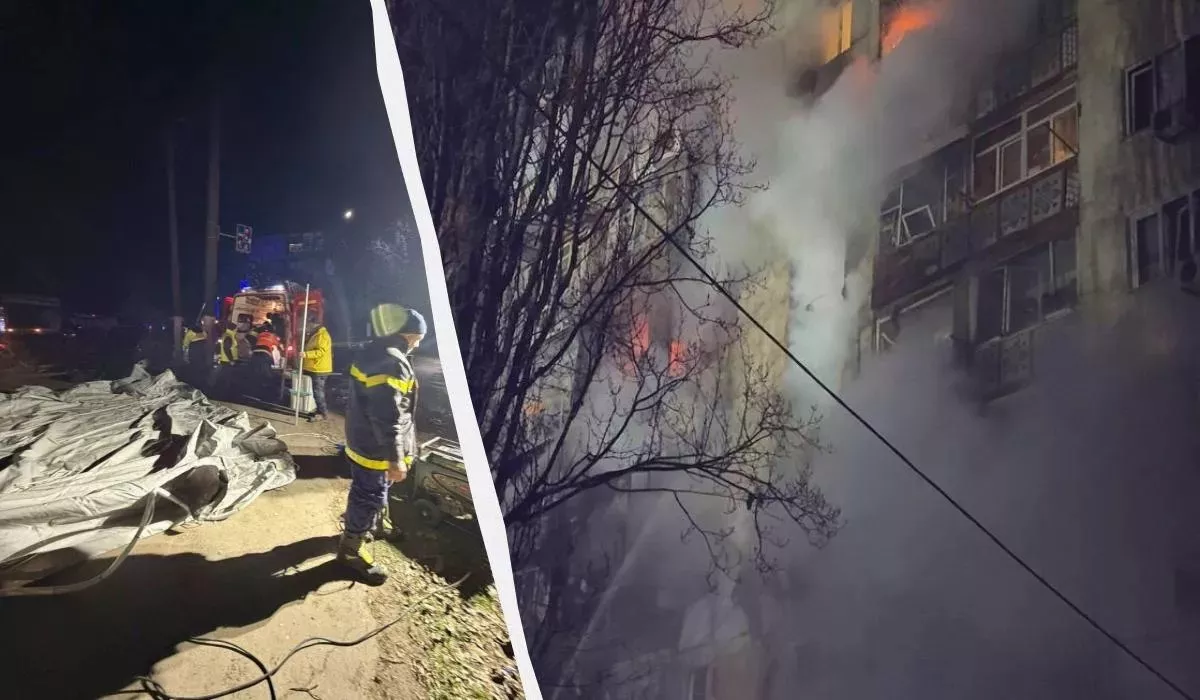
Meanwhile, on January 20, Russia launched approximately 34 missiles and nearly 339 drones at Ukrainian territory. Four days later, on January 24, dozens of missiles of various types were fired, including Zircon, Kh-22/Kh-32, Iskander-M, and S-300 systems, accompanied by roughly 396 unmanned aerial vehicles of different classes. These figures are alarming. Yet they also provide a clear and unambiguous insight into the true objective behind Russia’s actions: to plunge Ukraine into darkness and cold in an effort to break the will and resilience of the Ukrainian people. Once again, however, this strategy has failed.
There is no doubt that the destruction caused by Russia’s missile and drone strikes is enormous. Countless residential buildings in Kyiv, Odesa, Kharkiv, Dnipro, and many other cities have been left without electricity, water, or heating for extended periods. Yet efforts to deal with the consequences of these attacks have not ceased for a single hour.
At the same time, Ukrainians have long learned to confront these challenges on their own. In the building where I live, residents are now pooling resources to purchase a high-capacity generator that would allow water to be pumped to the upper floors and ensure the uninterrupted operation of elevators. The cost is 10,000 hryvnias ($235) per apartment. In fairness, our building acted relatively late; in many other high-rise buildings across Kyiv, generators were installed long ago.
As a result, both large and small grocery stores continue to function. In effect, they have become vital neighbourhood hubs—places where residents can buy hot, ready-to-eat meals, which is critically important under the current circumstances. Particular gratitude is owed to the employees of these stores, whose dedication helps residents of surrounding buildings endure and survive these harsh and nightmarish conditions.

Undoubtedly, special gratitude is owed to Ukrainian power engineers, rescuers, and emergency service workers, who quite literally risk their lives every day. On January 25, a rescuer was killed—a fact reported on Telegram by Ukraine’s Minister of Internal Affairs, Ihor Klymenko: “Today, Ukraine lost a rescuer. During emergency repair work at one of Kyiv’s energy facilities, a 31-year-old high-altitude rescue specialist, Oleksandr Pitaichuk, was killed. He fell from a height of 20 meters. His injuries were fatal.”
In turn, the head of the State Emergency Service of Ukraine (SES), Andrii Danyk, added: “We have lost a person who was not merely doing his job. He was working at the boundary between chaos and the normal life of the city, so that homes would have light and warmth, and Kyiv’s residents would retain hope that everything would be all right. […] Behind every light switched on in an apartment stands the labour of people like Oleksandr. Work carried out amid smoke, at great heights, in the air and under water, under the threat of repeated attacks, at the very limits of human endurance.”
Here is another example of extraordinary heroism: after a Russian strike, one of Kyiv’s combined heat and power plants was partially flooded, creating a threat to the stable supply of heat and electricity for thousands of the city’s residents. A damaged pipeline caused water to rapidly fill the plant’s technical rooms, and in temperatures as low as –15°C, SES rescuers submerged themselves to stop the leak. The operation lasted six days without pause. Thanks to the divers’ efforts, the situation was stabilised, allowing energy workers to continue restoring the equipment that powers critical infrastructure. It is thanks to heroes like these that Ukraine endures.
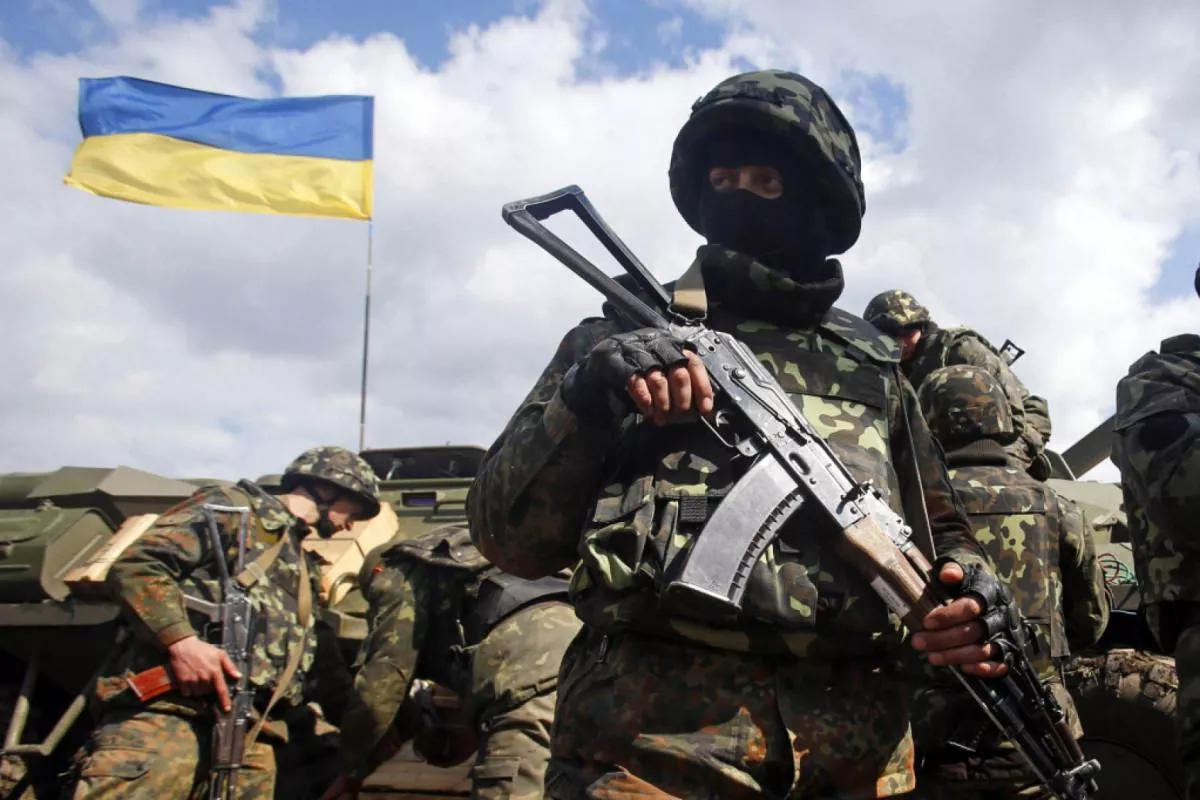
Without a doubt, the most striking examples of heroism come from the Ukrainian Armed Forces. Recently, a serviceman approached me, asking for the location of the nearest PrivatBank branch. I offered to guide him, and along the way we started talking. His name is Andrii. He is currently fighting near Sloviansk and, before that, had already served in some of Ukraine’s fiercest conflict zones.
“Hard. Very hard. Especially when you lose those you were talking to just yesterday, dreaming about the end of the war. But don’t doubt us—we will break through. We will endure,” he said firmly, looking at me with his tired blue eyes. Andrii is 27, yet his hair is already completely gray. How many more young men like him are there in Ukraine—prematurely gray, who have been fighting for nearly four years against a vast nuclear power? Tens of thousands. It is precisely their resilience and heroism that bind and inspire the Ukrainian people.

On Sunday, a mini-concert took place in one of Kyiv’s shopping malls: soldiers performed a variety of songs, and at the end, they played Chervona Ruta. Everyone in attendance applauded and contributed whatever they could to a special collection box supporting the Armed Forces of Ukraine. Even a grandfather of around 75–80 years, whose pension I’m sure barely covers his daily needs, dropped in 200 hryvnias ($4.62).
Can such people be defeated? The answer is clear—impossible. No matter how many more missiles and drones are launched against Ukraine…







 editor@caliber.az
 +994 55 444-88-98
 Азербайджан, Баку, ул. Низами, 203, Af Business House, 5-й этаж