










The language Tehran understands Pakistan, Azerbaijan, and the price of Iranian irresponsibility
On March 6, Pakistani Prime Minister Shehbaz Sharif called Azerbaijani President Ilham Aliyev amid an Iranian drone attack targeting the country’s civilian infrastructure. Sharif condemned what Baku rightly classified as a terrorist act and emphasised that the state and army of Pakistan stand alongside the Azerbaijani state and army. Aliyev, in turn, stated that Azerbaijan will always defend the just cause of brotherly Pakistan. Both leaders concluded that their countries stand together in both good times and bad.
This phone call could, of course, be dismissed as routine diplomatic solidarity. However, such an interpretation would miss the crucial point — namely, that behind the formula “the state and army of Pakistan stand with the state and army of Azerbaijan” lies a nuclear-armed power. And this detail is clearly understood in Iran — a country that, for decades, has been obsessively striving to possess what Islamabad has long had.
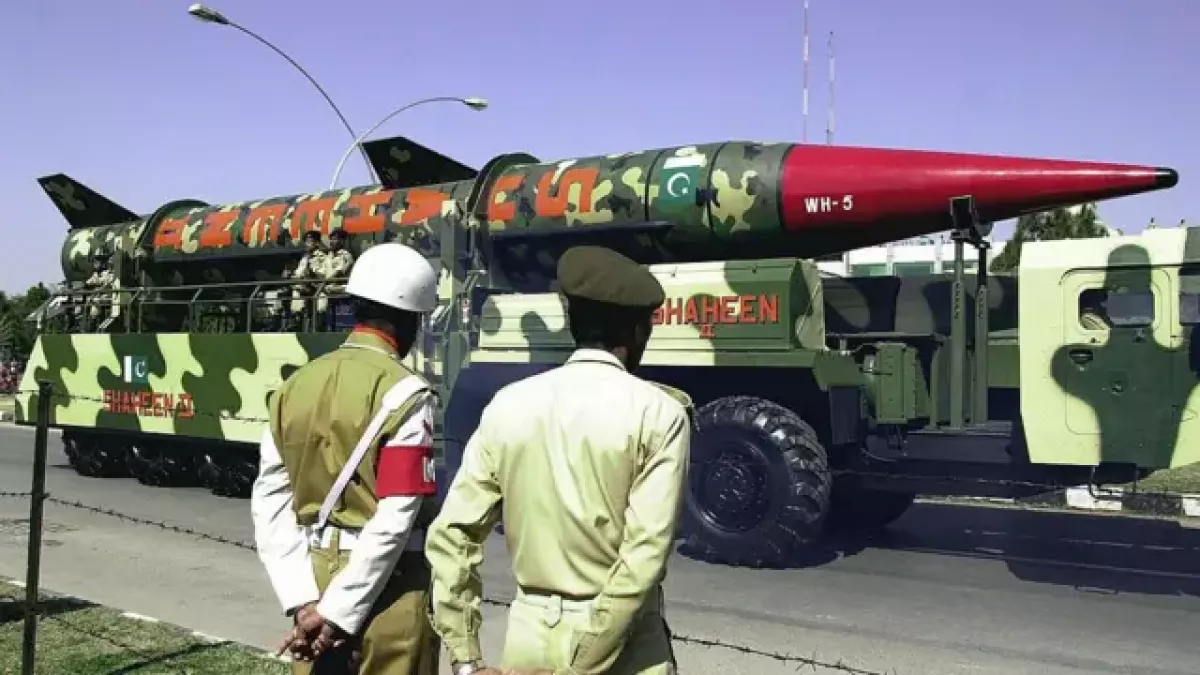
To assess the real weight of Sharif’s words following the strikes on Nakhchivan, it is necessary to understand the nature of Azerbaijani–Pakistani relations. We are talking about an alliance built over decades, tested in practice, and demonstrated in situations where most countries preferred diplomatic neutrality. Pakistan is one of the few countries in the world that has, for more than three decades, refused to recognise Armenia — doing so solely out of solidarity with Azerbaijan. When Armenian armed forces occupied twenty per cent of Azerbaijani territory, Islamabad took a position that can only be described as fraternal. Pakistan aligned its foreign policy on this issue entirely with Azerbaijan’s interests, coordinating its stance directly with Baku.
It is noteworthy that after the Washington summit in August 2025, when the international context changed and Islamabad announced the possibility of establishing diplomatic relations with Yerevan, this again occurred with the knowledge and consent of Baku.
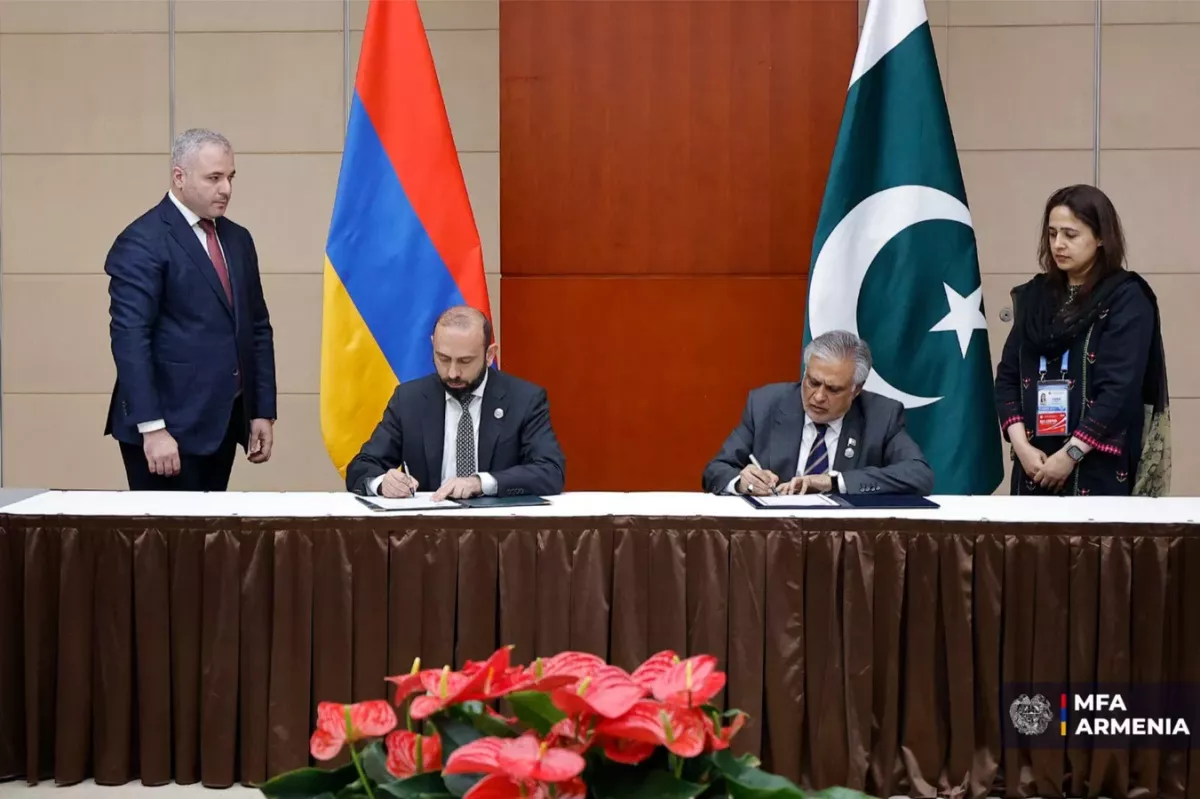
Two weeks before signing the joint communiqué with Armenia, Pakistan’s ambassador to Azerbaijan, Qasim Mohiuddin, openly stated: “Pakistan has no intention of altering its policy toward Armenia without prior consultations with Azerbaijan. This is an expression of love, respect, and solidarity with brotherly Azerbaijan. We have adhered to this policy for three decades, and any change will only be possible after consultations with our friends in Azerbaijan.”
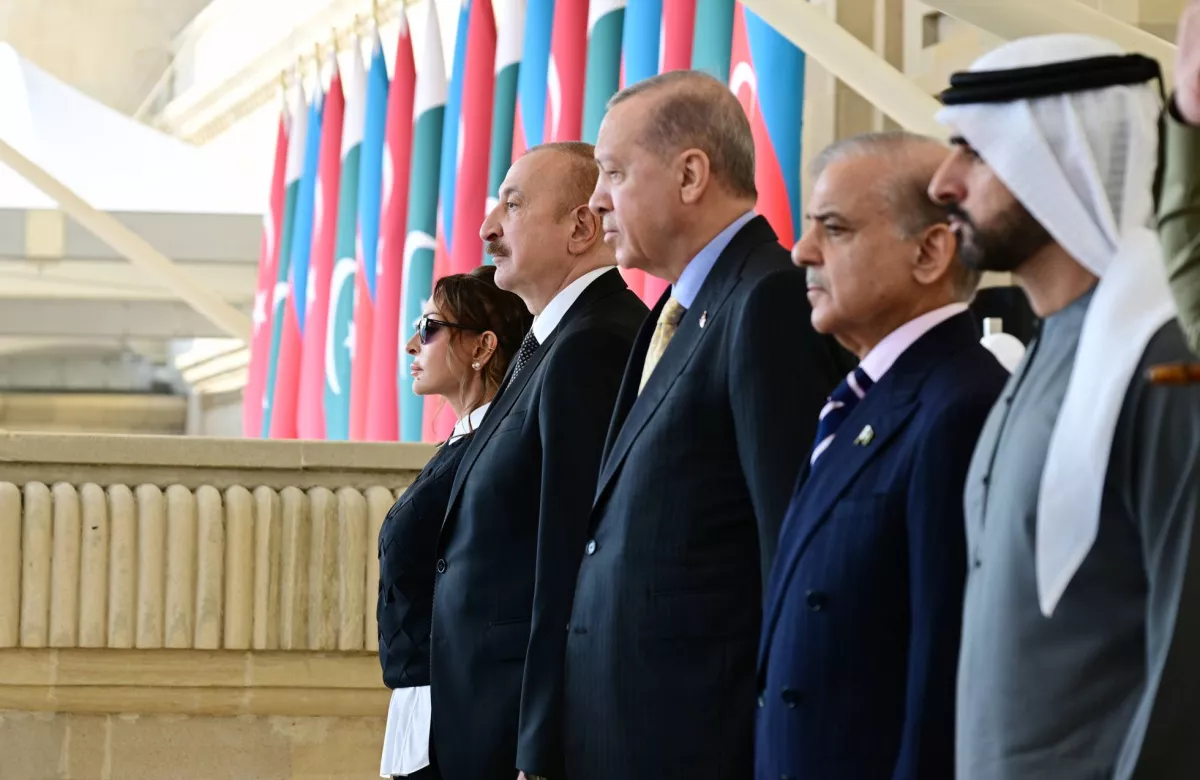
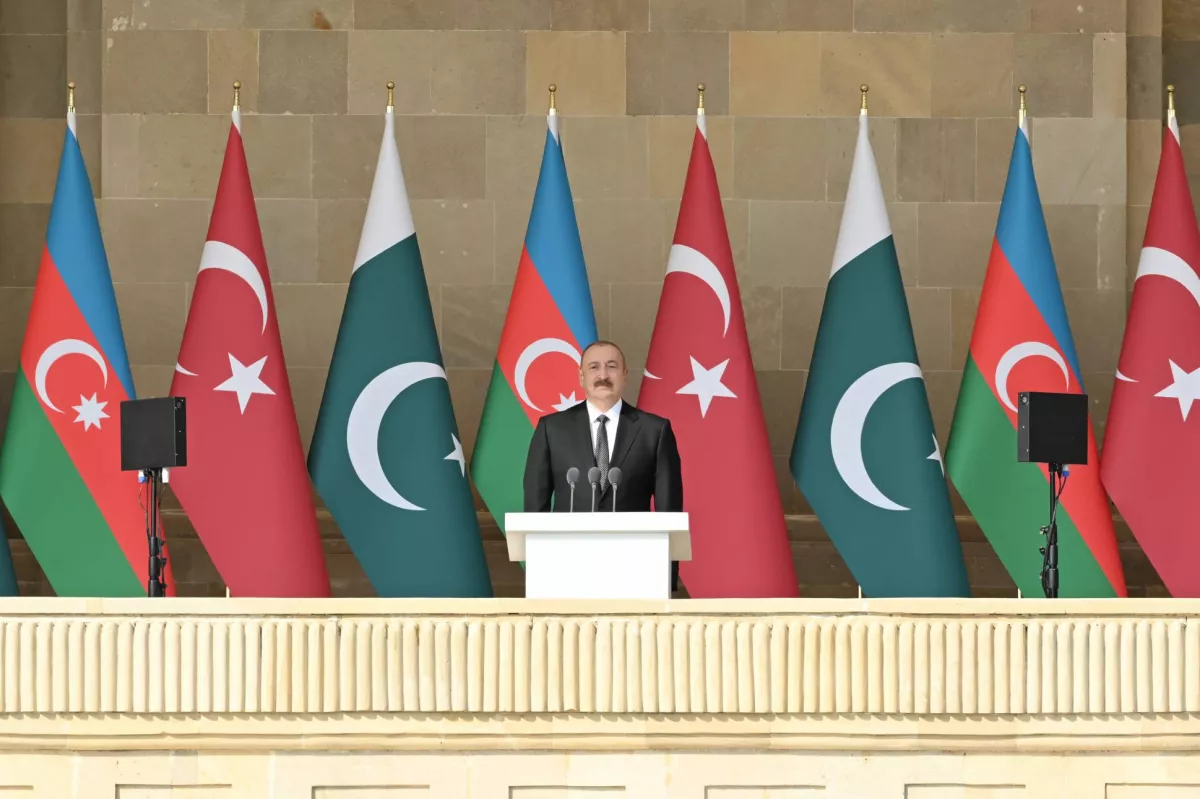
On November 8, 2025, a military parade was held at Azadlig Square in Baku to mark the fifth anniversary of the Victory in the Patriotic War. On the reviewing stand next to Ilham Aliyev stood two leaders — Turkish President Recep Tayyip Erdoğan and Pakistani Prime Minister Shehbaz Sharif. The national anthems of all three countries were played.
For the first time in history, a parade formation of the Pakistani army marched through the central square of the Azerbaijani capital, and Pakistani JF-17 Thunder fighter jets flew over the skies of Baku. From the stage, Sharif declared: “And what a proud and scintillating sight it is right here to witness our valiant Armed Forces marching beside their Azerbaijani and Turkish brothers as the skies come alive with the roar of the JF-17 Thunder jets, a resounding symbol of our enduring friendship, which has, alhamdulillah, grown from strength to strength over these years.”
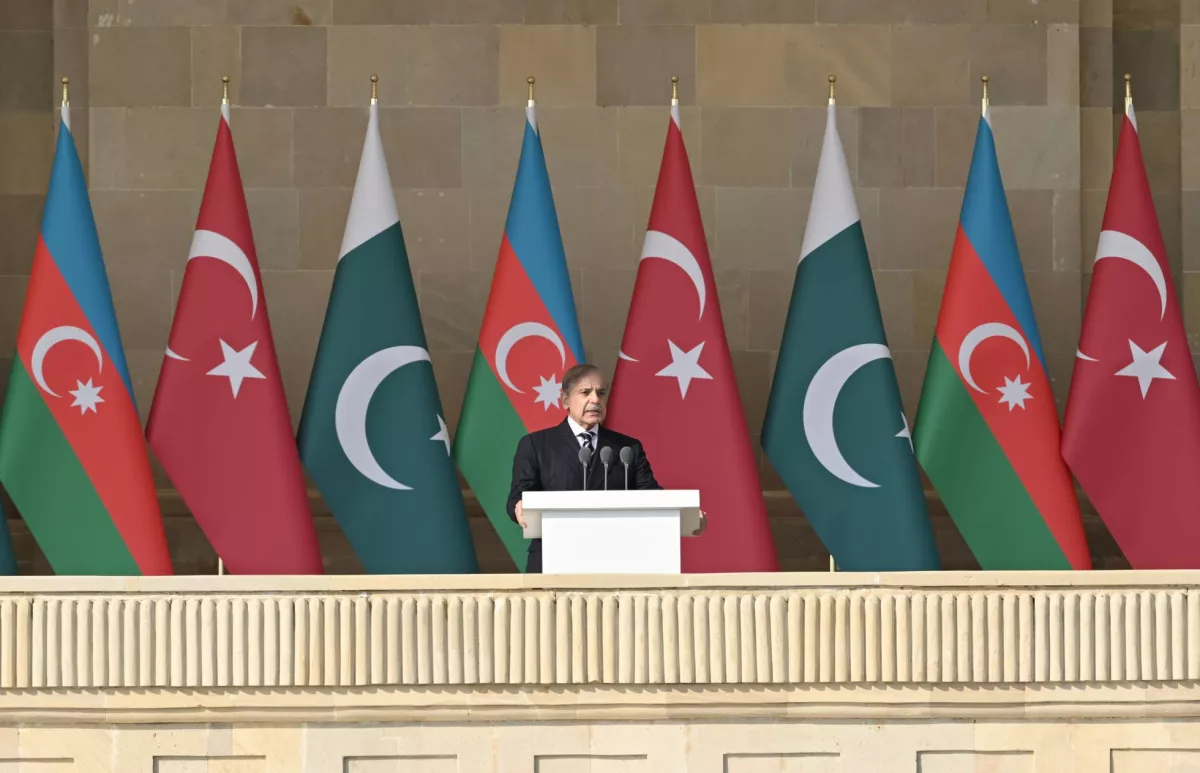
Aliyev, for his part, called the participation of Pakistani troops a demonstration of the unity of the peoples and armies of Azerbaijan, Türkiye, and Pakistan. The parade was also attended by Pakistan’s Chief of Army Staff, Field Marshal Syed Asim Munir, which added significant military weight to the event.
The reciprocity of this brotherhood was tested by fire quite recently. In May 2025, when the conflict between India and Pakistan escalated, Azerbaijan was among the few countries to openly support Islamabad. Türkiye and Azerbaijan clearly took Pakistan’s side. Baku condemned Indian missile strikes on Pakistani territory, expressed condolences to the families of civilian victims, and reaffirmed its solidarity with its brotherly nation.
In September 2025, during a meeting with Sharif in Tianjin, China, Aliyev explicitly stated that India was attempting to retaliate against Azerbaijan in international organisations in response to Azerbaijan’s support for Pakistan. Emphasising that this holds no significance for his country, the Azerbaijani leader stressed that, for Azerbaijan, brotherly relations come above all else.
Against this backdrop, the Iranian drones that struck the civilian airport and fell near a school in Nakhchivan on March 5 take on an entirely new dimension. Tehran, while still denying involvement (a hallmark tactic of the mullah regime), targeted the territory of a state backed by two of the most powerful military powers in the Islamic world — Türkiye and Pakistan. One is a NATO member with the second-largest army in the alliance. The other is a nuclear-armed state that, in January 2024, when Iran carried out missile and drone strikes on Pakistan’s Balochistan province, demonstrated that it knows how to communicate in the one language Tehran truly understands.
That January 2024 episode deserves special attention because it established a critically important paradigm. At the time, Iran, consumed by a bout of regional aggression, attempted to deal with Islamabad in the usual way — as with neighbours whose sovereignty it assumed could be ignored without consequence. That calculation proved fatally mistaken.
In less than two days, Pakistan responded with strikes by F-16, JF-17, and J-10C fighter jets, multiple rocket launchers, drones, and loitering munitions against seven targets on Iranian soil in Sistan and Balochistan — an operation named “Marg Bar Sarmachar”. Despite its bluster, Iran did not dare retaliate. As Asfandyar Mir, an expert at the United States Institute of Peace, sharply noted: Iran’s refusal to respond signalled Tehran’s unwillingness to enter a cycle of escalation with a country that possesses overwhelming military potential.
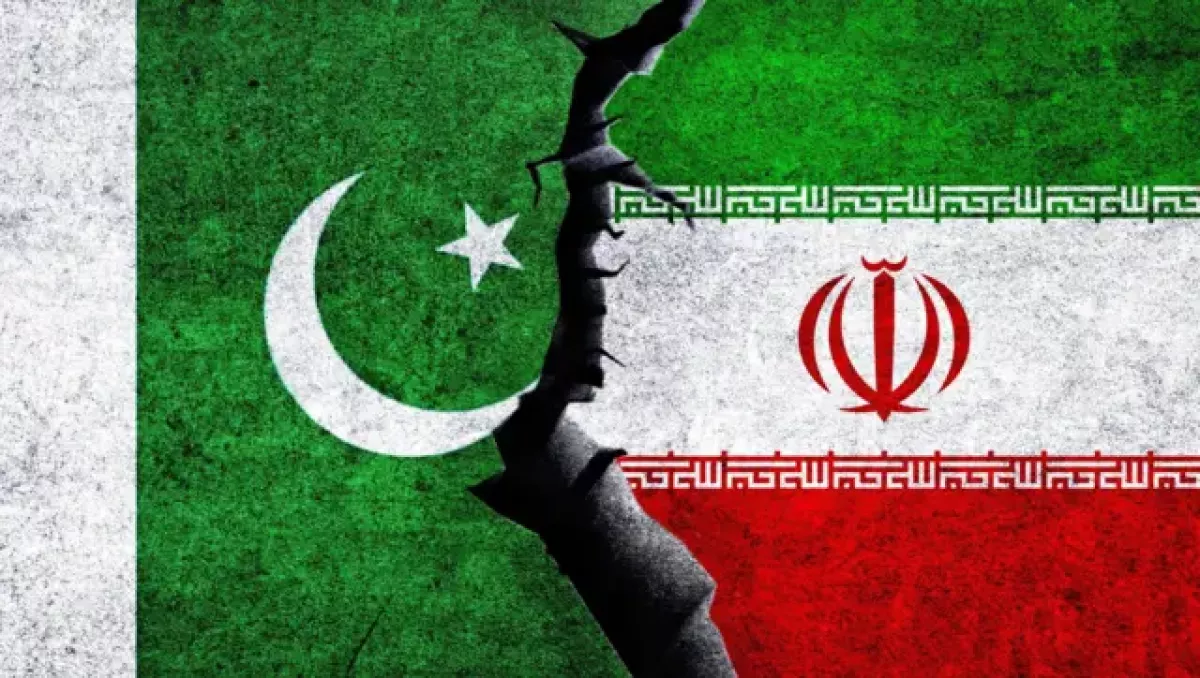
It is precisely this precedent that makes Sharif’s call to Aliyev far more than a routine expression of sympathy. When a nuclear-armed state, which has already demonstrated its willingness to use force in response to Iranian aggression, declares that its government and army stand with Azerbaijan, the message is not addressed to Baku alone. It is a warning that Tehran must read correctly.
According to some reports, Azerbaijan’s firm stance — putting its army on full combat alert — forced Iran to reconsider its activities in the border regions. Several sources indicate that Tehran was compelled to withdraw part of its military contingent from the Azerbaijani border. This occurred against the backdrop of Azerbaijan closing its southern airspace, fully halting cargo traffic with Iran through border crossings, and summoning Iranian Ambassador Mojtaba Demirchilu to the Ministry of Foreign Affairs to deliver a formal protest note.
Azerbaijan’s technical capabilities in intelligence and monitoring deserve special mention. Baku possesses significant capacity in radar surveillance, electro-optical observation, and data interception, allowing it to track the movements of armed forces far beyond the immediate border zone — deep into Iranian territory. This capability, developed over the past decade through cooperation with allied countries, makes any attempt to deploy forces covertly near Azerbaijan’s borders a risky endeavour for Tehran.
The Iranian side must understand clearly: any military activity by Tehran will receive an appropriate response. Aliyev’s words, spoken at an emergency meeting of the Security Council — “We are ready to demonstrate our strength against any hostile force - and they should not forget this in Iran” — are backed by fully tangible technical means.







 editor@caliber.az
 +994 55 444-88-98
 Азербайджан, Баку, ул. Низами, 203, Af Business House, 5-й этаж