










Architecture of the future WUF13 and the Ukrainian agenda of reconstruction
The 13th session of the World Urban Forum (WUF13), which concluded its work in Baku and brought together 57,000 participants from 176 countries around the world, became not only an event on urban planning and sustainable development, but also a powerful communication platform.
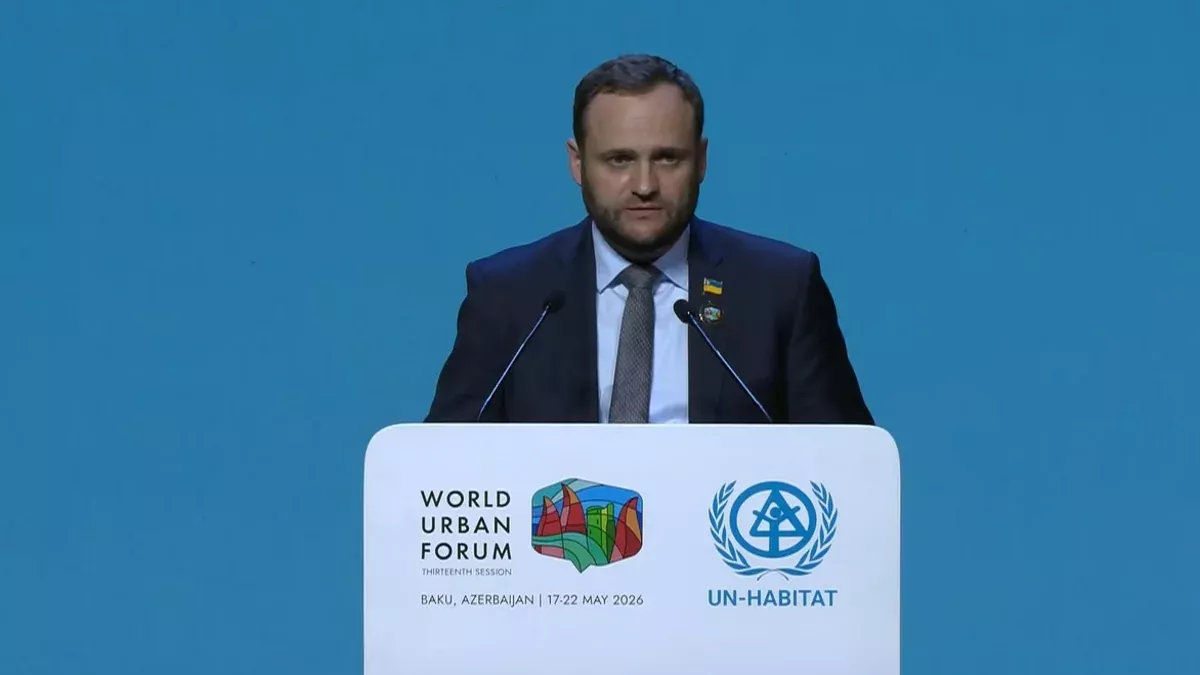
For Ukraine, this forum turned into one of the key global arenas, where a high-level Ukrainian delegation — including Deputy Prime Minister for Reconstruction and Minister for Communities and Territories Development Oleksii Kuleba, head of the relevant committee of the Verkhovna Rada Olena Shuliak, as well as members of parliament and mayors — conveyed to the international community, through facts and statistics, the full depth of the tragedy caused by more than four years of ongoing war, and outlined the scale of the challenges facing the country in terms of recovery and reconstruction.
The figures presented by Ukrainian representatives made a shocking impression: the country’s infrastructure damage is estimated at $95 billion. According to Kuleba, the destruction is systemic in nature, affecting key elements of the state’s functioning — from transport networks to social infrastructure.
Olena Shuliak presented an equally dramatic picture of the housing crisis: more than 14% of the housing stock has been destroyed as a result of the full-scale Russian-Ukrainian war. Behind these percentages are human lives: over 2.5 million households have been destroyed or damaged, around 5 million Ukrainians have become internally displaced persons, and more than 6 million have been forced to leave the country.
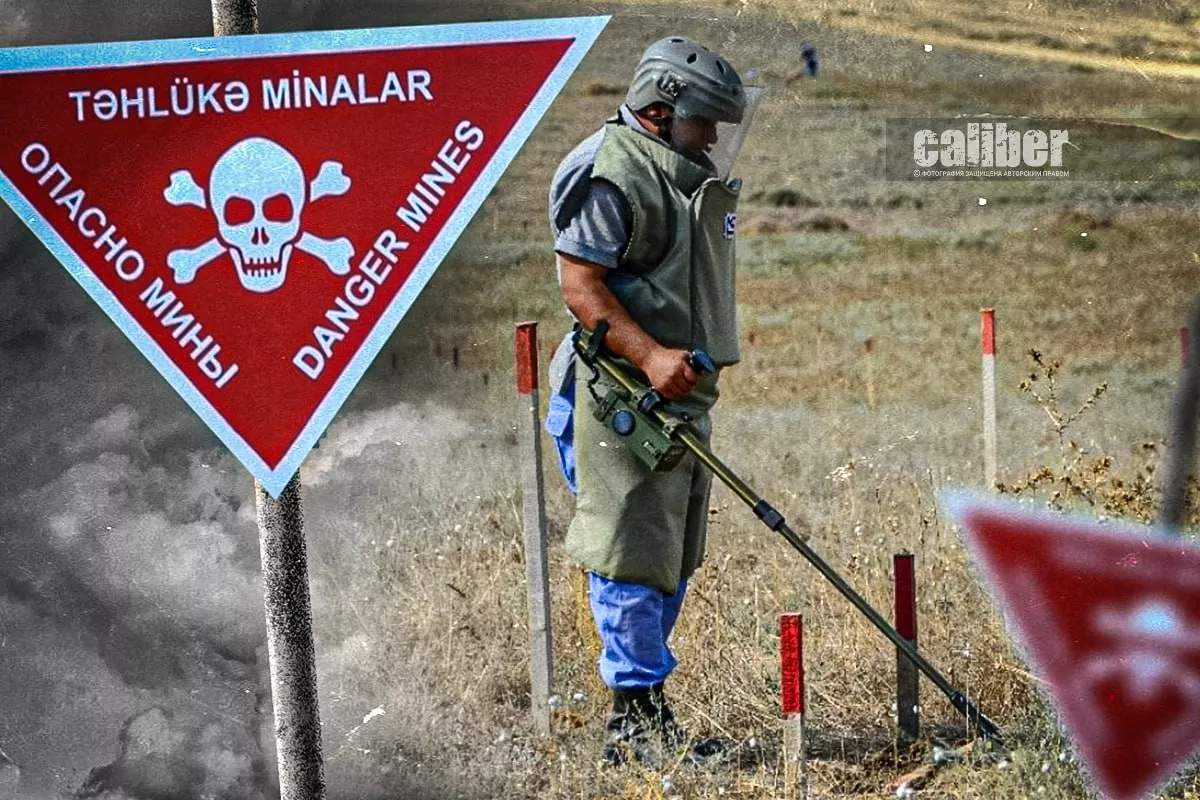
A separate focus at the forum was placed on the issue of mine-contaminated territories — one of the most serious and long-term consequences of the war. More than 130,000 square kilometres of Ukrainian land — an area larger than England — remain potentially hazardous.
Here, the Azerbaijani experience acquires particular significance. Having faced a similar problem after the liberation of its territories, Azerbaijan has demonstrated tangible results in demining and reconstruction efforts. According to data presented at the forum, more than 900,000 hectares of de-occupied land were contaminated with mines — and today hundreds of thousands of hectares have been cleared, with hundreds of thousands of explosive devices neutralised.
For Ukraine, this experience is not theoretical but practical in nature. That is why Ukrainian participants at WUF13 repeatedly emphasised that Azerbaijan is one of the key reference points in post-conflict recovery. However, the significance of the Azerbaijani factor is not limited to the exchange of expertise. It also involves concrete and tangible assistance to the Ukrainian side.
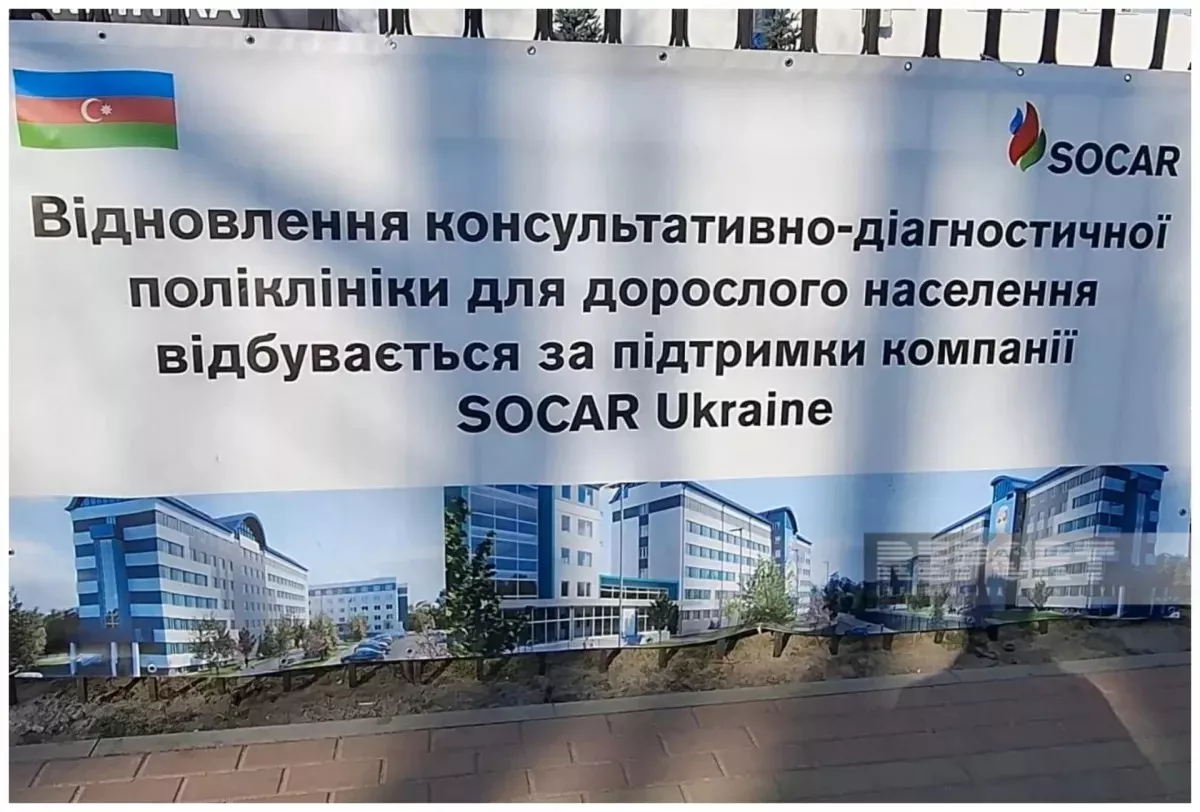
At the forum, words of gratitude were voiced by Ukrainian municipalities. Irpin — one of the symbols of destruction — lost around 70% of its infrastructure, with residential buildings damaged or destroyed, leaving thousands of people without housing. Thanks to international assistance, the city has begun its recovery, and Azerbaijan played a special role in this process: with its support, a lyceum and a city polyclinic — key social facilities — were restored.
Moreover, the assistance to the city had a multiplier effect: it enabled other partners to reallocate resources and direct them to other affected areas, including Bucha and Borodyanka. In this context, the participation of Bucha Mayor Anatolii Fedoruk at WUF13 was also noteworthy, as he particularly emphasised the significance of Azerbaijani support. In particular, this includes plans to transfer electric buses for servicing routes between socially important facilities. And this is not merely humanitarian aid — it is a contribution to the sustainable development of urban infrastructure in Ukrainian cities.

Equally important was the participation of Kharkiv Mayor Ihor Terekhov, whose speech revealed another dimension of Ukrainian reality: despite constant shelling, the city continues to live and host thousands of displaced persons — currently around 1.3 million people reside there, including 215,000 internally displaced persons.
In this context, the development of Kharkiv’s master plan with the involvement of international partners, including the Norman Foster Foundation, gains particular importance. Azerbaijan is also seen in this process as an important partner not only in the humanitarian sphere, but also in strategic urban development.
Thus, the combination of three factors — the global platform of WUF13, a compelling Ukrainian narrative, and practical support from Azerbaijan — is shaping a new architecture of international cooperation around Ukraine’s reconstruction. The war continues, but even today the foundations of the future are being laid. And Baku has, without exaggeration, become one of the key centres where this future is beginning to take tangible shape.







 editor@caliber.az
 +994 55 444-88-98
 Азербайджан, Баку, ул. Низами, 203, Af Business House, 5-й этаж