










Armenia ahead of elections and Zelenskyy’s message Caliber.Az weekly review
The Caliber.Az editorial team presents a new edition of the programme “Events” with Murad Abiyev.
Azerbaijan – Armenia
The 31st Baku Energy Week was held in Baku, Azerbaijan, a forum that brings together global leaders of the energy industry, government structures, investors, and experts. In addition, the event traditionally showcases the latest achievements of the energy sector.
Within the framework of this forum, SOCAR signed several important agreements. One of the most significant, arguably, was the transfer of management of the Baku–Tbilisi–Ceyhan pipeline from BP to SOCAR, starting in July 2026. This is an important indicator of how the Azerbaijani state oil company has developed not only its commercial but also its managerial capacity.
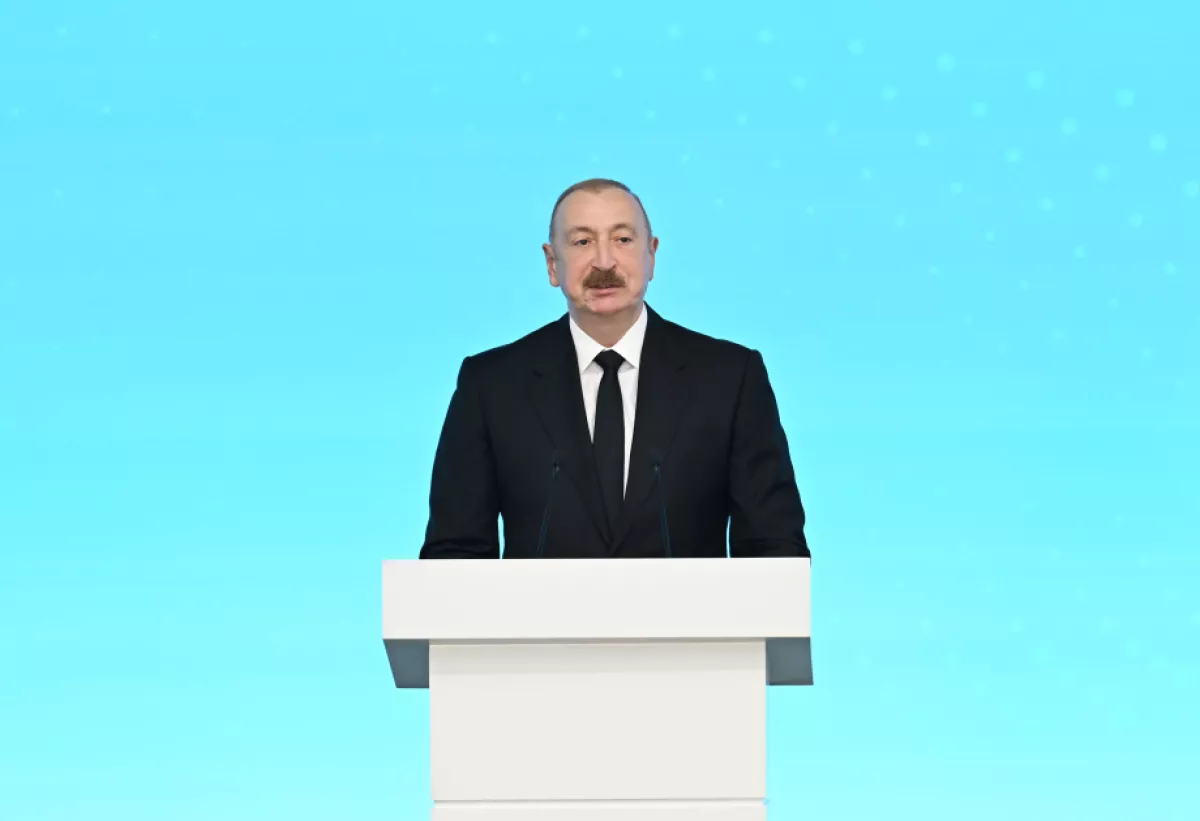
In his speech at the opening of the forum, President of Azerbaijan Ilham Aliyev emphasised the country’s strategic role in ensuring global energy security, linking modern Azerbaijan’s success to the development of the oil and gas sector and pragmatic state policy. Aliyev particularly highlighted the importance of international cooperation and major infrastructure projects — Baku–Tbilisi–Ceyhan, TANAP, TAP, and the Southern Gas Corridor — through which Azerbaijani gas is now supplied to 16 countries, including 10 EU member states.
The past week was marked by heightened tension and the final stages of the electoral campaign in Armenia, in which external factors played a significant role. Thus, just a few days before the elections, Armenian Foreign Minister Ararat Mirzoyan, during a live broadcast, signed a framework agreement between Armenia and the United States on the “Trump Route,” which had been initialled a week earlier. A day earlier, the document was signed by U.S. Secretary of State Marco Rubio. Undoubtedly, this step is intended to convince Armenian society of strong American guarantees regarding the Zangezur Corridor.
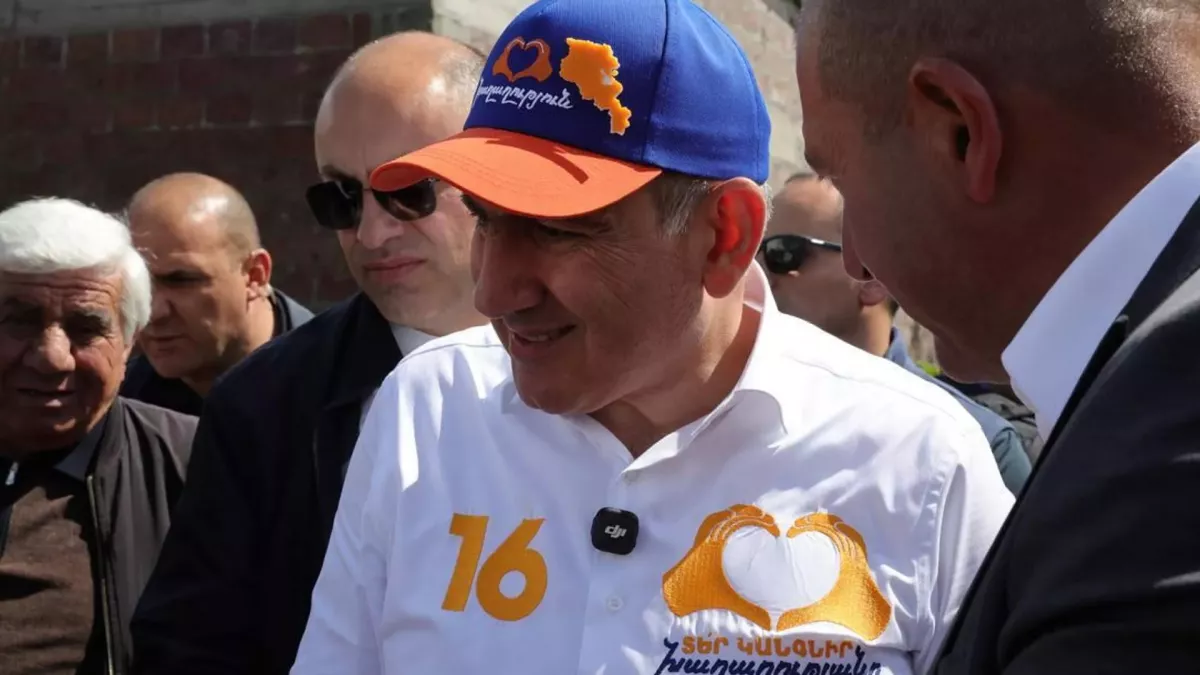
At the same time, pressure from Moscow continued. Russia introduced additional restrictions on the import of Armenian products. Statements by Russian politicians were also made, among which Dmitry Medvedev stood out most prominently. In rather harsh terms, he wrote that Pashinyan is afraid of his opponents and is dealing with them.
At first glance, the aim of this campaign is to intimidate the undecided Armenian electorate and thereby influence the elections, preventing Pashinyan from securing a qualified parliamentary majority. However, it is also possible that through its policy—primarily through sanctions—Moscow is exerting pressure not on the electorate, but on Pashinyan himself, in order to persuade him of the necessity of maintaining existing ties with Russia after his likely electoral victory.
Russia – Ukraine
A curious remark by Vladimir Putin, formally related to the Armenian issue but in essence reflecting his ideas about the future of Europe and Russia, is particularly noteworthy. He stated the following:
“I would very much like that, in a historical perspective, all these technical standards, logistics and so on, both in the European Union and the Eurasian Economic Union, would align. And then it would become a truly large, enormous economic space, as Charles de Gaulle once said: from Lisbon to the Urals, and in fact — to Vladivostok, but this cannot be done now; technologically it cannot be done at present.”
What is interesting is that the only obstacle Putin named to this seemingly fantastical goal was not even political, but technological. This gives the impression that he is trying to use the Armenian case as a kind of impulse for discussing a broader project of integration between Russia and Europe.
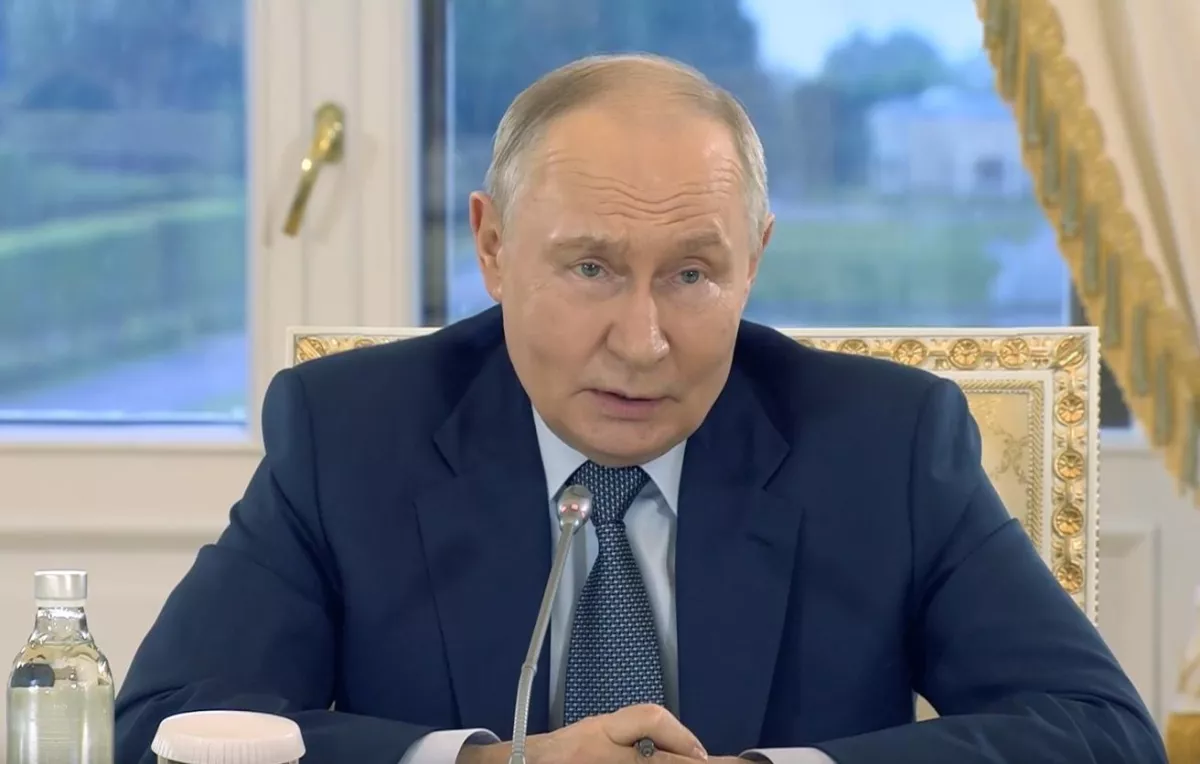
At present, this sounds surreal, given the actual state of the conflict between Russia and the EU. However, such an explicit articulation of this idea may indicate a long-term vision. It appears that Putin is attempting to capitalise on the weakening of ties between Europe and the United States, and to offer Europeans a renewed economic partnership at a new stage of history.
More precisely, this likely refers to EU access to Russian natural resources as a necessary basis for the technological leap he believes Europe urgently needs.
The fact that such a scenario is also being considered in Europe is suggested by increasingly frequent discussions in recent weeks about the need for Europeans to find their own negotiator with Russia. However this may be framed as being solely in Ukraine’s interest, there is a sense that Europe is trying to find its own “Anchorage spirit”, amid signs that the original one proved unstable and is increasingly dissolving.
However, in any case, in order for this to happen, Moscow would have to bring the war in Ukraine to an end. Europe, unlike the United States, cannot simply dismiss Ukraine as an irrelevant issue.
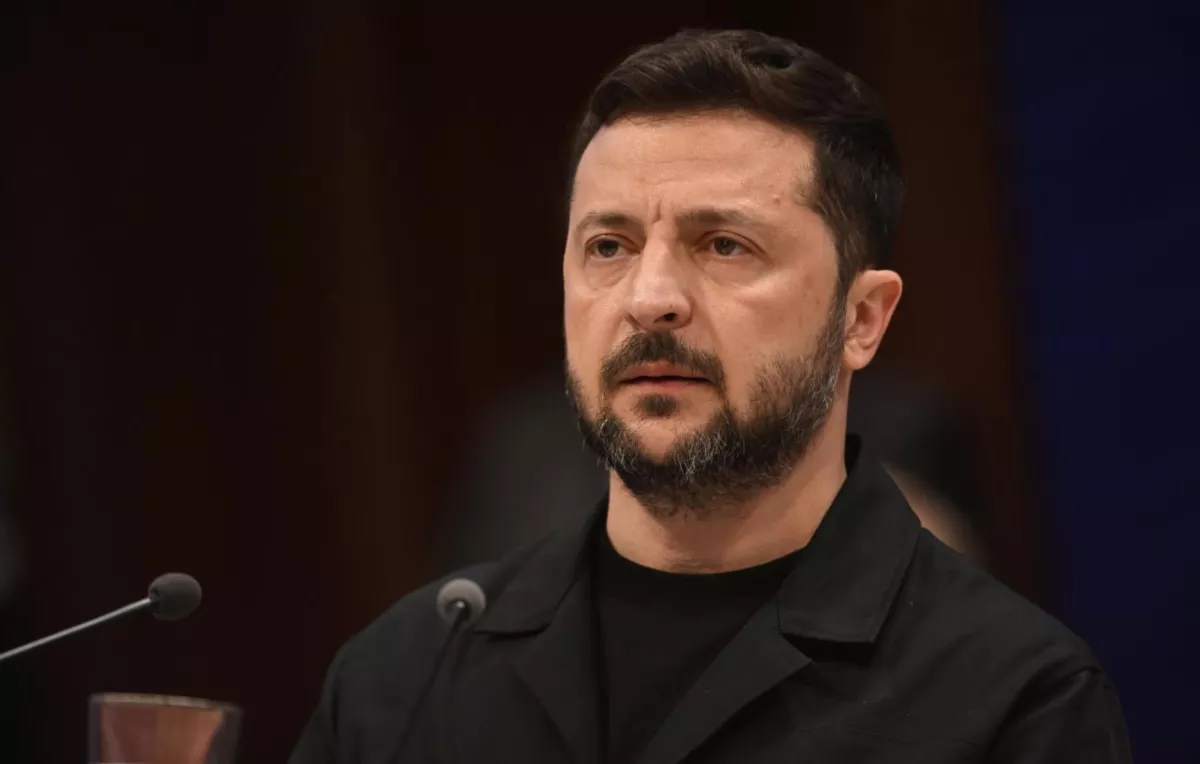
It is perhaps no coincidence that at this very moment, the President of Ukraine, Volodymyr Zelenskyy, sent an open letter to Russian leader Vladimir Putin, in which he stated Kyiv’s readiness to pursue an end to the war through direct negotiations.
At the same time, the tone of the letter can be described as, if not outright offensive, then clearly somewhat mocking toward Putin, as it contains several personal jabs directed at him. Overall, the message suggests that a turning point has been reached in the war and that from this point onward, only Russia stands to lose further.
This supposed turning point is linked to Kyiv’s asymmetric operations deep inside Russian territory, which are said to be weakening the Russian economy and increasing war fatigue among the Russian population.
However, there is one nuance that nevertheless reveals Ukraine’s urgent need for peace. Zelenskyy proposes freezing the war along the line of contact—essentially at the same positions as a year ago, when no such “turning point” existed and when, formally, the Armed Forces of Ukraine were in a more vulnerable position.
By the logic of a genuine turning point, if such a shift truly exists, Ukraine’s demands would be expected to harden—for example, calling for the withdrawal of Russian forces from the annexed territories.
At the same time, the Ukrainian president has hedged this position by explaining his desire for a swift ceasefire through concern for the lives of Ukrainian soldiers. This is, indeed, a legitimate concern and a valid rationale for freezing the conflict along the line of contact. However, it also further highlights the broader reality: both sides have once again become entrenched in a positional war, and there is no basis for speaking of a fundamental breakthrough.
Another factor may also be at play, which brings the discussion back to the possible negotiations between Moscow and Brussels. The deliberately provocative tone of the letter, clearly intended to irritate Putin, is unlikely to be well received in the Kremlin and may further delay any peace talks. It is possible that this is precisely what Zelenskyy is aiming for—to maintain pressure on Russia through asymmetric methods, assuming that he genuinely believes a turning point in the war has been reached.







 editor@caliber.az
 +994 55 444-88-98
 Азербайджан, Баку, ул. Низами, 203, Af Business House, 5-й этаж