










Iran’s main challenge now lies at home Analysis by Shereshevskiy
Amid the exchange of strikes between Iran and Israel, Iran is experiencing another wave of protests.
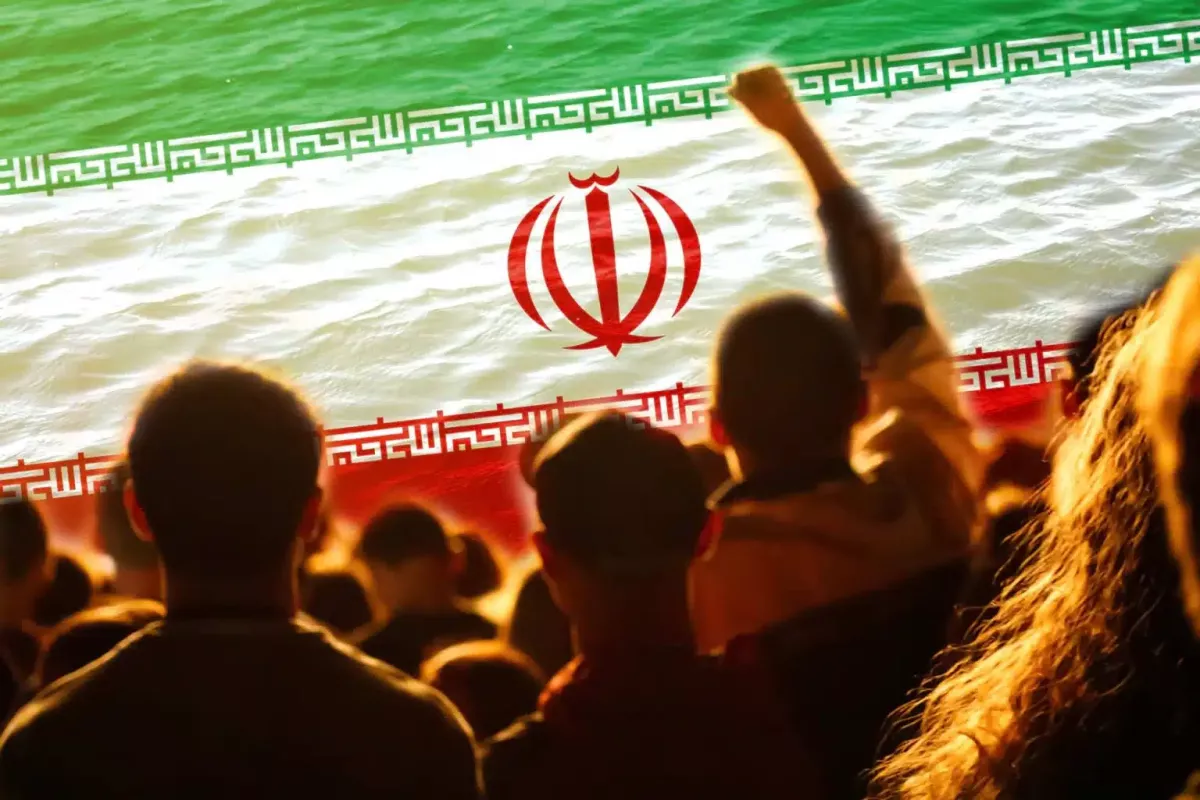
Iranian opposition media report that school graduates' protests are spreading widely across the country, a claim supported by numerous videos circulating online. The demonstrations have taken place in Tehran, Mashhad, Kermanshah, Shiraz, Isfahan, and many other cities. Students are demanding that classes and examinations be moved online. These protests have now entered their third week, and their scale continues to expand. Of course, school and university students alone are not capable of transforming the country's political system. However, several factors should be taken into account.
First, Iranian society has been protesting almost continuously since 2017. These demonstrations have been driven by various causes and have involved different social groups, but taken together they reflect the growing dissatisfaction of a significant portion of the population.
From time to time, strikes break out at the country’s largest enterprises, where workers are dissatisfied with the shift toward temporary employment, worsening working conditions, and low wages. These strikes sometimes involve hundreds of thousands of workers from the petrochemical, steel, and other industries. Transport workers, truck drivers, and municipal employees often join them. In some cases, workers establish strike committees, while in others the strikes are organised by trade unions.
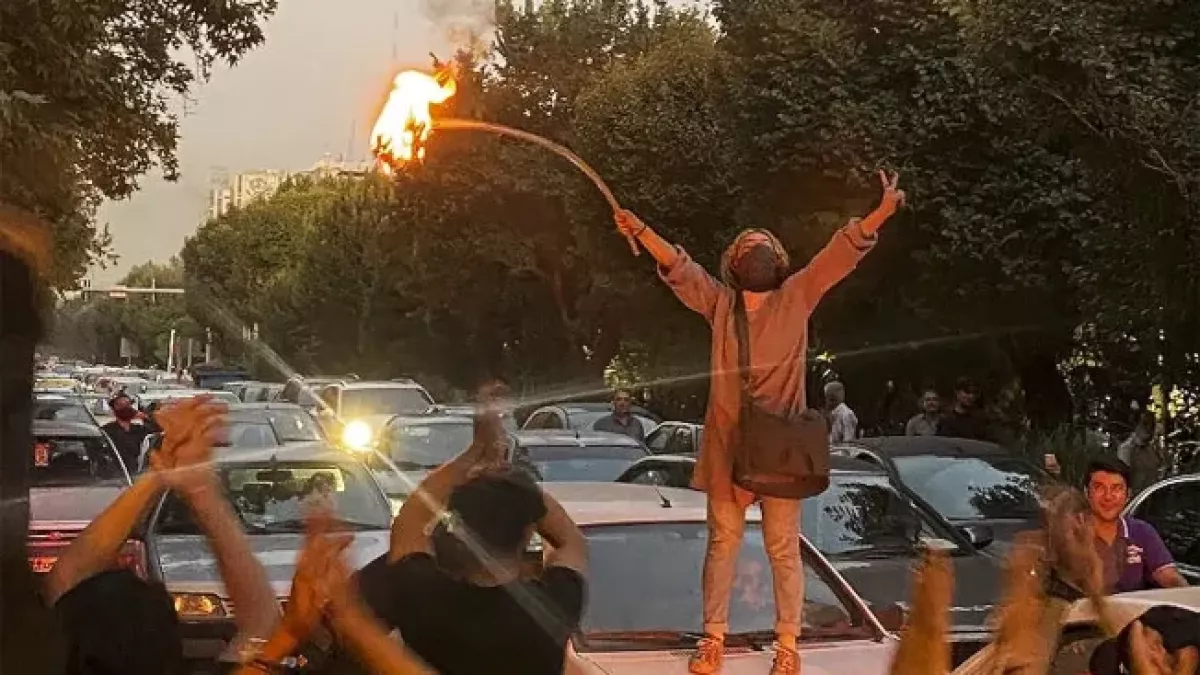
Pensioners protest against inadequate pension payments, women demonstrate against the mandatory wearing of the hijab (most notably during the “Woman, Life, Freedom” movement in 2022), students demand greater freedom of speech, and farmers protest against the government’s unsuccessful water management policies, which have led to rivers drying up. Whenever the authorities manage to suppress protests by one social group, another emerges to take its place.
Second, protests by different social groups can merge into a single movement, generating powerful surges of public mobilisation similar to those witnessed in January 2026 following demonstrations by market traders, when millions of people took to the streets in both major cities and smaller towns across the country.
New information has recently emerged regarding those events. Mahdi Kharratiyan, head of the official analytical centre Revival of Politics, which is closely associated with the security and foreign policy circles of the Islamic Republic of Iran, stated in a recent interview that during the January protests, nearly 100 cities either fell outside the authorities’ full control or came close to doing so. According to Kharratiyan, the state temporarily lost control of the situation in a number of localities because, until a certain point, security forces had not been authorised to open fire on the protesters.
The unrest is rooted in the crisis currently facing Iranian society. This crisis is multidimensional in nature, with different groups advancing their own demands. It is a broad, cross-class movement involving representatives of various ethnic and religious communities: some are protesting poor working conditions, others discrimination, and others the consequences of drought and environmental mismanagement.
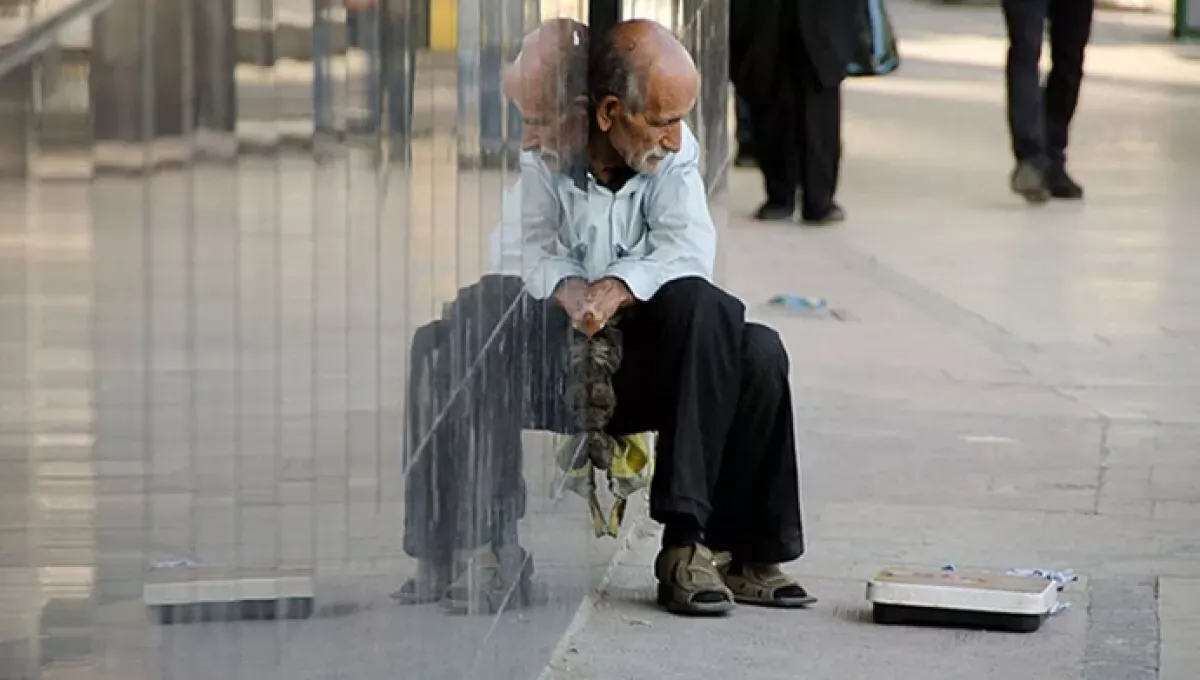
At the heart of the crisis, however, lies the difficult state of the economy. Even official media outlets report on the scale of poverty: around 40 million Iranians—nearly half of the country’s population—live below the poverty line. Inflation had already reached approximately 50 per cent annually even before the war with the U.S.-Israeli coalition. The average monthly salary is now around $100, and an ordinary Iranian must often save for several years to purchase basic household appliances such as a refrigerator.
Internet shutdowns have left around 10 million people without work, dealing a severe blow to the country’s digital economy. To prevent further growth in unemployment, the government has been forced to begin restoring internet access, although connectivity remains unstable and subject to frequent disruptions.
Meanwhile, according to a number of sources, U.S. sanctions are costing Iran hundreds of millions of dollars every day by restricting not only exports but also imports.
Third, there are growing signs of divisions within Iran’s ruling elite. Following the death of Iran’s Supreme Leader, Ali Khamenei, his son, Mojtaba Khamenei, assumed his position.
However, since the outbreak of the war with the United States and Israel, Mojtaba Khamenei has been virtually absent from public view. Even audio recordings of his speeches have not been released.
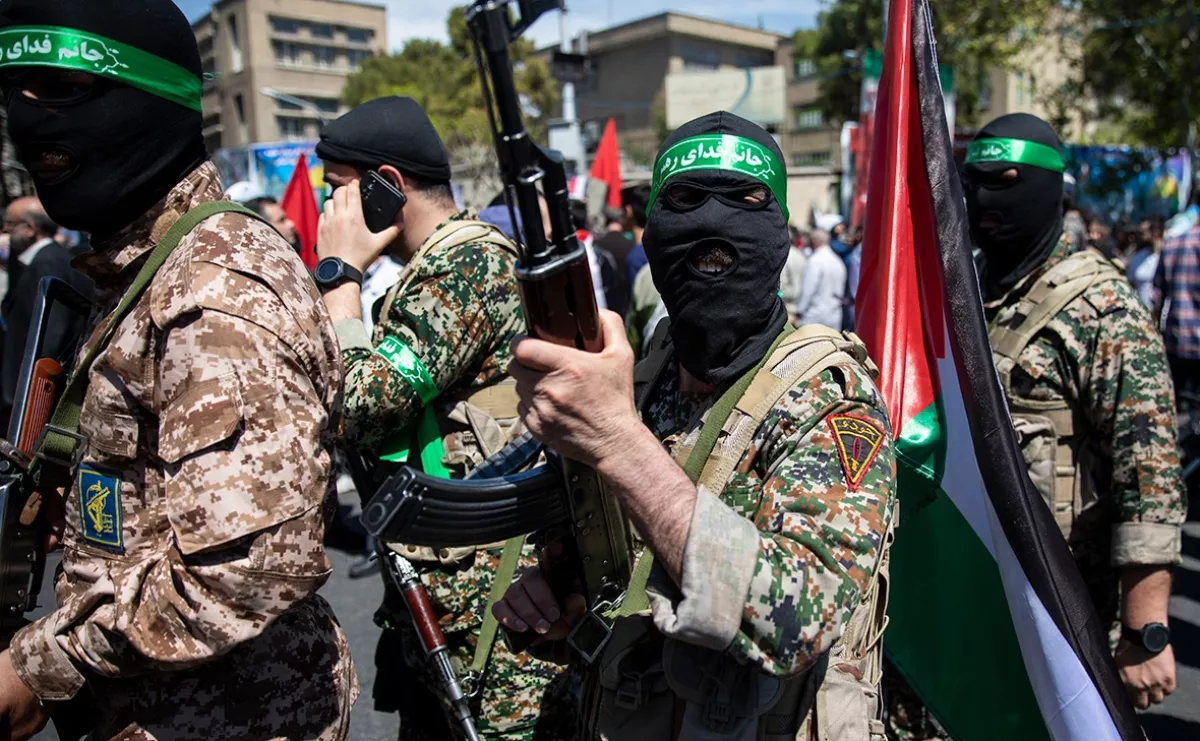
According to a number of observers, real power has become concentrated in the hands of the Islamic Revolutionary Guard Corps (IRGC), a 120,000-strong organisation that also oversees a network of intelligence services, the Basij militia, several key government agencies, and a significant number of major companies.
However, this state of affairs has dissatisfied part of Iran’s clergy, which remains committed to the ideals of the 1978–1979 Islamic Revolution and has traditionally played a leading role in the governance of the state.
One member of the clergy, who requested anonymity, recently gave an interview to Iranian opposition media. He stated that dissatisfaction with the growing influence of military institutions in the country’s system of governance is increasing even among some teachers and students of religious institutions in Qom, one of the principal centres of Shiite religious life.
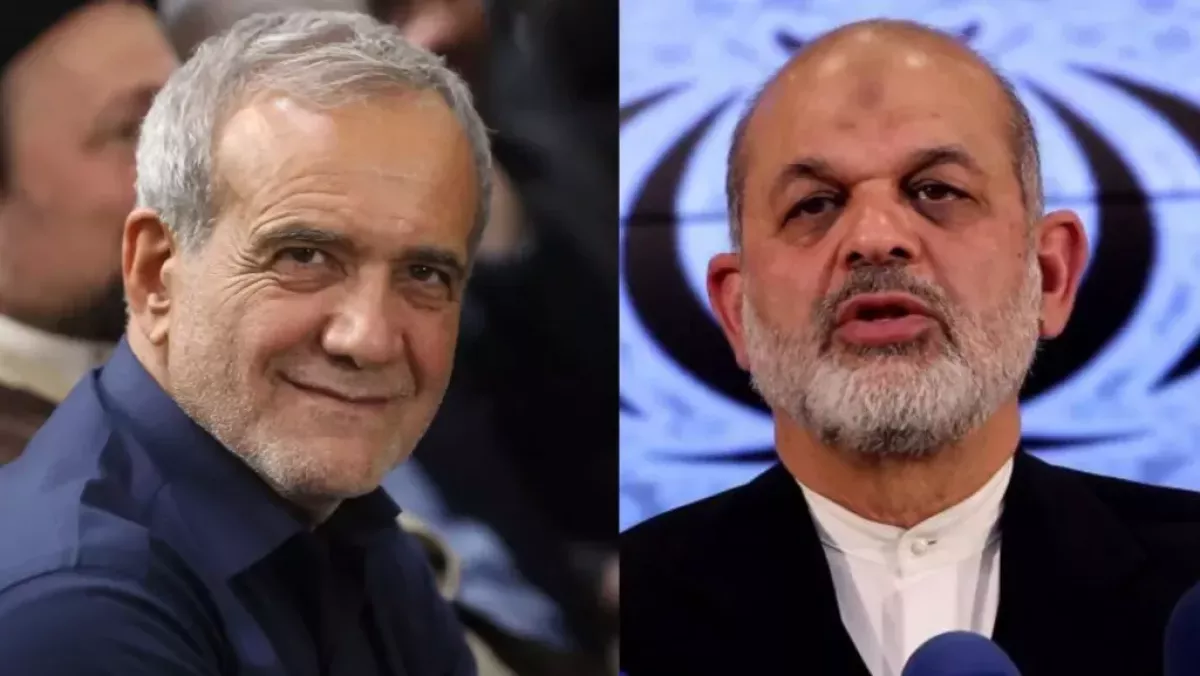
Discontent has also spread to parts of the political elite. Reports have emerged of disagreements between the moderate reformist president, Masoud Pezeshkian, and the commander of the IRGC, General Ahmad Vahidi, who is regarded by some observers as the country's de facto leader.
International media recently reported that Pezeshkian, dissatisfied with the concentration of power in Vahidi’s hands, had threatened to resign or had even submitted a resignation letter, a move that could have further complicated Iran’s already tense domestic political situation.
At the same time, Mehdi Tabatabaei, deputy head of the communications department of the Iranian presidential administration, denied these reports.
In such circumstances, the school protests are not significant in themselves, but rather as a potential trigger that could ignite a new wave of social unrest. This is especially true given that many Iranians continue to discuss the killing of protesters during the January events, repeating the phrase: “We will neither forgive nor forget.”
If the authorities resort to harsh measures against school students, it could provoke a new surge of public anger, as people in the Middle East are traditionally highly sensitive to the fate of the younger generation.
In 2011, in Syria, it was precisely the harsh suppression of youth protests in the city of Daraa that became one of the triggers of the civil war.
However, none of these scenarios is necessarily bound to materialise. Iranian authorities have repeatedly demonstrated resilience and an ability to suppress protest activity.
In addition, another round of strikes has begun between Israel and Iran. Typically, when Iranian cities come under attack, protest activity temporarily decreases, only to resurface later during periods of relative calm.







 editor@caliber.az
 +994 55 444-88-98
 Азербайджан, Баку, ул. Низами, 203, Af Business House, 5-й этаж